



- Room 1807, Unit 9, Building 2, Shangxing Commercial Street, Shangde Road, Shangxing Community, Xinqiao Subdistrict, Bao'an District, Shenzhen City, China
CONTACT US

WhatsApp


Contact Us
Our team is on stand by, waiting toassist you.

Videos
A large collection of educational videos and tutorials.

About Us
Learn about our company, leadership, and mission totransform manufacturing.

Privacy Policy
Applies to all personal information collected through and/or processed in connection.


Aerospace & UAV
WJ Prototypes is your 3D manufacturing partner from prototype to large scale production.

Consumer Electronics
New Product Introduction Solutions for Consumer Electronics.

Robotics & Automation
Need some assistance bringing your robotic device or parts from the sketch-board to reality?

Medical Devices
The medical industry needs high quality, dependable and safe parts and products.

Automotive
New Product Introduction Solutions for Automotive

Industrial Machinery
The main purpose of industrial prototyping is to take the product from drawings into the real world.

CNC machining in Australia can be quite costly due to various factors like part size, complexity, and the materials used. For businesses, these expenses can add up quickly with operational costs such as machine maintenance and software updates. However, outsourcing CNC machining to China offers considerable cost savings ta to lower labour and overheads. Additionally, Chinese manufacturers often feature advanced machinery that may be out of reach for local companies. This not only enhances production flexibility but also results in quicker turnaround times. WJ Prototypes provides rapid prototyping services which could help streamline operations while ensuring high-quality outcomes for your projects.
WJ Prototypes stands out as a reliable partner for businesses seeking CNC machining solutions in Australia. We offer rapid prototyping services tailored for various industries, ensuring that each project meets specific client needs. With expertise in CNC machining, 3D printing, moulding and casting, WJ Prototypes is equipped with state-of-the-art machinery that guarantees precision manufacturing. Our dedicated team is committed to providing quick turnaround times, making them an ideal choice for both small and large projects.
Flexibility is a hallmark of our service, as we offer custom solutions that cater to a range of requirements, whether functional or aesthetic. Additionally, WJ Prototypes provides consultation services to optimise designs and processes, helping clients to navigate the complexities of prototyping. Quick quotes are available to assist with project planning, making the process efficient and straightforward. With a strong commitment to quality and customer satisfaction, WJ Prototypes ensures that clients receive the best possible service in their CNC machining endeavours.
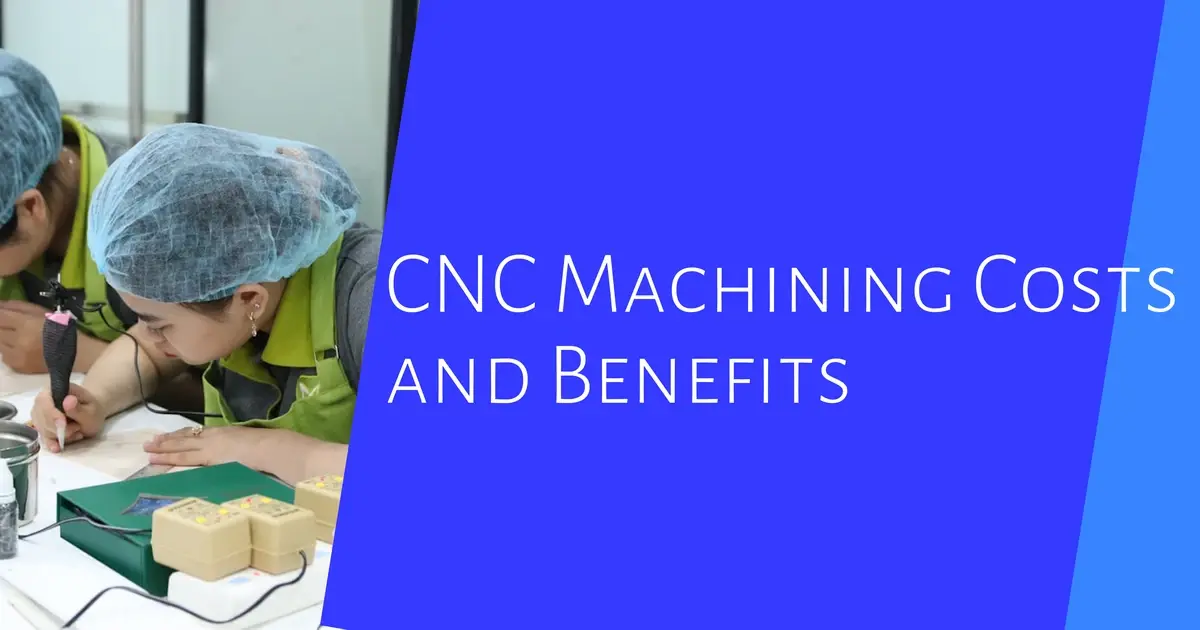
CNC machining costs in Australia can vary significantly based on a number of factors. The size and complexity of the parts being produced are crucial considerations; larger and more detailed parts naturally come with higher price tags. Material choice also plays a vital role, as different materials like metals, plastics, and woods have their own cost implications. Additionally, the type of CNC machine used affects pricing, with 3-axis machines generally being more affordable than their multi-axis counterparts.
Order volume impacts the cost per unit as well; larger batches often reduce costs due to economies of scale. The timeframe for production can also alter pricing expectations, as rush jobs may incur additional fees. Furthermore, businesses should be aware of hidden costs associated with CNC machining, such as setup fees and finishing processes. Understanding hourly rates is essential, with typical costs ranging from $50 to $150 per hour, depending on the machine and complexity of the project.
When comparing CNC machining to other manufacturing methods, it’s clear that while initial costs may seem high, the precision and efficiency offered often justify the investment. To accurately budget, it is important for companies to request detailed quotes, taking into account all these variables to avoid unexpected expenses.
CNC machining costs are shaped by a range of factors that businesses must consider. First, the choice of material plays a crucial role, as different materials like metals, plastics, or composites have varying costs. For instance, machining aluminium may be more affordable than working with titanium, which is more complex and expensive. The complexity of the design also affects pricing, as intricate designs require more time and specialised resources to produce.
Machine capabilities can lead to higher costs as well. Advanced machines, such as multi-axis CNC machines, may incur greater expenses due to their precision and versatility compared to standard 3-axis machines. Initial setup costs can be significant, especially for custom jobs, where tools and fixtures must be created before production begins. Additionally, post-processing needs, such as finishing or coating, can add to the overall budget, further complicating cost estimates.
Lead times can also influence costs; if a business needs a rush order, it may face premium charges to expedite production. Geographical location impacts shipping and logistics as well, with longer distances often resulting in higher transport expenses. The experience and reputation of the supplier should not be overlooked, as more established companies may charge a premium for their expertise. On the other hand, economies of scale can work in favour of larger orders, reducing the cost per unit significantly. Lastly, market demand can sway pricing trends, with high demand potentially driving costs up.
Learn What Affects Lead Times in CNC Machining in China?
CNC machining costs in Australia vary widely based on several factors. Entry-level machines can range from $150 to about $30,000, making them accessible for small businesses or hobbyists. Mid-range machines, which offer more capabilities, typically cost between $30,000 and $250,000. For larger-scale operations, industrial machines start at $100,000 and can exceed $1 million for advanced options such as 5-axis machining.
When considering hourly rates, you can expect to pay between $50 and $150, depending on the complexity of the part and the machine used. It's important to note that costs can fluctuate based on the type and capabilities of the machine, with more complex jobs naturally incurring higher prices. Additionally, factors such as part size, material type, and order volume all significantly impact the final price.
Being aware of hidden costs is crucial, as expenses such as installation, maintenance, and software updates can add up quickly. Understanding the total costs, including these hidden fees, is essential for accurate budgeting. Basic CNC capabilities will generally be less expensive than advanced features, which can drive up the cost significantly.
When comparing CNC machining to traditional manufacturing methods, CNC often presents a more cost-effective solution in terms of precision and efficiency. However, ongoing maintenance and operational costs must also be factored in when assessing the overall financial commitment.
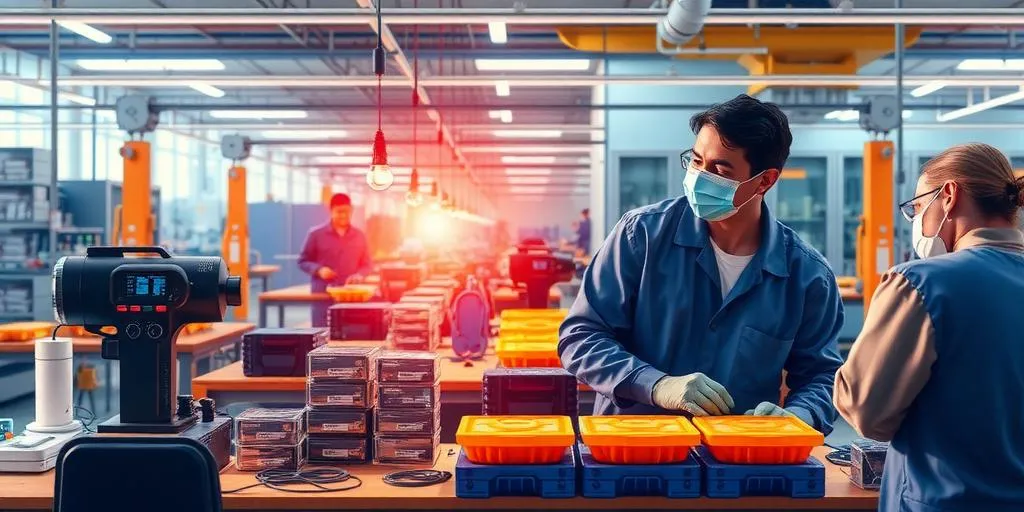
When considering CNC machining services, it's essential to be aware of the hidden costs that can impact your overall budget. For starters, installation fees for CNC machines can be quite significant, often requiring a substantial upfront investment. Additionally, as machines age, maintenance costs can accumulate over time, making it crucial to factor these into your financial planning. Repair costs may also arise due to wear and tear, which can add unexpected expenses to your operation.
Training expenses for staff to operate CNC equipment should not be overlooked, as investing in skilled personnel is vital for maximising efficiency and safety. Furthermore, software updates and licencing fees can contribute to ongoing costs, particularly as technology evolves and requires regular upgrades.
Shipping and handling fees for both materials and finished products can also add to your expenses, especially if you are sourcing components from overseas. Quality control testing may incur additional costs as well, ensuring that your products meet required standards. Packaging and logistics costs for delivery are other factors that can quickly add up, impacting your bottom line.
Lastly, it’s important to consider potential costs associated with design modifications during production, which could lead to budget overruns if not planned for. Understanding these cost structures is essential to avoid financial surprises and ensure a successful CNC machining project.
CNC machining plays a crucial role across various industries in Australia. The automotive industry relies heavily on precision parts and components, ensuring vehicles meet safety and performance standards. In the aerospace sector, high accuracy and strict quality standards are essential, with CNC machining enabling the production of complex components like turbine blades and fuselage parts.
Medical device manufacturing benefits from CNC machining, as it allows for the creation of intricate and reliable products, such as surgical instruments and implants, where precision is vital. The electronics industry, too, utilises CNC machining to produce complex circuit boards and enclosures, supporting the growing demand for electronic devices.
The consumer goods sector takes advantage of CNC machining for custom designs and prototypes, allowing companies to quickly bring innovative products to market. Industrial machinery manufacturers rely on CNC technology for heavy components, ensuring durability and efficiency in their equipment.
The marine industry uses CNC machining to create precise parts for vessels, enhancing performance and safety on the water. In furniture manufacturing, CNC machines enable intricate designs and cuts, allowing artisans to craft unique pieces with ease. Additionally, the robotics and automation industries rely on CNC machining to produce various parts that contribute to advancements in technology.
Lastly, the construction industry benefits from CNC machining for custom fittings and components, ensuring that structures are built to exact specifications. Overall, CNC machining's versatility makes it indispensable across these diverse sectors.
Outsourcing CNC machining to China brings notable benefits that many Australian businesses are beginning to explore. One of the most significant advantages is the cost savings. With lower labour rates and operational costs, companies can achieve substantial reductions in manufacturing expenses compared to local production. For instance, a small business might find that outsourcing a simple component can save them up to 40% on costs, allowing for reinvestment in other areas of their operations.
Additionally, Chinese suppliers have access to a vast network of experienced manufacturers. This means businesses can tap into advanced machinery and technology that might be prohibitively expensive to acquire or maintain locally. Many factories in China are equipped with the latest CNC technology, which can enhance production efficiency and reduce lead times.
Scalability is another key benefit. Companies can easily adjust their production volumes to meet changing demand without the need for significant local investment in facilities or equipment. This flexibility allows businesses to respond quickly to market trends, a crucial factor in today's fast-paced environment.
Quality control is often a priority for Chinese manufacturers, who typically maintain strict standards to ensure consistent product quality. Many have implemented advanced quality assurance processes that rival those found in Western countries, meaning businesses can expect reliable outcomes from their outsourced production.
Furthermore, the continuous production capabilities of these factories often result in faster turnaround times. This can be particularly advantageous for companies needing quick responses to customer orders or market changes.
Collaborating with Chinese manufacturers also opens the door to specialised knowledge that can enhance product design and innovation. Many suppliers have extensive experience across various industries, providing insights that can lead to improved product features or functionalities. The precision of CNC technology also reduces the risk of errors during manufacturing, ensuring that parts are produced to exact specifications.
Overall, outsourcing CNC machining to China presents a range of benefits, from cost savings and scalability to quality improvements and faster production times, making it an attractive option for many Australian businesses.
Outsourcing CNC machining to China can lead to significant cost savings for Australian businesses. One of the main factors is the lower labour costs in China, which directly reduce overall expenses. For instance, while an Australian worker might earn $30 an hour or more, a similar worker in China may earn a fraction of that amount. This difference can drastically lower production costs, especially for bulk orders.
Additionally, the bulk production capabilities of Chinese manufacturers mean that the per-unit costs decrease substantially as order volumes increase. This is particularly advantageous for companies looking to scale their operations without incurring excessive costs. By eliminating overhead costs associated with local facilities, businesses can further streamline their expenses.
Another advantage is the reduced need for capital investment in machinery and technology. Many Australian companies might hesitate to invest in high-end CNC machines, which can cost upwards of $100,000, but by outsourcing, they can leverage the advanced machinery already available in China without the financial strain.
Moreover, due to China's vast market size and scale, businesses can access competitive pricing on raw materials. This advantage, combined with fewer costs associated with training local staff on complex machinery, enhances the attractiveness of outsourcing.
Long-term supplier agreements can also lead to further savings, allowing businesses to negotiate better terms and prices over time. By reducing production costs, companies can increase their profit margins and have the opportunity to reinvest those savings back into business growth, whether that means expanding product lines or enhancing marketing efforts.
Many manufacturers in China invest significantly in modern CNC technology, allowing them to offer cutting-edge machinery that may be too costly for local Australian businesses. This access to advanced equipment leads to increased efficiency and precision, enabling the production of complex designs that local shops might struggle to achieve. Additionally, Chinese manufacturers often utilise the latest design and manufacturing software, which opens doors for innovation through advanced manufacturing techniques. The enhanced production capabilities, including multi-axis machining, allow for more intricate work and faster turnaround times. Moreover, automation technologies are prevalent in these environments, improving production speed and consistency. With robust quality control systems in place, these advanced facilities can ensure a high standard of output. Engaging with these manufacturers also presents opportunities for collaborative development with technology partners, helping to foster innovation and product improvement.
One of the key advantages of outsourcing CNC machining is the flexibility it brings to production processes. Companies can easily scale their production up or down based on market demand, allowing them to respond quickly to changes without the burden of managing local facilities. For instance, if a sudden spike in demand for a specific product occurs, businesses can ramp up production swiftly with their Chinese partners, avoiding the risk of taking on excess capacity locally. This adaptability helps to minimise the risk of overproduction and its associated costs, providing a buffer against fluctuating market conditions.
Moreover, outsourcing can be particularly beneficial for managing seasonal or project-based fluctuations. Companies can adjust their production volumes as needed, without the hassle of having to maintain a large workforce or idle machinery during slower periods. This focus on core competencies enables businesses to allocate resources more efficiently, diverting attention away from manufacturing logistics to areas that drive growth and innovation.
Outsourcing also opens doors to diversifying product lines without the constraints often faced in local manufacturing. With access to a broader range of manufacturing capabilities and strategic partnerships with suppliers, businesses can explore new markets and products without the limitations of their existing infrastructure. This level of flexibility and scalability can provide a significant competitive edge in today's fast-paced market.
Chinese manufacturers have made significant investments in quality control systems, ensuring consistent product standards that businesses can rely on. Many of these factories hold ISO certifications, which demonstrate their adherence to international quality management standards. Regular audits and inspections are commonplace, helping to maintain quality throughout the entire production process.
Moreover, the advanced technology employed in Chinese manufacturing allows for precise measurements and tolerances, greatly enhancing product reliability. Collaboration with engineers is another key aspect, as it enables the fine-tuning of designs for improved manufacturability and overall quality.
Feedback from clients is actively sought and valued, which contributes to continuous improvements in processes and outputs. High-quality raw materials are often used, which further elevates the end product's quality. The experience of Chinese suppliers across various industries enhances their capability to produce high-quality parts, while leveraging local expertise helps implement best practises in quality assurance. Continuous improvement initiatives are standard, focusing on reducing defects and ensuring product integrity.
One of the most compelling advantages of outsourcing CNC machining to China is the significantly faster turnaround times. Chinese manufacturers often operate on a 24/7 production schedule, which dramatically reduces lead times. This continuous operation allows them to handle urgent orders and meet tight deadlines effectively. With streamlined processes and advanced technology, these manufacturers can quickly set up and changeover between different jobs, ensuring that production flows smoothly.
Moreover, many Chinese manufacturers have bulk production capabilities, allowing for the rapid completion of larger orders. This is particularly beneficial for businesses that require high volumes of parts in a short timeframe. Efficient logistics networks in China also contribute to quicker shipping and delivery times, ensuring that products reach their destinations without unnecessary delays.
The use of automation in factories further accelerates manufacturing processes while maintaining high accuracy levels. Additionally, many manufacturers have established relationships with local suppliers, ensuring quick access to the materials needed for production. This reduces downtime and enables manufacturers to adapt quickly to changing demands.
Furthermore, rapid prototyping services are readily available, allowing businesses to develop samples swiftly and commence production sooner. Effective project management practises are employed to track timelines, ensuring that deadlines are consistently met. Overall, Chinese manufacturers are accustomed to working under tight deadlines, providing a level of flexibility that supports efficient production.
Chinese suppliers bring years of experience in specific industries, offering insights that can be invaluable for companies looking to improve their manufacturing processes. By collaborating with local engineers, these suppliers often help clients discover innovative solutions that enhance product design and functionality. Many Chinese manufacturers provide design assistance, enabling businesses to optimise their products for better manufacturability, which can lead to cost reductions and improved production efficiency.
Furthermore, continuous training and development programmes for staff ensure that suppliers stay updated with the latest advancements in technology and industry practises. This commitment to learning translates into access to cutting-edge technologies, which can significantly elevate the quality of production. In addition, the expertise these suppliers have gained from mass production allows clients to scale their operations more efficiently, responding quickly to market demands.
Networking within the industry enables suppliers to share valuable knowledge and emerging trends with their clients, fostering a collaborative environment that can drive innovation. Moreover, participation in international trade shows keeps these manufacturers abreast of global market demands and innovations, ensuring they remain competitive. Feedback loops between clients and suppliers also create a culture of learning and adaptation, which is essential in today’s fast-paced market. Engaging with Chinese manufacturers not only reduces production costs but also enhances overall product quality through their commitment to research and development.
CNC machining is designed to operate with high precision, largely minimising human errors in production. The programmed instructions that guide these machines ensure consistency and accuracy, which is crucial for maintaining quality. Regular maintenance of CNC machines is vital, as it helps keep them performing at their best and enhances their accuracy over time. Skilled operators follow strict protocols during setup and operation, further reducing the chance of mistakes. Advanced software also plays a key role, allowing for simulations of machining processes before actual production begins, which helps identify potential errors early on. Integrated quality control checks at various stages catch errors promptly, ensuring that any issues are addressed before reaching the final product. Using high-quality tooling and materials is essential, as this reduces the likelihood of defects in the finished items. Automated inspection systems are increasingly common, as they can detect flaws that might be missed during manual checks, ensuring only top-quality parts are delivered to clients. Continuous feedback from the production line allows for the identification of areas that need improvement, making processes more efficient. Data analytics further enhance production performance monitoring, enabling quick adjustments and optimisations. By implementing lean manufacturing principles, processes can be streamlined, waste reduced, and ultimately, errors minimised.
WJ Prototypes provides a wide range of rapid prototyping services tailored to meet different client needs. Using state-of-the-art technology, we ensure quick turnarounds on prototypes, which can be crucial in today’s fast-paced market. Our offerings include CNC machining, 3D printing, moulding, and casting, making us a one-stop solution for all prototyping requirements. We collaborate closely with clients to fully understand their specifications, delivering customised solutions that align with their expectations. With a team experienced across various industries, we guarantee high-quality results that cater to diverse applications. Prototypes can be produced in multiple materials, allowing clients to effectively evaluate their designs before mass production. Furthermore, we provide detailed feedback and suggestions for design enhancements based on our extensive expertise. Rapid prototyping accelerates the process of testing products in the market, thereby reducing time to market significantly. Our unwavering commitment to quality ensures that the prototypes we create are not only reliable but also meet the precise specifications set by our clients. At WJ Prototypes, we are dedicated to supporting clients at every stage of the prototyping process, ensuring complete satisfaction.
When considering outsourcing CNC machining, companies should first evaluate their own capabilities. This involves understanding internal resources and limitations. A thorough assessment helps in deciding whether outsourcing is truly the best option. It's essential to consider total costs, which include not just the price of machining but also hidden expenses such as shipping, tariffs, and potential delays. Researching potential suppliers is crucial. Look into their track record, reliability, and the quality of their output. Establishing clear communication channels can significantly reduce misunderstandings that often arise in international partnerships. Quality control processes of suppliers must be scrutinised to ensure the finished product meets necessary standards. Additionally, understanding lead times and delivery capabilities can influence the decision-making process, especially for time-sensitive projects. Flexibility and scalability are also important, as businesses need suppliers who can adapt to changing demands without compromising quality. While outsourcing can lead to significant cost savings, it's vital to be aware of the potential challenges, like language barriers or differences in business culture. Assessing a supplier's experience in your industry can provide insights into their reliability and understanding of specific needs. Finally, developing a solid contract that clearly outlines expectations and responsibilities can protect your interests and ensure a smooth collaboration.
CNC machining is a process where computers control machines to create parts from various materials. In Australia, it's widely used in manufacturing, automotive, and aerospace industries to make precise components and prototypes.
Outsourcing CNC machining to China can provide several benefits, including cost savings, access to advanced technology, and the ability to scale production quickly. It can also allow Australian companies to focus on design and quality while leaving manufacturing to specialists.
To ensure quality, look for reputable suppliers with good reviews, certifications, and experience. It's also helpful to visit the facility if possible, and request samples before committing to larger orders.
Yes, there are risks such as potential communication issues, quality control challenges, and longer lead times. It's important to have clear contracts, maintain regular communication, and establish quality checks to mitigate these risks.
Common materials used in CNC machining include metals like aluminium and steel, plastics like acrylic and nylon, and composites. The choice of material depends on the specific application and desired properties of the final product.
TL;DR CNC machining costs in Australia depend on factors like part size, material type, and production volume, typically ranging from $50 to $150 per hour. Outsourcing to China can offer substantial benefits including lower costs, advanced machinery access, and improved production flexibility. However, businesses should weigh these advantages against potential challenges like communication issues and quality control. WJ Prototypes provides rapid prototyping services and can help companies streamline their manufacturing processes.
SERVICES
RESOURCES