



- Room 1807, Unit 9, Building 2, Shangxing Commercial Street, Shangde Road, Shangxing Community, Xinqiao Subdistrict, Bao'an District, Shenzhen City, China
CONTACT US

WhatsApp


Contact Us
Our team is on stand by, waiting toassist you.

Videos
A large collection of educational videos and tutorials.

About Us
Learn about our company, leadership, and mission totransform manufacturing.

Privacy Policy
Applies to all personal information collected through and/or processed in connection.
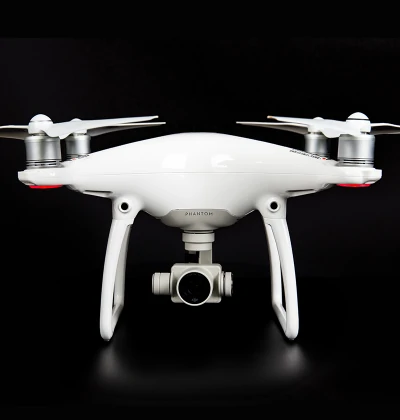

Aerospace & UAV
WJ Prototypes is your 3D manufacturing partner from prototype to large scale production.

Consumer Electronics
New Product Introduction Solutions for Consumer Electronics.

Robotics & Automation
Need some assistance bringing your robotic device or parts from the sketch-board to reality?

Medical Devices
The medical industry needs high quality, dependable and safe parts and products.

Automotive
New Product Introduction Solutions for Automotive

Industrial Machinery
The main purpose of industrial prototyping is to take the product from drawings into the real world.
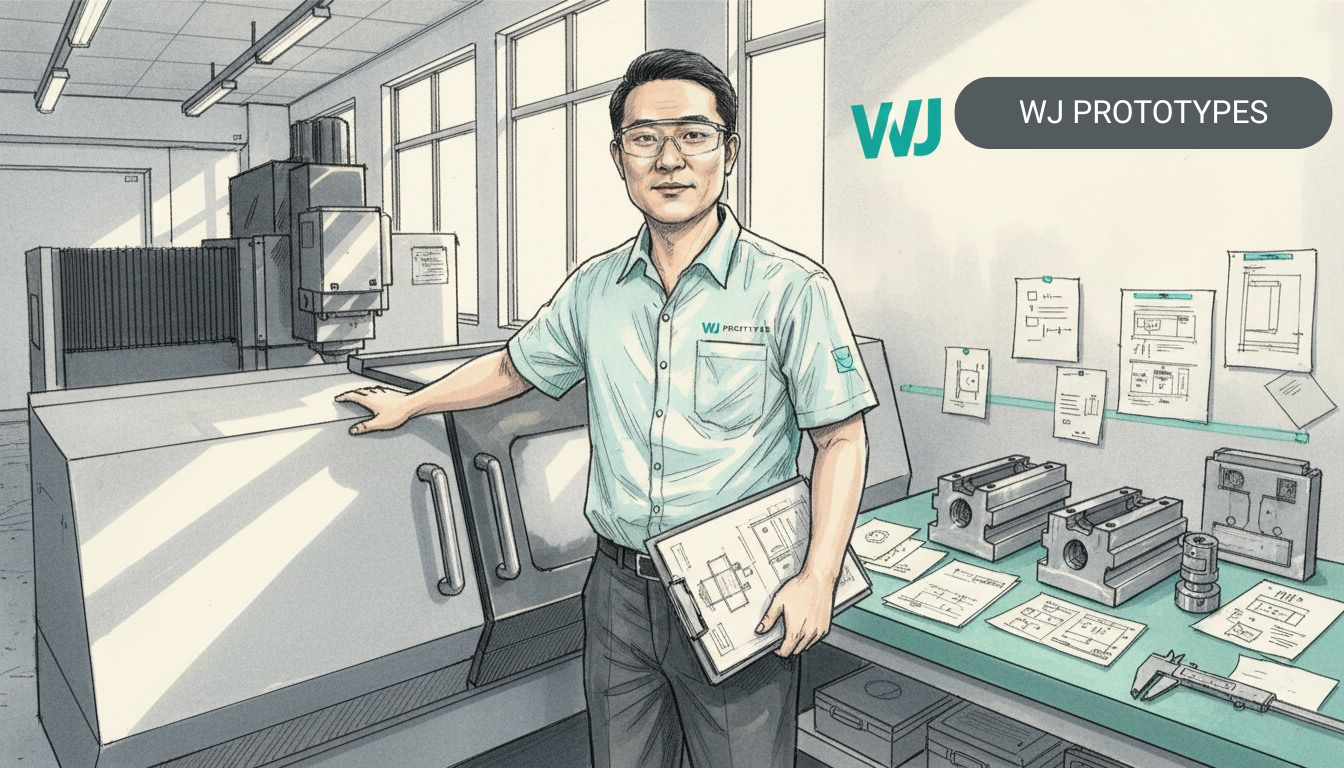
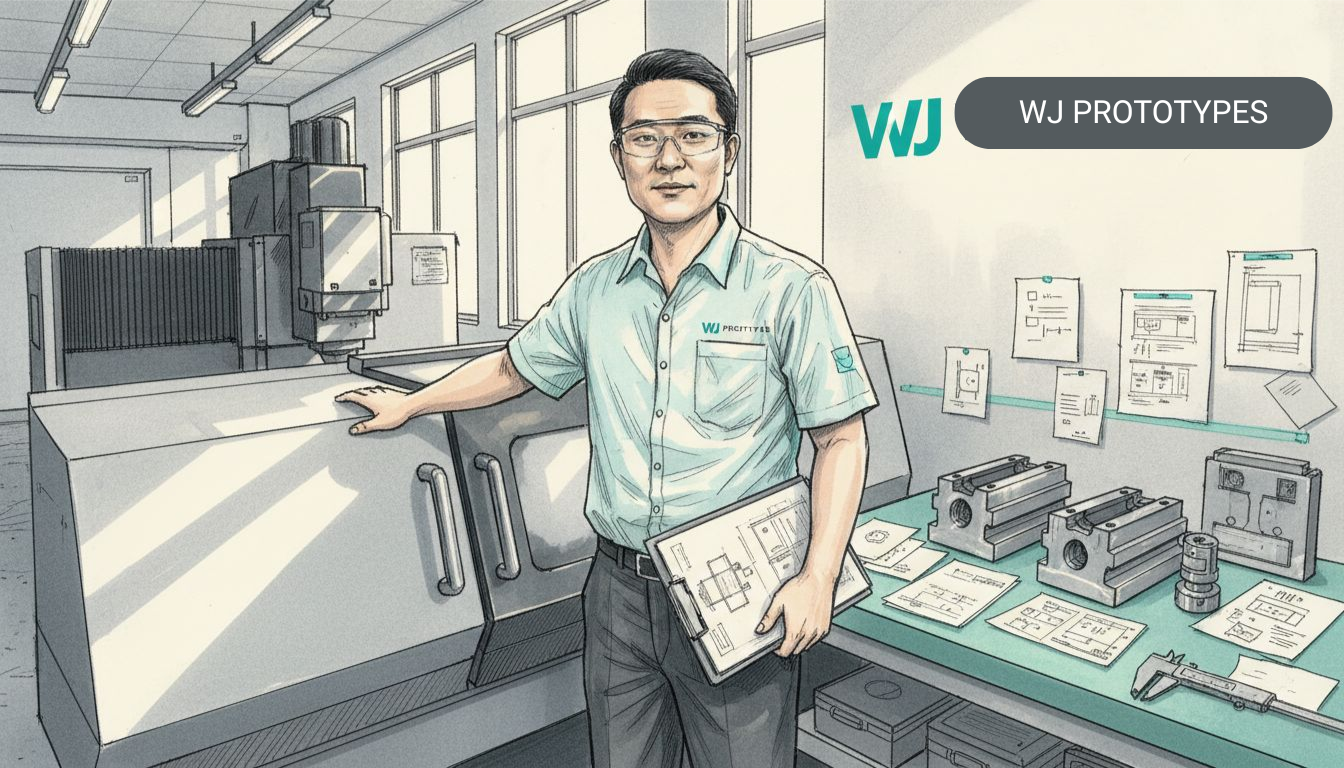
Quality assurance managers know even the smallest flaw can derail high-stakes aerospace or automotive projects. In CNC machining, the challenge is consistently producing parts that meet strict engineering requirements while managing real-time variables and complex multi-axis operations. Understanding the evolving landscape of quality control in CNC machining equips you with proven strategies, from automated measurement systems to AI-driven error compensation, ensuring both unmatched precision and dependable results in competitive manufacturing environments.
Explore competitive CNC Machining services with expert support from WJ Prototypes.
Whether you're comparing suppliers or looking to optimize costs, our team can help you evaluate the best option for your project.
👉 Request A Quote now or email us at info@wjprototypes.com to get started.
| Point | Details |
|---|---|
| Importance of Quality Control | Quality control in CNC machining ensures precision and consistency, transforming manufacturing into a scientifically controlled process. |
| Strategic Role in Manufacturing | Robust quality management strategies are essential for Chinese manufacturers to compete globally, focusing on reducing variability and enhancing customer confidence. |
| Advanced Inspection Technologies | Modern inspection technologies, including AI and automated systems, enable real-time monitoring and predictive maintenance to prevent defects before they occur. |
| Compliance with Standards | Adhering to international quality standards is crucial for establishing credibility and achieving competitive advantages in global markets. |
Quality control in CNC machining represents a sophisticated system of precision monitoring and process optimization that ensures manufactured components meet exact engineering specifications. At its core, quality control transforms manufacturing from an imprecise craft into a scientifically controlled production method.
The fundamental goal of quality control in CNC machining involves systematically preventing manufacturing defects through multiple strategic approaches. Advanced automation techniques enable manufacturers to implement comprehensive monitoring systems that track critical parameters in real-time:
Modern quality control strategies leverage sophisticated technologies that go far beyond traditional manual inspection methods. These include:
By integrating these advanced monitoring techniques, Chinese manufacturers can achieve unprecedented levels of precision and reliability in their machining processes. Precision engineering requires continuous adaptive optimization, allowing manufacturers to detect and correct potential deviations before they become systemic production issues.
Quality control is not about achieving perfection, but about creating consistent, predictable manufacturing processes that minimize variability.
Pro tip:Implement statistical process control techniques to track machine performance and detect potential drift before it impacts product quality.
Quality control represents a critical strategic imperative for Chinese manufacturers seeking to compete in the global precision manufacturing marketplace. Quality management strategies have transformed Chinese factories from low-cost producers to high-precision engineering centers capable of meeting rigorous international standards.
The strategic role of quality control extends far beyond simple defect prevention. Modern Chinese manufacturers understand that robust quality management serves as a competitive differentiator in complex global supply chains. Key strategic objectives include:
The evolution of quality control in Chinese manufacturing reflects a sophisticated understanding of industrial competitiveness. Manufacturers now integrate comprehensive quality management across three critical stages:
Manufacturing precision has become a national strategic priority, with Chinese factories investing heavily in advanced measurement technologies, statistical process control systems, and continuous improvement methodologies. This systematic approach allows manufacturers to consistently deliver high-quality products that meet or exceed global expectations.
Quality is not an expense. Quality is an investment that generates long-term competitive advantages and customer trust.
Pro tip:Develop a holistic quality management framework that integrates technological capabilities, human expertise, and continuous learning mechanisms.
CNC machining quality control relies on an advanced arsenal of automated measurement systems that transform traditional inspection processes into precise, real-time monitoring mechanisms. These sophisticated technologies enable manufacturers to detect and correct potential defects with unprecedented accuracy and speed.
The core inspection technologies deployed in modern Chinese manufacturing environments encompass a range of cutting-edge approaches:
The most sophisticated inspection processes integrate multiple technological layers to ensure comprehensive quality verification:
Geometric error measurement has become increasingly sophisticated, with emerging technologies like digital twin simulations enabling manufacturers to predict and compensate for potential machining variations before they occur. These advanced techniques dramatically reduce manual inspection requirements and enhance overall manufacturing precision.

Below is a summary of modern inspection technologies and their benefits in CNC machining:
| Technology Type | Main Advantage | Typical Application |
|---|---|---|
| Laser Interferometry | Nanometer-scale precision | Geometric error detection |
| Coordinate Measuring Machines (CMMs) | Highly accurate 3D measurement | Post-production validation |
| Computer Vision Systems | Fast defect identification | In-process real-time monitoring |
| AI-Powered Algorithms | Early anomaly prediction | Predictive maintenance |
Technological innovation in inspection processes transforms quality control from a reactive to a predictive manufacturing strategy.
Pro tip:Invest in cross-training inspection personnel on both traditional measurement techniques and advanced digital inspection technologies to maximize quality control effectiveness.
International standards compliance represents a critical competitive advantage for Chinese CNC machining manufacturers seeking to establish credibility in global markets. Rigorous adherence to international quality standards demonstrates a manufacturer's commitment to precision, reliability, and consistent performance across diverse industrial sectors.
The most prominent international quality certifications for CNC machining manufacturers include:
Comprehensive audit processes typically involve multiple layers of systematic evaluation:
Manufacturing documentation plays a crucial role in demonstrating compliance, requiring manufacturers to maintain meticulous records of production processes, quality control mechanisms, and continuous improvement initiatives. These comprehensive documentation systems provide transparent evidence of adherence to international quality benchmarks.
The following table compares common international quality standards for CNC machining:
| Standard | Primary Industry | Key Focus Area |
|---|---|---|
| ISO 9001:2015 | General Manufacturing | Quality management systems |
| AS9100D | Aerospace | Safety and reliability |
| IATF 16949 | Automotive | Process consistency |
| ISO 13485 | Medical Devices | Regulatory compliance |
| API Q1 | Oil and Gas | Risk and product reliability |
Compliance is not a destination, but a continuous journey of quality improvement and systematic excellence.
Pro tip:Develop a robust internal audit program that anticipates and addresses potential compliance gaps before external certification assessments.
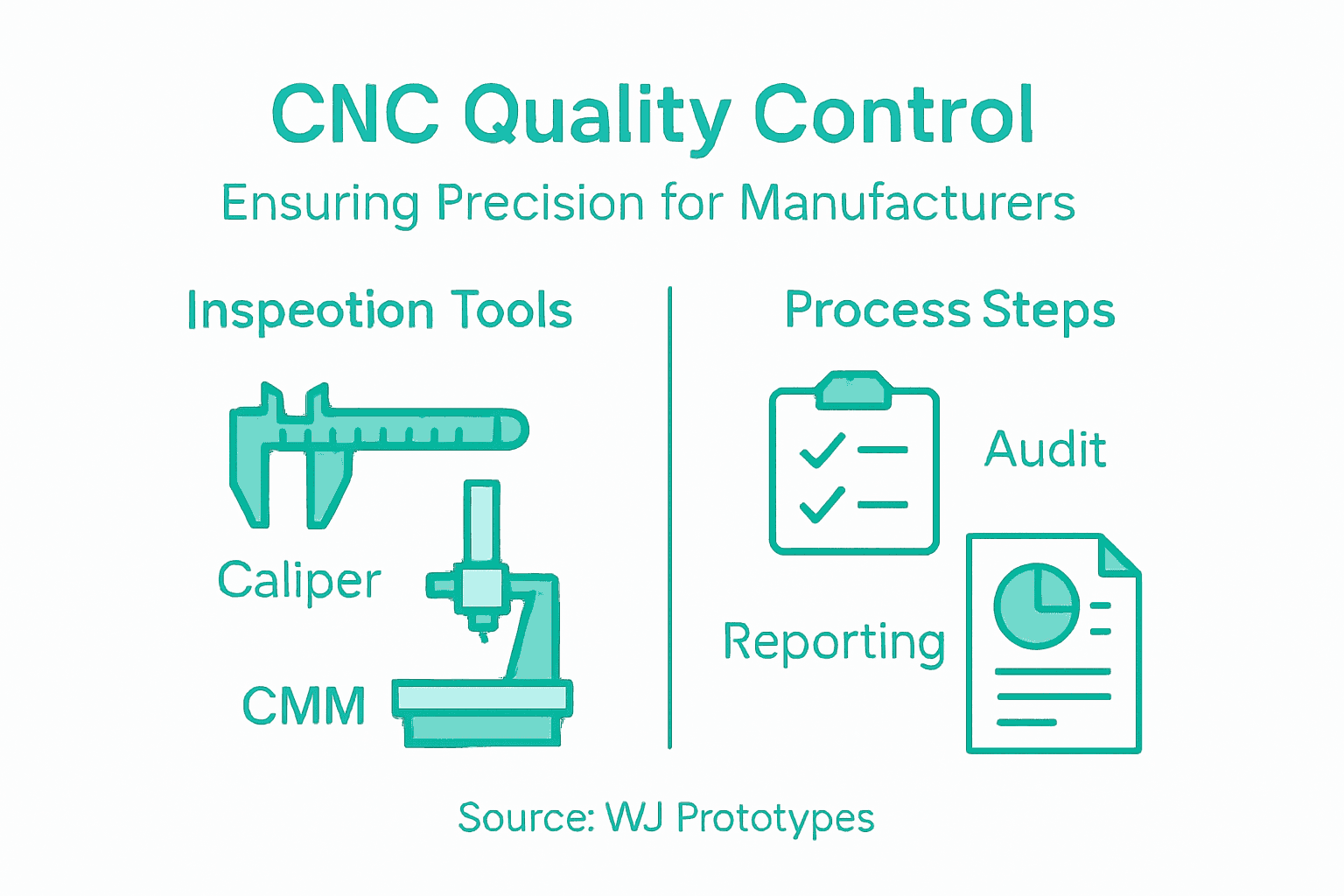
Small batch production challenges represent a critical complexity for CNC machining manufacturers, requiring sophisticated strategies to maintain consistent quality across diverse manufacturing scenarios. Understanding and proactively addressing these challenges becomes essential for sustaining competitive manufacturing capabilities.
The most prevalent challenges in CNC machining quality control include:
Common missteps that manufacturers frequently encounter involve:
Statistical process control becomes a critical methodology for addressing these challenges, enabling manufacturers to develop robust monitoring and correction mechanisms. By implementing comprehensive tracking and analysis systems, manufacturers can transform potential quality risks into opportunities for continuous improvement.
Effective quality management is about anticipating and preventing errors, not just detecting them after they occur.
Pro tip: Develop a systematic approach to tracking and analyzing process variations, using data-driven insights to implement proactive quality improvement strategies.
Ensuring precision and consistent quality in CNC machining is a complex challenge for many manufacturers, especially when managing tight dimensional tolerances and minimizing variability in small batch runs. This article highlights critical quality control strategies like real-time monitoring, statistical process control, and adherence to international standards that Chinese manufacturers must master to compete globally. If your goal is to overcome these common manufacturing pain points through advanced technologies and reliable process optimization, you need a partner who shares your commitment to meticulous quality management and rapid prototyping expertise.
At WJ Prototypes, we specialize in high-quality CNC machining paired with cutting-edge additive manufacturing services to support your precision engineering needs. Our ISO-certified facilities utilize proven quality control methods and innovative inspection technologies to deliver consistent performance across prototypes and small to medium production runs. Discover how our comprehensive manufacturing capabilities and deep industry expertise in aerospace, automotive, medical, and more can turn your quality challenges into competitive advantages. Start optimizing your production process today by visiting our main website and explore how we integrate rigorous quality assurance practices with fast turnaround times.
Take the first step toward manufacturing excellence by requesting a quote with WJ Prototypes to experience precise, reliable, and cost-effective CNC machining solutions designed to meet global standards.
Explore competitive CNC Machining services with expert support from WJ Prototypes.
Whether you're comparing suppliers or looking to optimize costs, our team can help you evaluate the best option for your project.
👉 Request A Quote now or email us at info@wjprototypes.com to get started.
Quality control in CNC machining is designed to prevent manufacturing defects and ensure that components meet precise engineering specifications through systematic monitoring and process optimization.
Common quality inspection technologies include laser interferometry sensors, computer vision systems, coordinate measuring machines (CMMs), and AI-powered algorithms for error detection.
Chinese manufacturers achieve compliance with international quality standards by thorough documentation, systematic audit processes, and adherence to certifications such as ISO 9001:2015 and AS9100D.
Challenges include inconsistent dimensional tolerances, variability in small production runs, complex multi-axis machining, and limited real-time error detection capabilities.
CNC Machining Instructions | Step-by-Step Guide to Sourcing from China
Chinese CNC Machining | Precision, Quality & Value
CNC Machining Provider in China - Improve Production Efficiency
ISO-Certified CNC Machining in China | Fast, Reliable Quotes
How to Manage a Production Factory Efficiently and Effectively
Explore competitive CNC Machining services with expert support from WJ Prototypes.
Whether you're comparing suppliers or looking to optimize costs, our team can help you evaluate the best option for your project.
👉 Request A Quote now or email us at info@wjprototypes.com to get started.
SERVICES
RESOURCES