



- Room 1807, Unit 9, Building 2, Shangxing Commercial Street, Shangde Road, Shangxing Community, Xinqiao Subdistrict, Bao'an District, Shenzhen City, China
CONTACT US

WhatsApp


Contact Us
Our team is on stand by, waiting toassist you.

Videos
A large collection of educational videos and tutorials.

About Us
Learn about our company, leadership, and mission totransform manufacturing.

Privacy Policy
Applies to all personal information collected through and/or processed in connection.
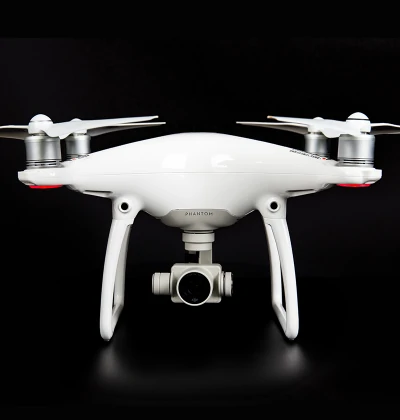

Aerospace & UAV
WJ Prototypes is your 3D manufacturing partner from prototype to large scale production.

Consumer Electronics
New Product Introduction Solutions for Consumer Electronics.

Robotics & Automation
Need some assistance bringing your robotic device or parts from the sketch-board to reality?

Medical Devices
The medical industry needs high quality, dependable and safe parts and products.

Automotive
New Product Introduction Solutions for Automotive

Industrial Machinery
The main purpose of industrial prototyping is to take the product from drawings into the real world.

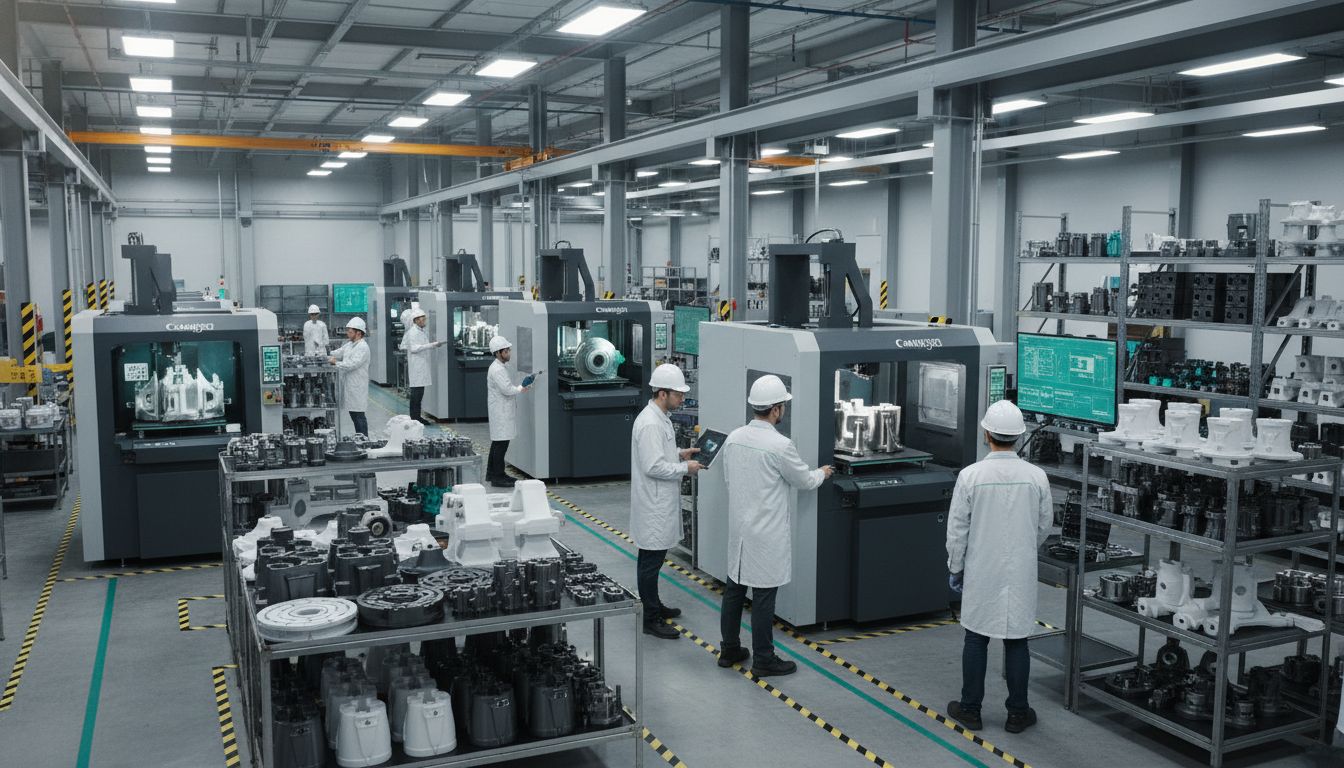
Over half of manufacturers exploring advanced production techniques still misunderstand the true capabilities of industrial 3D printing. This technology promises more than just creative design freedom, yet confusion about its actual strengths and limits remains common. Unpacking how real industrial 3D printing works, along with the main technologies, materials, and applications, helps professionals make smarter decisions and avoid costly mistakes in modern manufacturing.
| Point | Details |
|---|---|
| Understanding Industrial 3D Printing | Industrial 3D printing, or additive manufacturing, involves creating objects layer by layer and differs significantly from traditional manufacturing methods. It's crucial for engineers and designers to recognize its limitations and not assume it can universally replace conventional methods. |
| Variety of Technologies | The seven primary 3D printing technologies each offer distinct advantages, affecting material type and application suitability for various industries. Selecting the appropriate method is essential for achieving desired manufacturing outcomes. |
| Material Selection is Critical | Choosing the right materials based on mechanical properties, thermal resistance, and other factors is fundamental for successful 3D printing applications. Each material category serves different industrial needs and requirements. |
| Challenges in Adoption | Industrial 3D printing faces challenges such as high equipment costs and slower production speeds compared to traditional methods, which can affect its scalability and economic viability. Understanding these factors helps in making informed decisions about adoption. |
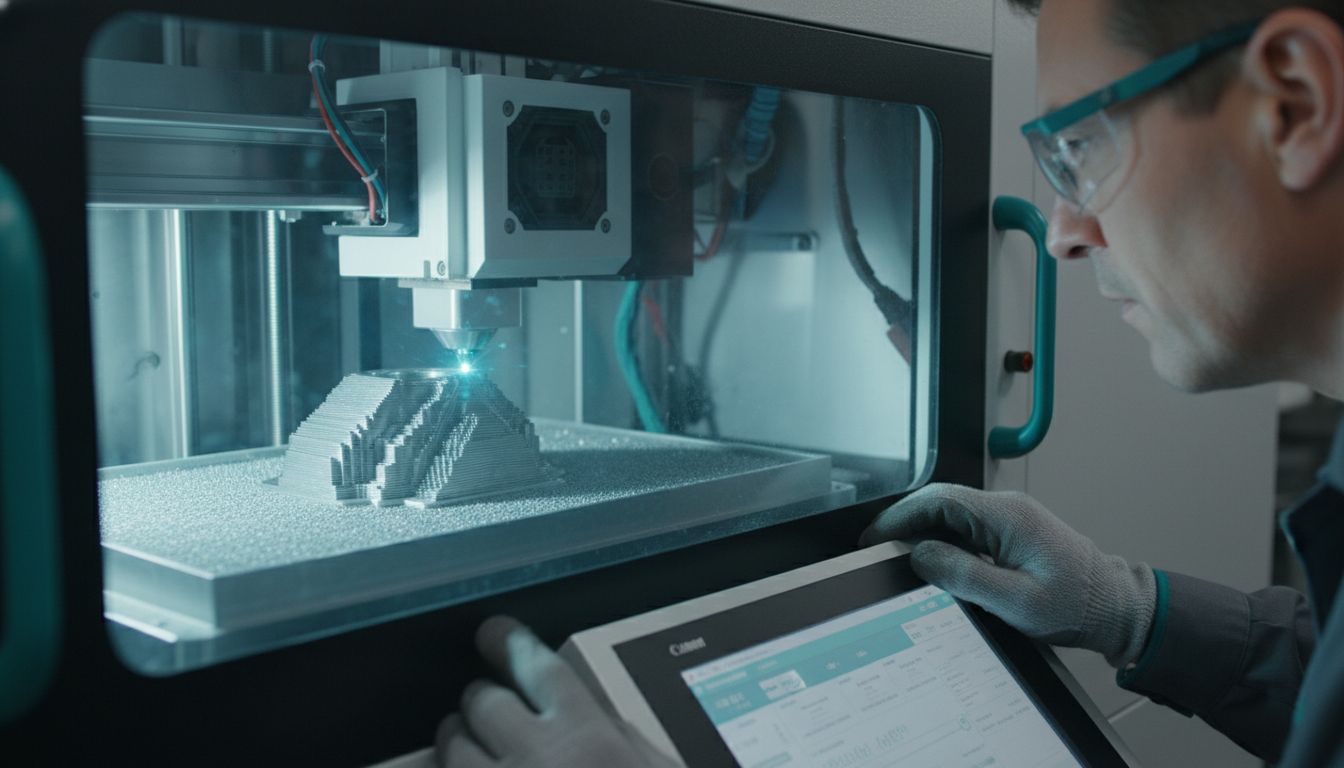
Industrial 3D printing, also known as additive manufacturing, represents a sophisticated manufacturing process that fundamentally transforms how complex objects are created. According to betterhealthcaretechnology, this technology involves generating three-dimensional objects by systematically adding material layer by layer, which dramatically contrasts with traditional subtractive manufacturing techniques.
The core characteristics of industrial 3D printing encompass several key technological approaches. As cs.rochester.edu highlights, these approaches include various fabrication technologies such as:
Despite its technological sophistication, industrial 3D printing suffers from persistent misconceptions. Many professionals mistakenly believe the technology can universally replace traditional manufacturing processes or assume it operates at lightning-fast speeds. In reality, the process requires careful design, material selection, and often extensive post-processing to achieve optimal results. Professionals must understand that while 3D printing offers remarkable design flexibility and customization potential, it is not a one-size-fits-all solution.
Understanding these nuances is crucial for engineers and designers considering industrial 3D printing. Learn more about the advantages and disadvantages of 3D printing to make informed decisions about when and how to implement this transformative manufacturing approach.
Industrial 3D printing encompasses a diverse range of sophisticated manufacturing technologies. According to betterhealthcaretechnology, there are seven primary classifications of 3D printing technologies that enable manufacturers to create complex objects across various materials and applications.
These seven primary technologies include:
As highlighted by cs.rochester.edu, each technology offers unique advantages. For instance, Fused Deposition Modeling (FDM) represents a popular extrusion method, while Stereolithography (SLA) excels in photo-polymerization, and Selective Laser Sintering (SLS) provides exceptional powder-bed precision.
Understanding these technologies is crucial for selecting the right approach.Learn more about 3D printing technologies in our comprehensive expert guide, which provides in-depth insights into how different methods can be applied across various industrial sectors.
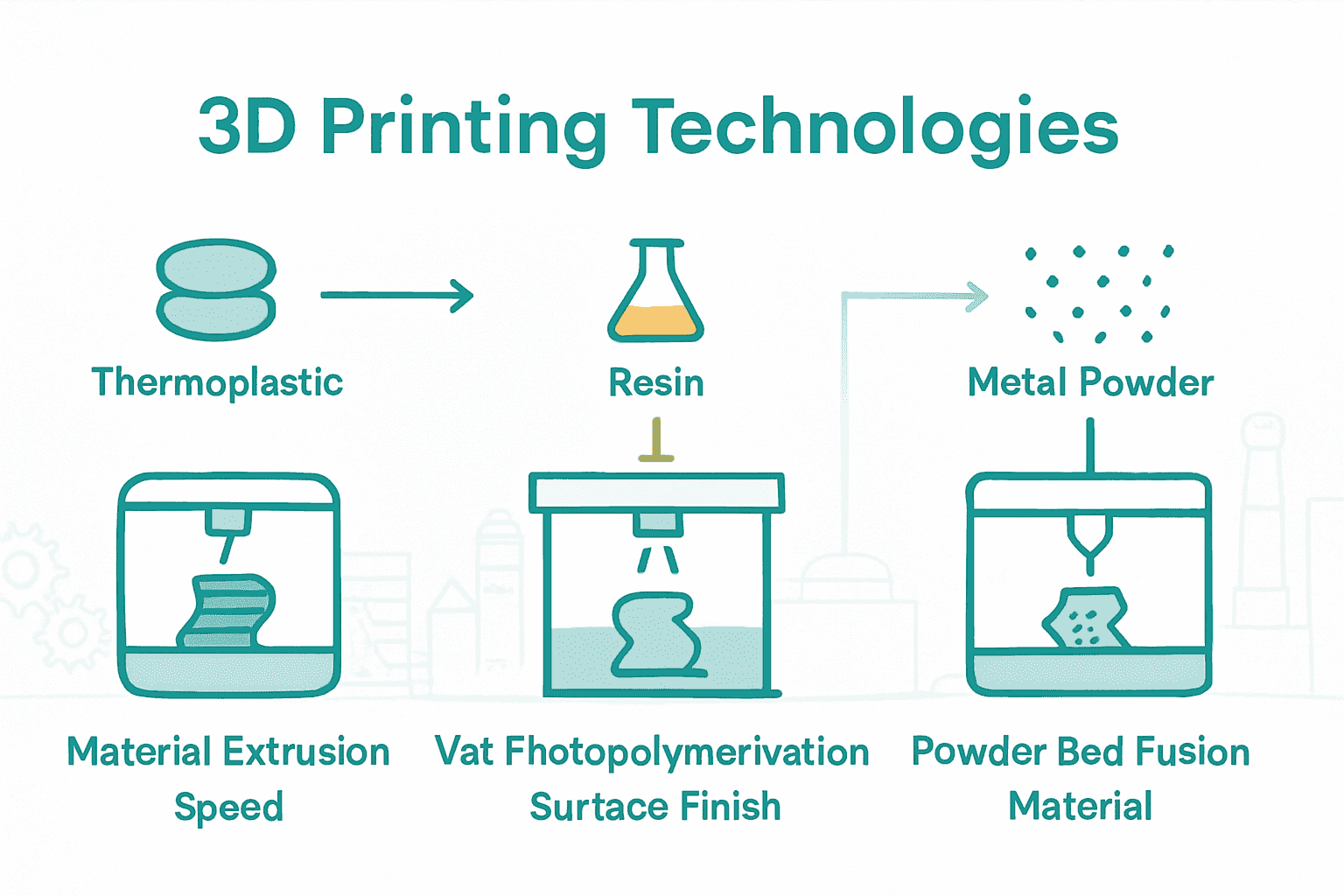
Industrial 3D printing technologies leverage a sophisticated array of materials with unique properties and applications. According to betterhealthcaretechnology, the primary material categories include thermoplastics, photopolymers, metals, and ceramics, each offering distinct characteristics for different manufacturing requirements.
The material selection process involves careful consideration of several critical factors:
As highlighted by cs.rochester.edu, specific material types demonstrate remarkable versatility. For instance, thermoplastics like PLA and ABS are popular in prototyping, while metal powders excel in creating complex, high-precision components for aerospace and medical applications. The process characteristics such as layer resolution, build speed, and material properties play a crucial role in determining the most suitable 3D printing method for specific industrial needs.
Learn more about multi-material printing techniques and their comparative costs to understand how advanced manufacturing technologies are revolutionizing product development across various sectors.
Industrial 3D printing is transforming manufacturing capabilities across multiple critical sectors. According to stc-mditr, the technology is creating revolutionary changes in aerospace, automotive, and healthcare industries by enabling unprecedented design flexibility and performance optimization.
As highlighted by betterhealthcaretechnology, the technology's ability to generate complex geometries and customized solutions is driving widespread adoption. In aerospace, manufacturers can now design components with intricate internal structures that reduce weight while maintaining structural integrity. Automotive engineers leverage 3D printing for developing lightweight parts that enhance fuel efficiency, and medical professionals can now create precisely tailored implants and prosthetic devices. Explore the global B2B demand for advanced 3D printed parts to understand how these innovative manufacturing techniques are reshaping industrial production landscapes.
Industrial 3D printing presents a complex landscape of technological innovation balanced against practical economic considerations. According to betterhealthcaretechnology, the technology offers remarkable design flexibility but simultaneously confronts significant challenges related to cost and manufacturing efficiency.
As highlighted by cs.rochester.edu, competitive alternatives like CNC machining and injection molding remain compelling options for manufacturers. These traditional methods often provide superior efficiency and material versatility, particularly for mass production scenarios where per-unit costs and rapid manufacturing are critical considerations. Discover market insights for precision metal parts manufacturing to understand how advanced manufacturing strategies can optimize your production approach across different technological platforms.
Understanding the complexities of industrial 3D printing, from selecting the right technology to balancing cost and material demands, can be overwhelming. You know that mastering processes like SLA, SLS, or DMLS is crucial for creating precision parts that truly meet your industry's needs. The challenges of equipment costs, production speed, and post-processing may feel like barriers to innovation.
At WJ Prototypes, we specialise in turning these challenges into opportunities with expert rapid prototyping and manufacturing solutions. Whether you need high-quality small batch production or advanced additive manufacturing combined with traditional methods such as CNC machining and injection molding, our ISO-certified team is ready to bring your designs to life with speed and precision. Discover how our comprehensive services can streamline your product development journey by visiting WJ Prototypes.
Are you ready to accelerate your industrial 3D printing projects? Explore our complete 3D printing guide and see how partnering with WJ Prototypes can give you a competitive edge. Get your instant quote today and experience unparalleled quality and fast turnaround tailored to your specific needs.
Industrial 3D printing, also known as additive manufacturing, is a process that creates three-dimensional objects by adding material layer by layer, in contrast to traditional subtractive manufacturing methods.
The main technologies include Material Extrusion, Vat Photopolymerization, Sheet Lamination, Directed Energy Deposition, Powder Bed Fusion, Material Jetting, and Binder Jetting, each offering unique advantages for different applications.
Common materials include thermoplastics, photopolymers, metals, and ceramics, each chosen based on their mechanical properties, thermal resistance, chemical compatibility, and cost-effectiveness.
Challenges include high equipment costs, limited material properties, slower production speeds compared to traditional methods, post-processing requirements, and issues related to economic scalability for large-volume production.
SERVICES
RESOURCES