



- Room 1807, Unit 9, Building 2, Shangxing Commercial Street, Shangde Road, Shangxing Community, Xinqiao Subdistrict, Bao'an District, Shenzhen City, China
CONTACT US

WhatsApp

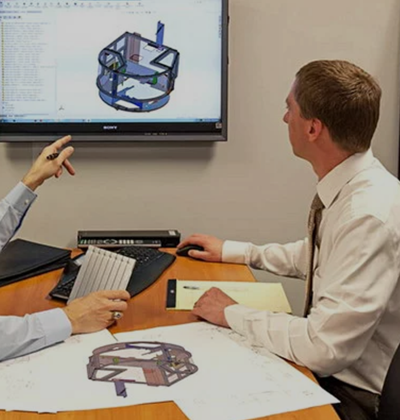

Contact Us
Our team is on stand by, waiting toassist you.

Videos
A large collection of educational videos and tutorials.

About Us
Learn about our company, leadership, and mission totransform manufacturing.

Privacy Policy
Applies to all personal information collected through and/or processed in connection.
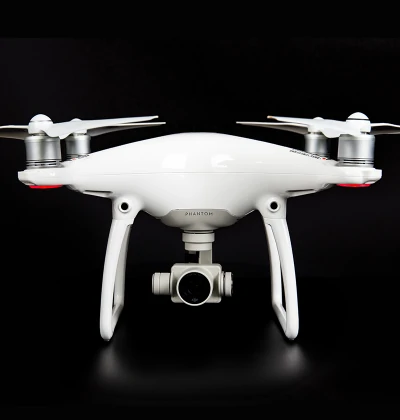

Aerospace & UAV
WJ Prototypes is your 3D manufacturing partner from prototype to large scale production.

Consumer Electronics
New Product Introduction Solutions for Consumer Electronics.

Robotics & Automation
Need some assistance bringing your robotic device or parts from the sketch-board to reality?

Medical Devices
The medical industry needs high quality, dependable and safe parts and products.

Automotive
New Product Introduction Solutions for Automotive

Industrial Machinery
The main purpose of industrial prototyping is to take the product from drawings into the real world.
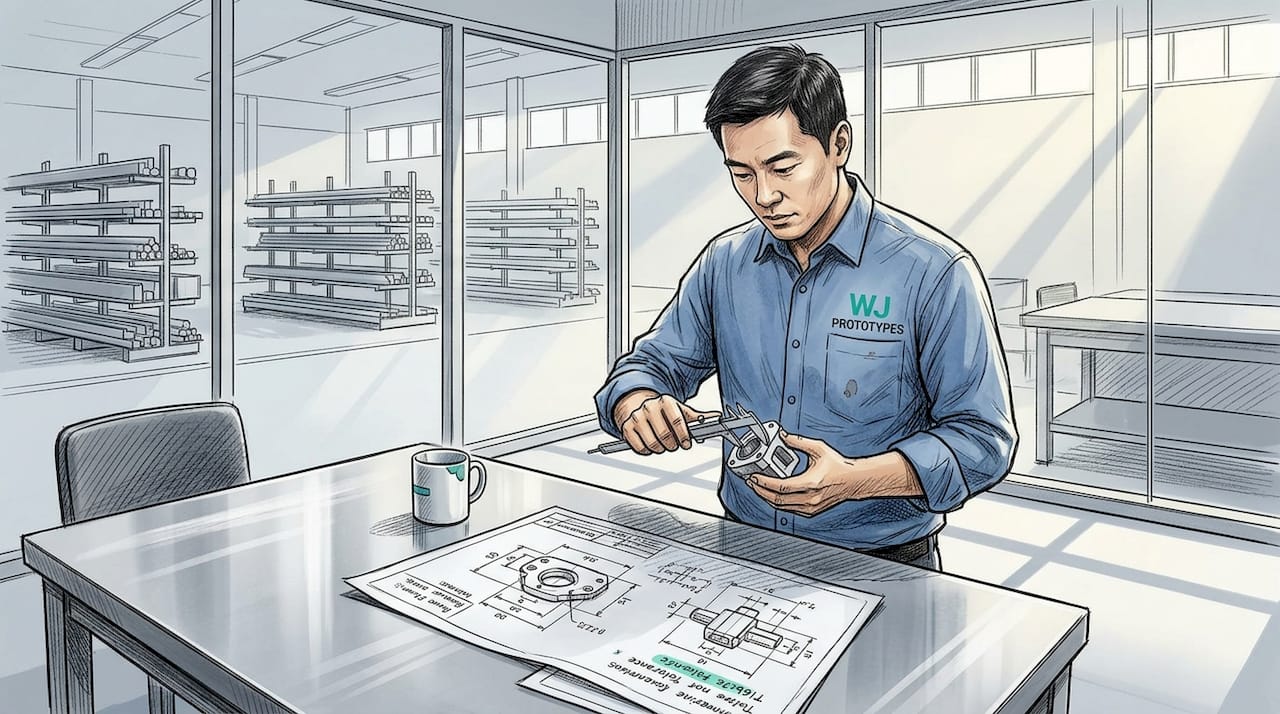

Many engineers assume online CNC machining platforms always deliver faster turnarounds and lower costs than direct manufacturers. This misconception can lead to suboptimal choices for rapid prototyping and low-volume production, especially in regulated sectors like aerospace, automotive, medical, and robotics. The reality is more nuanced. Both approaches offer distinct advantages depending on project requirements, compliance needs, and production stages. Understanding these differences helps you select the right CNC partner for your specific application, balancing cost efficiency with quality control and lead time expectations. This article clarifies the key factors influencing your decision between online CNC services and direct manufacturers.
| Point | Details |
|---|---|
| Quality standards | Both online and direct manufacturers meet stringent industry standards, but direct manufacturers offer easier process oversight and certified quality systems. |
| Cost differences | Online CNC machining costs 20-50% less but may have longer prototyping lead times depending on platform capacity. |
| Speed advantages | Direct manufacturers typically deliver faster turnarounds for prototypes with consistent quality through dedicated production lines. |
| Hybrid approach | Combining online CNC for early iterations and direct manufacturers for final production optimizes both cost efficiency and quality control. |
Engineers working in aerospace, medical, automotive, and robotics face strict compliance requirements that influence CNC machining choices. Both online CNC and direct manufacturers comply with regulated standards like AS9100 for aerospace, ISO13485 for medical devices, and IATF 16949 for automotive applications. The critical difference lies in process oversight and audit readiness. Direct manufacturers maintain certified quality management systems that simplify regulatory audits and provide comprehensive documentation trails. Online platforms rely on vetted supplier networks that meet these standards but may require additional verification steps.
Direct manufacturers offer dedicated quality control processes with in-house inspection capabilities and material traceability systems. This streamlined approach benefits projects requiring frequent design reviews and regulatory submissions. Online CNC services typically coordinate quality assurance across multiple partner facilities, which can introduce variability in documentation formats and inspection protocols. Both approaches maintain tolerances around ±0.005mm for precision components, meeting the demands of critical applications.
Material capabilities span both service models, with Ti-6Al-4V, PEEK, and Inconel available through online platforms and direct manufacturers alike. The distinction emerges in material certification and traceability documentation. Direct manufacturers provide comprehensive mill test reports and material certifications as standard practice, while online platforms may charge additional fees for detailed documentation. Aerospace CNC machining standards require this level of material verification for flight-critical components.
Several factors influence compliance outcomes in CNC machining partnerships:
Pro Tip: For highly regulated projects, request detailed quality control documentation early in the quoting process to avoid delays during production and ensure your CNC partner can meet specific certification requirements without additional lead time.
Certified manufacturing processes maintained by direct manufacturers provide streamlined audit trails and simplified regulatory compliance, reducing documentation overhead for engineers managing aerospace and medical device projects.
Pricing structures differ significantly between online CNC platforms and direct manufacturers, impacting budget planning for rapid prototyping and low-volume production. Online CNC machining offers 20-50% cost savings through automated quoting systems and distributed manufacturing capacity across partner networks. This cost advantage stems from reduced overhead and competitive pricing among platform suppliers. Direct manufacturers typically charge premium rates but deliver consistent quality through dedicated production lines and established processes.
Lead time expectations vary based on project complexity and production volume. Online platforms advertise instant quotes and fast turnarounds, but actual delivery times depend on partner availability and queue management across the network. Direct manufacturers provide more predictable CNC machining lead times through dedicated capacity allocation and established production scheduling. For prototype iterations requiring quick feedback cycles, this predictability often outweighs cost savings.
| Factor | Online CNC | Direct Manufacturer |
|---|---|---|
| Cost savings | 20-50% lower | Standard pricing |
| Lead time (prototype) | 7-14 days | 5-10 days |
| Lead time (production) | 10-21 days | 8-15 days |
| Quote speed | Instant automated | 24-48 hours |
| Quality consistency | Network dependent | Process certified |
The instant quoting advantage of online services accelerates initial project planning and budget approval. Engineers can upload CAD files and receive pricing within minutes, facilitating rapid design iterations and cost optimization. Direct manufacturers require human review for accurate quotes, typically responding within 24 to 48 hours. This delay allows for design for manufacturing feedback and material recommendations that may improve final part quality.
Evaluating total project costs requires looking beyond unit pricing:
Logistical considerations significantly impact effective lead times. Online platforms may ship from multiple locations, complicating delivery coordination for multi-component assemblies. Direct manufacturers consolidate shipments from a single facility, simplifying logistics and reducing transit time variability. Communication efficiency also affects project timelines, with direct manufacturers offering dedicated project managers versus online platforms relying on ticket-based support systems.
Custom CNC machining in China combines cost advantages with quality manufacturing infrastructure, but requires careful supplier selection and relationship management. Engineers must balance immediate cost savings against long-term partnership benefits like design support and production scalability.

Pro Tip: Factor in logistical and communication overheads when estimating total lead time, as coordination delays can offset the speed advantages advertised by either online platforms or direct manufacturers.
Project requirements dictate optimal CNC machining approaches. A hybrid approach using online CNC machining for prototyping and direct manufacturers for production balances cost efficiency and quality control throughout product development. Understanding when each model excels helps engineers optimize resource allocation and timeline management. Low-volume prototype runs benefit from online platform cost advantages, while production parts requiring consistent quality favor direct manufacturing relationships.
| Criteria | Online CNC Pros | Online CNC Cons | Direct Manufacturer Pros | Direct Manufacturer Cons |
|---|---|---|---|---|
| Cost | 20-50% savings | Variable quality | Predictable pricing | Higher unit costs |
| Lead time | Fast quotes | Network delays | Dedicated capacity | Longer quote time |
| Quality control | Automated systems | Less oversight | Certified processes | Requires relationship |
| Compliance | Network dependent | Audit complexity | Streamlined audits | Premium pricing |
| Communication | Ticket support | Limited interaction | Project managers | Time zone challenges |
Design for manufacturing tools integrated into online platforms provide immediate feedback on part manufacturability and cost optimization opportunities. Engineers can iterate designs quickly, receiving automated suggestions for feature modifications that reduce machining time and material waste. Direct manufacturers offer personalized DFM reviews through experienced engineers who understand industry-specific requirements and can recommend alternative approaches based on production capabilities.
Key questions guide CNC machining partner selection:
Prototype development phases suit online CNC platforms where cost control and design flexibility take priority over process certification. Engineers can test multiple design variations affordably, gathering performance data before committing to production tooling. Once designs stabilize and regulatory requirements solidify, transitioning to direct manufacturers ensures consistent quality and simplified compliance documentation.

Production runs requiring tight tolerances and material certifications benefit from direct manufacturer relationships. Established communication channels and dedicated project management reduce coordination overhead. Quality issues receive immediate attention through direct contact with production teams rather than platform intermediaries. This responsiveness proves valuable when addressing design changes or resolving manufacturing challenges mid-production.
CNC machining sourcing guidance helps engineers evaluate potential partners and establish effective working relationships. Due diligence includes reviewing quality certifications, requesting sample parts, and assessing communication responsiveness during initial quotes. Custom CNC machining options vary significantly across suppliers, making thorough evaluation essential for long-term success.
Pro Tip: Use online platforms for quick design iterations and cost optimization during early development, then shift to direct manufacturers to finalize production with strict quality standards and regulatory compliance requirements.
Material selection impacts part performance, regulatory compliance, and manufacturing costs across aerospace, medical, automotive, and robotics applications. Online CNC services and direct manufacturers both offer advanced materials like Ti-6Al-4V for aerospace components, PEEK for medical devices, and Inconel for high-temperature applications. The distinction lies in material availability, ordering minimums, and certification documentation. Direct manufacturers maintain larger material inventories with established supplier relationships, while online platforms coordinate material sourcing across partner networks.
High-performance materials require specialized machining capabilities and quality control processes. Titanium alloys demand rigid machine tools and controlled cutting parameters to prevent work hardening and tool wear. PEEK machining requires precise temperature control and sharp tooling to achieve smooth surface finishes without material degradation. Inconel presents extreme machining challenges due to work hardening characteristics and high cutting forces. Both online platforms and direct manufacturers invest in appropriate equipment, but direct manufacturers often provide more consistent results through dedicated material expertise.
Common materials and their typical applications include:
Material availability differs between service models. Online platforms source materials based on current orders, potentially extending lead times for specialty alloys or uncommon grades. Direct manufacturers stock frequently requested materials, enabling faster project starts for standard specifications. Minimum order quantities also vary, with online platforms accommodating single-part orders while direct manufacturers may require larger commitments for exotic materials.
Certification requirements for regulated industries demand comprehensive material documentation. Mill test reports verify chemical composition and mechanical properties, while material traceability links finished parts to original raw stock lots. Direct manufacturers provide this documentation as standard practice, maintaining relationships with certified material suppliers. Online platforms coordinate certification requests across partner networks, potentially incurring additional fees and lead time extensions.
CNC machining material options span metals, plastics, and composites suitable for diverse engineering applications. Material selection balances performance requirements against manufacturing constraints and cost considerations. Engineers must evaluate thermal properties, mechanical strength, chemical resistance, and regulatory compliance when specifying materials for CNC machining projects.
Surface finishing capabilities complement material selection, with options including anodizing, powder coating, electroplating, and passivation. Online platforms coordinate finishing operations through specialized subcontractors, while direct manufacturers often maintain in-house finishing capabilities. This integration reduces lead times and simplifies quality control for projects requiring specific surface treatments.
Pro Tip: Confirm material certification and traceability documentation availability for regulated projects during the quoting phase, as obtaining proper documentation after production can delay delivery and complicate regulatory submissions.
WJ Prototypes combines the cost efficiency of online CNC platforms with the quality assurance and compliance expertise of direct manufacturing. Our ISO-certified facility in China offers comprehensive CNC machining materials including aerospace-grade titanium, medical-grade PEEK, and high-performance engineering plastics. We maintain certified quality management systems meeting AS9100, ISO13485, and IATF 16949 requirements, simplifying regulatory compliance for your projects. Our experienced engineers provide design for manufacturing feedback and material recommendations throughout development.
From rapid prototyping through low-volume production, WJ Prototypes delivers consistent quality with predictable lead times. Our instant quoting system provides transparent pricing while dedicated project managers ensure clear communication and responsive support. We handle CNC machining in China with global delivery capabilities, combining manufacturing cost advantages with professional service standards. Additional capabilities like vacuum casting services complement CNC machining for complete product development support.
Online CNC machining can be reliable for aerospace prototypes if the platform network meets AS9100 standards and maintains required tolerances around ±0.005mm. Direct manufacturers often provide easier certification access and comprehensive audit trails for final aerospace parts requiring flight certification. Material traceability and process documentation prove more straightforward with direct manufacturers who maintain certified quality systems in-house rather than coordinating across supplier networks.
Project volume, required lead time, quality control needs, and regulatory compliance requirements are key decision factors. Online CNC suits low-volume, cost-sensitive prototyping where design iterations and budget constraints take priority. Direct manufacturers fit demanding production runs requiring consistent quality, certified processes, and simplified regulatory documentation. Consider communication preferences and timeline flexibility when evaluating custom CNC machining options, as coordination overhead impacts effective project lead times.
Direct manufacturers typically offer more comprehensive traceability and certified materials documentation as standard practice through established supplier relationships and in-house quality systems. Online platforms depend on the reliability of their vetted supplier networks for certification guarantees, potentially requiring additional coordination and fees. For regulated industries like aerospace and medical devices, direct manufacturers simplify the certification process through dedicated documentation systems and responsive audit support.
Many engineers successfully use hybrid approaches, leveraging online platforms for cost-effective prototype iterations then transitioning to direct manufacturers for production quality and compliance. Some direct manufacturers like WJ Prototypes offer competitive prototype pricing while maintaining production capabilities, eliminating the need to switch partners mid-project. Evaluate your total project lifecycle needs including design iteration frequency, regulatory requirements, and volume scaling plans when selecting a CNC machining partner for long-term collaboration.
SERVICES
RESOURCES