




- Room 1807, Unit 9, Building 2, Shangxing Commercial Street, Shangde Road, Shangxing Community, Xinqiao Subdistrict, Bao'an District, Shenzhen City, China
CONTACT US

WhatsApp


Contact Us
Our team is on stand by, waiting toassist you.

Videos
A large collection of educational videos and tutorials.

About Us
Learn about our company, leadership, and mission totransform manufacturing.

Privacy Policy
Applies to all personal information collected through and/or processed in connection.
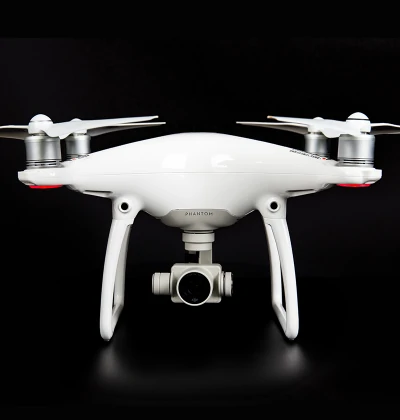

Aerospace & UAV
WJ Prototypes is your 3D manufacturing partner from prototype to large scale production.

Consumer Electronics
New Product Introduction Solutions for Consumer Electronics.

Robotics & Automation
Need some assistance bringing your robotic device or parts from the sketch-board to reality?

Medical Devices
The medical industry needs high quality, dependable and safe parts and products.

Automotive
New Product Introduction Solutions for Automotive

Industrial Machinery
The main purpose of industrial prototyping is to take the product from drawings into the real world.


Ordering CNC parts online seems straightforward until you encounter quality failures, IP breaches, or dimensional deviations that derail your project timeline and budget. Many engineers and procurement managers assume digital platforms guarantee precision and reliability, but the reality involves navigating supplier certifications, equipment capabilities, and quality control protocols that vary dramatically across manufacturers. This guide equips you with actionable strategies to vet suppliers, specify orders correctly, protect intellectual property, and implement quality assurance measures that ensure your CNC parts meet exacting standards from first article to final delivery.
| Point | Details |
|---|---|
| Verify supplier certifications | ISO 9001 and AS9100 certifications confirm suppliers follow quality management systems essential for aerospace and medical parts. |
| Conduct trial orders with FAI | Ordering 5-10 parts with first article inspection reveals real-world quality before committing to full production runs. |
| Demand DFM feedback early | Design for manufacturability input from suppliers optimizes part designs for production efficiency and cost reduction. |
| Protect IP with formal agreements | Non-disclosure agreements and secure data transfer prevent unauthorized use of proprietary designs. |
| Match equipment to part complexity | Confirm suppliers have 3-axis or 5-axis CNC machines appropriate for your tolerance and geometry requirements. |
Thorough supplier evaluation prevents costly mistakes that surface only after production begins. Supplier vetting should prioritize ISO 9001/AS9100 certifications, DFM feedback, and equipment capabilities to ensure manufacturers meet industry-specific quality standards. ISO 9001 certification demonstrates a supplier maintains consistent quality management practices across all production stages, while AS9100 adds aerospace-specific requirements for traceability and documentation that medical device and aviation component manufacturers demand.
Machine capability directly impacts what your supplier can produce reliably. A 3-axis CNC machine handles simpler geometries and standard tolerances efficiently, but complex parts with undercuts, angled features, or tight tolerances below 0.001 inches require 5-axis machining centers. Request detailed equipment lists showing machine models, measurement tools like coordinate measuring machines, and production capacity to verify a supplier can handle your part specifications without subcontracting work to unknown facilities.
Design for manufacturability feedback separates professional suppliers from order takers. Quality manufacturers review your CAD files and identify features that increase production time, require special tooling, or risk dimensional instability during machining. This consultation phase optimizes designs for cost-effective production while maintaining functional requirements. Suppliers offering ISO-certified CNC machining typically provide comprehensive DFM analysis as standard practice.
Trial orders validate supplier capabilities before large commitments. Ordering 5-10 parts allows you to evaluate dimensional accuracy, surface finish quality, material properties, and delivery timelines under real production conditions. This approach reveals whether suppliers follow specifications precisely or take shortcuts that compromise part integrity.
Pro Tip: Reject suppliers who provide vague quotations without itemized costs, delivery schedules, or quality metrics, and refuse to sign intellectual property protection agreements before reviewing your designs.
“First article inspection on trial batches catches manufacturing process issues that would otherwise propagate through entire production runs, saving both time and material costs while protecting project schedules.”
Key vetting criteria include:
Establishing these baseline requirements before placing orders eliminates suppliers lacking the technical capacity or quality commitment your projects demand. Understanding CNC machining instructions for sourcing helps structure supplier evaluations systematically.
First Article Inspection verifies initial production samples meet all design specifications before authorizing full production runs. This quality gate prevents propagating manufacturing errors across entire order quantities. Trial orders with FAI of 5-10 parts confirm suppliers interpret drawings correctly, select appropriate tooling, and achieve required dimensional accuracy consistently.
The FAI process involves comprehensive measurement of critical dimensions, verification of material certifications, surface finish assessment, and functional testing when applicable. Suppliers document measurements for every specified dimension, note any deviations from nominal values, and provide material test reports confirming chemical composition and mechanical properties match requirements. This documentation creates a quality baseline for subsequent production batches.
Coordinate measuring machines provide precision dimensional verification essential for aerospace and medical components. CMM inspection measures part geometry in three-dimensional space with accuracy to 0.0001 inches, detecting subtle deviations invisible to manual measurement methods. Parts requiring tight tolerances, complex contours, or precise hole locations benefit from CMM verification during FAI and periodic production audits.

Ongoing quality control maintains standards throughout production cycles. Effective programs include in-process inspections at critical manufacturing stages, statistical process control monitoring key dimensions, and final inspections before shipping. Suppliers should provide inspection reports documenting measurements, identifying trends toward specification limits, and implementing corrective actions when processes drift.
Implementing systematic quality verification:
These steps create accountability and transparency throughout the manufacturing relationship. Suppliers committed to quality control in CNC manufacturing embrace rigorous inspection protocols as competitive advantages rather than burdens.
“Coordinate measuring machine verification during first article inspection identifies dimensional issues early, when correcting tooling or fixturing costs far less than scrapping entire production batches later.”
Batch inspection frequency depends on part complexity, tolerance requirements, and production volume. High-precision components warrant 100% inspection of critical features, while standard parts may use sampling plans inspecting representative units from each production lot. Define inspection frequency and acceptance criteria clearly in purchase orders to prevent disputes about quality standards.
Maintaining quality records enables traceability and continuous improvement. Request copies of inspection reports, material certifications, and process control charts for your orders. This documentation supports internal quality systems, provides evidence for regulatory compliance, and identifies improvement opportunities in design or manufacturing processes. Custom CNC machining projects particularly benefit from detailed quality documentation supporting design iterations.
Design for manufacturability optimization reduces production costs while improving part quality and reliability. DFM analysis identifies design features that complicate machining, increase cycle times, or require expensive tooling. Suppliers with deep manufacturing expertise recommend modifications like adjusting corner radii, repositioning holes for easier tool access, or changing wall thicknesses to improve rigidity without adding material costs.

Effective DFM collaboration requires sharing detailed design intent with suppliers. Explain functional requirements, critical dimensions affecting assembly or performance, and features with tolerance flexibility. This context helps suppliers propose meaningful improvements rather than generic cost-cutting suggestions that compromise part function. Manufacturers experienced in precision CNC machining balance manufacturability with engineering requirements skillfully.
Intellectual property protection becomes critical when sharing proprietary designs with online suppliers. Avoid suppliers that provide vague quotes or lack intellectual property protection agreements since these red flags indicate inadequate safeguards for confidential information. Unprotected designs risk unauthorized reproduction, reverse engineering, or disclosure to competitors.
Comprehensive IP protection strategies include:
Non-disclosure agreements establish legal obligations protecting confidential information. Effective NDAs define what constitutes confidential information, specify permitted uses, set disclosure restrictions, and establish liability for breaches. Insist suppliers sign NDAs before uploading CAD files, drawings, or specifications to quoting platforms.
Secure data transmission prevents interception during file transfers. Use encrypted upload portals, secure FTP sites, or encrypted email rather than sending designs through unsecured channels. Verify suppliers maintain cybersecurity protocols protecting stored customer data from unauthorized access or breaches.
Pro Tip: Immediately disqualify suppliers who hesitate to sign IP protection agreements, provide unclear contract terms regarding design ownership, or request more technical information than necessary for accurate quoting.
Balancing DFM collaboration with IP protection requires strategic information sharing. Provide sufficient detail for suppliers to evaluate manufacturability and generate accurate quotes, but withhold proprietary information about materials formulations, assembly methods, or application-specific performance requirements until formal agreements protect disclosure. Working with established CNC machining providers with proven confidentiality track records reduces IP risks significantly.
Document all design communications and agreements. Maintain records of NDAs, file transfer logs, DFM recommendations, and design revision approvals. This documentation supports IP enforcement if disputes arise and demonstrates due diligence protecting proprietary information.
Industry-specific requirements demand tailored supplier selection criteria and ordering approaches. Aerospace components require extensive documentation, tight tolerances, and AS9100 certification. Automotive parts prioritize high volume capability, cost efficiency, and repeatability. Medical devices need biocompatible materials, cleanroom manufacturing, and FDA-compliant quality systems. Robotics applications demand complex geometries, precision assembly features, and rapid prototyping capability.
| Industry | Tolerance Requirements | Key Certifications | Typical Order Volume | Machine Complexity |
|---|---|---|---|---|
| Aerospace | ±0.0005 to ±0.002 inches | AS9100, NADCAP | 10-500 units | 5-axis CNC, CMM inspection |
| Automotive | ±0.005 to ±0.010 inches | IATF 16949, ISO 9001 | 500-10,000 units | 3-axis CNC, automated cells |
| Medical | ±0.001 to ±0.005 inches | ISO 13485, FDA registration | 50-1,000 units | 5-axis CNC, cleanroom capability |
| Robotics | ±0.001 to ±0.005 inches | ISO 9001 | 20-200 units | 5-axis CNC, complex geometry |
Supplier evaluation factors vary by industry priorities:
Pro Tip: Evaluating equipment capabilities and certifications tailored to industry needs ensures supplier manufacturing capacity aligns with your part complexity, tolerance requirements, and volume expectations before committing to orders.
Trial order strategies differ across industries based on risk tolerance and validation requirements. Aerospace projects typically start with 5-10 first articles undergoing extensive dimensional inspection, material testing, and documentation review before production authorization. Automotive suppliers may request 50-100 piece pilot runs validating high-volume manufacturing processes and tooling durability. Medical device manufacturers often conduct 10-25 piece validation batches supporting design verification and regulatory submissions.
Scaling from prototyping to production requires planning for manufacturing process transitions. Prototype suppliers excel at quick turnarounds and design iterations but may lack capacity or cost structure for volume production. Identify production-capable suppliers early and involve them in DFM reviews during prototype phases. This approach smooths transitions and prevents redesigns when moving to volume manufacturing.
Communication protocols and documentation standards must match industry requirements. Aerospace suppliers expect detailed inspection reports, material certifications, and process control documentation for every shipment. Automotive manufacturers require PPAP submissions, control plans, and capability studies. Medical device suppliers provide device history records, validation protocols, and change control documentation. Clarify documentation expectations in purchase orders to ensure suppliers provide required records.
Understanding precision CNC machining capabilities and available CNC machining materials helps match supplier technical capacity to specific project requirements across industries.
WJ Prototypes delivers comprehensive CNC machining services backed by ISO certification, advanced equipment, and industry expertise serving aerospace, automotive, medical, and robotics sectors. Our manufacturing capabilities span 3-axis and 5-axis CNC machining, providing flexibility for simple geometries through complex contoured parts requiring tight tolerances. Engineers benefit from direct access to experienced manufacturing specialists who provide detailed DFM feedback optimizing designs for production efficiency while maintaining functional requirements.
Our material selection includes aluminum alloys, stainless steels, titanium, engineering plastics, and specialty metals supporting diverse application requirements. Explore our complete CNC machining materials catalog to identify optimal materials for your specifications. We also offer complementary services like die casting for high-volume metal parts.
Streamlined online quoting accelerates procurement cycles from design upload to delivery. Upload CAD files, receive detailed quotes within hours, and track orders through production and shipping. Our quality assurance protocols include first article inspection, in-process verification, and final inspection documentation providing full traceability. Discover how our CNC machining services in China combine quality, speed, and cost-effectiveness for your next project.
First article inspection tests and measures initial production samples to verify parts meet all design specifications before authorizing full production runs. FAI identifies manufacturing process issues, tooling problems, or interpretation errors early when corrections cost far less than scrapping entire production batches. This quality gate provides confidence that suppliers can produce parts consistently to required standards.
Use non-disclosure agreements before sharing any technical documentation, transmit files through encrypted secure channels, and verify supplier reputation through industry references. Avoid suppliers who hesitate to sign IP protection agreements or provide vague contract terms regarding design confidentiality. Limit information sharing to only what suppliers need for accurate quoting and production.
A comprehensive equipment list details machine types including 3-axis and 5-axis CNC centers, measurement tools like coordinate measuring machines, and production capacity indicators. It should specify machine models, working envelopes, spindle speeds, and tolerance capabilities. This information confirms suppliers have appropriate equipment to manufacture your parts without subcontracting to unknown facilities.
ISO 9001 certification ensures suppliers maintain consistent quality management systems reducing defects through documented processes and continuous improvement. AS9100 extends ISO 9001 with aerospace-specific requirements covering configuration management, traceability, and risk management essential for aviation safety and regulatory compliance. These certifications demonstrate suppliers meet industry quality standards systematically rather than inconsistently.
SERVICES
RESOURCES