



- Room 1807, Unit 9, Building 2, Shangxing Commercial Street, Shangde Road, Shangxing Community, Xinqiao Subdistrict, Bao'an District, Shenzhen City, China
CONTACT US

WhatsApp


Contact Us
Our team is on stand by, waiting toassist you.

Videos
A large collection of educational videos and tutorials.

About Us
Learn about our company, leadership, and mission totransform manufacturing.

Privacy Policy
Applies to all personal information collected through and/or processed in connection.

Aerospace & UAV
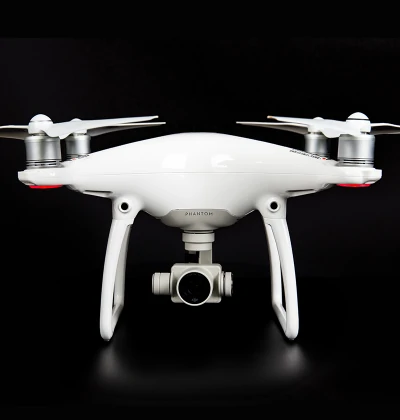
WJ Prototypes is your 3D manufacturing partner from prototype to large scale production.

Consumer Electronics
New Product Introduction Solutions for Consumer Electronics.

Robotics & Automation
Need some assistance bringing your robotic device or parts from the sketch-board to reality?

Medical Devices
The medical industry needs high quality, dependable and safe parts and products.

Automotive
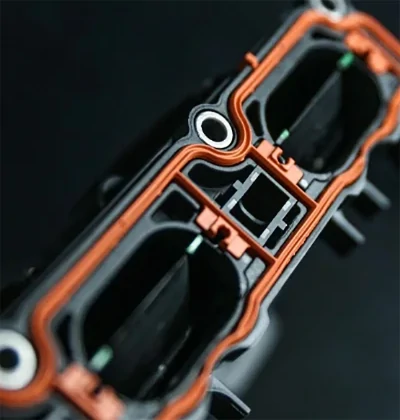
New Product Introduction Solutions for Automotive

Industrial Machinery
The main purpose of industrial prototyping is to take the product from drawings into the real world.
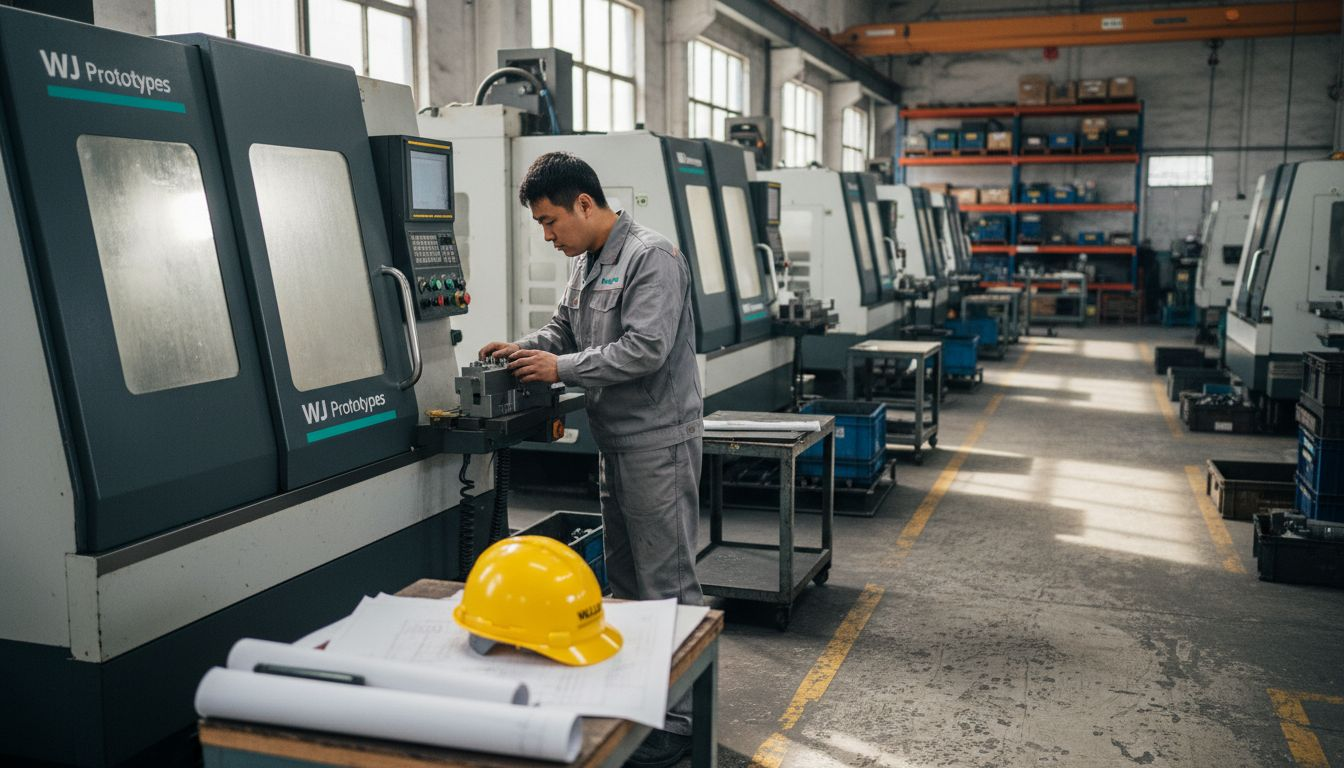

Most british manufacturers aim for tolerances as precise as ±0.0001 inches with every machined component. For sectors like aerospace and medical devices, achieving such microscopic accuracy is not just impressive, it is absolutely critical. The world of precision machining shapes our daily technology and national industries, powering innovations from advanced robots to quantum computers. Understanding these principles will help you see how advanced techniques transform simple materials into the backbone of modern British engineering.
| Point | Details |
|---|---|
| Precision Machining Techniques | Key methods include CNC machining, Swiss machining, and multi-axis machining, each offering unique advantages for different applications in high-performance industries. |
| Ultra-Precision Machining | This is crucial for industries like aerospace and semiconductor, utilising specialised techniques that achieve tolerances down to nanometres. |
| Global Competitive Landscape | Manufacturing providers vary significantly across regions; China excels in cost-effectiveness, Europe focuses on precision, and North America prioritises advanced integration and custom solutions. |
| Considerations for Engineers | Clearly communicate tolerances and factor in environmental conditions when selecting precision machining technologies to ensure optimal performance and efficiency. |
Precision machining represents an advanced manufacturing approach that transforms raw materials into highly accurate, intricate components with exceptional geometric tolerances. At its core, this process involves sophisticated techniques designed to create parts with microscopic levels of accuracy far beyond traditional manufacturing methods.
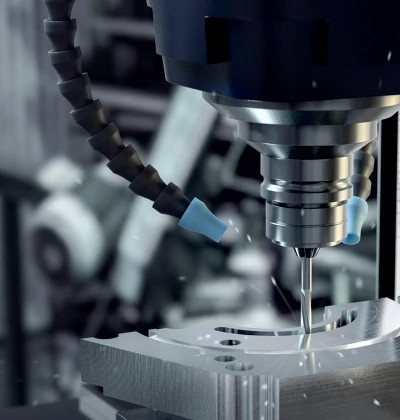
Precision machining encompasses multiple sophisticated technologies, including CNC milling, Swiss machining, and multi-axis machining techniques. These advanced methodologies enable manufacturers to produce complex components with extremely tight dimensional specifications, typically ranging from micrometre to sub-micrometre levels of precision. Each technique offers unique advantages: CNC milling provides exceptional versatility, Swiss machining delivers incredible small-part accuracy, and multi-axis machining allows for incredibly complex geometrical transformations.
Ultra-precision machining represents the pinnacle of manufacturing accuracy, utilising specialised techniques like diamond turning and ultra-precise grinding processes. These cutting-edge methods achieve extraordinary tolerances required by high-performance industries such as aerospace, semiconductor, and optical engineering. The fundamental principles driving precision machining include minimising material deviation, controlling thermal expansion, implementing advanced cutting geometries, and maintaining extraordinary mechanical stability throughout the manufacturing process.
Pro Tip for Engineers: When specifying precision machined components, always communicate tolerances explicitly and consider environmental factors like temperature and vibration that might impact dimensional accuracy.
Key characteristics of precision machining include:
Precision machining technologies represent a sophisticated array of manufacturing techniques designed to create components with extraordinary geometric accuracy and exceptional surface quality. These advanced methodologies enable engineers and manufacturers to transform raw materials into intricate parts with microscopic-level precision, addressing the increasingly complex demands of high-performance industries.
Ultra-precision machining techniques encompass multiple sophisticated approaches, each tailored to specific manufacturing requirements. The primary categories include:
Precision grinding techniques further extend manufacturing capabilities by enabling extraordinary surface refinement and dimensional control. These methods include cylindrical grinding, surface grinding, and centreless grinding, each offering unique advantages for different material types and component geometries.
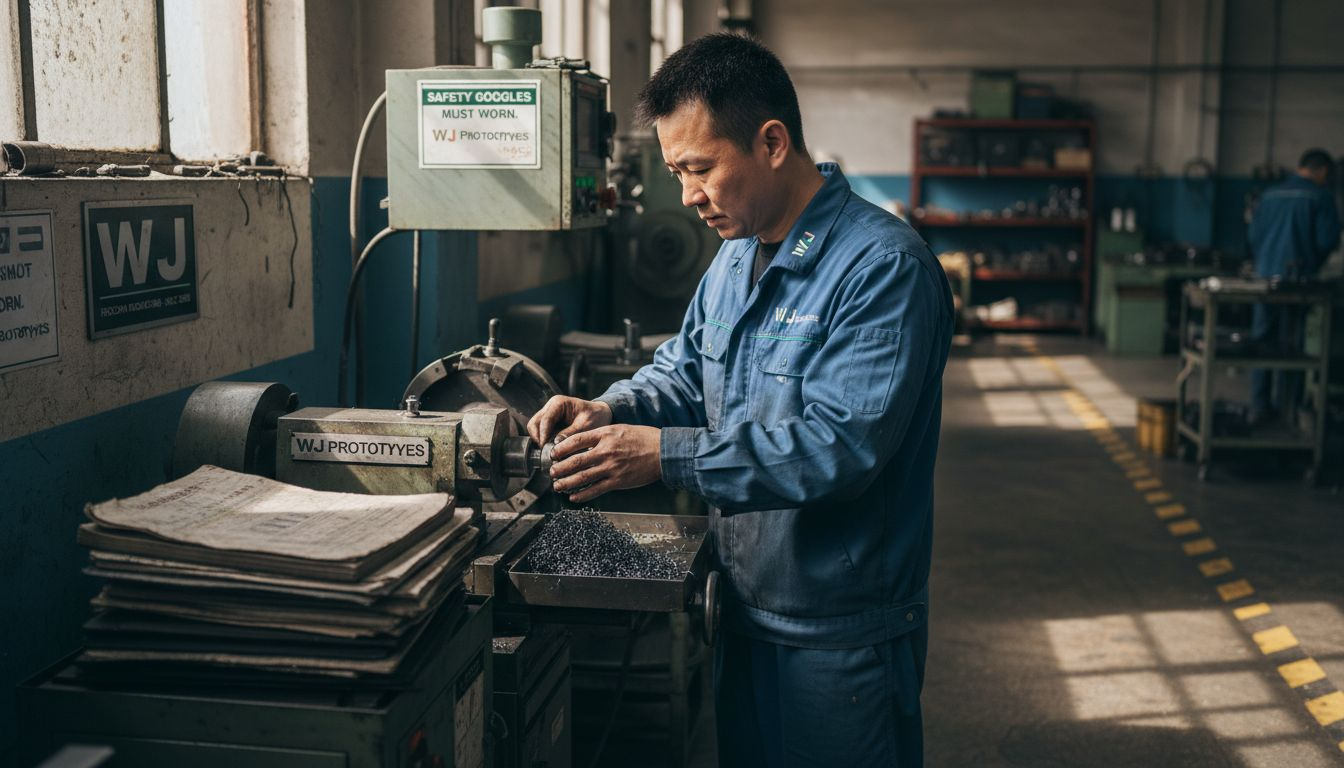
Pro Tip for Manufacturing Engineers: Always select machining technologies based on specific component requirements, material characteristics, and desired tolerance levels to optimise production efficiency and quality.
Here is a summary of how key precision machining technologies stack up for typical industrial demands:
| Technology | Geometric Complexity | Typical Surface Finish | Common Industry Uses |
|---|---|---|---|
| CNC Machining | High | 0.4–1.6 micrometres | Aerospace, automotive, general engineering |
| Swiss Machining | Moderate | 0.2–0.8 micrometres | Medical, microelectronics |
| Multi-Axis Machining | Very High | 0.3–1.0 micrometres | Aerospace, robotics |
| Diamond Turning | Extreme | 0.01–0.1 micrometres | Optics, semiconductor |
Precision machining technologies have revolutionised manufacturing across multiple high-performance industries, enabling the creation of increasingly complex and sophisticated components with extraordinary accuracy. Ultra-precision machining techniques are transforming critical sectors like aerospace and automotive manufacturing, pushing the boundaries of engineering capabilities and technological innovation.
In the aerospace industry, precision machining plays a pivotal role in producing mission-critical components that demand exceptional reliability and microscopic tolerances. Aircraft engine parts, navigation systems, and structural elements require intricate geometries and material performance that can withstand extreme environmental conditions. Key aerospace applications include:
The automotive sector equally relies on precision machining for developing high-performance vehicle components. Modern automotive engineering demands lightweight, durable parts with complex internal structures that traditional manufacturing methods cannot achieve. Critical automotive applications encompass:
Engine block and cylinder head machining
Transmission component fabrication
Precision brake system parts
Advanced lightweight structural elements
Beyond aerospace and automotive, precision machining has expanded into numerous sophisticated domains such as medical device manufacturing, robotics, semiconductor production, and quantum computing equipment. These industries require components with nanometre-level tolerances and extraordinary surface finishes that push technological boundaries.
Pro Tip for Manufacturing Specialists: Always consider material compatibility, environmental constraints, and performance requirements when selecting precision machining technologies for specialised industrial applications.
Precision manufacturing in China represents a sophisticated technological ecosystem characterised by strategic investments, advanced technological infrastructure, and a comprehensive industrial approach to high-performance engineering. Ultra-precision machining techniques have positioned China as a global leader in advanced manufacturing capabilities, transforming the country’s industrial landscape through innovative technological integration.
China’s competitive advantages in precision manufacturing stem from several critical factors:
The strategic approach to precision manufacturing involves continuous technological refinement, aggressive skill development, and a systematic commitment to quality improvement. Chinese manufacturers have successfully developed capabilities that combine advanced technological infrastructure with sophisticated engineering expertise, enabling them to produce complex components across multiple high-performance industries.
Pro Tip for Manufacturing Strategists: Evaluate precision manufacturing capabilities through comprehensive technological infrastructure, workforce skills, and adaptive innovation potential rather than solely focusing on cost considerations.
Global precision manufacturing represents a complex landscape of technological capabilities, where providers compete through intricate combinations of quality, cost, and production speed. Precision machining technologies demonstrate significant variations across different international manufacturing ecosystems, creating nuanced competitive advantages for providers worldwide.
Comparing global precision manufacturing providers requires comprehensive analysis across multiple critical dimensions:
Manufacturing providers from different regions demonstrate distinctive strengths. Asian manufacturers, particularly those in China, often excel in cost-effectiveness and rapid technological adaptation. European providers typically prioritise high-precision engineering and sophisticated quality control. North American manufacturers focus on advanced technological integration and customised solution development.
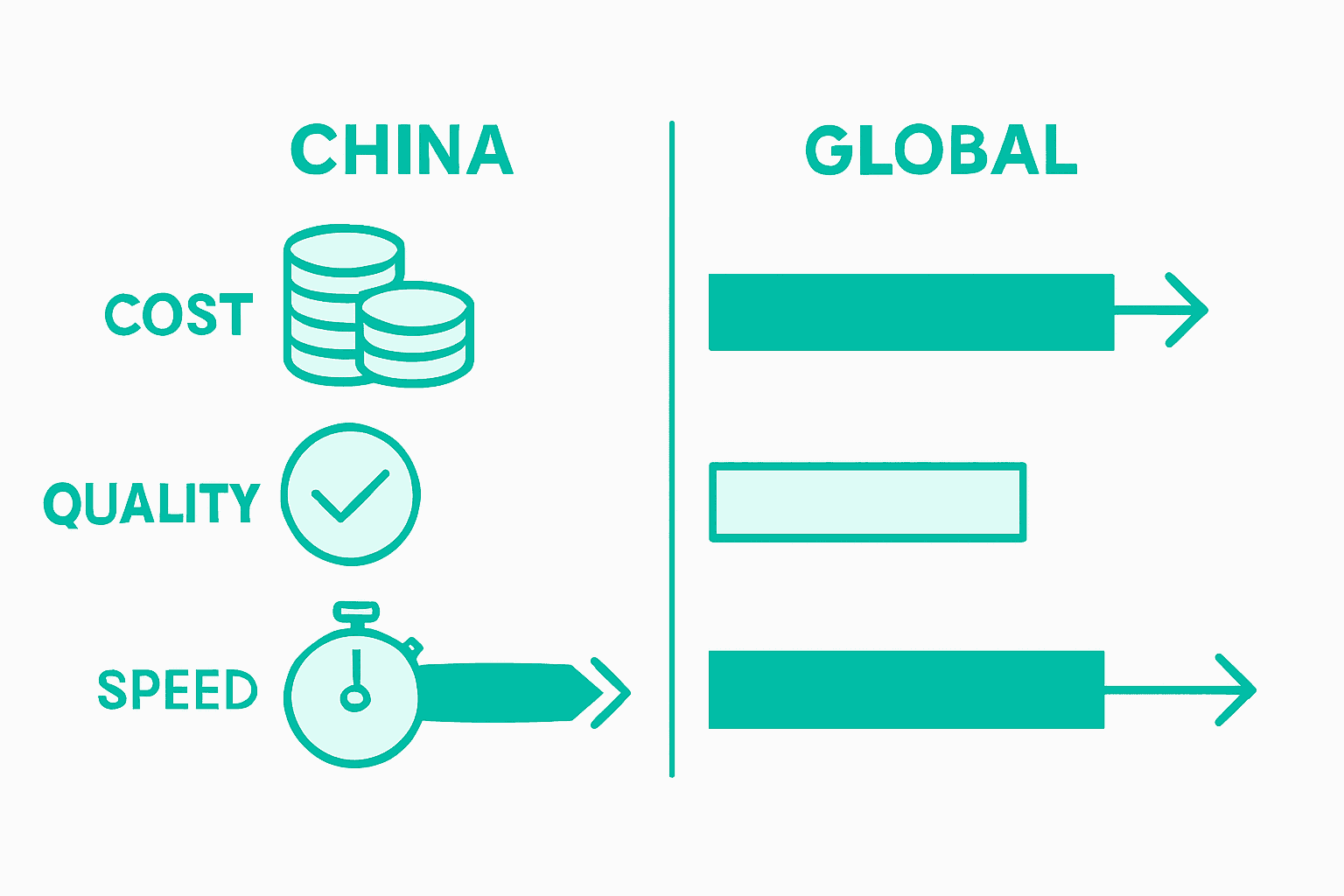
This table compares regional strengths in global precision manufacturing:
| Region | Competitive Advantage | Typical Quality Focus | Innovation Pathway |
|---|---|---|---|
| China | Cost efficiency & scalability | Consistent, improving | Rapid adaptation, large-scale R&D |
| Europe | High-precision engineering | Ultra-low tolerances | Incremental, standards-driven |
| North America | Advanced integration | Customised, flexible solutions | Technology-intensive, agile |
Pro Tip for Procurement Specialists: Evaluate manufacturing providers through a holistic lens considering technological capabilities, not merely through simplistic cost comparisons, to ensure long-term strategic alignment.
The article highlights how China’s leadership in precision machining stems from advanced infrastructure, skilled expertise, and cost-effective innovation. If your business faces challenges around achieving ultra-tight tolerances, complex geometries, or rapid prototyping demands, WJ Prototypes offers powerful solutions tailored for today’s high-performance industries like aerospace and automotive. We combine cutting-edge processes such as CNC machining and additive manufacturing to deliver components with exceptional accuracy and surface finish.
Experience the advantage of partnering with an ISO certified manufacturer that understands the vital importance of precision, speed, and scalability. Explore how WJ Prototypes can help you overcome manufacturing complexity through our comprehensive services by visiting WJ Prototypes. Don’t let production hurdles delay your product launch — get started instantly with our user-friendly quoting system and expert engineering support available at https://www.wjprototypes.com/. Take control of your manufacturing today and transform challenges into competitive advantages.
Precision machining is an advanced manufacturing process that transforms raw materials into highly accurate and intricate components with exceptional geometric tolerances, utilising techniques like CNC milling, Swiss machining, and multi-axis machining.
Key technologies in precision machining include Computer Numerical Control (CNC) machining, Swiss machining, multi-axis machining, and diamond turning, each tailored for producing components with high geometric accuracy and surface quality.
Ultra-precision machining utilises specialised techniques such as diamond turning and ultra-precise grinding, achieving nanometre-level surface finishes and extraordinary tolerances, which are required in high-performance industries like aerospace and semiconductor manufacturing.
Precision machining is widely applied in sectors such as aerospace for producing critical aircraft components, automotive for high-performance vehicle parts, and also in medical device manufacturing, robotics, semiconductor production, and quantum computing equipment.
SERVICES
RESOURCES