



- Room 1807, Unit 9, Building 2, Shangxing Commercial Street, Shangde Road, Shangxing Community, Xinqiao Subdistrict, Bao'an District, Shenzhen City, China
CONTACT US

WhatsApp


Contact Us
Our team is on stand by, waiting toassist you.

Videos
A large collection of educational videos and tutorials.

About Us
Learn about our company, leadership, and mission totransform manufacturing.

Privacy Policy
Applies to all personal information collected through and/or processed in connection.

Aerospace & UAV
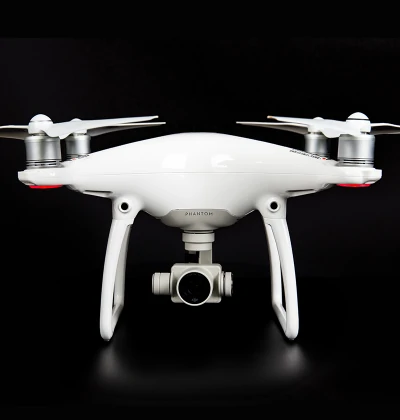
WJ Prototypes is your 3D manufacturing partner from prototype to large scale production.

Consumer Electronics
New Product Introduction Solutions for Consumer Electronics.

Robotics & Automation
Need some assistance bringing your robotic device or parts from the sketch-board to reality?

Medical Devices
The medical industry needs high quality, dependable and safe parts and products.

Automotive
New Product Introduction Solutions for Automotive

Industrial Machinery
The main purpose of industrial prototyping is to take the product from drawings into the real world.
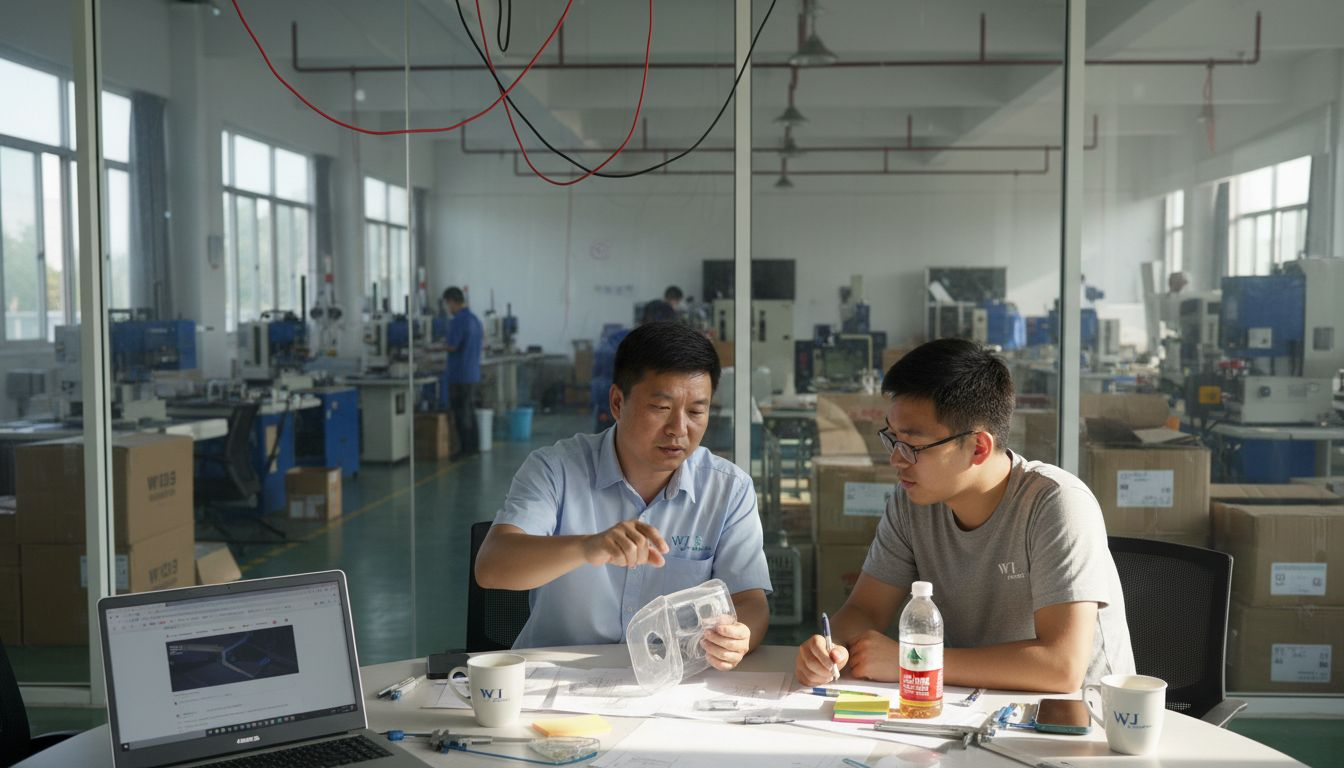

Most British companies looking to speed up innovation are turning to outsourced prototyping services, with over 60 percent citing reduced costs and faster turnaround as major benefits. The pressure to deliver new products ahead of competitors is stronger than ever, especially when global manufacturing partners offer advanced technology and scalable solutions. This guide explains how outsourced prototyping empowers British businesses to innovate rapidly, control spending, and compete more effectively on a worldwide stage.
| Point | Details |
|---|---|
| Outsourced Prototyping Services | Engaging external manufacturing partners optimises product development cycles by leveraging specialised expertise and advanced technologies. |
| Technological Innovations | Data-driven intelligent computational design methods enhance accuracy and efficiency in prototyping, particularly in complex sectors. |
| Cost and Speed Benefits | Outsourcing prototyping to China significantly reduces costs and accelerates development timelines through efficient manufacturing and skilled labour. |
| Quality Assurance | Adherence to international quality standards and certifications is crucial for ensuring reliability and performance in prototyping services. |
Outsourced prototyping services represent a strategic approach where companies engage external manufacturing partners to develop initial product models, proof-of-concept designs, and functional prototypes. This collaborative process allows organisations to leverage specialised expertise, advanced technologies, and cost-effective production capabilities without maintaining extensive in-house manufacturing infrastructure.
The landscape of key core technology innovation in intelligent manufacturing highlights the critical role of outsourced prototyping services in accelerating product development cycles. By partnering with experienced manufacturing specialists, companies can rapidly transform conceptual designs into tangible prototypes, enabling faster iterations, reduced development timelines, and enhanced innovation capabilities.
Typically, outsourced prototyping services encompass a comprehensive range of manufacturing techniques, including:
These services allow engineers and product designers to create precise, functional prototypes across multiple materials and complexity levels, supporting industries ranging from aerospace and automotive to medical devices and consumer electronics.
Pro Tip: Select a prototyping partner with demonstrated expertise in your specific industry and technological requirements to ensure optimal prototype development and reduce potential design iterations.
Chinese prototyping technologies represent a sophisticated ecosystem of advanced manufacturing capabilities that integrate cutting-edge techniques across multiple domains. The emergence of data-driven intelligent computational design methods has transformed traditional prototyping approaches, enabling more precise, efficient, and innovative product development strategies.
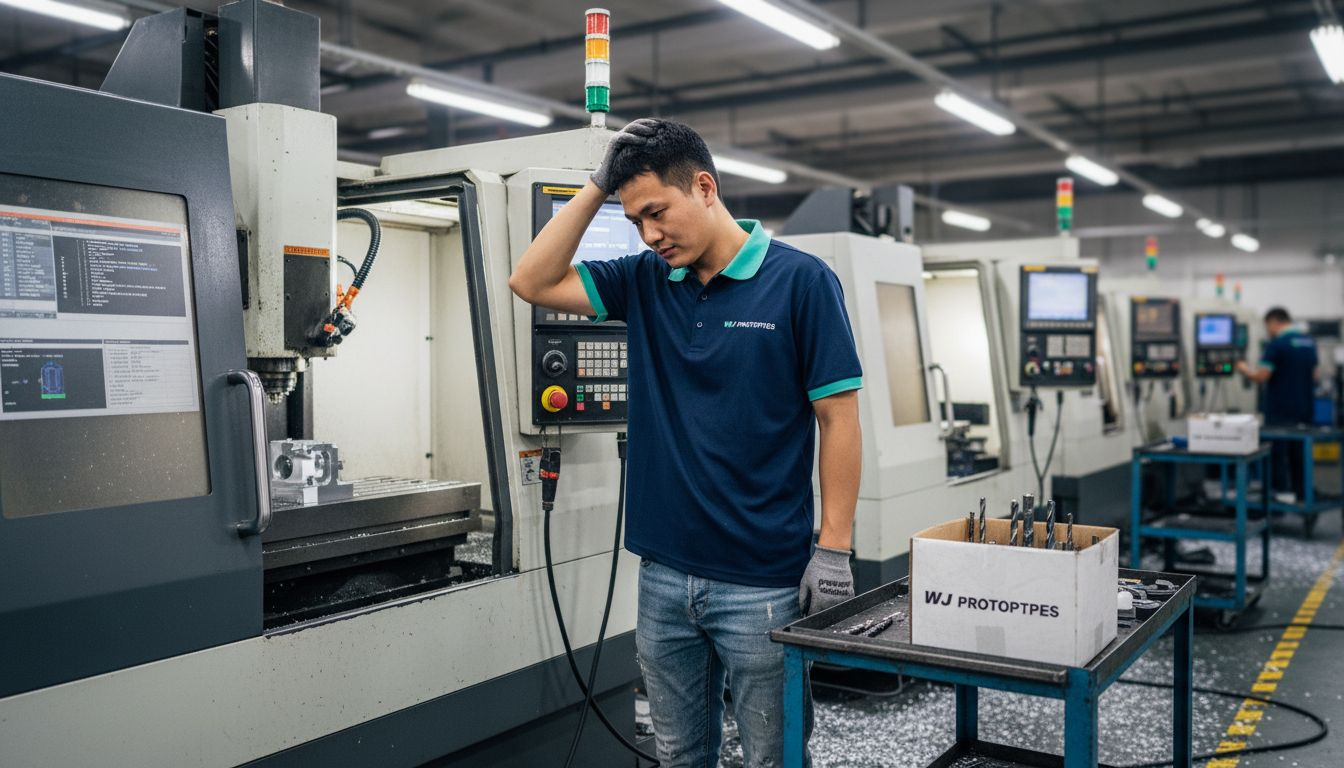
At the forefront of these technological advancements, data-driven intelligent computational design methods are revolutionising manufacturing processes by integrating artificial intelligence into prototype development. These sophisticated approaches allow engineers to create more complex, refined prototypes with unprecedented levels of accuracy and speed, particularly in sectors requiring intricate design specifications.
The technological landscape of Chinese prototyping encompasses several critical manufacturing technologies:
Moreover, Chinese manufacturers have demonstrated remarkable progress in semiconductor and electronics prototyping, as evidenced by showcases like the WeSemiBay Semiconductor Ecosystem Expo, where companies displayed advanced lithography tools and sophisticated software design capabilities.
The following table summarises core prototyping technologies alongside their unique strengths and best-fit applications:
| Technology Type | Unique Strength | Ideal Application |
|---|---|---|
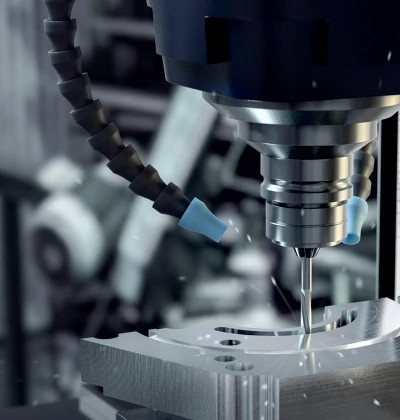
| Precision CNC Machining | High dimensional accuracy | Aerospace components |
| Advanced 3D Printing | Rapid complex geometry | Medical device prototyping |
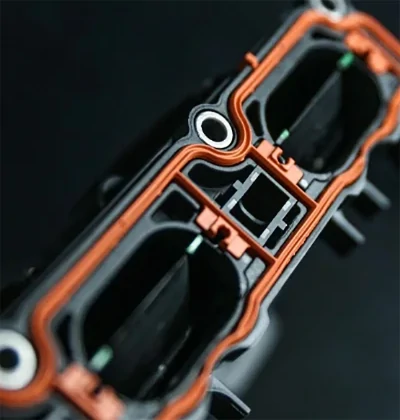
| High-Performance Injection Moulding | Reliable repeatability | Consumer electronics |
| Sophisticated Sheet Metal Fabrication | Custom metal housings | Automotive casings |
| Innovative Vacuum Casting | Low-volume plastic parts | Industrial equipment models |
| Precision Die Casting | Durable, high-volume output | Engine & motor parts |
| Laser Cutting and Engraving | Intricate detailing | Custom electronics cases |
Pro Tip: When selecting a prototyping partner in China, prioritise manufacturers with proven expertise in computational design methods and a track record of technological innovation to ensure optimal prototype development.
Outsourcing prototyping to China offers manufacturers a strategic approach to dramatically reduce production costs while simultaneously accelerating development timelines. The combination of advanced manufacturing infrastructure, skilled labour, and sophisticated technological capabilities creates a compelling value proposition for companies seeking efficient product development solutions.
Targeted control of fast prototyping through domain-specific interfaces has revolutionised the approach to manufacturing, particularly in the context of Chinese production capabilities. These advanced methodologies enable organisations to achieve remarkable improvements in cost efficiency, speed, and scalability, transforming traditional prototyping processes into more streamlined, intelligent workflows.
The key advantages of Chinese prototyping services can be categorised into three primary dimensions:
Cost Advantages:
Speed Advantages:
Scalability Advantages:
Moreover, data-driven computational design methods have further enhanced these advantages, enabling manufacturers to optimise prototyping processes with unprecedented precision and efficiency. By leveraging advanced technologies and intelligent design interfaces, Chinese prototyping services can deliver complex, high-quality prototypes at a fraction of traditional development costs.
Pro Tip: Conduct comprehensive due diligence on potential Chinese manufacturing partners, focusing on their technological capabilities, quality control processes, and demonstrated expertise in your specific industry sector.
Quality standards and certifications form the critical backbone of reliable prototyping services, serving as essential indicators of manufacturing competence and technical capability. These rigorous frameworks ensure that prototype production meets international benchmarks for precision, consistency, and performance across diverse industrial applications.
Key core technology innovation research emphasises the paramount importance of comprehensive quality management systems in prototyping, highlighting how systematic certification processes validate manufacturing capabilities and establish trust between service providers and clients.

Critical quality standards and certifications for Chinese prototyping services include:
International Quality Certifications:
Technical Competence Certifications:
These certifications demonstrate a manufacturer’s commitment to maintaining stringent quality control processes, implementing advanced technological capabilities, and adhering to global manufacturing standards. By systematically evaluating production methodologies, equipment precision, and consistent output quality, these certifications provide clients with confidence in the reliability of their chosen prototyping partner.
Pro Tip: Request comprehensive documentation of a manufacturer’s current certifications and request recent third-party audit reports to validate their quality management capabilities before initiating a prototyping partnership.
Outsourcing prototyping to China presents a complex landscape of potential risks and strategic opportunities that demand careful navigation and proactive management. Understanding these challenges is crucial for organisations seeking to leverage the significant advantages of international manufacturing partnerships while maintaining robust quality control and intellectual property protection.
Challenges faced by intelligent manufacturing enterprises highlight the critical importance of developing comprehensive risk mitigation strategies that address the multifaceted complexities of international prototyping collaborations. These strategies encompass technological, legal, communication, and operational dimensions.
Key risks and their corresponding mitigation strategies include:
Intellectual Property Risks:
Communication Challenges:
Quality Control Risks:
Legal and Compliance Risks:
Successful risk management in Chinese prototyping requires a holistic approach that balances technological sophistication, cultural understanding, and strategic planning. By anticipating potential challenges and implementing robust mitigation strategies, organisations can transform potential risks into opportunities for innovation and efficient product development.
This table provides a quick comparison of risks in Chinese prototyping and proven mitigation strategies:
| Risk Category | Most Common Issue | Recommended Mitigation |
|---|---|---|
| Intellectual Property | Design leaks | Use phased IP sharing |
| Communication | Misunderstandings | Employ bilingual project coordinators |
| Quality Control | Inconsistent outputs | Schedule frequent on-site inspections |
| Legal & Compliance | Regulatory non-conformity | Consult local legal specialists |
Pro Tip: Develop a comprehensive risk assessment matrix that prioritises potential challenges, assigns probability and impact ratings, and creates specific mitigation strategies for each identified risk scenario.
If you are facing challenges with balancing cost efficiency, rapid turnaround, and high-quality prototype precision, outsourcing prototyping to China presents a powerful solution. The article highlights how leveraging advanced manufacturing technologies such as CNC machining, injection moulding, and vacuum casting can dramatically reduce development timelines and expenses while ensuring accuracy and scalability. At WJ Prototypes, we understand these pain points and offer a comprehensive suite of additive manufacturing and traditional fabrication services tailored to meet demanding aerospace, automotive, medical, and electronics industry standards.
Experience the advantage of working with a trusted ISO-certified partner that specialises in rapid prototyping, low-volume manufacturing, and expert quality control. With our user-friendly quoting system and detailed service descriptions, you gain full visibility and control from design to market deployment. Ready to accelerate your product development process with cost-effective, precise, and fast prototyping solutions Visit WJ Prototypes today and discover how our expertise can transform your ideas into reality. Start your journey towards seamless innovation with WJ Prototypes’ manufacturing capabilities now.
Outsourcing prototyping to China offers significant cost reductions, faster production turnaround times, and improved scalability. The advanced manufacturing infrastructure and skilled workforce contribute to a streamlined process, enabling quicker development cycles and efficient production solutions.
Outsourcing prototyping can enhance product quality by leveraging manufacturers with internationally recognised certifications, such as ISO 9001. These certifications ensure adherence to strict quality control processes and consistent output, thereby reducing the risk of defects in prototypes.
Common technologies in outsourced prototyping include Computer Numerical Control (CNC) machining, 3D printing, injection moulding, and vacuum casting. These techniques enable the creation of precise, functional prototypes suitable for various applications across industries.
Companies can mitigate risks by implementing non-disclosure agreements to protect intellectual property, employing bilingual project managers for effective communication, conducting regular audits for quality control, and consulting with local legal experts to ensure compliance with regulations.
SERVICES
RESOURCES