



- Room 1807, Unit 9, Building 2, Shangxing Commercial Street, Shangde Road, Shangxing Community, Xinqiao Subdistrict, Bao'an District, Shenzhen City, China
CONTACT US

WhatsApp


Contact Us
Our team is on stand by, waiting toassist you.

Videos
A large collection of educational videos and tutorials.

About Us
Learn about our company, leadership, and mission totransform manufacturing.

Privacy Policy
Applies to all personal information collected through and/or processed in connection.
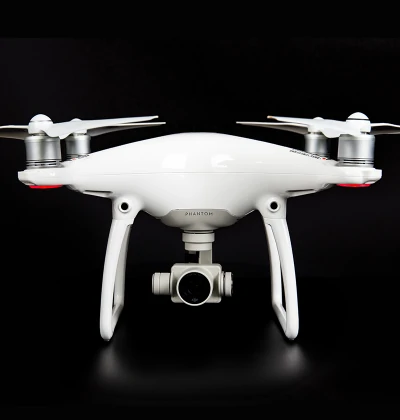

Aerospace & UAV
WJ Prototypes is your 3D manufacturing partner from prototype to large scale production.

Consumer Electronics
New Product Introduction Solutions for Consumer Electronics.

Robotics & Automation
Need some assistance bringing your robotic device or parts from the sketch-board to reality?

Medical Devices
The medical industry needs high quality, dependable and safe parts and products.

Automotive
New Product Introduction Solutions for Automotive

Industrial Machinery
The main purpose of industrial prototyping is to take the product from drawings into the real world.
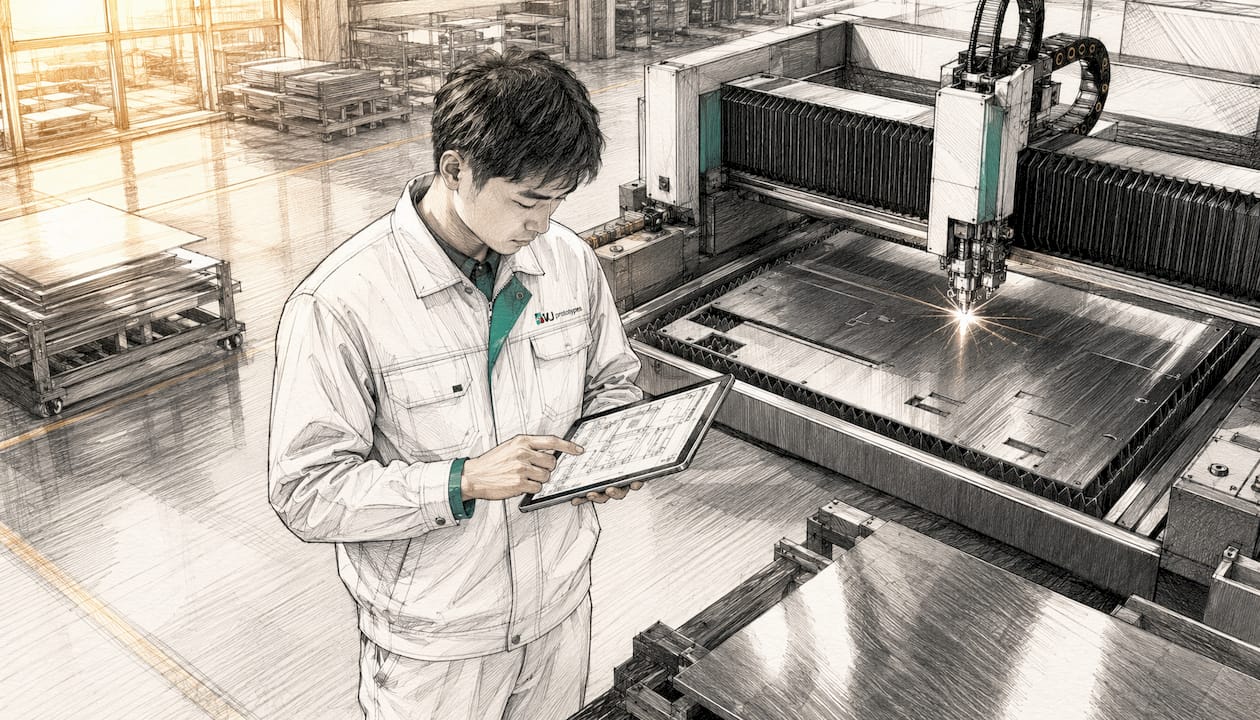
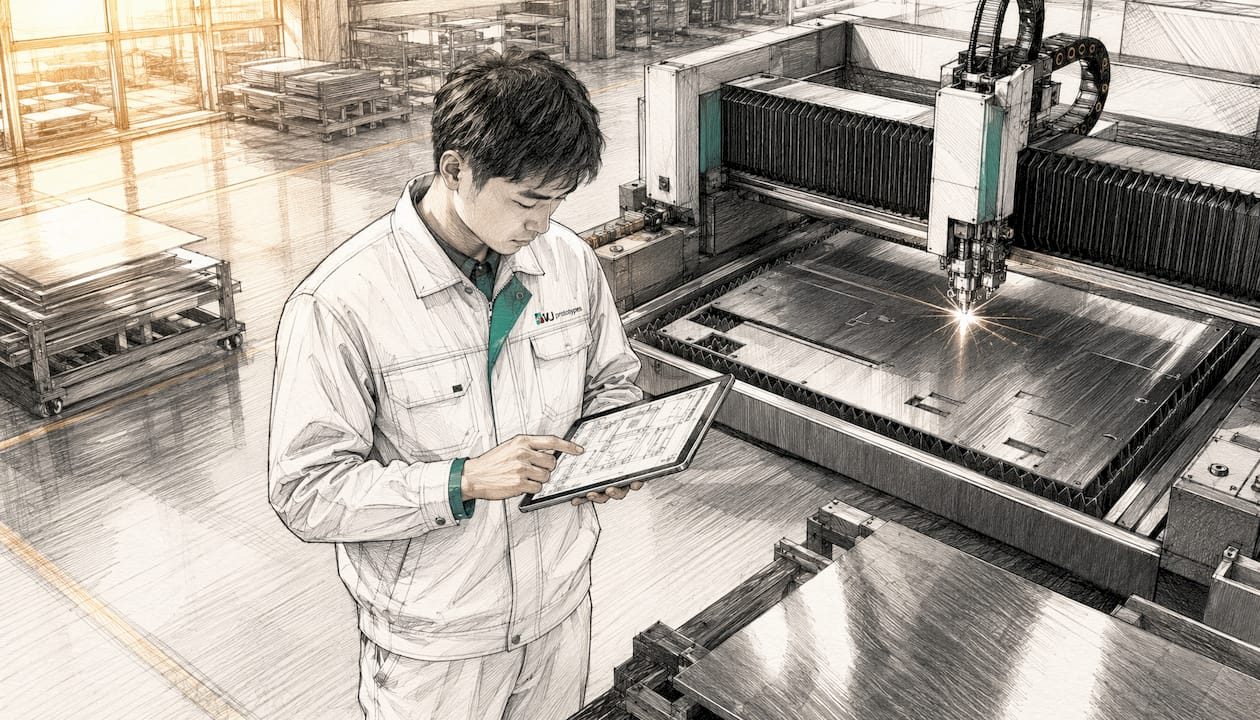
For custom stainless steel sheet metal fabrication in the U.S., your best options are dedicated stainless-only shops, vertically integrated manufacturers with in-house laser cutting and welding, and ISO-certified contract manufacturers with passivation capability. Wjprototypes is a ready partner for prototypes and low-to-medium volume stainless projects, offering CAD/DFM support, fiber laser cutting, press brake forming, TIG/MIG/robotic welding, and dedicated finishing.
The capabilities that separate a true stainless specialist from a general metal shop are specific: dedicated stainless workflows, nitrogen-assist fiber laser cutting, documented passivation procedures, and material test reports (MTRs) on request. Without those, you risk iron contamination, surface rust, and rejected parts.
Three specialist categories worth evaluating:
Not every stainless fabrication company is built for the same job. The table below maps the three main specialist categories against the dimensions that matter most in an RFQ.

| Dimension | Stainless-only specialist | Vertically integrated manufacturer | ISO contract manufacturer (e.g., Wjprototypes) |
|---|---|---|---|
| Core capabilities | Laser, brake, TIG/robotic welding, polishing | Laser, punch, brake, MIG/TIG, assembly | Laser, brake, TIG/MIG, finishing, multi-process |
| Industries | Food service, pharma, sanitary | Industrial machinery, enclosures, structural | Aerospace, medical, electronics, robotics |
| Typical run size | 1–100 parts | 50–1,000 parts | 1–1,000+ (prototype to low-volume production) |
| Lead time (prototype) | 5–15 business days | 7–15 business days | 5–15 business days |
| Lead time (production) | 3–6 weeks | 4–8 weeks | 3–6 weeks |
| Certifications / QA | Passivation certs, MTRs | ISO, weld inspection records | ISO, MTRs, passivation, DFM review |
| Geographic coverage | Regional (U.S.) | Regional to national (U.S.) | Global with U.S. delivery |
| Quote process | Custom RFQ, phone | Online + RFQ | Instant online quote + custom RFQ |
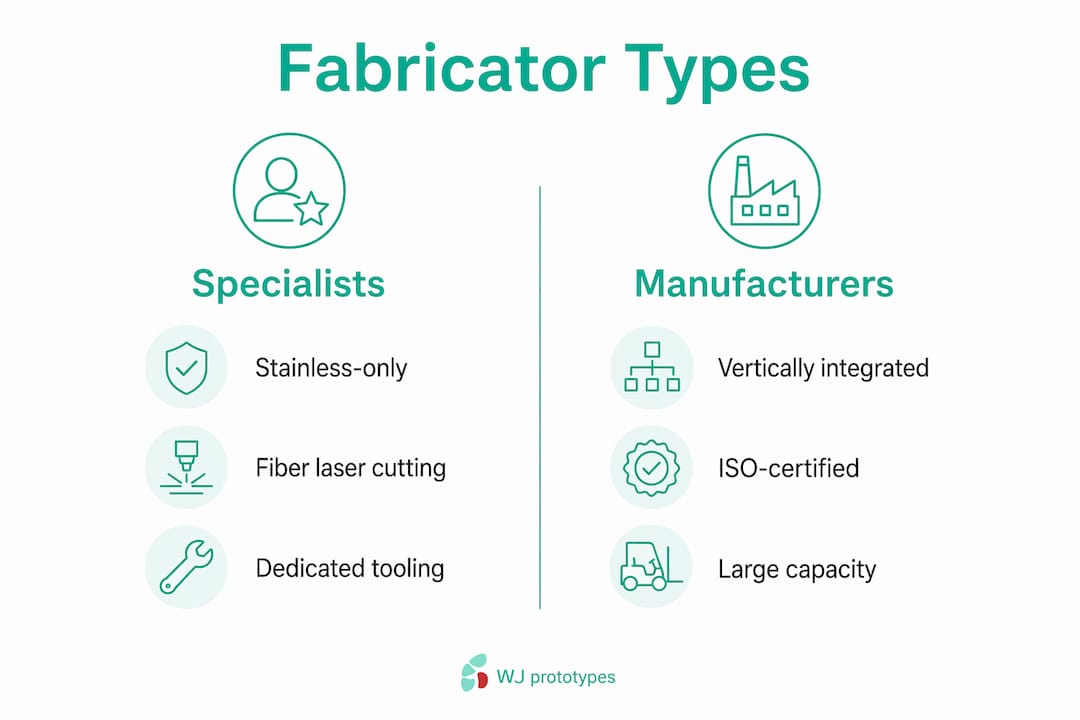
Published machine lists and case studies are one of the most reliable ways to verify a shop’s real capacity before you commit to an RFQ.
When to pick each category:
The single biggest mistake buyers make is assuming any metal shop can handle stainless. Dedicated stainless tooling and handling are non-negotiable if you want parts that hold their corrosion resistance and aesthetic finish over time.
Pro Tip: Engage your fabricator during the CAD design phase, not after. Early DFM collaboration simplifies assemblies, catches unbendable geometries before tooling is cut, and routinely shortens production lead time by eliminating rework cycles.
A credible stainless steel fabrication company offers more than a laser and a brake press. Here is what the full production stack looks like, and why each step matters.
Fiber lasers with nitrogen assist produce clean, dross-free edges on stainless that require little or no secondary grinding, which directly reduces finishing cost and lead time. CO2 lasers are still in use at some shops but tend to leave more oxidation on the cut edge. Waterjet is the right call for thick plate or heat-sensitive alloys where laser heat distortion is a concern. Punch pressing works well for high-volume flat patterns with standard hole geometries.

Press brake forming is the workhorse for stainless enclosures, panels, and trays. The catch: stainless work-hardens quickly during bending, so springback is more pronounced than with mild steel. A competent shop accounts for this in the bend program and uses appropriate tooling radii to avoid micro-cracking at the bend line. Hemming and flanging add structural rigidity to thin-gauge parts without adding weld joints.
TIG welding is the standard for sanitary and aesthetic stainless work because it produces a clean, narrow bead with minimal heat input. MIG is faster and suits structural or thicker-gauge assemblies. Robotic welding delivers consistent penetration and bead geometry on high-volume runs. Thermal expansion in stainless runs higher than in carbon steel, so aggressive welding without proper fixturing causes distortion on thin gauges. Tack-welding sequences and location fixtures are standard practice at shops that know stainless.
304 stainless covers the majority of general industrial, food service, and architectural applications. 316 and 316L add molybdenum for superior chloride resistance, making them the right choice for marine, pharmaceutical, and chemical processing environments. Always confirm the grade with an MTR, not just a mill cert on the purchase order.
Pro Tip: For thin-gauge stainless (under 0.060"), ask your fabricator about tack-welding sequences and location fixtures before production starts. Stainless’s higher thermal expansion coefficient means distortion on thin sheets is a real risk without proper heat management and fixturing.
Cost and lead time in stainless fabrication are driven by a short list of variables: material grade and thickness, laser run time, secondary finishing and welding hours, required QA documentation, and lot size. Setup costs are real and they amortize across the run, so a single prototype costs proportionally more per part than a run of 100.
| Project type | Typical cost range | Typical lead time | Key cost drivers |
|---|---|---|---|
| Prototype (1 part) | a range of typical costs | a typical lead time | Setup, DFM review, first-article inspection |
| Small run parts | a range of typical costs per part | a typical lead time | Nesting efficiency, finishing labor, MTRs |
| Medium run parts | a range of typical costs per part | a typical lead time | Machine utilization, QA documentation, packaging |
Ranges are illustrative and depend heavily on part geometry, finish spec, and required certifications. Request a formal quote for your specific design.
Run size directly shapes cost and schedule: prototypes carry full setup and inspection overhead on a single part, small runs begin to amortize that overhead, and medium runs unlock nesting efficiencies that drop per-part laser time. The timeline milestones to plan for are: quoting and DFM review, first article or prototype approval, production run, finishing and passivation, final inspection, and shipping.
Consolidating multiple components into a single welded assembly during DFM review is one of the most reliable ways to cut both cost and lead time. Fewer parts mean fewer setups, fewer inspection steps, and less handling risk for finished surfaces.
The assumption that any metal shop can handle stainless is the most expensive mistake in sheet metal procurement. Iron particles from shared grinding wheels or carbon steel fixtures embed in the stainless surface invisibly. They only become visible weeks or months later, as rust spots on a part that was supposed to be corrosion-resistant.
Specialist fabricators maintain separate production areas or dedicated tools for stainless-only jobs to prevent exactly this kind of contamination. That separation is not a premium service; it is the baseline for any shop that genuinely understands stainless.
Contamination risk callout: Iron embedding from shared tooling compromises the chromium oxide passive layer that gives stainless its corrosion resistance. Parts fabricated without dedicated stainless workflows can show surface rust within weeks of installation, even in dry indoor environments. Passivation certificates and MTRs are the documented proof that a shop has controlled for this risk.
Passivation and MTRs are the two trust signals that separate a stainless specialist from a general fabricator. ISO certifications, MTRs, and passivation certificates should be standard deliverables, not optional add-ons, for any food, medical, or industrial application.
Pro Tip: Ask for photographic evidence of tooling cleanliness and a sample passivation certificate from a comparable prior job before you place your first order. A shop that cannot produce these quickly is telling you something important.
Specialist stainless steel sheet metal fabricators with dedicated workflows, fiber laser cutting, documented passivation, and ISO certification deliver the contamination control and finish quality that general metal shops cannot reliably match.
| Point | Details |
|---|---|
| Choose a true stainless specialist | Dedicated tooling, separate work areas, and passivation capability are baseline requirements, not premium options. |
| Ask the right questions upfront | Confirm nitrogen-assist laser, available finishes (#2B, #4, #8), welding methods, and MTR/passivation documentation before committing. |
| Avoid shared tooling red flags | Shared grinding belts between carbon steel and stainless jobs cause iron embedding and long-term corrosion failures. |
| DFM early to cut cost and lead time | Engaging a fabricator during CAD design reduces rework, simplifies assemblies, and shortens production schedules. |
| Wjprototypes for prototypes and low-volume runs | Wjprototypes offers ISO-certified stainless sheet metal fabrication with instant quoting, CAD/DFM support, and global delivery for U.S. buyers. |
The conventional wisdom says to get three quotes and pick the middle price. That advice will get you burned on stainless projects faster than almost any other material category.
The real decision point is not price. It is whether the shop has ever had to explain to a client why their “stainless” parts rusted. A fabricator who has been through that conversation once has already made the tooling investments and process changes that prevent it from happening again. One who has not is still learning on your parts.
What actually works: request a sample passivation certificate and a photo of the tooling area before you send your CAD files. Ask specifically which assist gas the laser runs on stainless. If the answer is air instead of nitrogen, the edge quality and downstream finishing cost will reflect that. These are five-minute questions that filter out 80% of the wrong vendors before you spend a dollar.
Early DFM is the other lever most buyers underuse. Fabricators who see your design before the drawing is locked can flag a bend radius that will crack, a weld joint that will distort, or a finish spec that requires an extra operation nobody quoted for. That conversation, had early, is free. Had after first article rejection, it costs time, tooling, and credibility.
The shops worth working with are the ones who push back on your design before they quote it.
If you need a fabricator who can take a stainless part from CAD file to finished, inspected component without switching vendors between prototype and production, Wjprototypes is built for that workflow. The service covers stainless sheet metal fabrication with fiber laser cutting, press brake forming, TIG and MIG welding, mechanical polishing, bead blasting, and passivation, all backed by ISO quality assurance and delivered globally to U.S. buyers.

The quote process is straightforward: upload your STEP or IGES file to the instant quote tool for standard parts, or submit a custom RFQ for complex assemblies with tight tolerances or specialized finish requirements. For the fastest response, prepare your files using the CAD file preparation guide before submitting. Wjprototypes engineers review every order for DFM issues before production starts, which means fewer surprises at first article and shorter overall lead times.
Request your quote at wjprototypes.com and include your material grade, finish spec, lot size, and any certification requirements in the initial submission.
A stainless steel fabricator is a manufacturer that cuts, forms, welds, and finishes stainless steel sheet or plate into custom components or assemblies. Specialists maintain dedicated tooling and workflows to prevent iron contamination and deliver certified finishes.
Cost depends on part complexity, material grade, finish spec, and lot size. Prototypes typically run at a higher per-part cost due to setup and inspection overhead; small runs begin to amortize those costs; medium runs unlock nesting efficiencies that reduce per-part laser time and setup cost amortization.
The best fit depends on your project type. For prototypes and low-to-medium volume production with ISO certification, CAD/DFM support, and global delivery, Wjprototypes is a strong option. For regional sanitary or food-service work, a dedicated stainless-only shop with passivation capability and local installation may be the better call.
Request ISO quality certification, material test reports (MTRs), and passivation certificates as standard deliverables. For food, medical, or pharmaceutical applications, also confirm FDA-compliant material grades (typically 316L) and documented cleaning and inspection procedures.
Engage the fabricator during CAD design for a DFM review before the drawing is locked. Consolidating multiple parts into a single welded assembly, providing complete STEP files with GD&T callouts upfront, and specifying finish and certification requirements in the initial RFQ all eliminate revision cycles that add days or weeks to the schedule.
SERVICES
RESOURCES