



- Room 1807, Unit 9, Building 2, Shangxing Commercial Street, Shangde Road, Shangxing Community, Xinqiao Subdistrict, Bao'an District, Shenzhen City, China
CONTACT US

WhatsApp


Contact Us
Our team is on stand by, waiting toassist you.

Videos
A large collection of educational videos and tutorials.

About Us
Learn about our company, leadership, and mission totransform manufacturing.

Privacy Policy
Applies to all personal information collected through and/or processed in connection.
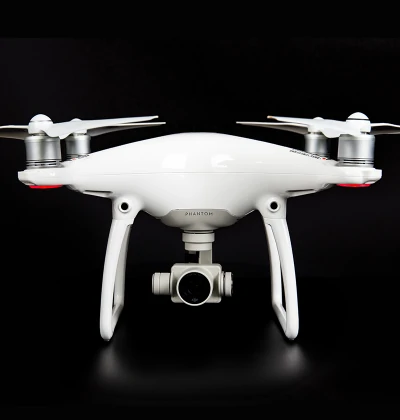

Aerospace & UAV
WJ Prototypes is your 3D manufacturing partner from prototype to large scale production.

Consumer Electronics
New Product Introduction Solutions for Consumer Electronics.

Robotics & Automation
Need some assistance bringing your robotic device or parts from the sketch-board to reality?

Medical Devices
The medical industry needs high quality, dependable and safe parts and products.

Automotive
New Product Introduction Solutions for Automotive

Industrial Machinery
The main purpose of industrial prototyping is to take the product from drawings into the real world.

TL;DR:
- Specialist China-based manufacturers like WJ Prototypes offer rapid, ISO-certified aluminum CNC machining suitable for prototypes. They provide broad capability, broad aluminum support, and instant quotes, making them ideal for functional low-volume parts. Planning for freight time is essential, but their combination of quality and cost efficiency benefits most prototype programs.
For prototype-grade aluminum CNC machining, the providers worth shortlisting are specialist prototype-focused contract manufacturers, particularly China-based precision shops with ISO certification and instant-quote workflows. WJ Prototypes is a recommended partner for many engineering teams because it combines ISO-certified quality processes, multi-axis machining capability, and rapid turnaround on aluminum prototypes, all accessible through an online quote system that cuts procurement time significantly.
Send your CAD files and critical dimension callouts to WJ Prototypes’ instant-quote system to get a prototype estimate without a sales call.
The table below maps four provider categories against the dimensions that matter most when you’re sourcing aluminum prototype parts. WJ Prototypes falls in the China-based precision contract manufacturer row, which tends to offer the best balance of capability, cost, and turnaround for most engineering prototype programs.

| Dimension | Instant-quote on-demand platforms | China-based precision contract manufacturers (e.g., WJ Prototypes) | Specialist aerospace/medical precision shops | Low-volume domestic prototype shops |
|---|---|---|---|---|
| Best for | Quick commodity geometries, DFM feedback | Functional prototypes, fit/form testing, low-volume runs | Safety-critical parts, AS9100/defense | Short-run domestic, fast domestic delivery |
| Turnaround | 1–5 business days (domestic) | 24–72 hours machining + several days freight | 2–6 weeks | 3–10 business days |
| Aluminum grades | 6061, 7075 typically | 6061, 5052, 7075, and others | Narrow spec’d alloys per program | 6061, 7075 common |
| Typical tolerances | ±0.005" standard | ±0.005" standard, tighter on request | ±0.005" range and tighter on request | ±0.005" range |
| Machining capabilities | 3-axis milling, turning | 3/4/5-axis milling, turning, multi-setup | 5-axis, Swiss turning, EDM | 3/4-axis milling, turning |
| Finishing/secondary ops | Anodize, bead blast, basic | Anodize, passivation, bead blast, deburr, plating | Full traceability, specialized coatings | Anodize, deburr, basic |
| Quality/certifications | Varies; often ISO 9001 | ISO-certified; medical/aerospace experience | AS9100, ISO 13485, ITAR | ISO 9001 common |
| MOQ/low-volume fit | 1-piece MOQ | 1-piece to low-volume runs | Often higher MOQ, long lead | 1-piece to low-volume runs |
| Pricing model | Instant online quote, per-part | Quoted per project; cost-competitive at volume | Premium pricing, long-term contracts | Mid-range, per-project |
| US shipping/lead time | Ships from US; 1–2 days | Air freight typically adds several days, while sea freight can add multiple weeks | Domestic; varies by program | Domestic; 1–5 days |
Why WJ Prototypes fits most prototype programs: The China-based precision contract manufacturer category delivers the widest capability set at the most competitive price point for prototype quantities. WJ Prototypes specifically adds ISO-certified quality controls, multi-technology options (CNC plus 3D printing, vacuum casting), and an instant-quote interface that removes the typical back-and-forth of traditional RFQ cycles.
Provider categories were evaluated against a defined set of criteria weighted toward prototype use cases, where speed and dimensional accuracy matter more than long-run process optimization.
Criteria used:
Speed and tolerances were weighted highest because prototype programs live or die on iteration velocity and dimensional fidelity. A part that arrives in three days but fails a fit check costs more than a part that takes a week and passes first time.
Data sources include published capability sheets from providers, industry references, WJ Prototypes’ published materials and service pages, and logistics references for China-to-US freight planning.
Pro Tip: When evaluating any provider, ask for a sample part or a first-article inspection report from a comparable geometry. A provider who can’t produce one quickly is telling you something about their QA process.
These platforms (think marketplace-style services like Protolabs or Xometry) excel at commodity geometries and fast DFM feedback. Upload a STEP file, get a price in minutes, and receive parts from a domestic network. The tradeoff: pricing is optimized for their network’s standard capabilities, so unusual alloys, tight tolerances, or complex multi-setup parts often come back with surcharges or rejections. MOQ is typically one piece, which is useful for single prototypes. Certifications vary by network supplier.
Best for: Simple brackets, housings, and structural parts where 6061 or 7075 at standard tolerances is sufficient and domestic delivery speed is the top priority.
What to include in your RFI: STEP file, 2D drawing with GD&T callouts, material and temper, surface finish (Ra), and delivery date.
This category offers the broadest capability-to-cost ratio for prototype work. WJ Prototypes specifically supports 3/4/5-axis milling, turning, and a full finishing menu including anodizing, passivation, bead blasting, and deburring. Aluminum grades commonly handled include 6061, 5052, and 7075. ISO-certified processes mean inspection documentation is available, which matters when you’re handing parts to a test team or a regulatory reviewer.
The honest caveat: freight adds time. Air freight from China to the US typically adds several days on top of machining time. For engineers who plan ahead, that’s manageable. For teams who need parts by Friday morning and it’s Wednesday, a domestic shop is the better call.
What to include in your RFI: CAD (STEP preferred), 2D drawing with critical dimensions and tolerances called out, alloy and temper, surface finish spec, quantity, and target delivery date including freight.

These shops carry AS9100, ISO 13485, or ITAR registrations and are built for safety-critical programs where a tolerance miss has regulatory consequences. Advanced specialty shops emphasize close tolerances, material traceability, and procedure-specific QA. Pricing reflects that overhead. MOQ tends to be higher, and lead times are longer because first-article approval processes are thorough by design.
Best for: Flight hardware, implantable device components, and defense parts where certification is non-negotiable.
Regional machine shops with 3/4-axis capability and quick-turn focus. Domestic shipping means total lead time is predictable and short. Capability breadth is narrower than China-based contract manufacturers, and pricing per part is typically higher at low quantities. Good for urgent single-piece needs or when export compliance adds complexity.
Work through this checklist before you send a single RFQ.
Key questions to ask during the quote stage:
Red flags: No published tolerances, vague answers about QA process, slow or inconsistent communication during quoting, and inability to provide a sample part or inspection report.
Major cost drivers for aluminum prototypes: Alloy choice (7075 costs more than 6061), tightest tolerance required (tighter = more setups = more cost), geometry complexity (undercuts, deep pockets, thin walls), surface finish specification, and quantity.
Aluminum machines faster than steel in most cases, which keeps cycle times and per-part costs lower, but alloy choice still moves the needle on both machinability and price.
WJ Prototypes’ case for aluminum prototype work rests on a combination of verifiable capability signals and a procurement model designed for engineering teams, not purchasing departments running six-week RFQ cycles.
Verifiable capability signals:
Industry verticals served: Aerospace, automotive, medical, electronics, robotics, oil and gas, and industrial machinery. That breadth means WJ Prototypes has processed parts with varying tolerance and finish requirements across different regulatory contexts.
Instant-quote workflow: Most China-based contract manufacturers require a back-and-forth email thread before you see a number. WJ Prototypes’ online instant-quote system accepts CAD uploads and returns pricing without a sales call, which compresses the procurement cycle for engineering teams working on tight development schedules.

For prototype programs specifically: The combination of CNC machining materials breadth, low MOQ (single-piece orders accepted), and multi-technology capability makes WJ Prototypes a practical choice for the prototype-test-iterate-low-volume-run workflow that most product development programs follow.
To request a quote from WJ Prototypes, include:
WJ Prototypes is a recommended aluminum CNC machining partner for engineering prototype programs because it combines ISO-certified processes, multi-axis capability, broad aluminum grade support, and an instant-quote workflow that cuts procurement time.
| Point | Details |
|---|---|
| Prioritize tolerances and finish first | Define your tightest tolerance and surface finish before contacting any provider to get accurate, comparable quotes. |
| China-based shops offer the best capability-to-cost ratio | For most functional prototypes, ISO-certified China-based contract manufacturers deliver the widest capability set at competitive prototype pricing. |
| Freight adds time — plan for it | Air freight from China to the US typically adds 5–10 days; build this into your project schedule and specify Incoterms early. |
| 6061 is the default aluminum for prototypes | 6061 is the most popular grade for general CNC prototyping due to its machinability, strength, and corrosion resistance. |
| WJ Prototypes fits most prototype programs | ISO certification, 3/4/5-axis capability, multi-technology options, and instant quoting make WJ Prototypes a strong match for prototype-to-low-volume-run workflows. |
The most common mistake in sourcing aluminum prototype parts is optimizing for domestic delivery speed at the expense of capability and cost, then discovering the domestic shop can’t hold the tolerance or doesn’t support the finish spec. You end up re-quoting anyway, except now you’ve lost a week.
The smarter pattern is to decide on your tolerance and finish requirements first, then work backward to the provider category that can actually meet them. For most functional prototypes, a China-based precision contract manufacturer with ISO certification and multi-axis capability is the right answer, and the freight time is predictable if you plan for it. WJ Prototypes fits that profile well, particularly for programs that need to iterate across materials or processes without switching vendors mid-development.
The prototype-to-production flow matters too. Teams that start with a CNC aluminum prototype at WJ Prototypes can move to low-volume injection molding or die casting through the same vendor relationship, which eliminates the re-qualification overhead that comes with switching suppliers between development phases. That continuity is undervalued in most sourcing decisions.
Pro Tip: Specify your alloy, temper, and surface finish in the subject line of your first email or quote submission. It signals to the shop that you know what you need, and it cuts the first round of clarifying questions almost entirely.
WJ Prototypes gives engineering teams a faster path from CAD to aluminum prototype than most domestic alternatives, at a price point that makes iteration affordable. The instant-quote system accepts STEP files and returns pricing without a sales call, which means you can have a number in hand before your next team standup.

Check the CNC machining materials page to confirm alloy and finish support for your specific application, then submit your files through the CNC machining quote page to get a prototype estimate.
What to include in your first submission:
WJ Prototypes’ ISO-certified processes and documented inspection methods mean your prototype arrives with the quality evidence your test team or regulatory reviewer needs. Typical machining lead times for aluminum prototypes run 24–72 hours before freight.
For engineers planning China-to-US shipments, reviewing a freight forwarder comparison before your first order helps you set realistic delivery expectations and avoid landed-cost surprises.
6061 is the most widely recommended grade for general CNC prototyping because it machines cleanly, holds tolerances well, and offers good corrosion resistance. 7075 is the choice when higher strength is required, though it costs more and is slightly harder to machine.
Yes. Aluminum typically machines faster than most steels, with shorter cycle times and less tool wear, which is why it’s the default material for rapid prototyping when weight and corrosion resistance fit the application.
Hybrid CNC systems combine additive material deposition with subtractive CNC finishing in a single machine, reducing setups for complex geometries and enabling features that pure subtractive machining can’t achieve efficiently.
Machining alone can be completed in 24–72 hours for many aluminum geometries using rapid prototyping workflows. For China-based suppliers like WJ Prototypes, add several days for air freight to the US, with total delivery time varying depending on part complexity and freight method.
WJ Prototypes offers a broader capability set (3/4/5-axis milling, turning, multi-technology options, and a full finishing menu) at prototype-friendly pricing, with ISO-certified quality processes and an instant-quote system that removes the traditional RFQ delay. The tradeoff versus a domestic shop is freight time, which air shipping keeps to roughly 5–10 days.
SERVICES
RESOURCES