



- Room 1807, Unit 9, Building 2, Shangxing Commercial Street, Shangde Road, Shangxing Community, Xinqiao Subdistrict, Bao'an District, Shenzhen City, China
CONTACT US

WhatsApp


Contact Us
Our team is on stand by, waiting toassist you.

Videos
A large collection of educational videos and tutorials.

About Us
Learn about our company, leadership, and mission totransform manufacturing.

Privacy Policy
Applies to all personal information collected through and/or processed in connection.
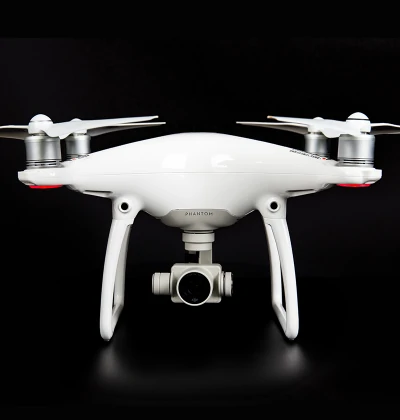

Aerospace & UAV
WJ Prototypes is your 3D manufacturing partner from prototype to large scale production.

Consumer Electronics
New Product Introduction Solutions for Consumer Electronics.

Robotics & Automation
Need some assistance bringing your robotic device or parts from the sketch-board to reality?

Medical Devices
The medical industry needs high quality, dependable and safe parts and products.

Automotive
New Product Introduction Solutions for Automotive

Industrial Machinery
The main purpose of industrial prototyping is to take the product from drawings into the real world.
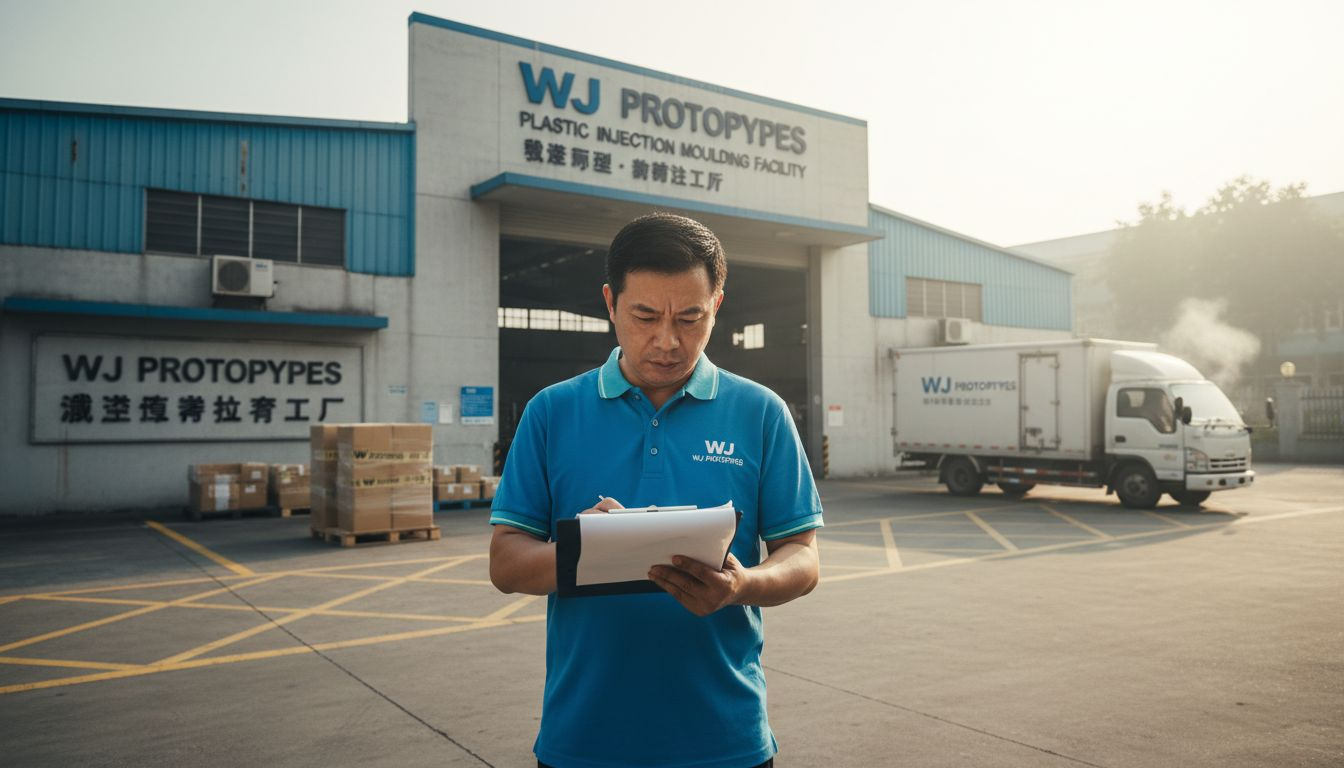

Over eighty percent of British businesses looking to manufacture plastic products in China encounter issues due to unclear initial requirements. Clear communication is the key that unlocks smoother collaborations and successful project outcomes. When sourcing plastic injection moulding factories, knowing exactly what you need not only narrows your search but also helps avoid costly mistakes. This guide breaks down the practical steps for British companies who want to confidently choose a reliable Chinese partner from start to finish.
| Key Insight | Explanation |
|---|---|
| 1. Document Precise Requirements | Create detailed specifications to enhance communication with manufacturers and ensure accurate quotations and project feasibility. |
| 2. Research Manufacturers Thoroughly | Evaluate potential partners based on their technology, certifications, and past project experiences to identify reliable options. |
| 3. Evaluate Manufacturer Capabilities | Examine quality management systems and technical certifications to ensure manufacturers can meet your precise quality standards. |
| 4. Compare Detailed Quotations | Use a standardised template to systematically assess cost structures, payment terms, and lead times across multiple manufacturers. |
| 5. Establish Clear Communication | Create a robust communication framework with regular updates and progress tracking to avoid misunderstandings throughout production. |
Defining precise project requirements is the foundational step in sourcing reliable plastic injection moulding factories in China. Your ability to communicate specific details will dramatically improve your chances of finding the right manufacturing partner.
Start by comprehensively documenting your product specifications. Design engineers recommend creating a detailed checklist that covers critical parameters like part dimensions, geometric complexity, aesthetic considerations, required material properties, anticipated production volume, and expected product lifespan. Think of this documentation as your technical blueprint that potential manufacturers will use to assess feasibility and provide accurate quotations.
Your documentation should include precise measurements, material tolerances, surface finish expectations, and functional requirements. Break down each specification systematically: part size, weight, wall thickness, draft angles, structural integrity requirements, and any specialised features. The more granular your requirements, the more accurately Chinese manufacturers can evaluate their capability to meet your project needs.
Pro tip: Prepare technical drawings or 3D CAD models alongside your written specifications to provide manufacturers with unambiguous visual references that minimise potential misunderstandings.
Researching qualified manufacturers in China requires a strategic approach to identify reliable partners for your plastic injection moulding project. Your goal is to find manufacturers with robust technological capabilities and proven manufacturing expertise.
Begin by investigating potential manufacturers’ technological infrastructure. Advanced research into manufacturing process improvements suggests evaluating manufacturers based on their technological sophistication and precision engineering capabilities. Look for factories that demonstrate updated equipment, sophisticated application programming interfaces for injection moulding machines, and a track record of consistent quality production. Online platforms like Alibaba, Made in China, and global manufacturing directories can provide initial screening, but deeper due diligence is essential.

Your research should encompass multiple verification steps: examining manufacturer certifications (ISO 9001 is crucial), reviewing their portfolio of previous projects, checking client testimonials, and if possible, requesting sample productions. Pay special attention to their specialisation areas, material expertise, minimum order quantities, lead times, and quality control processes. Consider scheduling video consultations or factory visits to gain deeper insights into their operational capabilities.
Pro tip: Request comprehensive documentation including quality control reports, material compliance certificates, and previous project case studies to validate a manufacturer’s technical competence and reliability.
Evaluating the capabilities and certifications of potential plastic injection moulding manufacturers in China is a critical step in ensuring your project’s success. This process requires a comprehensive and systematic approach to validate a manufacturer’s technical competence and quality standards.
Advanced manufacturing research emphasises the importance of integrating sophisticated quality control methodologies when assessing a manufacturer’s capabilities. Look beyond surface level certifications and dig deeper into their technical expertise. Scrutinise their quality management systems, technological infrastructure, precision engineering processes, and ability to combine simulated and measured production data. Key certifications to examine include ISO 9001 for quality management, ISO 13485 for medical devices, IATF 16949 for automotive components, and industry specific standards relevant to your product category.
Compile a comprehensive evaluation matrix that covers multiple dimensions of manufacturing capability. This should include technical specifications like machine specifications, material compatibility, tolerance levels, production capacity, quality control processes, equipment age and maintenance records, engineering team expertise, and historical performance metrics. Request detailed documentation such as process capability indices (Cpk), statistical process control reports, and independent third party quality audit results. Arrange virtual factory tours or send technical representatives to conduct on site assessments when possible.
Pro tip: Create a weighted scoring system for manufacturer evaluation, assigning numerical values to critical parameters like certification quality, technological capabilities, quality control processes, and past project performance to enable objective comparative analysis.
To aid decision-making, here is a comparison of commonly required industry certifications for Chinese plastic injection moulding manufacturers:
| Certification | Focus Area | Typical Use Cases |
|---|---|---|
| ISO 9001 | Quality management | General manufacturing |
| ISO 13485 | Medical devices | Health and biomedical |
| IATF 16949 | Automotive components | Car parts and assemblies |
| Industry Specific | Application standards | Sector-driven products |
Requesting and comparing detailed quotations from potential plastic injection moulding manufacturers in China requires a strategic and methodical approach to ensure you receive comprehensive and accurate pricing information. Your goal is to gather precise cost estimates that reflect the true complexity of your manufacturing requirements.
Research into plastic injection moulding process parameter optimisation highlights the importance of understanding how specific manufacturing variables impact overall production costs. When requesting quotations, provide manufacturers with extremely detailed technical specifications including precise 3D CAD models, material requirements, surface finish expectations, tolerance levels, anticipated production volumes, and any secondary processing needs. Request comprehensive quotations that break down costs across multiple dimensions such as tooling expenses, per unit production costs, setup charges, material costs, and potential volume discounting structures.
Develop a standardised quotation comparison template that allows for systematic evaluation of received proposals. This template should include columns for direct cost comparisons, payment terms, lead times, minimum order quantities, tooling amortisation schedules, quality guarantees, and potential additional services. Ensure each manufacturer provides identical information to enable accurate side by side comparisons. Pay close attention to hidden costs or potential price variations that might not be immediately apparent in initial quotations.

Pro tip: Always request quotations from at least three to five manufacturers to establish a robust comparative baseline, and be prepared to conduct multiple rounds of clarification to ensure you fully understand the pricing and manufacturing capabilities of each potential partner.
Verifying quality assurance and production standards is a critical step in selecting a reliable plastic injection moulding manufacturer in China. Your objective is to thoroughly validate the manufacturer’s ability to consistently produce components that meet your precise engineering specifications and quality expectations.
Establish a comprehensive quality verification framework that goes beyond standard certification checks. Request detailed documentation including statistical process control reports, first article inspection results, material traceability records, and calibration certificates for measurement equipment. Insist on receiving comprehensive quality control protocols that demonstrate the manufacturer’s systematic approach to maintaining precision and reliability. This should encompass detailed inspection methodologies, measurement techniques, defect tracking systems, and continuous improvement processes.
Arrange for independent third party quality audits or consider sending your technical representatives to conduct on site assessments. During these evaluations, examine the manufacturer’s manufacturing environment, equipment maintenance records, staff training programmes, and quality management infrastructure. Pay close attention to their ability to handle process variations, implement corrective actions, and maintain consistent production standards across different manufacturing runs. Request sample productions that can be independently tested in your own quality assurance laboratories to validate the manufacturer’s claimed capabilities.
Pro tip: Develop a structured quality scorecard that assigns weighted scores to critical parameters such as process capability indices, inspection accuracy, defect rates, and consistent adherence to specified tolerances to enable objective evaluation of manufacturing quality standards.
Establishing robust communication channels with your chosen plastic injection moulding manufacturer in China is crucial for ensuring smooth project execution and maintaining high quality standards throughout the production process. Your primary objective is to create a transparent and responsive communication framework that enables real time collaboration and progress tracking.
Advanced manufacturing research highlights the importance of developing sophisticated communication interfaces that facilitate seamless data exchange and process monitoring. Implement a comprehensive communication strategy that includes regular video conferences, detailed email reports, and access to real time production tracking systems. Establish clear communication protocols including designated points of contact, preferred communication platforms, expected response times, and escalation procedures for addressing potential issues. Continuous monitoring approaches are essential for identifying and implementing process improvements that can enhance overall manufacturing efficiency.
Develop a structured project management approach that includes weekly status update meetings, comprehensive progress reporting templates, and shared digital dashboards that provide transparent insights into production milestones, quality control metrics, and potential challenges. Request detailed documentation including production logs, quality inspection reports, and process parameter tracking records. Ensure your communication strategy allows for immediate notifications about any deviations from agreed specifications, potential production delays, or quality concerns.
Pro tip: Create a centralised digital communication hub using project management tools that integrate real time messaging, document sharing, and performance tracking to streamline communication and maintain a comprehensive record of all project interactions.
Here is a summary of key aspects to consider at each step when sourcing plastic injection moulding manufacturers in China:
| Step | What to Focus On | Business Impact |
|---|---|---|
| Define Requirements | Precise technical documentation | Accurate quotations and feasibility |
| Research Manufacturers | Check technology and past projects | Shortlist capable, reliable partners |
| Evaluate Capabilities | Validate certifications and infrastructure | Reduce risk of quality failures |
| Compare Quotations | Assess cost structures and terms | Ensure best value and transparency |
| Verify Quality Standards | Inspect quality control processes | Maintain product consistency |
| Monitor Communication | Establish regular updates and tracking | Avoid delays and misunderstandings |
Sourcing reliable plastic injection moulding factories in China can feel overwhelming. The challenge lies in defining precise requirements, verifying quality standards, and maintaining clear communication throughout the production journey. WJ Prototypes understands these critical pain points. We help you avoid costly delays and quality failures by offering ISO certified manufacturing services backed by experienced engineers and advanced technologies.
Whether you seek detailed quotations or robust quality assurance protocols our comprehensive suite of plastic injection moulding and prototyping capabilities ensures precision and speed. Explore how we combine cutting-edge techniques with transparent project monitoring to give you complete control from design to delivery. Visit WJ Prototypes to discover expert solutions tailored to your needs. Ready to accelerate your product development and partner with a trusted Chinese manufacturer? Start your journey today by requesting a quick and accurate quote or consulting with our specialists through our user-friendly interface.
To define precise project requirements, create a detailed checklist that outlines your product specifications, including dimensions, material properties, and required tolerances. Document these specifications clearly to improve your chances of receiving accurate quotations from manufacturers.
When researching factories, evaluate their technological capabilities, quality certifications, and past project portfolios. Ensure to check for updated equipment and a consistent track record in quality production.
Key certifications to look for include ISO 9001 for quality management, ISO 13485 for medical devices, and IATF 16949 for automotive components. Verify these certifications to reduce the risk of quality failures in your manufacturing process.
Develop a standardised quotation comparison template that includes columns for cost breakdown, payment terms, lead times, and minimum order quantities. This approach allows you to compare offers clearly and make an informed decision.
To verify quality assurance standards, review documentation such as statistical process control reports and first article inspection results. Consider arranging third-party quality audits or site visits to assess their manufacturing environment and processes.
Establish communication channels that include regular updates and clear protocols for contact. Implement a project management tool to facilitate real-time messaging and document sharing for streamlined collaboration throughout the production process.
SERVICES
RESOURCES