



- Room 1807, Unit 9, Building 2, Shangxing Commercial Street, Shangde Road, Shangxing Community, Xinqiao Subdistrict, Bao'an District, Shenzhen City, China
CONTACT US

WhatsApp


Contact Us
Our team is on stand by, waiting toassist you.

Videos
A large collection of educational videos and tutorials.

About Us
Learn about our company, leadership, and mission totransform manufacturing.

Privacy Policy
Applies to all personal information collected through and/or processed in connection.
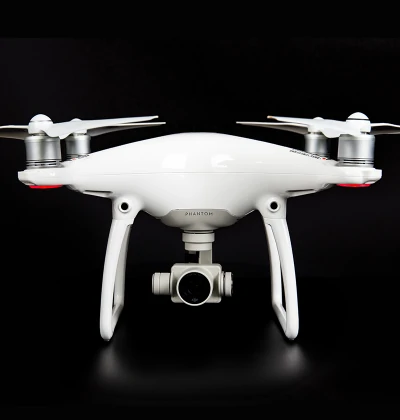

Aerospace & UAV
WJ Prototypes is your 3D manufacturing partner from prototype to large scale production.

Consumer Electronics
New Product Introduction Solutions for Consumer Electronics.

Robotics & Automation
Need some assistance bringing your robotic device or parts from the sketch-board to reality?

Medical Devices
The medical industry needs high quality, dependable and safe parts and products.

Automotive
New Product Introduction Solutions for Automotive

Industrial Machinery
The main purpose of industrial prototyping is to take the product from drawings into the real world.
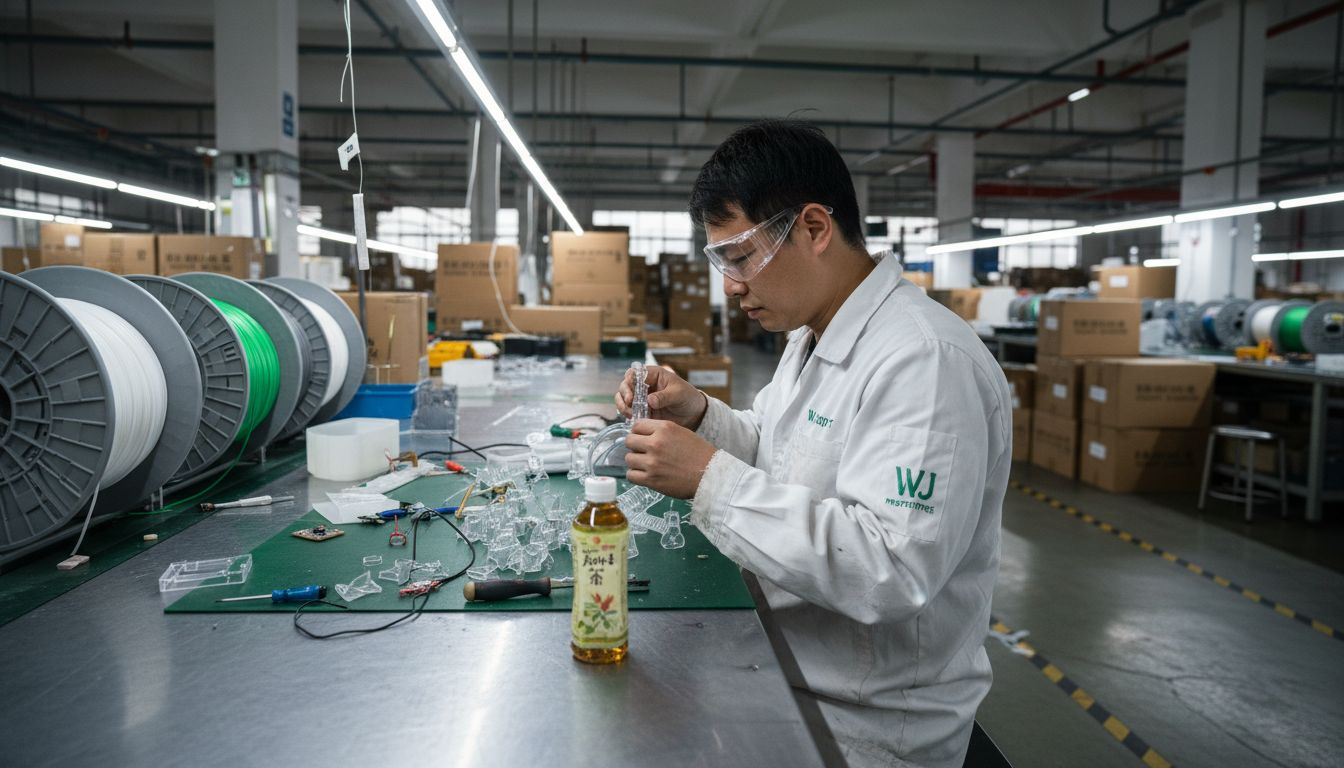
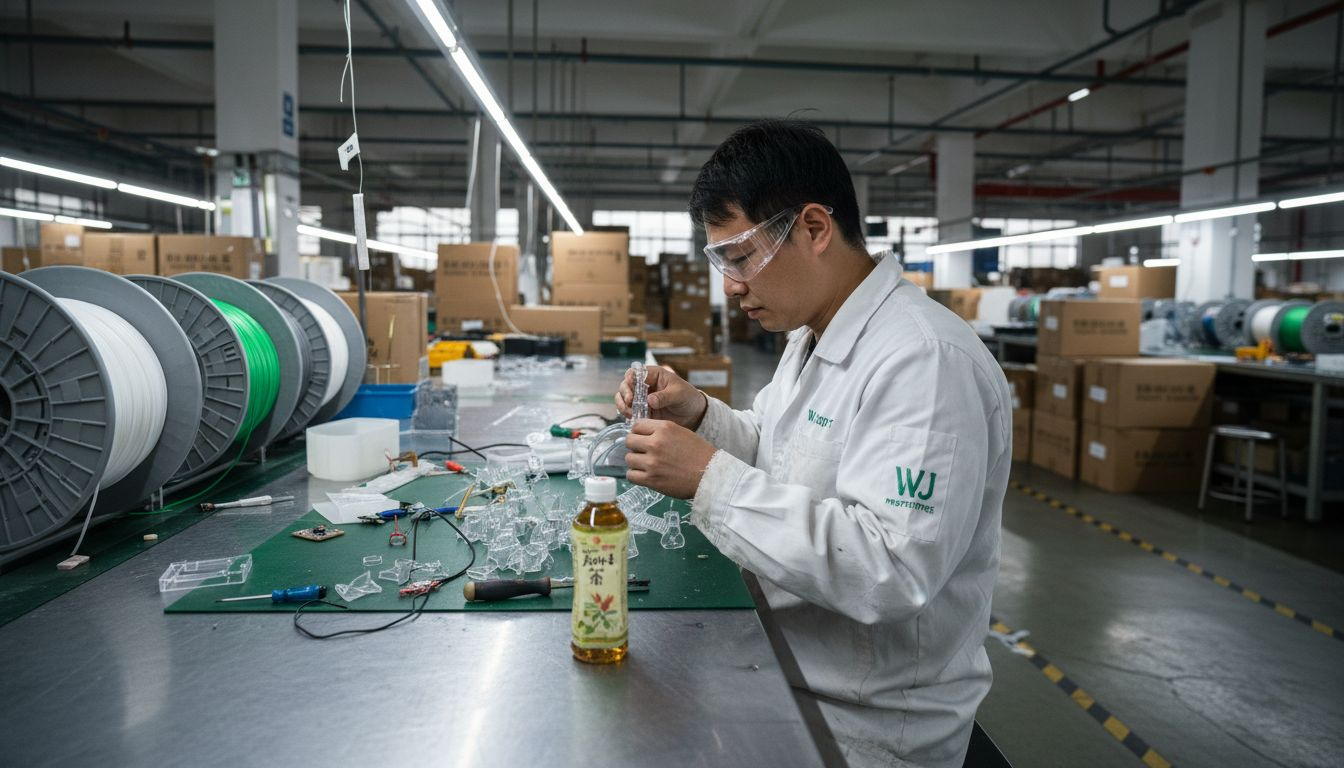
Most british companies searching for rapid prototyping solutions are surprised to learn that Chinese technology hubs can produce and iterate products up to 10 times faster than Silicon Valley, all while keeping costs far lower. For British innovators, this matters because time and budget often make or break a project. Discover how China’s mix of speed, skilled talent, and unique manufacturing ecosystems has created a powerful advantage for all businesses needing fast, affordable product development.
| Point | Details |
|---|---|
| Rapid Prototyping Advantages | China offers rapid prototyping capabilities that significantly reduce development times and costs, fostering accelerated innovation cycles for diverse industries. |
| Technology Selection | Choosing the right rapid prototyping technology is critical; match your project needs with the most suitable method to optimise costs and quality. |
| Regional Specialisation | Different regions in China specialise in specific technologies, making targeted research essential for selecting the right manufacturing partner. |
| IP Protection Strategies | Protecting intellectual property is vital when working with Chinese firms; implement robust legal frameworks and due diligence practices to safeguard innovations. |
China’s rapid prototyping landscape represents a revolutionary approach to manufacturing and product development. The country has transformed itself into a global innovation powerhouse, creating an ecosystem that enables lightning-fast technological iteration and cost-effective manufacturing solutions. China’s innovation ecosystem is characterised by intense competition and an extraordinary ability to generate rapid user feedback, which allows companies to develop minimum viable products with unprecedented efficiency.
Key strengths of China’s rapid prototyping capabilities include exceptional technological infrastructure, highly skilled engineering talent, and an aggressive approach to technological development. Industrial zones like Songshan Lake have become global benchmarks for technological innovation, hosting networks of robotics and manufacturing firms that can develop new tech products remarkably quickly. According to research, these Chinese technology hubs can create and iterate products 5 to 10 times faster than counterparts in Silicon Valley, while maintaining significantly lower production costs.
The Chinese rapid prototyping environment distinguishes itself through several unique characteristics:
Pro Tip - Strategic Selection: When considering rapid prototyping in China, prioritise industrial zones with proven track records in your specific technology sector and conduct thorough due diligence on potential manufacturing partners to ensure alignment with your project’s precise technical requirements.
China has emerged as a global leader in advanced manufacturing technologies, offering a comprehensive suite of rapid prototyping technologies that cater to diverse industrial needs. These technologies represent cutting-edge solutions for product development, ranging from intricate medical devices to complex engineering components. Advanced medical implant fabrication techniques demonstrate the precision and sophistication of China’s technological capabilities, showcasing methods like solid freeform fabrication and precise stereolithography.
The rapid prototyping landscape in China encompasses several key technologies that enable manufacturers to transform digital designs into physical prototypes with exceptional speed and accuracy. Ceramic Sheet Casting (CSC) and Patternless Casting Molding (PCM) exemplify the innovative approaches developed by Chinese research institutes, providing flexible and efficient manufacturing solutions for various industrial applications. These technologies include:
Pro Tip - Technology Selection: Carefully evaluate your specific project requirements and match them with the most appropriate rapid prototyping technology to optimise development time, cost-effectiveness, and product quality.
The following table summarises how key Chinese rapid prototyping technologies are best matched to project needs:
| Technology | Ideal Use Case | Typical Materials | Business Advantage |
|---|---|---|---|
| 3D Printing | Intricate, customised parts | Plastics, resins, metals | Rapid development, flexibility |
| CNC Machining | High-precision components | Metals, engineering plastics | Accurate, robust results |
| Injection Moulding | Mass production of complex parts | Engineering plastics | Scalable, cost-efficient |
| Vacuum Casting | Small batch prototypes | Polyurethane-based materials | Fast turnaround, low tooling cost |
| Die Casting | High-volume metal parts | Aluminium, zinc alloys | Consistent quality, repeatability |
| Sheet Metal Fabrication | Functional enclosures, brackets | Stainless steel, aluminium | Fast, durable, versatile |
Manufacturing efficiency in China represents a game-changing approach to rapid prototyping, driven by a unique combination of technological innovation and economic strategies. China’s vast population and competitive market fuel incredibly rapid innovation cycles, enabling companies to develop and iterate products at unprecedented speeds while maintaining remarkably low production costs.
The cornerstone of China’s cost-effective manufacturing model lies in its sophisticated industrial ecosystems. Industrial zones like Songshan Lake exemplify this approach, hosting dense networks of technological firms that can develop new products exponentially faster than international competitors. These zones leverage several key strategies to minimise expenses and accelerate development:
These factors combine to create a manufacturing environment where speed and affordability are not mutually exclusive, but complementary objectives. By optimising every stage of the product development process, Chinese manufacturers can deliver high-quality prototypes and production runs at costs significantly lower than traditional manufacturing hubs.
Pro Tip - Strategic Cost Management: When engaging with Chinese rapid prototyping services, request detailed breakdowns of production costs and explore bulk order discounts to maximise your financial efficiency.
China’s manufacturing landscape is characterised by distinct regional ecosystems, each specialising in unique technological capabilities that drive global innovation. The Songshan Lake industrial zone south of Dongguan stands as a prime example, representing a concentrated hub of technological excellence with an extraordinary density of robotics and advanced manufacturing firms.

These regional manufacturing powerhouses leverage strategic geographical and institutional strengths to create globally competitive environments. The Centre for Laser Rapid Forming at Tsinghua University exemplifies the academic-industrial collaboration that drives technological advancement, bridging research and practical application across multiple manufacturing domains.
Key regional manufacturing hubs demonstrate distinctive technological specialisations:
Pro Tip - Regional Research: Conduct targeted research into specific regional manufacturing capabilities before selecting a prototyping partner to ensure optimal alignment with your project’s technical requirements and innovation goals.
Here is a quick reference comparing regional manufacturing strengths in China:
| Region | Specialisation | Typical Industry Focus |
|---|---|---|
| Guangdong | Precision, robotics, electronics | Consumer tech, medical devices |
| Shanghai | Advanced materials, aerospace | Aviation, high-tech manufacturing |
| Shenzhen | Telecommunications, prototyping | Electronics, start-ups, wearables |
| Beijing | Research and high-tech engineering | AI, biotech, R&D-intensive projects |
| Hangzhou | AI, digital manufacturing | Smart manufacturing, software-led |
Intellectual property protection represents a critical consideration for international companies engaging with Chinese rapid prototyping services. Foreign investors frequently encounter challenges related to technology transfer and potential intellectual property risks, necessitating a strategic and proactive approach to safeguarding proprietary technological innovations.

Understanding the complex cultural landscape is fundamental to navigating potential risks. The concept of ‘guanxi’ significantly influences business relationships, creating nuanced dynamics that extend beyond traditional Western business interaction models. This intricate social networking system can profoundly impact negotiation strategies, quality assurance processes, and intellectual property management.
Key strategies for mitigating risks include:
Pro Tip - Strategic Safeguarding: Engage specialised legal counsel with expertise in Chinese international business law to develop a comprehensive IP protection strategy before initiating any technological collaboration.
Transitioning from prototype to full-scale production requires strategic planning and sophisticated manufacturing capabilities. Advanced prototyping technologies like those demonstrated in the RAPIDOS project enable manufacturers to create precise, scalable solutions that bridge the gap between initial design and mass production, particularly in complex fields such as medical engineering.
Rapid prototyping technologies in China, including Ceramic Sheet Casting (CSC) and Patternless Casting Molding (PCM), offer unprecedented flexibility in transforming prototype designs into manufacturable products. These techniques allow engineers to rapidly iterate designs, optimise manufacturing processes, and reduce the traditional barriers between prototype development and industrial production.
Key considerations during the transition include:
Pro Tip - Scalability Assessment: Conduct thorough feasibility studies and pilot production runs to identify potential challenges and optimise your manufacturing strategy before full-scale implementation.
Navigating the challenges of rapid prototyping in China means balancing speed, precision, and intellectual property protection. If your goal is to accelerate product development while reducing costs without sacrificing quality, WJ Prototypes offers expert solutions tailored to these exact needs. Leveraging advanced technologies like SLA, SLS, CNC machining, and injection moulding, our ISO certified manufacturing ensures your project benefits from hyper-efficient production cycles and robust quality assurance.
Experience the advantage of working with a team deeply familiar with China’s dynamic manufacturing ecosystems. At WJ Prototypes, we understand the critical importance of rapid iteration, integrated supply chains, and safeguarding your innovative designs. Whether you require a single prototype or a small production run across aerospace, medical, or electronics sectors, our responsive service and global delivery capabilities empower you to bring your vision to market swiftly and securely.
Don’t let complex manufacturing environments slow you down. Discover how to cut costs and speed development by partnering with industry leaders. Visit WJ Prototypes to explore our full range of prototyping and manufacturing services. Get an instant quote today and take the next step toward rapid, reliable product success.
Rapid prototyping in China offers exceptional speed and cost savings due to advanced technological infrastructure, competitive pricing, and integrated supply chains, allowing for quick iteration and product development.
Common rapid prototyping technologies in China include 3D printing, CNC machining, injection moulding, vacuum casting, sheet metal fabrication, and die casting. Each technology serves different manufacturing needs based on precision, volume, and material requirements.
Rapid prototyping in China reduces production costs through economies of scale, advanced automation, and a highly skilled workforce. The presence of integrated supply chains and industrial ecosystems further enhances cost efficiencies.
When transitioning from prototype to production, consider factors such as design refinement, material selection, manufacturing process validation, cost analysis, and quality control. These elements are crucial for ensuring successful scalability of your product.
SERVICES
RESOURCES