



- Room 1807, Unit 9, Building 2, Shangxing Commercial Street, Shangde Road, Shangxing Community, Xinqiao Subdistrict, Bao'an District, Shenzhen City, China
CONTACT US

WhatsApp


Contact Us
Our team is on stand by, waiting toassist you.

Videos
A large collection of educational videos and tutorials.

About Us
Learn about our company, leadership, and mission totransform manufacturing.

Privacy Policy
Applies to all personal information collected through and/or processed in connection.
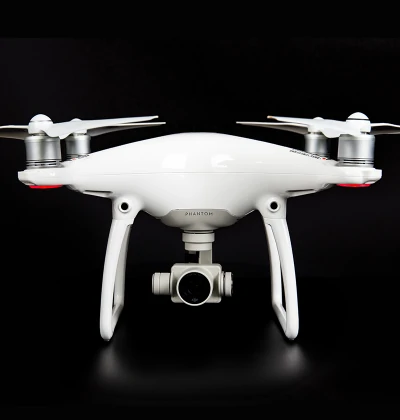

Aerospace & UAV
WJ Prototypes is your 3D manufacturing partner from prototype to large scale production.

Consumer Electronics
New Product Introduction Solutions for Consumer Electronics.

Robotics & Automation
Need some assistance bringing your robotic device or parts from the sketch-board to reality?

Medical Devices
The medical industry needs high quality, dependable and safe parts and products.

Automotive
New Product Introduction Solutions for Automotive

Industrial Machinery
The main purpose of industrial prototyping is to take the product from drawings into the real world.


Across the globe, engineers and designers face growing pressure to deliver groundbreaking products without overspending, and the british manufacturing sector is no exception. With development costs soaring by up to 60 percent for traditional methods, cost-effective prototyping is quickly gaining traction as organisations search for smarter solutions. This overview uncovers how the latest techniques can help british innovators produce high-quality prototypes faster and more affordably, giving them an edge in a fiercely competitive marketplace.
| Point | Details |
|---|---|
| Cost-Effective Prototyping | Focuses on minimising expenses while maximising design insights and technical validation through modern, agile methods. |
| Integration of Technologies | Combining multiple fabrication strategies, such as 3D printing and modular construction, reduces development costs significantly. |
| Iterative Development | Implementing quick testing and refinement cycles is crucial for achieving efficient prototyping outcomes. |
| Strategic Cost Management | Engineers must evaluate design complexities and technology choices to maintain quality while controlling development expenses. |
Cost-effective prototyping represents a strategic approach to product development that balances innovation, efficiency, and financial prudence. At its core, this methodology focuses on minimising expenses while maximising design insights and technical validation. Prototyping approaches have evolved significantly, moving beyond traditional expensive and time-consuming methods towards more agile, resource-efficient techniques.
Modern cost-effective prototyping integrates multiple fabrication strategies to reduce overall development expenses. Hybrid fabrication methods demonstrate remarkable potential for achieving complex design goals without excessive financial investment. Researchers have discovered innovative techniques that combine technologies like 3D printing with modular construction systems, enabling teams to create sophisticated prototypes at a fraction of traditional manufacturing costs.
Effective cost-effective prototyping typically involves several key strategies:
Successful cost-effective prototyping requires a holistic approach that balances technical requirements, budget constraints, and innovation potential. Engineers and product designers must carefully evaluate each development stage, selecting methods that provide maximum insights with minimal resource expenditure. By adopting strategic prototyping methodologies, organisations can significantly reduce financial risks while accelerating product development timelines.
Prototyping methods have dramatically transformed product development strategies, offering engineers and designers powerful tools to validate concepts efficiently. Digital prototyping techniques have revolutionised the traditional approach, enabling teams to simulate and test designs using advanced computer-aided technologies before committing to physical production.
Contemporary prototyping encompasses a diverse range of technologies, each serving specific design and engineering objectives. Research on prototyping methodologies highlights the critical role these techniques play in facilitating communication, supporting learning, and generating valuable feedback throughout the product development lifecycle. The primary prototyping methods include:
Advanced prototyping technologies like additive manufacturing techniques have significantly reduced development costs and accelerated innovation cycles. By integrating multiple prototyping approaches, organisations can create more robust, refined products while minimising financial risks and technical uncertainties. Engineers can now iterate designs faster, test multiple concepts simultaneously, and make data-driven decisions that streamline the entire product development process.

Efficient prototyping has transformed innovation across multiple industrial sectors, enabling organisations to develop sophisticated solutions with unprecedented speed and precision. Agile tooling technologies have dramatically reduced manufacturing complexity and development costs across diverse engineering domains, making advanced product development more accessible than ever before.
Several key industries have experienced remarkable benefits from advanced prototyping methodologies:
Microfluidic technologies represent another groundbreaking area where efficient prototyping delivers substantial benefits, particularly in research and development contexts. By enabling cost-effective experimental approaches, these advanced techniques allow researchers and engineers to explore innovative solutions with reduced financial risk.
Prototyping techniques have become instrumental in driving technological advancement across multiple sectors. Engineers and designers now leverage sophisticated digital and physical prototyping methods to validate concepts, reduce development cycles, and bring increasingly complex products to market with greater efficiency and confidence.
Prototyping strategies require careful navigation between three critical dimensions: speed of development, product quality, and overall cost management. Early prototyping techniques demonstrate significant potential for reducing long-term development expenses by identifying potential issues before substantial resources are committed.
The intricate balance between these factors involves multiple strategic considerations:
Investment casting research reveals compelling insights into comparative manufacturing techniques, highlighting how rapid prototyping methods can significantly reduce overall production costs while maintaining high-quality standards. Engineers must strategically evaluate each design iteration, understanding that faster development does not necessarily compromise product integrity.
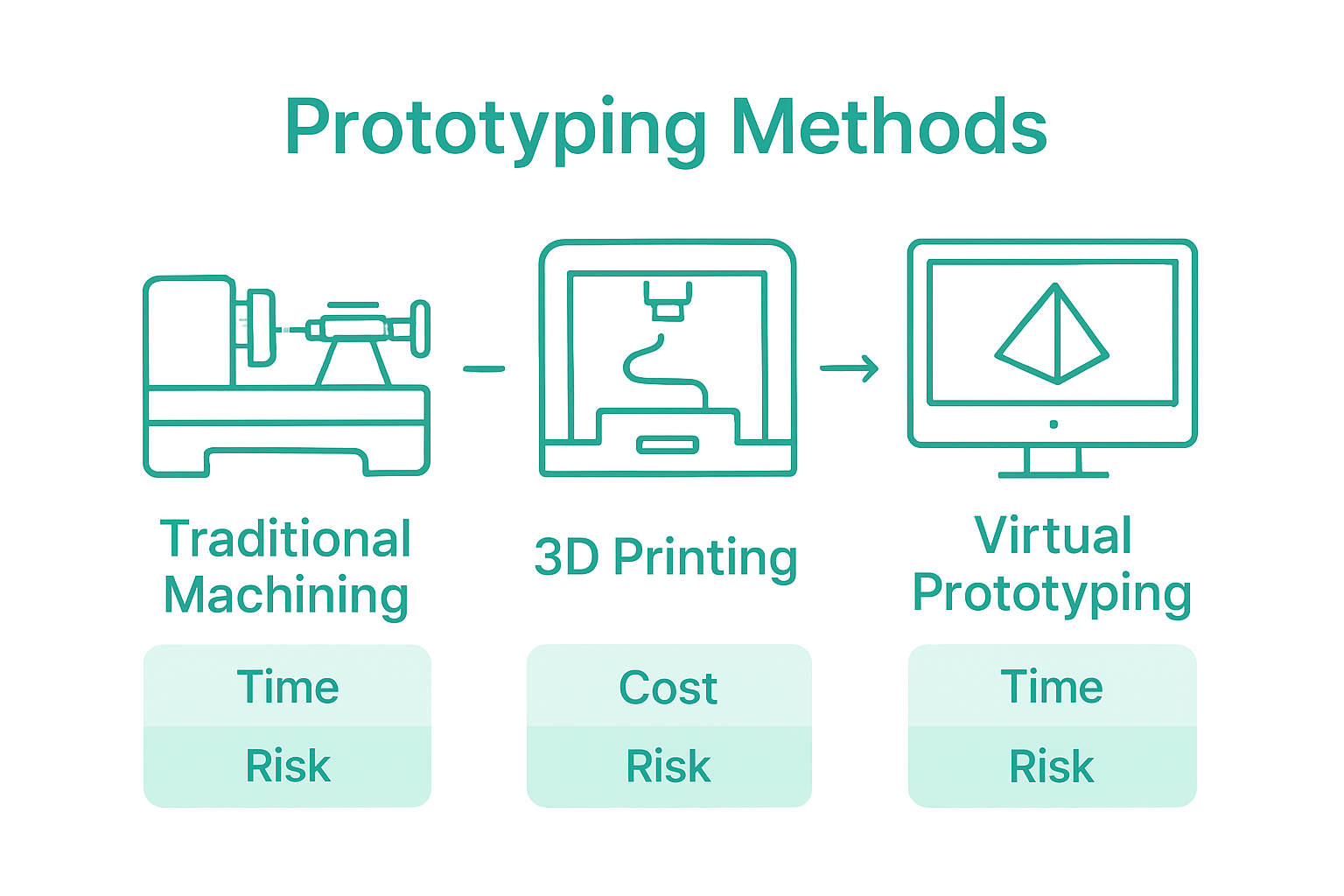
Prototyping methodologies ultimately represent a nuanced approach to product development. Successful organisations recognise that cost-effectiveness emerges from intelligent design strategies, not merely from reducing expenses. By implementing sophisticated prototyping techniques, teams can create robust solutions that balance technical excellence with economic efficiency.
Prototyping budget management demands strategic insight and careful planning to avoid expensive errors that can derail product development initiatives. Budget allocation strategies play a critical role in ensuring that organisations effectively manage their resources while maintaining design quality and innovation potential.
Common cost management pitfalls that engineers and designers must navigate include:
Virtual prototyping technologies offer significant potential for reducing development expenses, though they require careful implementation. While initial software and training investments can be substantial, these digital approaches can dramatically reduce physical prototyping costs by enabling comprehensive design validation before material production.
Rapid prototyping best practices demonstrate that successful cost management is not about minimising expenses, but optimising resource allocation. Organisations must develop a holistic approach that balances technological capabilities, design requirements, and financial constraints to achieve efficient and innovative product development.
The article emphasises the challenge of balancing speed, quality and cost in prototyping while managing risks associated with development expenses. If you are seeking to reduce financial risks through smart material selection, iterative development and advanced manufacturing technologies such as additive manufacturing or CNC machining, aligning your strategy with proven methods is crucial. Navigating these complexities can be overwhelming, especially when underestimating design intricacies or choosing unsuitable prototyping methods leads to budget overruns.
At WJ Prototypes, we specialise in delivering high-quality, cost-effective prototyping solutions tailored to your specific needs. Our comprehensive services include SLA, SLS, MJF, DMLS, CNC machining and vacuum casting, helping you achieve rapid iterations without compromising on precision or innovation. With a commitment to fast turnaround times and global delivery capacity, we empower you to accelerate your product development cycle while optimising costs. Discover how our expertise in sectors like aerospace and medical devices can help you avoid common pitfalls and deliver robust, scalable prototypes through our flexible rapid prototyping solutions.
Take control of your prototyping process now. Visit WJ Prototypes and access instant quoting tools and detailed service information to start reducing your product development risks and expenses today.
Cost-effective prototyping approaches focus on minimising expenses while maximising design insights and technical validation. They integrate multiple fabrication strategies and leverage advanced manufacturing technologies to achieve complex design goals without excessive financial investment.
Key strategies include material selection, scalable design, iterative development, and technology integration. These strategies help organisations reduce development expenses while ensuring that prototypes meet performance requirements.
Advanced prototyping technologies, such as 3D printing and virtual prototyping, allow for rapid physical model creation and simulation of product performance. This reduces the need for extensive physical prototypes and enables teams to validate concepts quickly, thus minimising overall development costs.
Common pitfalls include underestimating design complexity, selecting inadequate technologies, over-engineering features, insufficiently planning for iterations, and ignoring training costs associated with new technologies. Avoiding these issues can lead to more effective budget management and resource allocation.
SERVICES
RESOURCES