



- Room 1807, Unit 9, Building 2, Shangxing Commercial Street, Shangde Road, Shangxing Community, Xinqiao Subdistrict, Bao'an District, Shenzhen City, China
CONTACT US

WhatsApp


Contact Us
Our team is on stand by, waiting toassist you.

Videos
A large collection of educational videos and tutorials.

About Us
Learn about our company, leadership, and mission totransform manufacturing.

Privacy Policy
Applies to all personal information collected through and/or processed in connection.
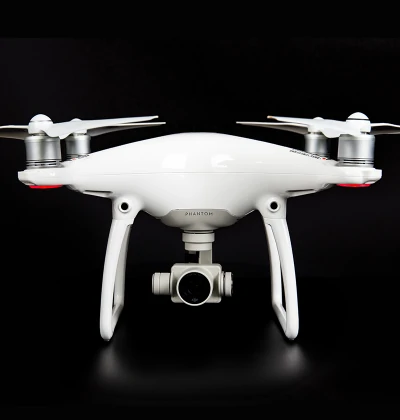

Aerospace & UAV
WJ Prototypes is your 3D manufacturing partner from prototype to large scale production.

Consumer Electronics
New Product Introduction Solutions for Consumer Electronics.

Robotics & Automation
Need some assistance bringing your robotic device or parts from the sketch-board to reality?

Medical Devices
The medical industry needs high quality, dependable and safe parts and products.

Automotive
New Product Introduction Solutions for Automotive

Industrial Machinery
The main purpose of industrial prototyping is to take the product from drawings into the real world.
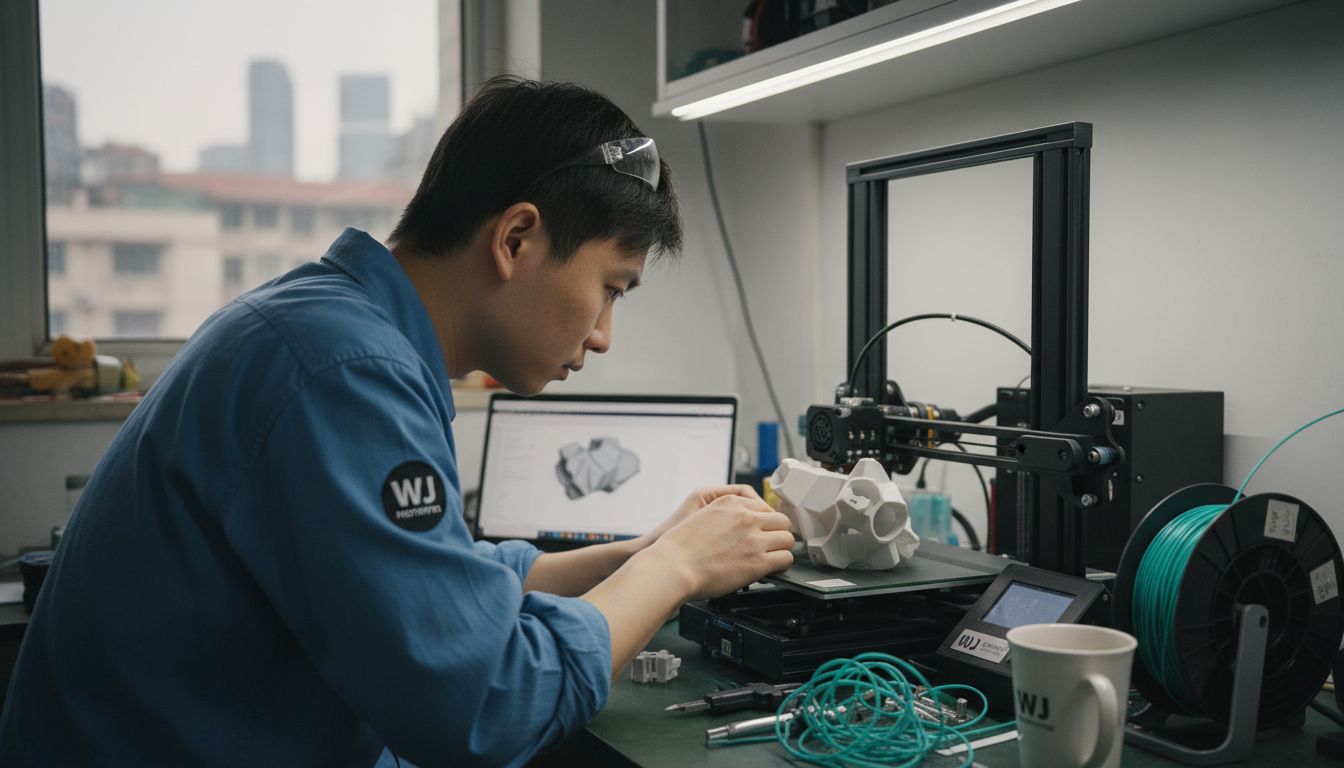
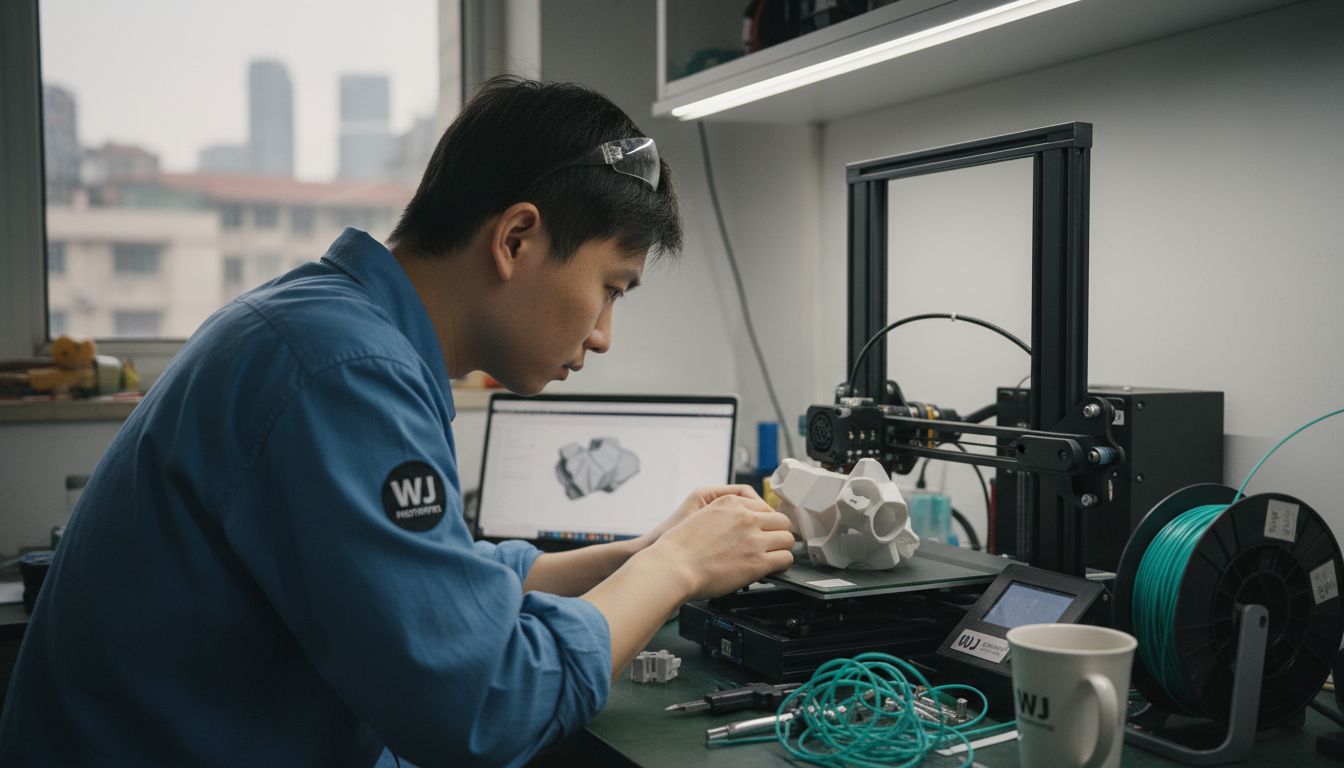
Most engineers now rely on additive manufacturing to stay ahead in the fast-paced world of product development. With advanced 3D printing, companies can slash their prototype timelines by up to 70%, turning weeks of waiting into just days. This fresh approach changes how teams test, refine, and launch new products, offering greater creativity, faster feedback, and significant cost reductions all at once.
| Takeaway | Explanation |
|---|---|
| 1. Faster prototyping accelerates design iterations. | Engineers can produce complex prototypes in days, significantly reducing development timelines by up to 70%. |
| 2. Reduced costs for small batches. | Additive manufacturing cuts tooling costs, making small production runs economically viable with lower material waste. |
| 3. Unmatched design flexibility. | Engineers can create geometrically complex parts without traditional manufacturing constraints, leading to innovative designs. |
| 4. Minimised material waste enhances sustainability. | 3D printing builds layers precisely, using only necessary materials and significantly reducing environmental impact. |
| 5. Streamlined workflows boost operational efficiency. | Directly translating digital designs into physical prototypes eliminates unnecessary production stages and accelerates time to market. |
Additive manufacturing transforms product development by dramatically accelerating design iterations for engineers. Through advanced 3D printing technologies, engineers can now produce complex prototypes significantly faster than traditional manufacturing methods.
The core advantage lies in rapid prototyping techniques that enable engineers to test multiple design concepts quickly and cost effectively. Rather than waiting weeks for a single prototype, modern additive manufacturing allows multiple iterations to be produced within days. This speed dramatically compresses product development cycles and reduces time to market.
Key Benefits of Faster Prototyping:
Engineers can now print intricate prototype components directly from computer aided design (CAD) models, enabling immediate physical assessment. This means design flaws can be identified and corrected rapidly before moving to final production. The ability to generate physical models within hours transforms how engineering teams approach product development.
Research demonstrates that rapid prototyping accelerates product development cycles, allowing companies to test and refine products efficiently. By embracing additive manufacturing, engineering teams can significantly reduce their design validation periods and bring innovative solutions to market faster than ever before.
Additive manufacturing provides a revolutionary approach for engineers seeking cost effective production of small batch components. Traditional manufacturing methods often require expensive tooling and setup costs that make small production runs financially prohibitive.
With additive manufacturing, engineers can cut costs on manufacturing parts by eliminating many traditional production expenses. The technology enables direct digital manufacturing without requiring dedicated moulds or specialised tooling, dramatically reducing initial investment requirements.
Key Cost Reduction Strategies:
Research indicates that additive manufacturing offers significant cost reduction capabilities by creating parts on demand. Engineers can now produce complex components without substantial upfront financial commitments, making small batch production economically viable.
The economic advantages become particularly pronounced for prototype development and specialised engineering applications. Small batch production through 3D printing allows teams to experiment, iterate, and validate designs without incurring substantial financial risks. By converting digital designs directly into physical components, engineers can dramatically reduce both material and production expenditures.
Additive manufacturing represents a transformative leap in engineering design capabilities, offering unprecedented freedom to create geometrically complex components that were previously impossible or prohibitively expensive to manufacture. Traditional subtractive methods imposed significant limitations on design complexity, but 3D printing removes these constraints entirely.
Design Freedom Characteristics:
The technology allows engineers to explore advanced manufacturing techniques that transcend traditional manufacturing boundaries. Robotic additive manufacturing offers enhanced motion control for fabricating geometrically complex components with precision previously unimaginable.
Engineers can now design components with organic, biomimetic structures that optimise performance while minimising material usage. Intricate lattice structures internal to components can be created to reduce weight without compromising structural integrity. This means designing parts that are simultaneously lighter, stronger, and more functionally sophisticated than ever before.
By eliminating traditional manufacturing constraints, additive manufacturing enables engineers to think beyond conventional design limitations. Complex cooling channels, integrated mechanical features, and topology optimised structures become standard design possibilities rather than exceptional achievements.
Additive manufacturing represents a sustainable engineering solution that dramatically reduces material consumption compared to traditional manufacturing processes. Unlike subtractive methods that cut away substantial material volumes, 3D printing builds components layer by layer with precision and efficiency.
Material Efficiency Principles:
Engineers can explore advanced manufacturing techniques that optimise material utilisation. Additive manufacturing promotes sustainability by consuming precisely the amount of material required for each unique component.
Traditional machining often creates significant material waste through cutting, milling, and shaping processes. In contrast, additive manufacturing builds components additively using computer guided precision, meaning engineers can create intricate parts with minimal surplus material. This approach not only reduces waste but also decreases raw material costs and environmental impact.
By adopting additive manufacturing, engineering teams can transform their production strategies towards more sustainable and resource efficient methodologies. The technology enables unprecedented control over material usage, making it an intelligent choice for organisations committed to reducing their manufacturing carbon footprint.
Additive manufacturing enables engineers to break free from traditional manufacturing constraints by producing highly specialised and individualised components with unprecedented flexibility. The technology transforms how unique parts are conceived, designed, and fabricated across multiple engineering disciplines.
Customisation Capabilities:
Engineers can explore custom 3D printing services that support intricate design requirements. Robotic additive manufacturing facilitates production of complex geometries with enhanced precision and adaptability.
Traditional manufacturing methods typically demand expensive retooling for each unique component. Additive manufacturing eliminates these constraints by allowing direct digital fabrication of specialised parts without requiring extensive reconfiguration of production systems. This means engineers can produce low volume or single prototype components economically and rapidly.
The technology supports mass customisation without significant cost escalation. Whether designing medical implants, aerospace components, or robotics elements, engineers can now create parts with intricate internal structures and precise specifications that were previously impossible or prohibitively expensive to manufacture.
Additive manufacturing revolutionises product development by creating a seamless digital pathway from initial design concept to final physical component. Engineers can now transform computer aided design models directly into functional prototypes with unprecedented speed and precision.
Workflow Transformation Elements:
Engineers can explore comprehensive additive manufacturing workflow strategies that optimise product development cycles. On demand production methods help limit unnecessary inventory and warehousing, dramatically improving operational efficiency.
Traditional manufacturing involves multiple complex stages requiring extensive retooling, material procurement, and prolonged production scheduling. Additive manufacturing collapses these stages into a single streamlined digital process. CAD models can be instantaneously converted into physical prototypes, allowing engineers to rapidly test and validate design concepts without extensive intermediate steps.
The technology enables real time design iteration and immediate physical verification. Engineers can quickly modify digital models and produce updated prototypes within hours, accelerating product development timelines and reducing overall time to market. This approach transforms product development from a sequential process into an agile, responsive workflow.
Additive manufacturing represents a quantum leap in engineering precision, enabling manufacturers to create components with microscopic accuracy and unprecedented quality control capabilities. Modern 3D printing technologies transform how engineers conceptualise and validate intricate component designs.
Quality Assurance Capabilities:
Engineers can explore advanced precision manufacturing techniques that support rigorous quality standards. Integrating shape measurement during printing enables on the fly 3D metrology, allowing real time defect detection and correction.
Traditional manufacturing methods rely on post production inspection, whereas additive manufacturing incorporates quality verification directly into the fabrication process. This means potential structural inconsistencies can be identified and rectified immediately, reducing waste and ensuring component integrity.
The technology supports creation of complex components with extraordinary precision, offering engineers unprecedented control over material deposition and geometric accuracy. By transforming digital designs into physical components with minimal deviation, additive manufacturing sets new benchmarks for engineering quality assurance.
The table below summarises key advantages and applications of additive manufacturing as discussed in the article.
| Main Topic | Description | Key Benefits |
|---|---|---|
| Faster Prototyping | Accelerates design iterations and reduces development timelines. | Up to 70% faster; immediate design validation; lowers cost of refinement. |
| Reduced Production Costs | Eliminates expenses associated with traditional tooling and setup. | Minimal material waste; reduced labour costs; economically viable small batch production. |
| Greater Design Flexibility | Offers freedom to create complex geometries without constraints. | Intricate designs; lightweight, robust components; integrated material properties. |
| Minimised Material Waste | Reduces material use through layer-by-layer fabrication. | Elimination of wasteful processes; decreased environmental impact. |
| Customisation Options | Produces specialised, individualised components flexibly. | On demand production; no tooling limitations; cost-effective prototyping. |
| Streamlined Workflow | Links digital designs directly to physical production efficiently. | Faster validation; minimal bottlenecks; agile product development cycles. |
| Enhanced Precision | Provides high accuracy and quality control in manufacturing. | Real time defect detection; consistent reproduction; advanced metrology integration. |
Engineers face the pressing challenge of accelerating product development while managing costs and maintaining precision. This article highlighted key advantages such as faster prototyping, reduced production costs for small batches, and enhanced design flexibility that overcome traditional manufacturing constraints. If you seek to dramatically shorten your development timelines, create complex customised parts, or reduce material waste, these goals align perfectly with WJ Prototypes’ expertise.
At WJ Prototypes, we provide a comprehensive range of additive manufacturing and traditional fabrication services tailored to meet these critical needs. Our advanced 3D printing technologies including SLA, SLS, MJF, and DMLS empower you to rapidly prototype and validate designs with exceptional quality assurance. We serve industries like aerospace, medical, and robotics with precision engineering solutions that transform digital designs into physical reality swiftly and cost effectively. Discover how our rapid prototyping services and custom 3D printing capabilities can help you bring innovative products to market faster with minimal risk.
Ready to experience streamlined workflows and superior manufacturing flexibility first-hand We invite you to explore our full suite of solutions at WJ Prototypes and contact our experienced engineers today to start accelerating your product development journey.
Additive manufacturing offers several key advantages, including faster prototyping, reduced production costs for small batches, greater design flexibility, minimised material waste, customisation for unique parts, streamlined workflows, and enhanced precision. Engineers can leverage these benefits to improve product development efficiency and optimise production processes.
Additive manufacturing accelerates prototyping by enabling engineers to create complex prototypes rapidly, often within days instead of weeks. This allows for immediate physical validation of designs, making multiple design iterations possible within a shorter timeframe.
Additive manufacturing cuts production costs by eliminating the need for expensive tooling and mould creation, as well as minimising material waste. Engineers can produce parts on demand, reducing overall manufacturing expenses and making small batch production economically feasible.
Engineers can achieve intricate designs with additive manufacturing by exploring advanced manufacturing techniques that allow for the creation of geometrically complex components. This technology enables the fabrication of lightweight yet structurally robust designs without the limitations imposed by traditional manufacturing methods.
To minimise material waste in additive manufacturing, engineers should utilise precise material quantities required for each component and avoid extensive material removal processes. This approach can significantly decrease raw material costs and the environmental impact of manufacturing.
Additive manufacturing enhances quality assurance by incorporating real-time defect detection and immediate dimensional verification into the production process. By ensuring consistent geometric accuracy and allowing for on-the-fly corrections, engineers can maintain high quality standards throughout production.
SERVICES
RESOURCES