



- Room 1807, Unit 9, Building 2, Shangxing Commercial Street, Shangde Road, Shangxing Community, Xinqiao Subdistrict, Bao'an District, Shenzhen City, China
CONTACT US

WhatsApp


Contact Us
Our team is on stand by, waiting toassist you.

Videos
A large collection of educational videos and tutorials.

About Us
Learn about our company, leadership, and mission totransform manufacturing.

Privacy Policy
Applies to all personal information collected through and/or processed in connection.
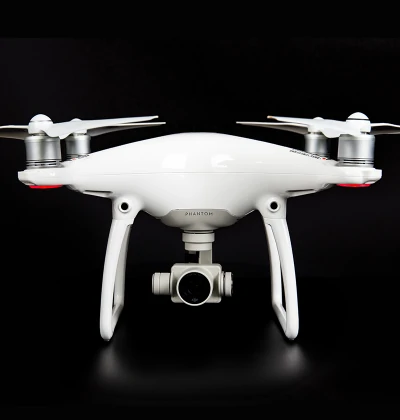

Aerospace & UAV
WJ Prototypes is your 3D manufacturing partner from prototype to large scale production.

Consumer Electronics
New Product Introduction Solutions for Consumer Electronics.

Robotics & Automation
Need some assistance bringing your robotic device or parts from the sketch-board to reality?

Medical Devices
The medical industry needs high quality, dependable and safe parts and products.

Automotive
New Product Introduction Solutions for Automotive

Industrial Machinery
The main purpose of industrial prototyping is to take the product from drawings into the real world.
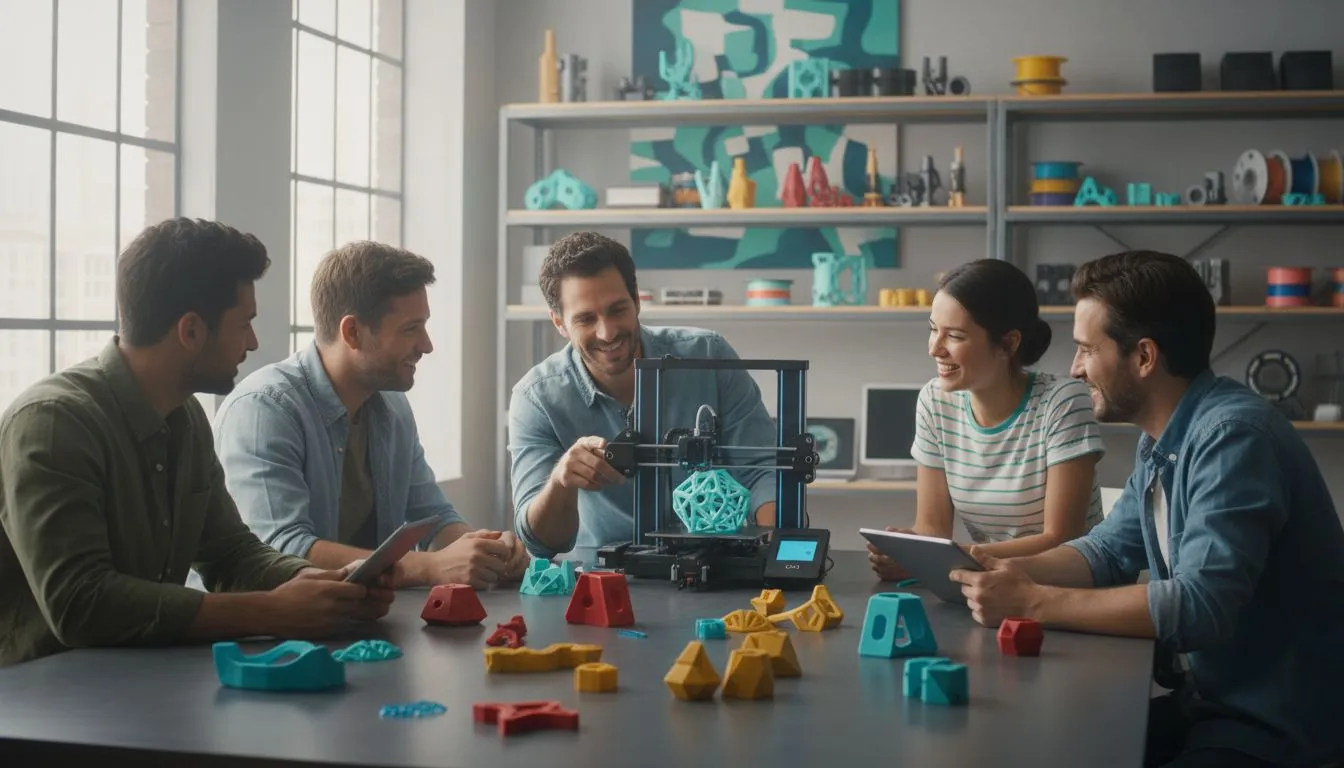
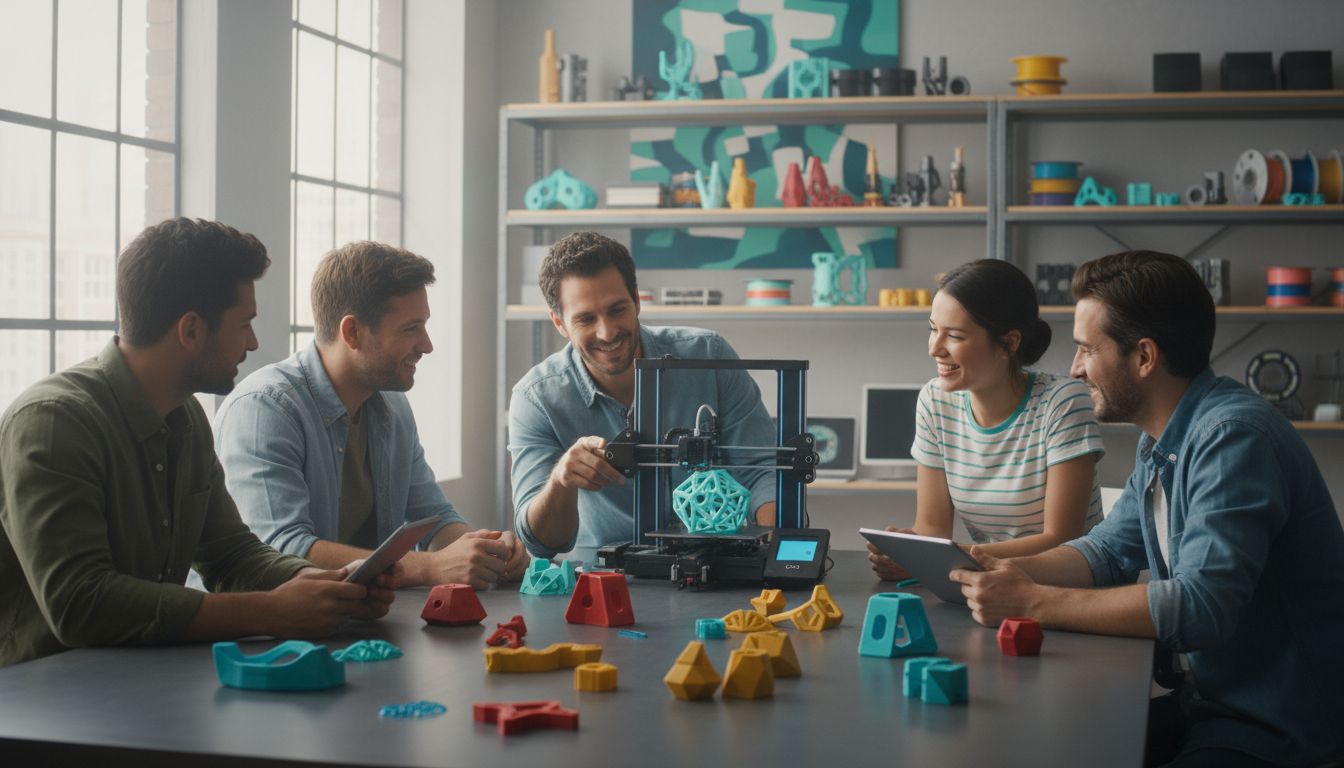
Nearly 75% faster product development is now possible for businesses thanks to 3D printing. Today, companies face growing pressures to launch innovative products quickly and cost-effectively, while traditional manufacturing often slows progress with high costs and rigid design limitations. 3D printing has changed the rules by enabling rapid prototyping, affordable small batch production, and greater design freedom, giving your business the tools to respond faster and create smarter solutions.
| Takeaway | Explanation |
|---|---|
| 1. Accelerated Prototyping Reduces Development Time | 3D printing decreases product development timelines by up to 75%, allowing rapid design iterations and testing. |
| 2. Cost-Efficient for Low-Volume Production | Businesses can produce small batches without high initial investments, reducing financial risks and enabling market testing. |
| 3. Enhanced Design Flexibility and Customization | 3D printing allows for complex geometries and personalized products that traditional methods cannot achieve. |
| 4. Sustainable Manufacturing Practices | This technology minimizes material waste and energy consumption, promoting environmentally responsible production methods. |
| 5. Streamlined Supply Chain Innovations | On-demand production reduces inventory costs and logistics, allowing businesses to respond quickly to market needs. |
3D printing has revolutionised product development by dramatically accelerating the design and prototyping process. According to research by Moldstud, companies can reduce their product development timelines by up to 75% through additive manufacturing techniques.
Traditional product development often involves lengthy and expensive processes where design iterations could take weeks or months. 3D printing transforms this workflow by enabling rapid physical prototyping directly from digital models. Engineers and designers can now quickly transform conceptual designs into tangible prototypes within hours or days instead of weeks.
This accelerated iteration cycle allows teams to:
By leveraging 3D printing technology, businesses can significantly compress their research and development timelines. The ability to produce complex geometries and functional prototypes swiftly means teams can experiment more freely, make informed design decisions faster, and bring innovative products to market with unprecedented speed.
For a comprehensive understanding of how prototyping drives product development, check out our guide on the role of prototyping in modern manufacturing processes.
3D printing has transformed how businesses approach small production runs by offering unprecedented economic flexibility. Traditional manufacturing methods often require substantial upfront investments and minimum order quantities that can be prohibitively expensive for startups and small enterprises.
Low-volume production through 3D printing eliminates many traditional manufacturing barriers. Unlike conventional techniques that demand expensive tooling and setup costs, additive manufacturing allows companies to produce small batches of components or products with minimal financial risk. This approach enables businesses to test market demand, create custom solutions, and iterate designs without committing to large scale production.
Key advantages of 3D printing for low-volume production include:
For businesses seeking detailed insights into manufacturing cost considerations, our guide on 3D printing costs offers comprehensive information about pricing strategies and economic benefits.
The technology particularly benefits industries requiring specialised or niche products such as medical devices, aerospace components, and advanced robotics prototypes. By removing traditional economic constraints, 3D printing democratises product development and enables innovation across multiple sectors.
3D printing has shattered traditional manufacturing constraints by enabling unprecedented design possibilities. According to research from IJSRET, the technology allows for creating complex geometries and intricate designs that were previously impossible with conventional manufacturing methods.
Design freedom represents a transformative advantage of 3D printing. Unlike traditional subtractive manufacturing techniques that require removing material to create shapes, additive manufacturing builds objects layer by layer. This approach means engineers and designers can create intricate internal structures, organic shapes, and geometrically complex components that would be prohibitively expensive or technically unfeasible using traditional methods.
Key design advantages include:
The technology is particularly powerful in sectors requiring high precision and customization. In healthcare, for example, 3D printing enables the production of patient specific medical implants, prosthetics, and orthodontic devices tailored precisely to individual anatomical requirements.
For businesses and designers, this means moving beyond standardised production towards creating truly bespoke solutions that can dramatically improve product performance, efficiency, and user experience.
3D printing represents a significant leap forward in sustainable manufacturing practices by dramatically reducing material waste compared to traditional production methods. Unlike subtractive manufacturing techniques that cut away material from larger blocks, additive manufacturing builds objects precisely layer by layer.
Sustainable manufacturing through 3D printing means using only the exact amount of material required to create a component. Traditional machining often results in substantial material loss where up to 70% of the original material can be discarded during the manufacturing process. In contrast, 3D printing minimises this waste by adding material strategically and efficiently.
Key sustainability advantages include:
For manufacturers and designers committed to environmental responsibility, 3D printing offers an opportunity to significantly reduce their carbon footprint. The technology enables creating lightweight structures with minimal material consumption, which translates to reduced energy requirements in both production and product lifecycle.
To understand more about the broader implications of 3D printing technologies, explore our guide on 3D printing advantages and disadvantages which provides comprehensive insights into the environmental and economic impacts of this transformative manufacturing approach.
3D printing is revolutionising global manufacturing by enabling a more responsive and efficient production model. According to research from Cloud Crafting Platform, the manufacturing landscape is shifting towards sustainable, localized production through Manufacturing as a Service (MaaS).
On-demand production in 3D printing represents a fundamental transformation in how businesses approach manufacturing and inventory management. Traditional supply chains rely on forecasting, bulk production, and extensive warehousing which tie up significant capital and create substantial waste. 3D printing disrupts this model by allowing companies to produce precisely what is needed, precisely when it is needed.
Key advantages of streamlined supply chain through 3D printing include:
For businesses seeking to understand how to leverage these manufacturing innovations, our guide on on-demand 3D printing services provides comprehensive insights into implementing this transformative approach.
By connecting digital designs directly with localised production facilities, 3D printing eliminates traditional manufacturing constraints. Companies can now produce components or products closer to the point of consumption, dramatically reducing environmental impact and creating a more agile, responsive production ecosystem.
3D printing unlocks unprecedented design possibilities by enabling the creation of intricate geometries impossible through traditional manufacturing methods. According to research from Courseware Engineering, this technology allows for designing lightweight structures optimized for maximum performance and material efficiency.
Geometric complexity represents a transformative advantage of additive manufacturing. Unlike subtractive techniques that remove material from solid blocks, 3D printing builds components layer by layer. This approach means designers can create internal lattice structures, organic shapes, and intricate internal channels that dramatically reduce weight while maintaining structural integrity.
Key advantages of advanced geometrical design include:
Engineers in aerospace, automotive, and medical industries particularly benefit from these capabilities. By strategically removing material and creating complex internal geometries, they can develop components that are significantly lighter and more efficient than traditionally manufactured alternatives.
These advanced design capabilities mean you can now produce parts that are not just manufactured but intelligently engineered to deliver superior performance with minimal material consumption.
3D printing dramatically transforms product development timelines by eliminating traditional manufacturing bottlenecks. According to research from Vohrum, this technology significantly reduces time to market by removing lengthy processes such as tooling, mold creation, and complex assembly line setup.
Rapid product development means companies can now transform digital concepts into physical prototypes within hours or days instead of weeks or months. Traditional manufacturing requires multiple stages of design refinement, expensive tooling, and extensive production preparation. 3D printing collapses these stages into a streamlined workflow where design modifications can be implemented instantly and prototypes produced directly from digital files.
Key advantages for accelerating product launches include:
For entrepreneurs and product designers looking to understand how to leverage these capabilities, our guide on rapid prototyping provides comprehensive insights into implementing efficient development strategies.
By enabling faster design iterations and immediate physical testing, 3D printing empowers businesses to respond swiftly to market opportunities. Companies can now develop, test, and refine products at unprecedented speeds, giving them a critical competitive advantage in rapidly evolving industries.
This table summarises the key benefits and advantages of 3D printing in various aspects of product development as discussed in the article.
| Aspect | Description | Benefits |
|---|---|---|
| Faster Prototyping and Design Iteration | 3D printing accelerates the design and prototyping process, reducing timelines by up to 75%. Engineers can quickly produce prototypes from digital models. | Faster design testing, cost reduction, quicker market validation. |
| Cost-Effective Low-Volume Production | Enables small batch production without costly tooling, ideal for testing market demand and creating customised solutions. | Lower setup costs, minimal material waste, quick market response. |
| Greater Design Flexibility and Customisation | Allows intricate designs and complex geometries that were not feasible with traditional methods. | Lightweight structures, integrated functionalities, bespoke solutions. |
| Reduced Material Waste and Sustainability | Uses exact material needed, significantly reducing waste compared to traditional methods. | Lower emissions, recyclable materials, reduced energy consumption. |
| Streamlined Supply Chain and On-Demand Production | Transforms supply chains by producing only what is needed, reducing waste and inventory costs. | Faster response times, minimised logistics expenses, localised production. |
| Access to Complex Geometries and Lightweight Structures | Enables intricate designs, such as lattice structures, that optimise performance and material efficiency. | Strong, lightweight components, efficient material use. |
| Accelerated Time-to-Market | Removes bottlenecks like tooling and mold creation, enabling rapid product development. | Quick prototype to production transition, immediate design validation. |
If you are striving to accelerate your product development, reduce costs on low-volume production, or explore greater design flexibility as highlighted in the article, you understand the critical challenges of today’s manufacturing landscape. Rapid prototyping and on-demand manufacturing can transform these challenges into your biggest advantages by compressing timelines, minimising material waste, and enabling complex customisations that meet precise needs.
At WJ Prototypes, we specialise in delivering high-quality prototypes and small to medium production runs using state-of-the-art technologies such as SLA, SLS, MJF, and DMLS. Our experienced engineers assist you in moving swiftly from digital concept to physical product without the delays and costs of traditional methods. Discover how our comprehensive services align perfectly with the benefits of 3D printing by visiting Our Homepage. Start your journey towards faster time-to-market and cost-effective innovation by requesting a quote today and take full advantage of our Rapid Prototyping Services.
Make the smart choice now to partner with a trusted ISO certified manufacturer who understands your need for speed, precision, and flexibility. Don't let complex development cycles hold you back. Visit WJ Prototypes to transform your ideas into winning products quickly and reliably.
3D printing accelerates prototyping, reduces costs for low-volume production, and allows for greater design flexibility. By adopting this technology, businesses can bring products to market faster and with fewer resource constraints.
3D printing minimizes material waste by using only the exact amount of material needed to create components, as it builds objects layer by layer. This approach can reduce material waste by up to 70% compared to traditional subtractive manufacturing methods.
3D printing allows for the creation of complex geometries and customized designs that would be challenging or impossible with traditional production methods. By leveraging this technology, designers can produce lightweight structures and intricate features that improve performance and user experience.
By using 3D printing, businesses can rapidly prototype and test designs, often within hours or days instead of weeks or months. To accelerate your development cycle, consider implementing rapid prototyping techniques to validate concepts quickly and refine designs effectively.
3D printing eliminates the need for expensive tooling and setup costs typical in traditional manufacturing, making it more economical for small runs. By reducing initial production costs, businesses can easily test market demand and customize products without financial risk.
On-demand production allows companies to produce only what is needed, when it is needed, which reduces inventory costs and waste. To optimize your supply chain, integrate 3D printing as a core part of your production strategy, enabling local and responsive manufacturing.
SERVICES
RESOURCES