



- Room 1807, Unit 9, Building 2, Shangxing Commercial Street, Shangde Road, Shangxing Community, Xinqiao Subdistrict, Bao'an District, Shenzhen City, China
CONTACT US

WhatsApp


Contact Us
Our team is on stand by, waiting toassist you.

Videos
A large collection of educational videos and tutorials.

About Us
Learn about our company, leadership, and mission totransform manufacturing.

Privacy Policy
Applies to all personal information collected through and/or processed in connection.
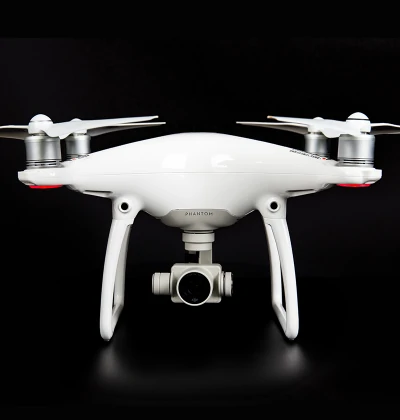

Aerospace & UAV
WJ Prototypes is your 3D manufacturing partner from prototype to large scale production.

Consumer Electronics
New Product Introduction Solutions for Consumer Electronics.

Robotics & Automation
Need some assistance bringing your robotic device or parts from the sketch-board to reality?

Medical Devices
The medical industry needs high quality, dependable and safe parts and products.

Automotive
New Product Introduction Solutions for Automotive

Industrial Machinery
The main purpose of industrial prototyping is to take the product from drawings into the real world.


Over 75 percent of new products fail to meet customer expectations because design flaws go unnoticed until the final stages. Prototyping changes this outcome by turning ideas into tangible models that reveal potential issues early and help teams build better solutions. With rapid advances in digital and physical prototyping, companies can now experiment, validate, and refine products before costly investments. Understanding how prototyping works unlocks smarter decisions and real competitive advantages for businesses of every size.
| Point | Details |
|---|---|
| Importance of Prototyping | Prototyping is essential in product development for exploring design concepts and validating solutions before full-scale production. |
| Modern Techniques | Advanced technologies like 3D printing and CAD have revolutionized prototyping, enabling faster, cost-effective iterations and more innovative designs. |
| Strategic Benefits | Effective prototyping accelerates development cycles, reduces risks, enhances design accuracy, and improves stakeholder communication. |
| Common Pitfalls | Organizations must avoid vague planning and over-engineering while ensuring clear objectives and adequate user feedback in their prototyping efforts. |
Prototyping represents a fundamental strategy in product development where designers create preliminary representations of a product to explore design concepts and validate potential solutions. According to Cambridge Design Science, prototyping involves creating tangible manifestations of design ideas that allow teams to test functionality and identify potential issues before full-scale production.
At its core, prototyping serves multiple critical objectives in the product development process. These include:
As Design Society explains, prototyping enables designers to gather critical information about a product’s behavior early in the development cycle. By creating preliminary versions, engineering teams can systematically refine designs, ensuring the final product meets desired requirements and functions effectively.
Modern prototyping goes beyond mere physical representations. With advanced technologies like 3D printing and computer simulation, prototypes can range from basic sketch models to highly sophisticated digital simulations that predict performance under various conditions. Rapid prototyping techniques have transformed how organisations approach product development, allowing faster iterations, lower costs, and more innovative solutions across industries like aerospace, medical devices, and industrial manufacturing.
Prototyping technologies have evolved dramatically, offering engineers and designers multiple approaches to transform conceptual ideas into tangible representations. Design Society highlights that contemporary prototyping methods now encompass a sophisticated range of techniques including digital, rapid control, and virtual prototyping, leveraging advanced technologies like computer-aided design (CAD), computer-aided engineering (CAE), and additive manufacturing.
These prototyping methods can be broadly categorised into several key types:

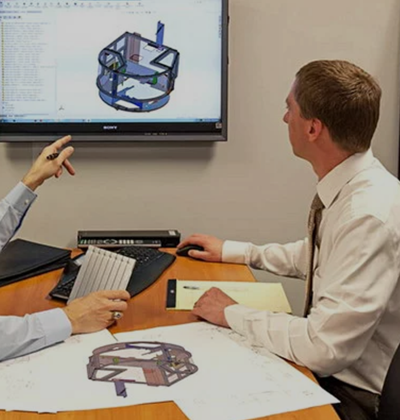
Physical prototyping involves creating actual physical models that represent the proposed product. These can range from basic handmade models to sophisticated machined components. Digital prototyping, conversely, utilises advanced software to create comprehensive 3D models and simulations that predict product performance without requiring physical construction.
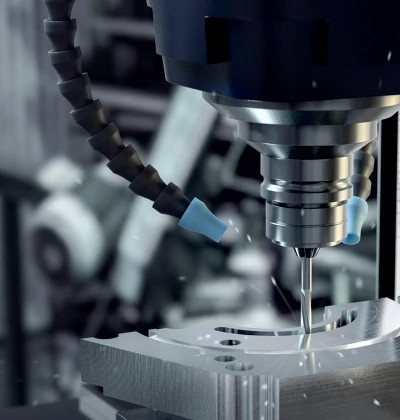
With advanced rapid prototyping techniques, organisations can now iterate designs faster and more cost-effectively than ever before. Technologies like 3D printing, CNC machining, and laser cutting have transformed how products are conceptualised, tested, and refined, enabling engineers to explore multiple design variations quickly and with minimal financial investment.

Prototyping has emerged as a critical strategic tool for businesses seeking to innovate, reduce risks, and optimize product development processes. Longdom Research highlights that prototyping offers numerous strategic benefits, including design validation, user feedback collection, cost savings, and comprehensive risk mitigation.
The key strategic benefits of prototyping for businesses include:
From a financial perspective, prototyping enables companies to test and refine product designs before full-scale production, substantially reducing the potential for expensive design errors. By creating preliminary models, organisations can gather critical user insights, validate design concepts, and make informed decisions that minimize development costs and potential product failure risks.
Advanced prototyping techniques have transformed how businesses approach product development. Modern prototyping technologies allow companies to create multiple design iterations quickly, test complex concepts, and bring innovative products to market with greater confidence and precision. This approach not only reduces financial risks but also provides a competitive edge by enabling faster, more responsive product development strategies.
Prototyping has become a transformative approach across diverse industries, enabling organisations to innovate and solve complex challenges more effectively. arXiv Research highlights that in software startups, prototyping plays a crucial role in addressing both technical and business challenges, allowing companies to iteratively develop and refine products while significantly reducing market failure risks.
Key industry applications of prototyping include:
In the technology sector, arXiv Research demonstrates how no-code AutoML is revolutionising product prototyping by enhancing accessibility and interpretability. This approach allows non-expert teams to participate actively in development processes, facilitating rapid prototyping and evaluation of innovative products across multiple domains.
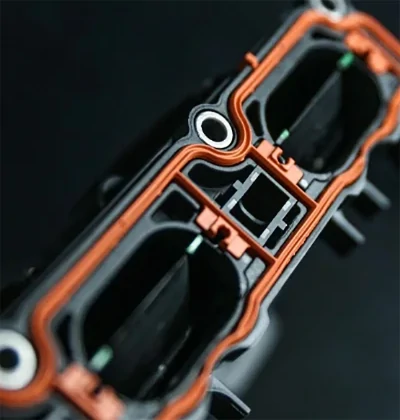
Consumer Electronics Prototypes have particularly benefited from advanced prototyping technologies, enabling manufacturers to quickly transform conceptual designs into functional models. By leveraging techniques like 3D printing and precision machining, companies can now reduce development cycles, test multiple design iterations, and bring cutting-edge products to market with unprecedented speed and precision.
Prototyping introduces a complex ecosystem of financial, temporal, and strategic considerations that can significantly impact product development trajectories. arXiv Research highlights that software startups frequently encounter challenges related to prototype planning, emphasizing the critical need for structured approaches to mitigate potential risks and improve development efficiency.
Key cost and risk factors in prototyping include:
The financial landscape of prototyping is multifaceted, requiring strategic investment and careful resource allocation. Companies must balance the upfront costs of prototype development against potential long-term savings by identifying design flaws early in the product development process. This approach prevents expensive modifications during later production stages and reduces the likelihood of market failure.
Rapid prototyping strategies have emerged as a powerful solution for managing these complex economic considerations. By leveraging advanced manufacturing technologies, organisations can create multiple design iterations quickly, test complex concepts, and make data-driven decisions that optimize both financial resources and development timelines. The goal is not just cost reduction, but creating a more intelligent, responsive product development ecosystem.
Prototype development demands a strategic approach to avoid common mistakes that can derail product innovation. arXiv Research reveals that many organizations struggle with vague planning and creating throw-away prototypes that fail to contribute meaningfully to the final product design, highlighting the critical need for structured prototyping methodologies.
Common pitfalls in prototyping include:
Prototype development techniques require a balanced approach that prioritizes iterative learning and continuous improvement. According to arXiv Research, best practices involve carefully balancing ease of use with the need for tailored solutions, ensuring that prototypes accurately reflect intended product functionality while remaining flexible and adaptable.
Successful prototyping demands a holistic strategy that integrates user feedback, maintains clear development objectives, and remains responsive to emerging design challenges. By embracing a systematic approach that values iteration, communication, and continuous refinement, organizations can transform prototyping from a potential risk into a powerful innovation driver.
Understanding the key role of prototyping in accelerating product innovation and reducing costly risks is essential. If you are facing challenges such as high iteration expenses, unclear prototype objectives, or the need to test complex designs rapidly, WJ Prototypes offers a trusted partner to turn your conceptual ideas into reality. Leveraging advanced technologies like SLA, CNC machining, and vacuum casting, we help you avoid common pitfalls like over-engineering or premature optimisation by delivering precise, functional prototypes and low-volume production runs.
Take control of your product development journey by working with experienced engineers at WJ Prototypes who prioritise speed, quality, and cost-effectiveness. Explore how our rapid prototyping methods can support your aerospace, medical device, or consumer electronics projects with agility and accuracy. Visit our comprehensive service offerings to discover solutions tailored to your needs and request an instant quote today — accelerate your path from design to market with confidence.
Prototyping serves multiple objectives in product development, including visualizing design concepts, testing functionality, identifying design challenges, reducing risks, and facilitating communication among team members.
Prototyping methods can be broadly categorized into physical prototyping, digital/virtual prototyping, rapid prototyping, simulation prototyping, and functional prototyping, each serving unique purposes in the product development process.
Prototyping offers strategic benefits such as accelerated product development cycles, reduced financial risks, enhanced design accuracy, improved stakeholder communication, and earlier identification of potential design flaws.
Common pitfalls in prototyping include lack of clear objectives, insufficient user feedback, over-engineering, resource misallocation, premature optimization, and ignoring scalability. A holistic strategy that emphasizes iteration and user input can help mitigate these issues.
SERVICES
RESOURCES