



- Room 1807, Unit 9, Building 2, Shangxing Commercial Street, Shangde Road, Shangxing Community, Xinqiao Subdistrict, Bao'an District, Shenzhen City, China
CONTACT US

WhatsApp


Contact Us
Our team is on stand by, waiting toassist you.

Videos
A large collection of educational videos and tutorials.

About Us
Learn about our company, leadership, and mission totransform manufacturing.

Privacy Policy
Applies to all personal information collected through and/or processed in connection.
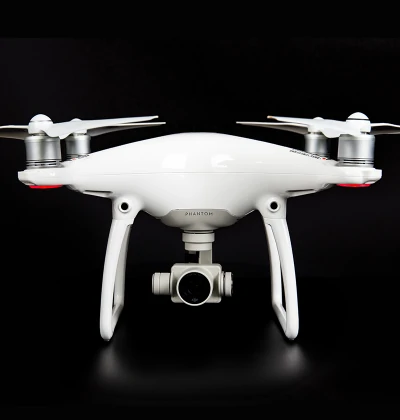

Aerospace & UAV
WJ Prototypes is your 3D manufacturing partner from prototype to large scale production.

Consumer Electronics
New Product Introduction Solutions for Consumer Electronics.

Robotics & Automation
Need some assistance bringing your robotic device or parts from the sketch-board to reality?

Medical Devices
The medical industry needs high quality, dependable and safe parts and products.

Automotive
New Product Introduction Solutions for Automotive

Industrial Machinery
The main purpose of industrial prototyping is to take the product from drawings into the real world.
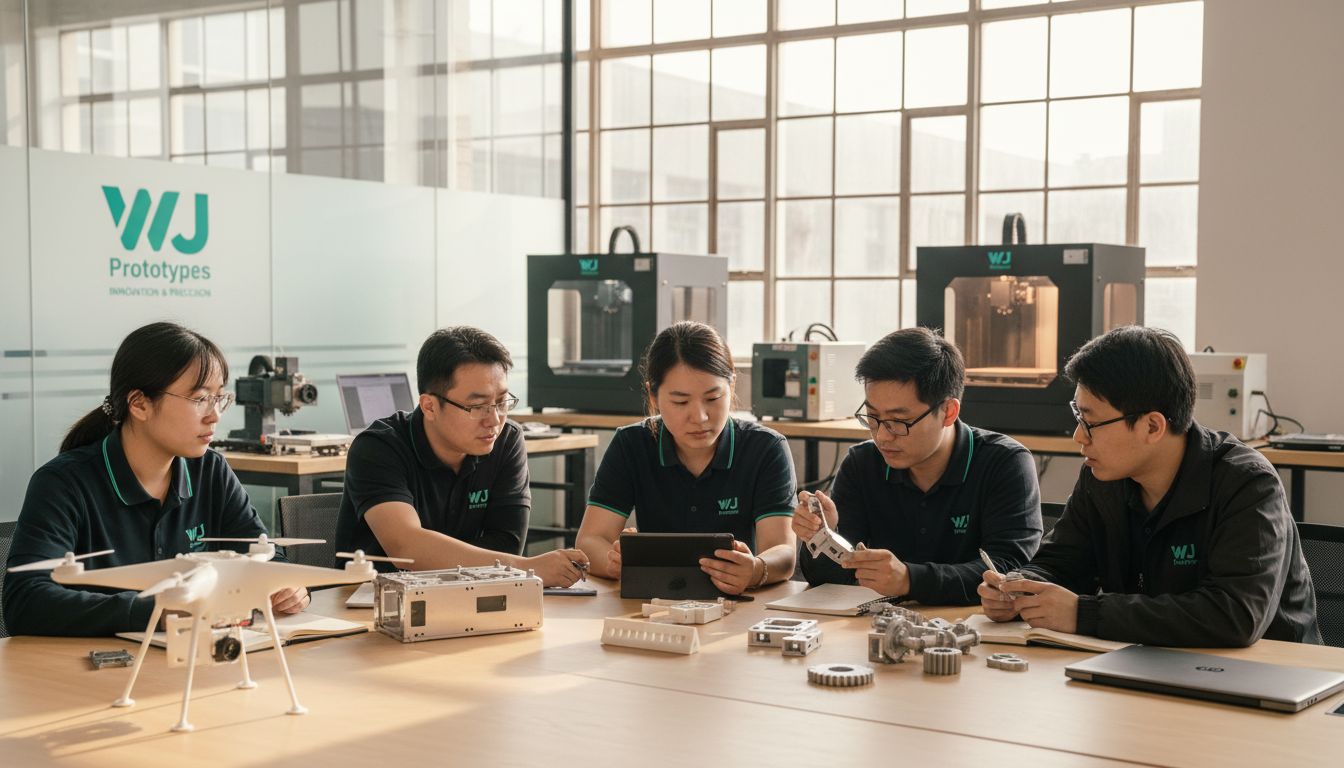

British engineers and designers are leading a shift in rapid prototyping, with over 80 percent now integrating advanced manufacturing methods into their workflows. This growing reliance on innovative technologies helps teams create functional prototypes faster and with greater accuracy than ever before. As new options emerge for everything from fine detail models to durable mechanical parts, understanding these choices gives professionals a real advantage when turning ideas into reliable physical products.
| Key Insight | Explanation |
|---|---|
| 1. SLA excels in fine detail | Stereolithography achieves exceptional surface quality and intricate detail in prototypes, ideal for high-precision applications. |
| 2. SLS offers durability | Selective Laser Sintering creates robust prototypes and end-use parts, providing superior strength and versatility. |
| 3. MJF enables rapid production | Multi Jet Fusion allows for fast production of functional parts with high dimensional accuracy and excellent mechanical properties. |
| 4. DMLS advances metal manufacturing | Direct Metal Laser Sintering produces intricate metal components that traditional methods cannot achieve, reducing material waste. |
| 5. CNC machining ensures precision | Computer Numerical Control machining delivers high dimensional accuracy and mechanical strength, suitable for various materials in engineering. |
Stereolithography represents a groundbreaking approach to precision engineering prototyping that enables designers to transform digital concepts into incredibly intricate physical models. This advanced 3D printing technique allows engineers to produce prototypes with extraordinary geometric complexity and microscopic detail levels that traditional manufacturing methods cannot achieve.
At its core, SLA operates through a fascinating process of photopolymerisation, where liquid resin transforms into solid structures through targeted ultraviolet laser curing. By methodically scanning and solidifying extremely thin resin layers, SLA can generate parts with remarkable resolution as precise as 0.05 millimetres. According to research from the International Journal of Current Trends in Technology, this technique delivers high-resolution prints particularly valuable in product design and engineering modelling.
Engineers find SLA particularly compelling for applications requiring exceptional surface quality and dimensional accuracy, such as:
The technology excels in producing components with smooth surfaces, minimal layer lines, and the ability to capture minute geometric features that other rapid prototyping methods struggle to replicate. By enabling designers to validate complex designs quickly and cost-effectively, SLA bridges the gap between digital imagination and physical reality.
When implementing SLA prototyping, engineers should consider material selection carefully. Different photopolymer resins offer varying mechanical properties transparent, flexible, heat-resistant or engineering-grade materials each suited to specific prototype requirements. Understanding these nuanced material characteristics allows for more targeted and successful prototype development.
For professionals seeking to leverage this technology, exploring SLA 3D printing services in China can provide comprehensive insights into advanced manufacturing capabilities that transform conceptual designs into precise physical representations.
Selective Laser Sintering represents a revolutionary approach to creating robust functional prototypes and end-use parts with exceptional mechanical properties. This advanced manufacturing technique transforms powdered materials into complex three-dimensional structures through precision laser technology, offering engineers an unparalleled method for producing durable components.
At its fundamental level, SLS operates by using a high-powered laser to selectively fuse powdered materials layer by layer. According to research from the Materials Science Journal, this technique facilitates rapid, versatile, and intricate prototype production across numerous applications, supporting a wide array of thermoplastic materials.
The key advantages of SLS prototyping include:
Engineers find SLS particularly compelling because it enables the creation of functional prototypes without requiring additional support structures. The unsintered powder surrounding the printed part acts as a natural support mechanism, allowing for intricate designs that would be challenging or impossible with traditional manufacturing methods.
Practical applications span multiple industries, from aerospace and automotive engineering to medical device development. Components produced through SLS can withstand significant mechanical stress, making them ideal for functional testing and end-use parts. This technology proves especially valuable when creating intricate mechanical assemblies, lightweight structural components, and complex geometrical designs.
For professionals seeking to leverage this cutting edge technology, exploring SLS 3D printing services can provide comprehensive insights into advanced manufacturing capabilities that transform conceptual designs into robust physical representations.
Multi Jet Fusion represents a quantum leap in advanced additive manufacturing, offering engineers an unprecedented method for creating functional prototypes with exceptional precision and mechanical performance. This innovative 3D printing technology enables the rapid production of complex parts with superior dimensional accuracy and remarkable material properties.
Unlike traditional manufacturing techniques, MJF operates by selectively applying thermal energy to powdered materials, fusing them into intricate three dimensional structures with remarkable consistency. According to research exploring advanced manufacturing capabilities, studies have demonstrated MJF’s potential in fabricating sophisticated components with complex geometries, particularly when working with materials like Nylon-12.
The key advantages of Multi Jet Fusion prototyping include:
Engineers find MJF particularly compelling because it allows for the creation of functional prototypes that closely mimic final production components. The technology enables precise control over thermal energy application, resulting in parts with consistent mechanical characteristics and exceptional structural integrity.
Practical applications span multiple industries, from aerospace and automotive engineering to medical device development. MJF proves especially valuable when creating intricate mechanical assemblies, lightweight structural components, and parts requiring high performance under demanding operational conditions.
For professionals seeking to leverage this cutting edge technology, exploring MJF 3D printing services in China can provide comprehensive insights into advanced manufacturing capabilities that transform conceptual designs into robust functional prototypes.
Direct Metal Laser Sintering represents a revolutionary approach to metal manufacturing, enabling engineers to transform complex digital designs into high performance metallic components with unprecedented precision. This advanced additive manufacturing technique allows for the creation of intricate metal parts that would be impossible or prohibitively expensive using traditional subtractive methods.
At its fundamental level, DMLS operates by using a powerful laser to selectively fuse metallic powders into fully dense, structurally robust three dimensional components. Research from materials science demonstrates that components produced through this technique can achieve mechanical properties equivalent to conventionally processed materials, as evidenced by studies on titanium alloy fabrication.
The key advantages of Direct Metal Laser Sintering include:
Engineers find DMLS particularly compelling because it enables the production of parts with intricate internal structures, optimised lattice designs, and geometries that would be challenging or impossible to manufacture through traditional machining techniques. The technology allows for unprecedented design freedom, supporting complex cooling channels, integrated features, and topology optimised components.
Practical applications span multiple high performance industries, including aerospace, automotive, medical device manufacturing, and precision engineering. DMLS proves especially valuable when creating lightweight components with superior strength to weight ratios, such as turbine blades, surgical implants, and complex mechanical assemblies.
For professionals seeking to leverage this cutting edge technology, exploring DMLS 3D printing services in China can provide comprehensive insights into advanced metal manufacturing capabilities that transform conceptual designs into functional metallic prototypes.
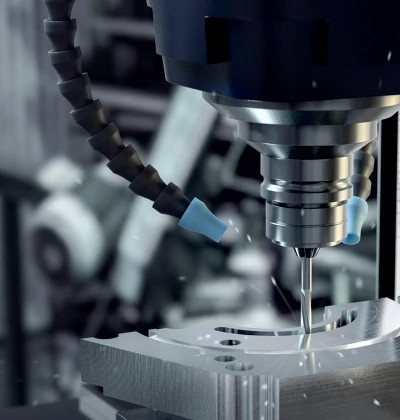
Computer Numerical Control (CNC) machining represents the gold standard for engineers seeking to transform raw materials into precisely engineered components with exceptional dimensional accuracy and mechanical strength. This subtractive manufacturing technique enables the creation of complex parts by systematically removing material from a solid block using computer controlled cutting tools.
Unlike additive manufacturing processes, CNC machining begins with a solid material block and strategically removes material to reveal the desired component geometry. The technology provides unparalleled control over material properties, surface finish, and geometric tolerances, making it an indispensable technique for creating high performance prototypes and end use parts.
The key advantages of CNC machining include:
Engineers find CNC machining particularly compelling because it supports an extensive range of materials including metals, plastics, ceramics, and composites. The technique allows for extremely tight tolerances often within 0.01 millimetres, which is critical for applications requiring precise mechanical interfaces or functional prototypes.
Practical applications span multiple high performance industries, including aerospace, automotive, medical device manufacturing, and precision engineering. CNC machining proves especially valuable when creating components that demand rigorous mechanical performance, structural integrity, and dimensional precision.
For professionals seeking to leverage this advanced manufacturing technology, exploring the comprehensive guide to CNC machining can provide invaluable insights into optimising design strategies and understanding the full potential of this powerful manufacturing approach.
Vacuum casting represents a sophisticated manufacturing technique that bridges the gap between prototype development and small scale production, enabling engineers to create high fidelity parts with remarkable precision and material versatility. This method allows for the rapid production of functional prototypes and limited production runs using silicone moulds and high performance polyurethane resins.
The process involves creating a master pattern using technologies like 3D printing, then generating a precise silicone mould through which liquid polymer materials are carefully injected under controlled vacuum conditions. This approach ensures minimal air bubbles, exceptional surface quality, and consistent part reproduction with mechanical properties closely mimicking final production materials.
The key advantages of vacuum casting include:
Engineers find vacuum casting particularly compelling because it allows for quick iteration and testing of design concepts without committing to expensive injection moulding tooling. The technique supports a wide range of material properties from flexible to rigid polymers, enabling comprehensive functional and aesthetic prototype evaluation.
Practical applications span multiple industries including medical device development, automotive design, consumer electronics, and industrial equipment prototyping. Vacuum casting proves especially valuable when engineers need to validate design concepts, test ergonomics, or produce small quantities of functional components for market testing or initial product validation.
For professionals seeking to leverage this versatile manufacturing approach, exploring vacuum casting services in China can provide comprehensive insights into advanced prototyping capabilities that transform conceptual designs into tangible, testable components.
Injection moulding stands as a pivotal manufacturing technique that enables engineers to transform design concepts into high volume, precision engineered components with remarkable efficiency and consistency. This advanced manufacturing process involves injecting molten material typically thermoplastic polymers under extremely high pressure into precisely designed metal moulds, creating complex parts with exceptional dimensional accuracy.
The core mechanism of injection moulding revolves around heating raw material until it reaches a molten state, then forcefully injecting this liquid into a meticulously crafted mould cavity. Once the material cools and solidifies, the mould opens, releasing a fully formed component with intricate geometric features and repeatable mechanical properties.
The key advantages of injection moulding include:
Engineers find injection moulding particularly compelling because it supports rapid transition from prototype to production, enabling manufacturers to quickly validate designs and initiate commercial manufacturing. The technique allows for creating components with superior surface finish, tight tolerances, and complex internal structures that would be challenging to produce through alternative manufacturing methods.
Practical applications span multiple industries including automotive, consumer electronics, medical devices, and industrial equipment manufacturing. Injection moulding proves especially valuable when engineers need to produce large quantities of identical components with minimal variation and exceptional mechanical performance.
For professionals seeking to optimise their product development process, exploring comprehensive design guidelines for injection moulding can provide critical insights into maximising manufacturing efficiency and part quality.
The table below summarises the main 3D printing and manufacturing techniques discussed in the article, highlighting their core processes, advantages, and practical applications.
| Technique | Core Process | Advantages | Applications |
|---|---|---|---|
| Stereolithography (SLA) | Photopolymerisation using UV laser curing | Geometric complexity, microscopic detail, high surface quality | Medical devices, jewellery, architectural models |
| Selective Laser Sintering (SLS) | Fusing powdered materials with a laser | Mechanical strength, material versatility, no support structures needed | Aerospace, automotive, medical devices |
| Multi Jet Fusion (MJF) | Selective thermal energy application to powders | Rapid production, excellent surface quality, high dimensional accuracy | Aerospace, intricate assemblies, lightweight components |
| Direct Metal Laser Sintering (DMLS) | Laser fusion of metallic powders | Complex geometries, reduced waste, enhanced mechanical properties | High-performance industries, turbine blades, implants |
| CNC Machining | Subtractive process using cutting tools | Dimensional accuracy, mechanical strength, wide material compatibility | Precision engineering, mechanical interfaces, structural integrity |
| Vacuum Casting | Creating silicone moulds for polymer resins | Rapid production, material simulation, cost-effective for low volumes | Small batch production, ergonomic testing |
| Injection Moulding | Injecting molten material into moulds | High efficiency, consistent reproduction, complex structures | High-volume production, consumer electronics, automotive parts |
Engineering professionals face critical challenges in balancing precision, speed and material versatility when developing prototypes and small production runs. This article highlights seven essential rapid prototyping techniques including SLA, SLS, MJF, DMLS and CNC machining, each offering specific benefits such as exceptional surface quality, mechanical strength and complex geometries. The pressure to accelerate product development while ensuring high fidelity and functional performance is real and demands a manufacturing partner who can deliver reliability, innovation and cost efficiency.
At WJ Prototypes, we specialise in turning these prototyping challenges into opportunities with a full range of additive manufacturing and traditional fabrication services. Whether you require the fine detail of SLA 3D printing in China for intricate models, the robust functionality afforded by SLS printing, or the superior mechanical properties achievable through DMLS metal printing, our experienced engineers optimise each process to meet your exact specifications. Embrace rapid prototyping that combines material expertise with quick turnaround times and a global delivery network.
Are you ready to transform your design ideas into precise, functional prototypes that accelerate market readiness? Discover how WJ Prototypes can empower your engineering projects with cost-effective, high-quality solutions tailored to demanding industries such as aerospace, automotive and medical devices. Contact us today to explore your prototyping options and experience the confidence of working with a trusted ISO certified partner.
Stereolithography (SLA) is a 3D printing technique that uses ultraviolet light to solidify liquid resin into precise models. Engineers often use SLA for creating detailed prototypes, such as medical devices or intricate mechanical parts, due to its ability to capture minute features. Consider experimenting with SLA when you need high-resolution samples for design validation.
Selective laser sintering (SLS) fuses powdered materials together using a laser, creating robust parts with excellent mechanical properties. This method reduces the need for support structures, allowing for complex designs that can withstand significant stress. Assess your requirements for functional parts and choose SLS for enhanced durability in your prototypes.
Multi jet fusion (MJF) provides rapid production of functional prototypes with high dimensional accuracy and strong mechanical performance. The technology excels in creating complex geometrical designs, making it ideal for applications that require parts to closely resemble final production components. Evaluate your project timelines and choose MJF for quick turnaround times while maintaining quality.
Direct metal laser sintering (DMLS) is ideal for creating intricate metal parts with exceptional strength and precision. This technique is particularly beneficial for industries requiring lightweight structures and complex internal designs, such as aerospace and medical devices. Incorporate DMLS when your project demands high-performance metal components and intricate engineering.
CNC machining is a subtractive manufacturing method that offers exceptional dimensional accuracy and strength for various materials. It’s particularly useful for producing parts with tight tolerances and superior surface finishes. Leverage CNC machining when you need precise prototypes with excellent mechanical properties to meet strict specifications.
Vacuum casting is well-suited for low-volume production and testing of high-fidelity prototypes using silicone moulds. It’s particularly effective in industries like medical devices and consumer electronics where iterative design testing is crucial. Utilise vacuum casting for rapid prototyping when you need to evaluate several design concepts before committing to large scale production.
SERVICES
RESOURCES