



- Room 1807, Unit 9, Building 2, Shangxing Commercial Street, Shangde Road, Shangxing Community, Xinqiao Subdistrict, Bao'an District, Shenzhen City, China
CONTACT US

WhatsApp


Contact Us
Our team is on stand by, waiting toassist you.

Videos
A large collection of educational videos and tutorials.

About Us
Learn about our company, leadership, and mission totransform manufacturing.

Privacy Policy
Applies to all personal information collected through and/or processed in connection.
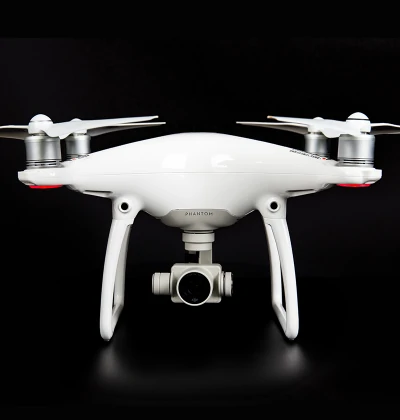

Aerospace & UAV
WJ Prototypes is your 3D manufacturing partner from prototype to large scale production.

Consumer Electronics
New Product Introduction Solutions for Consumer Electronics.

Robotics & Automation
Need some assistance bringing your robotic device or parts from the sketch-board to reality?

Medical Devices
The medical industry needs high quality, dependable and safe parts and products.

Automotive
New Product Introduction Solutions for Automotive

Industrial Machinery
The main purpose of industrial prototyping is to take the product from drawings into the real world.

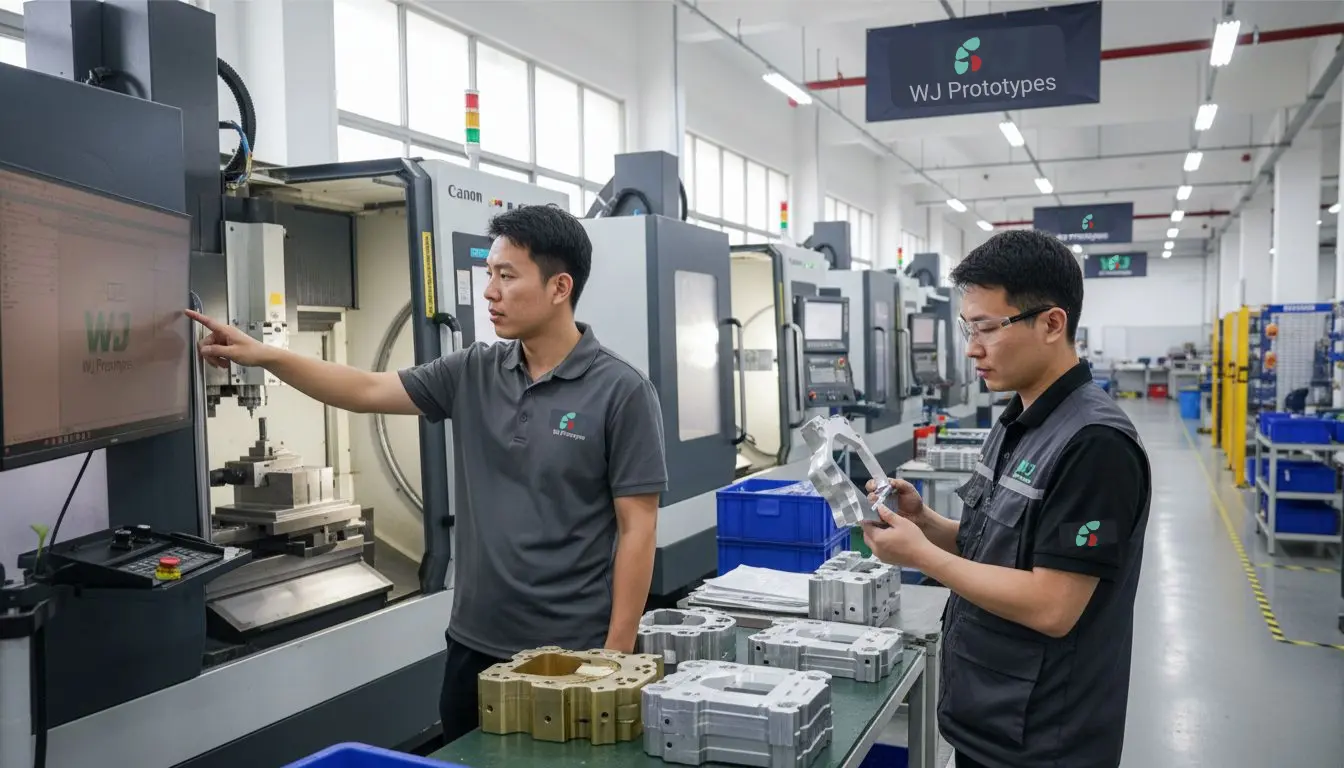
Over 70 percent of british manufacturers rely on CNC prototyping to achieve precise and repeatable results that manual methods cannot match. In a world where product innovation moves quickly, accurate prototypes mean the difference between leading the market and falling behind. Whether you are refining a complex design or testing materials, understanding CNC prototyping gives you the power to turn digital ideas into expertly crafted components with stunning consistency.
| Point | Details |
|---|---|
| CNC Prototyping Definition | CNC prototyping automates the conversion of digital designs into precise physical prototypes using advanced machining technologies. |
| Key Characteristics | It offers high precision, rapid iteration, material versatility, and the ability to create complex geometries. |
| Industrial Applications | Utilised across sectors such as aerospace, automotive, medical, robotics, and electronics for intricate component design. |
| Benefits Over Alternatives | Provides superior precision, reduced costs, design flexibility, and enhanced scalability compared to traditional methods. |
Computer numerical control (CNC) prototyping represents a sophisticated manufacturing approach that transforms digital design concepts into precise physical prototypes through automated machining processes. Wikipedia defines CNC as an "automated control of machining tools by means of a computer", enabling manufacturers to create highly accurate and repeatable components across multiple industries.
At its core, CNC prototyping involves converting computer-aided design (CAD) models into instructions that guide specialized machinery with remarkable precision. Engineers and designers input detailed digital blueprints, which sophisticated computer systems then translate into exact manufacturing commands. These instructions control multiple aspects of production, including cutting paths, material removal rates, tool movements, and intricate geometric details - all executed with micrometre-level accuracy.
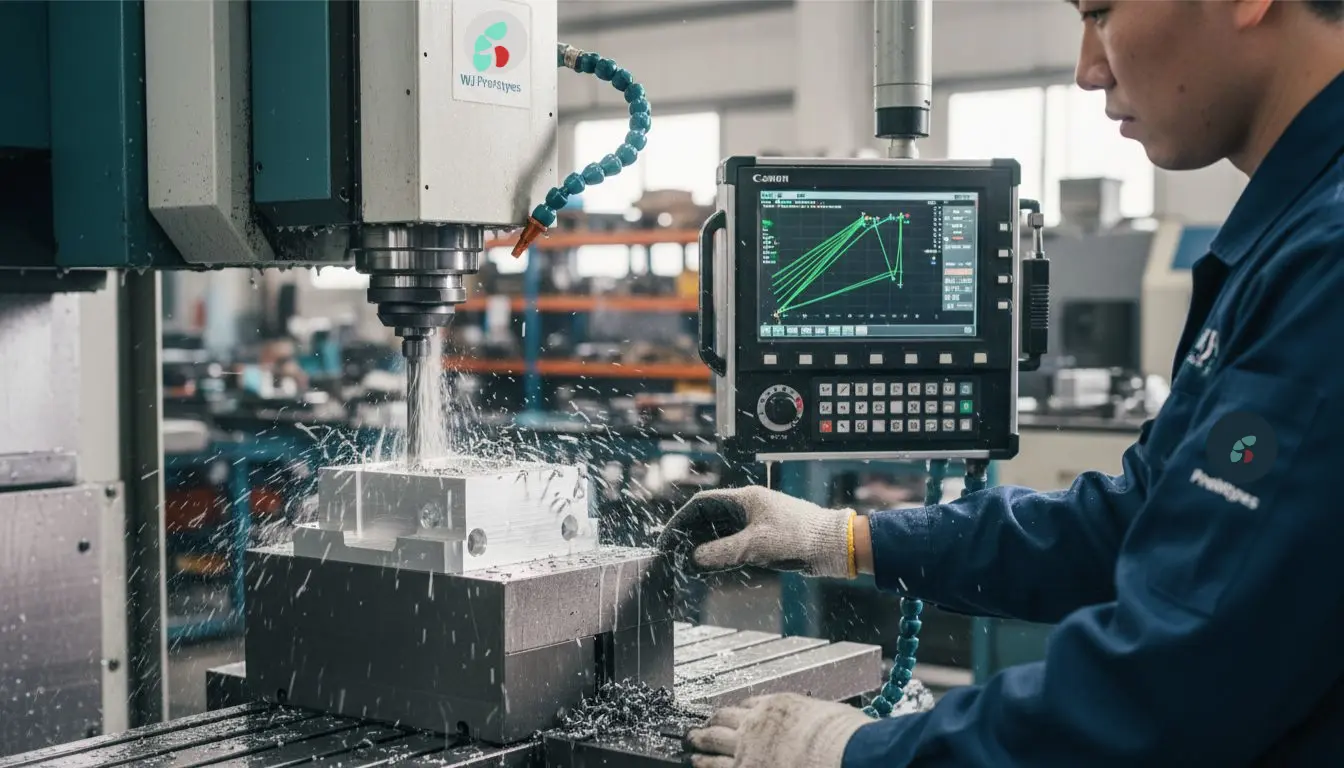
The key characteristics of CNC prototyping include:
For professionals seeking comprehensive insights into advanced manufacturing techniques, our guide on the role of CNC machining offers an in-depth exploration of this transformative technology. CNC prototyping represents more than just a manufacturing method - it's a bridge between digital innovation and tangible product development, enabling engineers and designers to bring complex ideas to life with unprecedented accuracy and efficiency.
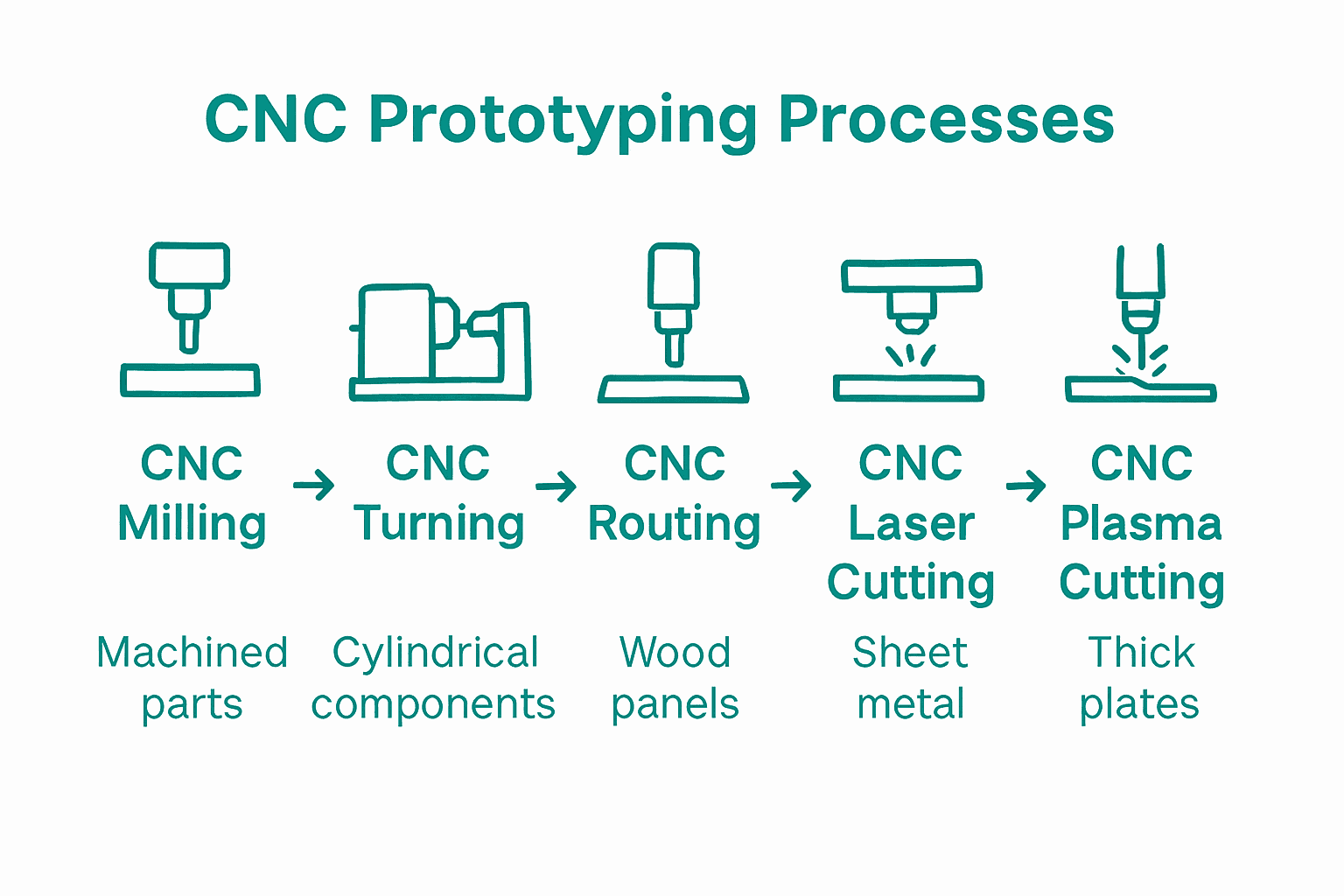
CNC prototyping encompasses multiple sophisticated machining processes, each tailored to specific design requirements and material characteristics. These advanced manufacturing techniques transform digital blueprints into precise physical components through distinct technological approaches, enabling engineers to select the most appropriate method for their unique project needs.
For professionals seeking deeper insights into selecting the right prototyping approach, our guide on choosing rapid prototyping processes provides comprehensive strategies for navigating these advanced manufacturing techniques. Understanding the nuanced capabilities of each CNC prototyping process empowers engineers and designers to make informed decisions that balance precision, efficiency, and cost-effectiveness in their product development journey.
CNC prototyping transforms digital designs into physical prototypes through a sophisticated, multi-stage manufacturing process that bridges computer-aided design with precision machining. This intricate workflow combines advanced software, powerful computational systems, and highly specialized machinery to convert conceptual ideas into tangible, meticulously crafted components.
The CNC prototyping process unfolds through several critical stages:
For engineers seeking comprehensive insights into prototyping methodologies, our rapid prototyping guide offers advanced strategies for navigating complex manufacturing workflows. Understanding each stage of CNC prototyping empowers design teams to transform innovative concepts into precisely engineered physical prototypes with unprecedented efficiency and accuracy.
CNC prototyping has revolutionised manufacturing across multiple industries, transforming how organisations design, develop, and produce complex components with unprecedented precision and efficiency. This advanced technological approach enables engineers and designers to create intricate parts that were previously impossible or prohibitively expensive to manufacture.
Key industrial sectors leveraging CNC prototyping include:
For professionals seeking deeper insights into emerging manufacturing technologies, our market insights for precision metal parts manufacturing provides comprehensive analysis of cutting-edge industrial trends. CNC prototyping represents more than a manufacturing technique - it's a transformative technology enabling unprecedented innovation across global industrial landscapes.
CNC prototyping represents a quantum leap in manufacturing technology, offering unprecedented advantages that dramatically outperform traditional manufacturing methods. By leveraging advanced computational control and precision machining, this approach transforms product development with capabilities that conventional techniques simply cannot match.
For engineering teams seeking comprehensive insights into modern prototyping methodologies, our role of prototyping in product development guide provides strategic perspectives on leveraging advanced manufacturing technologies. CNC prototyping isn't just an alternative manufacturing method - it's a transformative approach that redefines how organisations conceptualise, design, and bring innovative products to market.
CNC prototyping, while revolutionary, is not without its economic complexities and technical challenges. Understanding the nuanced landscape of potential limitations helps engineers and product developers make informed decisions about their manufacturing strategies.
ArXiv research highlights that manufacturing cost prediction for CNC machined parts requires sophisticated analytical approaches. Key cost factors include:
Design Constraints
Design-Related Issues
For engineers seeking comprehensive strategies to navigate these challenges, our role of prototyping in product development guide provides advanced insights into mitigating technical and economic risks in modern manufacturing processes. Understanding these limitations transforms potential obstacles into opportunities for innovative engineering solutions.
Navigating the complexities of CNC prototyping requires not only understanding the technology but also partnering with a manufacturer who delivers precision, rapid iteration, and material versatility. If you are facing challenges like tight tolerances, complex geometries, or the need to swiftly transition from design to physical prototype, these are exactly the hurdles WJ Prototypes specialises in overcoming. Our expertise in multi-axis CNC machining ensures your concepts are crafted with micrometre-level accuracy and consistent quality.
Explore how WJ Prototypes can accelerate your product development by leveraging advanced manufacturing technologies tailored for aerospace, medical, automotive, and more. Gain access to fast turnarounds, cost-effective solutions, and expert guidance that turns your CAD files into flawless prototypes or production parts. Discover detailed service options in our rapid prototyping guide and learn how to optimise design for manufacturing challenges in our role of prototyping in product development guide. Take control of your next CNC prototyping project today with WJ Prototypes and experience precision and speed that bring your innovations to market faster than ever.
CNC prototyping is an advanced manufacturing technique that uses computer numerical control to transform digital design models into precise physical prototypes through automated machining processes.
The main types include CNC milling, CNC turning, CNC routing, CNC laser cutting, and CNC plasma cutting, each tailored for specific design requirements and materials.
CNC prototyping offers benefits such as high precision, reduced material waste, faster production cycles, design flexibility, and scalability, making it more efficient than conventional manufacturing techniques.
The CNC prototyping process involves several steps: design preparation in CAD, conversion to CAM instructions, machine setup, material machining, and quality inspection to ensure the prototype meets specifications.
SERVICES
RESOURCES