



- Room 1807, Unit 9, Building 2, Shangxing Commercial Street, Shangde Road, Shangxing Community, Xinqiao Subdistrict, Bao'an District, Shenzhen City, China
CONTACT US

WhatsApp


Contact Us
Our team is on stand by, waiting toassist you.

Videos
A large collection of educational videos and tutorials.

About Us
Learn about our company, leadership, and mission totransform manufacturing.

Privacy Policy
Applies to all personal information collected through and/or processed in connection.
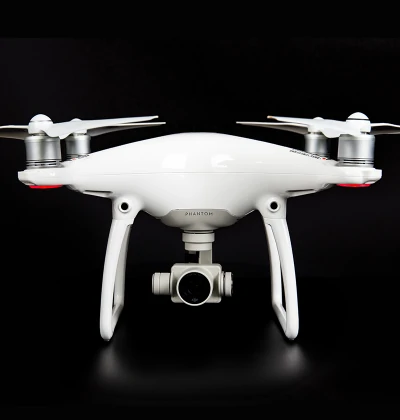

Aerospace & UAV
WJ Prototypes is your 3D manufacturing partner from prototype to large scale production.

Consumer Electronics
New Product Introduction Solutions for Consumer Electronics.

Robotics & Automation
Need some assistance bringing your robotic device or parts from the sketch-board to reality?

Medical Devices
The medical industry needs high quality, dependable and safe parts and products.

Automotive
New Product Introduction Solutions for Automotive

Industrial Machinery
The main purpose of industrial prototyping is to take the product from drawings into the real world.

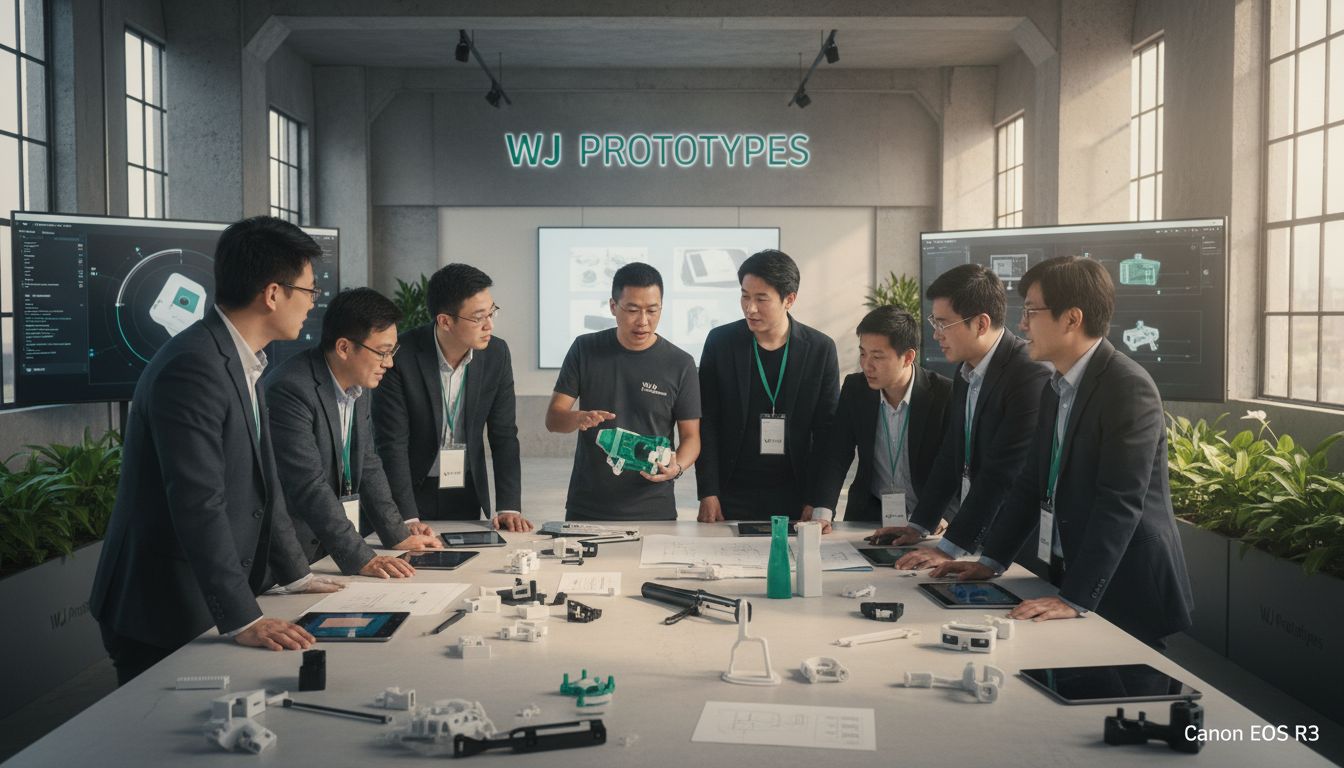
Most product designers know that developing a new idea rarely follows a straight path. A prototype opens the door to clearer thinking and smarter decisions, giving teams a real way to test concepts before committing. In fact, experts say early prototyping can cut production costs by as much as 50%. By understanding prototyping's true role, design teams set themselves up for fewer surprises and better results throughout product development.
| Point | Details |
|---|---|
| Prototyping is essential in product design | It transforms conceptual ideas into tangible models for evaluation, aiding in design refinement and communication with stakeholders. |
| Diverse prototype types serve specific purposes | From feasibility assessments to user experience evaluations, understanding prototype classifications enhances strategic decision-making in product development. |
| Iterative design processes enhance user-centric outcomes | Continuous feedback integration and refinement are vital for aligning prototypes with user needs and expectations. |
| Avoid common misconceptions about prototyping | Designers should resist the urge for perfection and recognise that low-fidelity prototypes can effectively validate essential concepts. |
Prototyping represents a fundamental process in product design where conceptual ideas transform into tangible models for evaluation and refinement. According to Cambridge Design Science, prototyping involves creating preliminary representations of a product to explore and validate critical design concepts before full-scale production.
At its core, prototyping serves multiple strategic purposes for product designers and engineers. These purposes include:
The process is inherently iterative and dynamic. Design Society emphasises that prototyping enables designers to gather crucial information about a product's potential behaviour and performance, ultimately helping organisations minimise the risk of developing products with fundamental flaws.
While prototypes can range from simple hand-drawn sketches to sophisticated 3D-printed models, their primary objective remains consistent: transforming theoretical design concepts into physical representations that can be analysed, tested, and refined. Whether you are developing a complex medical device or a consumer electronics product, prototyping provides a critical bridge between imaginative design and practical, market-ready solutions.
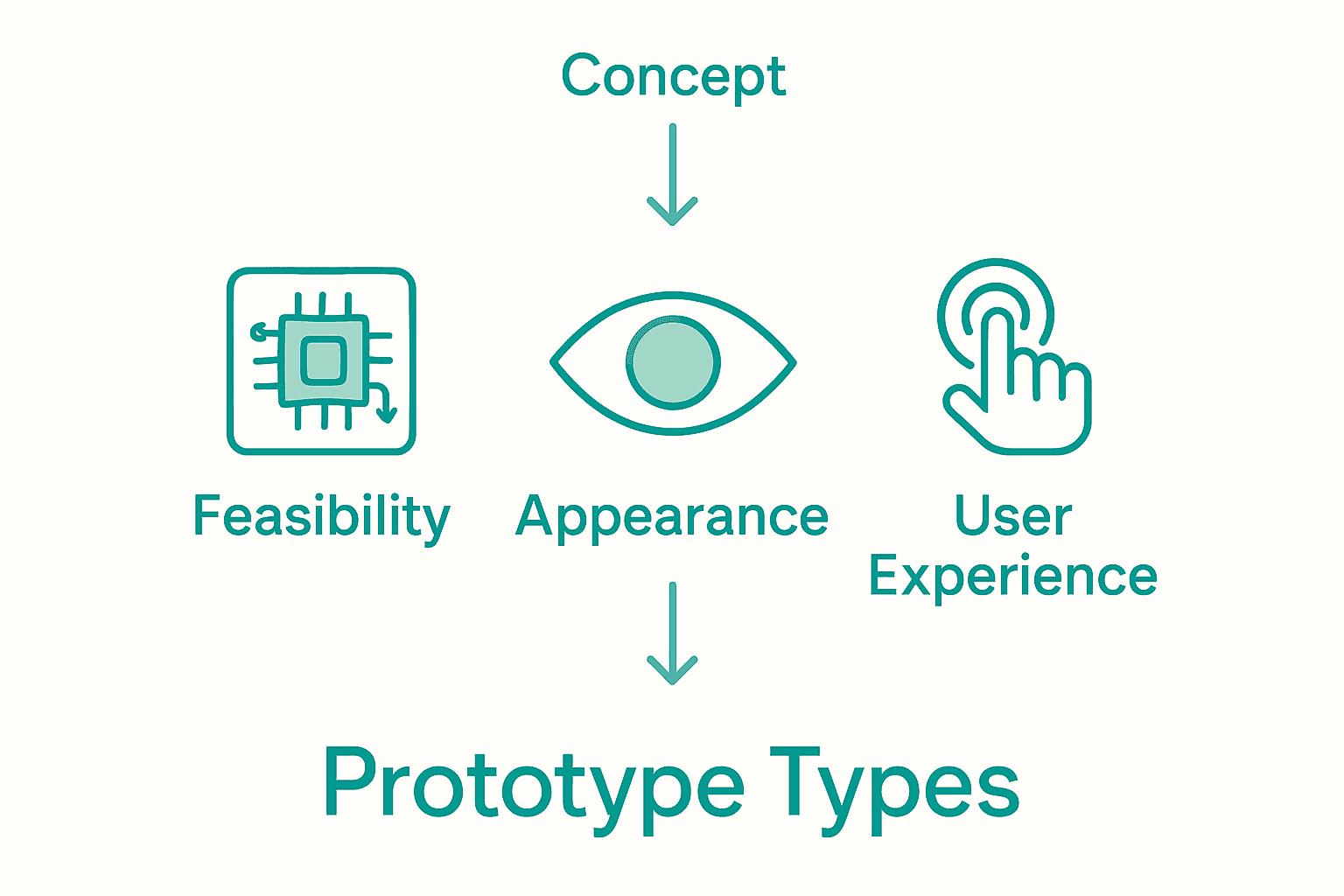
Prototype classifications provide critical insights into the product development process, enabling design teams to strategically approach product refinement. DesignRush highlights that prototypes can be categorised based on specific objectives, ranging from technical feasibility assessment to aesthetic evaluation and user experience design.
These prototype types encompass several fundamental categories:
Each prototype type serves a unique purpose in the product development lifecycle. Feasibility prototypes, for instance, help engineers determine whether a proposed design can actually be manufactured within existing technological and economic constraints. Appearance prototypes, by contrast, allow designers to explore visual language, material interactions, and aesthetic appeal before committing to full-scale production.
Understanding these diverse prototype classifications enables design teams to make informed decisions, reduce development risks, and create more refined, market-ready products.
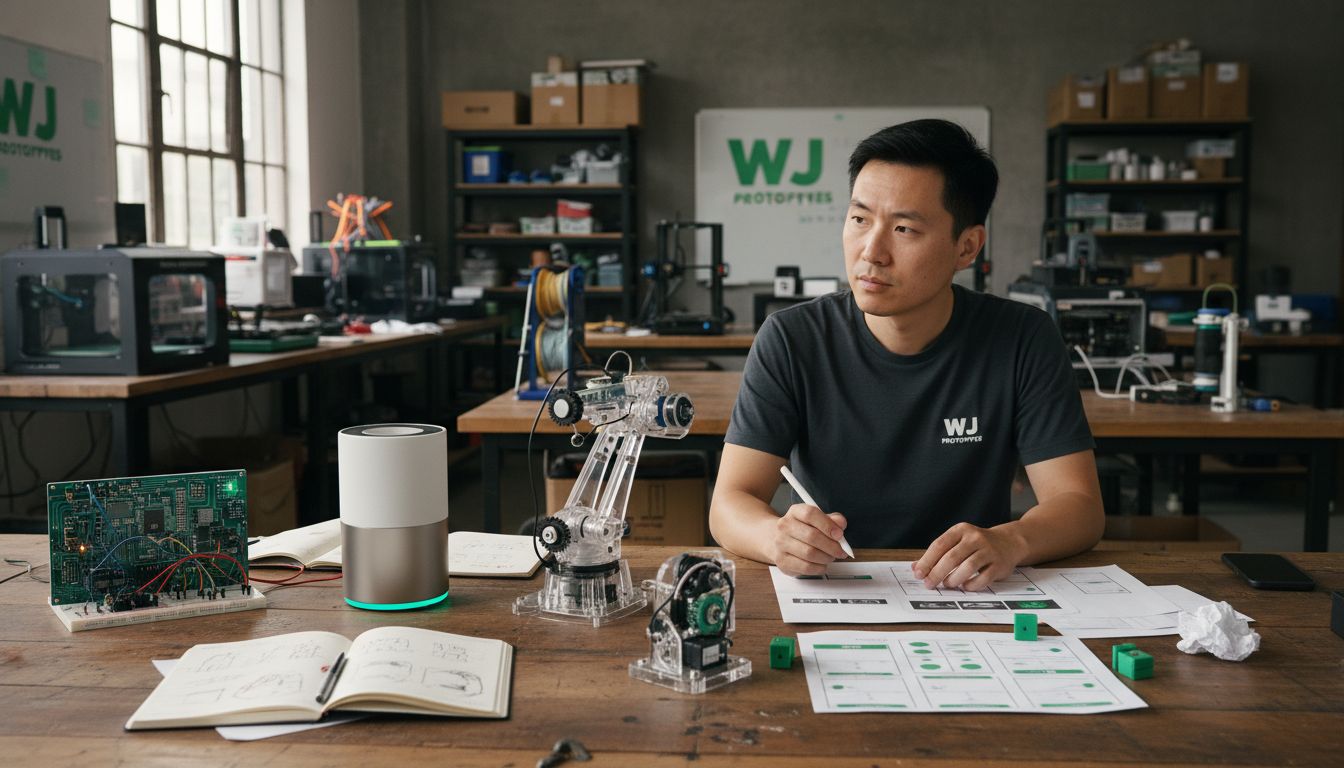
For teams seeking to enhance their prototyping approach, rapid prototyping best practices guide offers additional insights into optimising the product development process.
Design workflows integrate prototyping as a dynamic and iterative process that transforms conceptual ideas into tangible solutions. According to Wikipedia's Iterative Design, prototyping is fundamental to design methodologies, involving a cyclic approach of creating, testing, analysing, and continuously refining a product based on comprehensive feedback and testing results.
The prototyping workflow typically encompasses several interconnected stages:
User-Centered Design research emphasises the critical role of prototyping in understanding and addressing user needs. By creating models that directly focus on user experiences, designers can gather valuable insights that inform and enhance the final product design. This approach ensures that the development process remains responsive to real-world user requirements and expectations.
For design teams looking to optimise their prototyping strategies, the role of prototyping in product development guide provides comprehensive insights into creating more effective and user-centric design workflows.
Prototyping presents a complex landscape of strategic advantages and inherent challenges for product development teams. Wikipedia's Digital Prototyping research highlights significant benefits, demonstrating how virtual exploration can dramatically reduce development time and associated production costs before committing to full-scale manufacturing.
The key benefits of prototyping include:
Paper Prototyping research reveals that while prototyping offers numerous advantages, it also presents notable limitations. Cost-effective early-stage testing methods can struggle with accurately simulating complex interactive features, potentially leading to misinterpretations of static design representations. This suggests that designers must carefully select prototyping approaches that best match their specific product development requirements.
For design teams seeking to navigate these nuanced prototyping challenges, the rapid prototyping versus traditional methods guide provides comprehensive strategies for maximising prototyping effectiveness while minimising potential limitations.
Prototype development requires nuanced understanding to avoid critical errors that can derail product design processes. Cambridge Design Science highlights a fundamental misconception that prototypes must be elaborate or fully functional, emphasising that low-fidelity prototypes can effectively test core concepts and gather meaningful user feedback without extensive resource investment.
Common misconceptions in prototyping include:
Iterative Design research warns against neglecting the cyclical nature of prototype development. Failing to systematically incorporate feedback and continuously refine prototypes can result in designs that fundamentally misalign with user requirements or project specifications. Successful prototyping demands a flexible, adaptive approach that prioritises learning and incremental improvement.
For design teams seeking to navigate these challenges effectively, the rapid prototyping key industry benefits guide provides strategic insights into developing more robust and user-centric prototyping methodologies.
Navigating the complexities of prototyping in product design can often feel overwhelming, especially when striving to balance rapid iteration, risk mitigation, and user-centred refinement. This comprehensive guide highlights common challenges like avoiding perfection paralysis, managing feature overload, and selecting the right prototype type to validate your concepts effectively. If you seek to transform your designs from mere concepts into tangible, market-ready solutions while reducing costly errors along the way, partnering with the right experts is crucial.
At WJ Prototypes, we specialise in providing high-quality rapid prototyping and manufacturing services tailored to your unique development needs. Whether you require advanced additive manufacturing technologies such as SLA, SLS, or DMLS, or precision CNC machining and injection moulding, our ISO-certified facility supports quick turnarounds without compromising on quality. Through our deep understanding of iterative prototyping and user-centred workflows, we help you accelerate product refinement while controlling costs and avoiding common pitfalls. Discover how our comprehensive suite of services can bridge the gap between your innovative ideas and successful real-world products by visiting WJ Prototypes today and get an instant quote to start your journey toward smarter, faster product development.
Prototyping serves to visualise abstract design concepts, test functional performance, identify potential design challenges, reduce risks associated with product development, and facilitate communication between design teams and stakeholders.
Prototypes can be categorised into several types, such as feasibility prototypes (to assess technical viability), appearance prototypes (focusing on visual design), functional prototypes (demonstrating core functionalities), user experience prototypes (assessing usability), and proof of concept prototypes (validating design principles).
Prototyping integrates into design workflows as an iterative process, encompassing stages of conceptualisation, model creation, testing and evaluation, feedback integration, and refinement to continuously improve the product based on user insights and testing results.
Common misconceptions include believing prototypes must be fully functional, waiting for the 'perfect' prototype before testing, overcommitting resources in early iterations, attempting to include excessive functionalities, and relying too heavily on a single prototype approach.
SERVICES
RESOURCES