



- Room 1807, Unit 9, Building 2, Shangxing Commercial Street, Shangde Road, Shangxing Community, Xinqiao Subdistrict, Bao'an District, Shenzhen City, China
CONTACT US

WhatsApp


Contact Us
Our team is on stand by, waiting toassist you.

Videos
A large collection of educational videos and tutorials.

About Us
Learn about our company, leadership, and mission totransform manufacturing.

Privacy Policy
Applies to all personal information collected through and/or processed in connection.
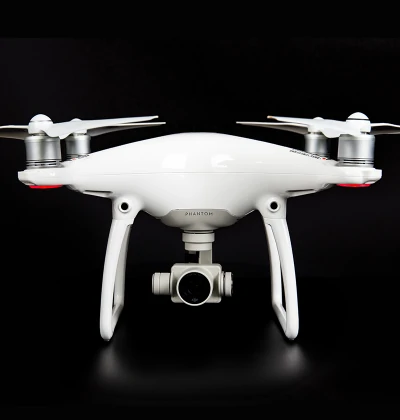

Aerospace & UAV
WJ Prototypes is your 3D manufacturing partner from prototype to large scale production.

Consumer Electronics
New Product Introduction Solutions for Consumer Electronics.

Robotics & Automation
Need some assistance bringing your robotic device or parts from the sketch-board to reality?

Medical Devices
The medical industry needs high quality, dependable and safe parts and products.

Automotive
New Product Introduction Solutions for Automotive

Industrial Machinery
The main purpose of industrial prototyping is to take the product from drawings into the real world.

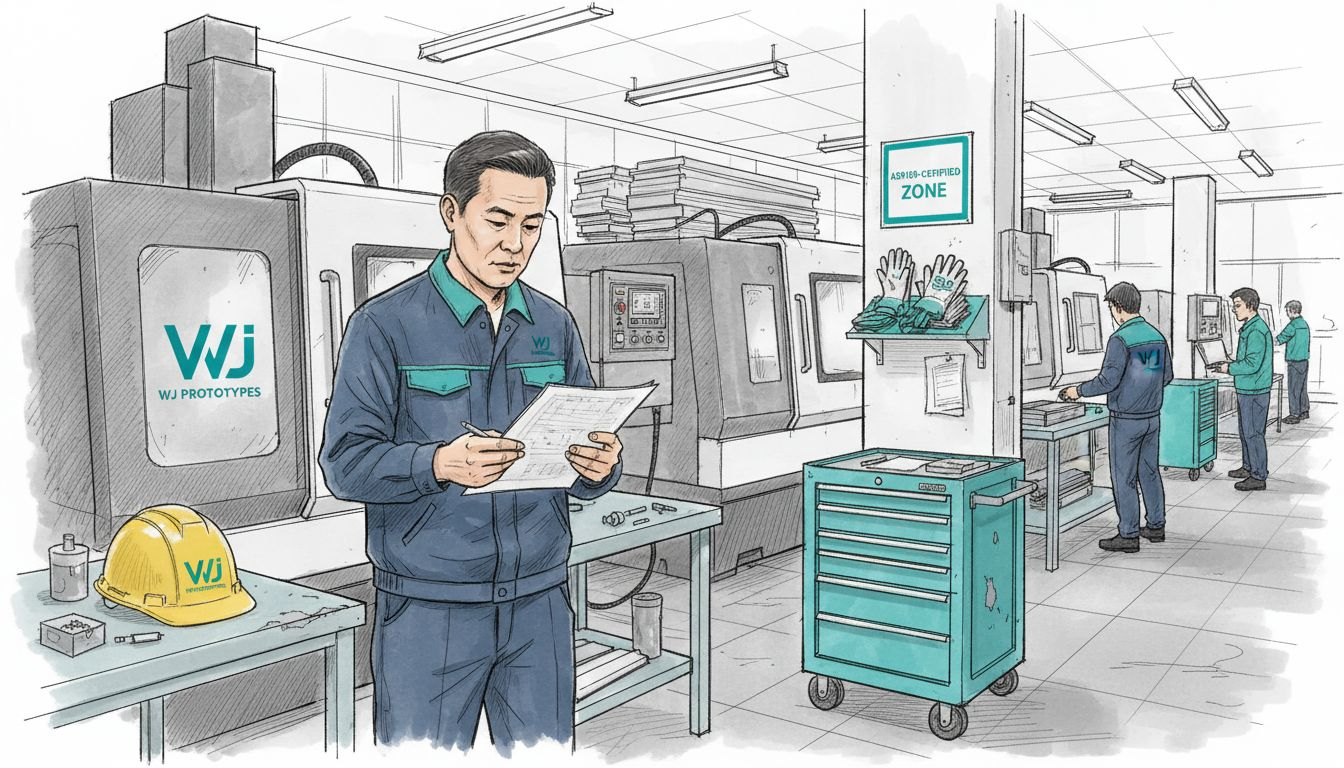
Setting up reliable aerospace metal fabrication systems in China often means confronting a maze of global and local safety requirements. Every detail matters, from strict documentation to advanced non-destructive testing, because the smallest error can compromise flight-ready parts. This article defines the core principles of aerospace metal fabrication safety, highlights pivotal standards like AS9100, and explains how manufacturers in China achieve robust compliance with international benchmarks.
Explore competitive Aerospace Manufacturing solutions with expert support from WJ Prototypes.
Whether you're comparing suppliers or looking to optimize costs, our team can help you evaluate the best option for your project.
👉 Request A Quote now or email us at info@wjprototypes.com to get started.
| Point | Details |
|---|---|
| Aerospace Metal Fabrication Safety | Emphasizes the need for precision and adherence to strict safety protocols to ensure component reliability in extreme conditions. |
| Regulatory Compliance | Involves multiple safety standards and certifications that govern the quality and reliability of aerospace manufacturing processes. |
| Material Traceability | Requires comprehensive tracking systems that document every aspect of material selection and manufacturing for accountability and risk mitigation. |
| Risk Management | Necessitates a proactive approach to identifying and addressing potential vulnerabilities to uphold safety and regulatory integrity. |
Aerospace metal fabrication safety represents a critical intersection of advanced engineering techniques, rigorous quality control, and precise manufacturing standards that ensure the structural integrity and reliability of aerospace components. Unlike standard industrial manufacturing, aerospace metal fabrication demands extraordinary levels of precision and adherence to stringent safety protocols.
The fundamental goal of aerospace metal fabrication safety is to create components that can withstand extreme environmental conditions while maintaining exceptional performance standards. NASA's technical standards provide comprehensive guidelines that establish uniform engineering requirements for aerospace material processing, emphasizing critical safety benchmarks.
Key safety considerations in aerospace metal fabrication include:
Manufacturers must implement multi-layered safety protocols that address potential risks at every stage of metal fabrication. These protocols involve complex quality management systems that track every aspect of component production, from raw material selection through final inspection and certification.
Precision Matters. In aerospace metal fabrication, microscopic deviations can have catastrophic consequences. Even a fraction of a millimeter in material thickness or structural alignment could compromise an entire component's integrity, potentially risking human lives during flight operations.
Pro tip: Implement comprehensive documentation systems that track every manufacturing stage, ensuring complete traceability and accountability for each aerospace component.
Aerospace metal fabrication demands a comprehensive framework of safety standards and certifications that ensure the highest levels of quality, reliability, and performance. These rigorous standards go far beyond typical manufacturing requirements, establishing a robust system of checks and balances that protect both human lives and technological investments.
AS9100 aerospace quality management standards represent the cornerstone of aerospace manufacturing safety protocols. This globally recognized certification builds upon ISO 9001, introducing aerospace-specific compliance requirements that address critical aspects such as risk management, product safety, configuration management, and continuous improvement.
Key safety standards and certification requirements include:
The AWS D17.1 welding specification provides an exemplary model of comprehensive safety standards. This detailed framework establishes precise requirements for personnel qualification, welding procedures, inspection protocols, and acceptance criteria specifically tailored to aerospace alloy fabrication.
Safety standards in aerospace metal fabrication are not merely guidelines—they are critical lifelines that prevent potential catastrophic failures.
Manufacturers must demonstrate meticulous attention to every detail, from personnel training and material traceability to sophisticated non-destructive testing techniques. Each certification represents a commitment to excellence that goes beyond paperwork, embodying a culture of precision and reliability.
Pro tip: Maintain comprehensive documentation tracking all certification processes, ensuring transparency and continuous compliance with evolving aerospace safety standards.
Here's a comparison of major aerospace safety standards and what each contributes to the fabrication process:
| Standard/Certification | Main Focus | Impact on Aerospace Manufacturing |
|---|---|---|
| AS9100 | Quality management systems | Ensures process control and risk mitigation |
| AWS D17.1 | Welding procedures and qualification | Guarantees weld integrity and personnel competency |
| Nadcap | Specialized process accreditation | Validates special processes like heat treating |
| FAA/EASA Compliance | Aviation regulatory alignment | Approves airworthiness for global markets |
China's aerospace metal fabrication industry operates within a complex and sophisticated regulatory environment that blends international standards with national oversight mechanisms. Aerospace regulatory frameworks in China demonstrate a comprehensive approach to ensuring safety, quality, and global market compliance through multiple layers of regulatory control.
The primary regulatory bodies responsible for aerospace metal fabrication oversight include:
Chinese aerospace material standards integrate global certification requirements with local regulatory specifications. This hybrid approach ensures that manufacturers meet both international aerospace market demands and domestic technological development goals.
Regulatory compliance in Chinese aerospace metal fabrication is not just about following rules—it's about creating a culture of precision, safety, and continuous improvement.
Manufacturers must navigate a multifaceted compliance landscape that includes technical specifications, quality management systems, material traceability protocols, and rigorous testing requirements. The regulatory framework demands comprehensive documentation, periodic audits, and continuous demonstration of technical competence.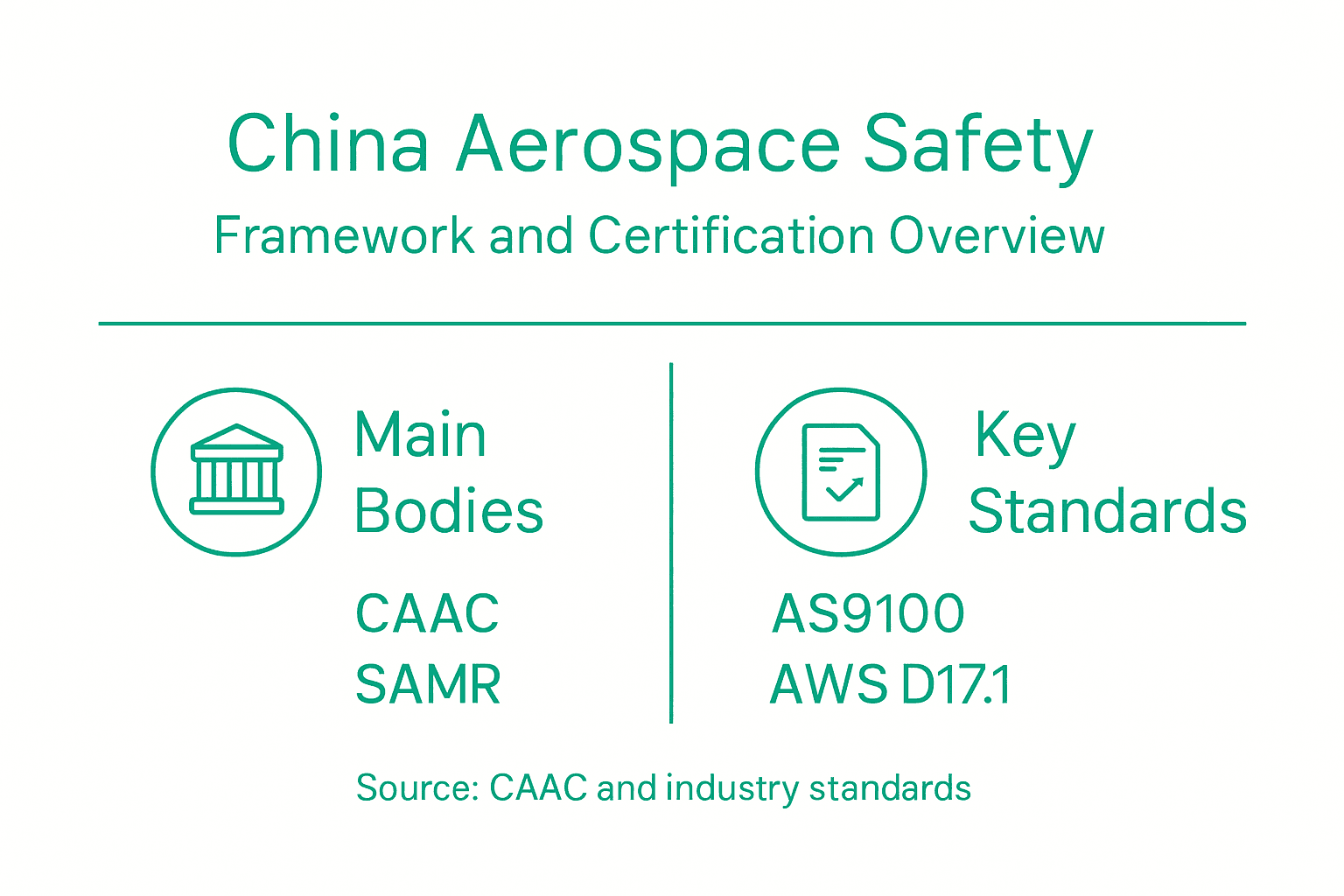
Certification Requirements encompass multiple dimensions, including personnel qualifications, manufacturing process controls, non-destructive testing protocols, and advanced quality assurance mechanisms. Each regulatory standard represents a critical checkpoint in ensuring the highest levels of aerospace component reliability.
Pro tip: Maintain meticulous documentation and invest in ongoing training to stay current with evolving Chinese aerospace regulatory standards and international certification requirements.
Aerospace metal fabrication demands an unprecedented level of precision and systematic quality management, where inspection and process control become critical determinants of component reliability and safety. FAA manufacturing best practices provide comprehensive guidelines that establish rigorous standards for ensuring consistent quality and mitigating potential manufacturing risks.
Key inspection and process control best practices include:
Process control is not about eliminating every potential risk, but about creating robust systems that can identify, manage, and mitigate potential issues before they become critical failures.
Effective inspection strategies require a multidimensional approach that combines technological sophistication with human expertise. This involves implementing cutting-edge measurement technologies, developing comprehensive inspection protocols, and maintaining a culture of continuous improvement and vigilant quality management.

Technological Intervention plays a crucial role in modern process control, with advanced sensors, real-time monitoring systems, and machine learning algorithms providing unprecedented insights into manufacturing processes and potential deviation points.
Pro tip: Develop a comprehensive digital tracking system that documents every stage of the manufacturing process, enabling rapid identification and resolution of potential quality issues.
Aerospace metal fabrication demands an extraordinarily precise approach to material selection, where every component's performance can mean the difference between success and catastrophic failure. Aerospace material standards establish comprehensive guidelines that define the critical parameters for material evaluation, testing, and qualification in high-stakes manufacturing environments.
Key considerations for material selection and traceability include:
The traceability requirements in aerospace metal fabrication go far beyond simple record-keeping. They represent a comprehensive system that tracks every material's journey from initial raw material procurement through multiple manufacturing stages to final component delivery. This meticulous documentation ensures:
Material traceability is not just a bureaucratic requirement—it's a critical safety mechanism that protects human lives and technological investments.
Manufacturers must implement sophisticated tracking systems that capture detailed information about material batches, including chemical composition, manufacturing date, heat treatment processes, and individual component serialization. These systems provide an unbroken chain of provenance that allows for immediate investigation and resolution of any potential manufacturing anomalies.
Technological Intervention has transformed material traceability, with advanced digital tracking systems, blockchain technologies, and machine learning algorithms enabling unprecedented levels of transparency and quality control.
Pro tip: Implement a robust digital material tracking system that captures real-time data and creates comprehensive, easily retrievable documentation for each aerospace component.
This table summarizes how advanced technologies strengthen material traceability in aerospace fabrication:
| Technology | Role in Traceability | Key Benefit |
|---|---|---|
| Digital tracking systems | Real-time data capture | Enables immediate recall of batch information |
| Blockchain | Immutable record-keeping | Prevents data tampering and ensures trust |
| Machine learning | Anomaly detection | Flags unusual patterns for rapid investigation |
Aerospace metal fabrication in China involves navigating an intricate landscape of potential risks and legal complexities that demand unprecedented levels of vigilance and systematic risk management. Aerospace manufacturing liability standards establish comprehensive frameworks that define the potential legal consequences of manufacturing failures and non-compliance.
Critical risks and potential pitfalls in aerospace metal fabrication include:
Safety protocols in metal fabrication highlight the multifaceted nature of operational risks, emphasizing that legal liabilities extend far beyond immediate manufacturing defects. These risks encompass workplace safety, product performance, regulatory adherence, and potential long-term financial and reputational damages.
Legal liability in aerospace manufacturing is not just about avoiding penalties—it's about maintaining an uncompromising commitment to human safety and technological integrity.
Manufacturers must implement robust risk mitigation strategies that address potential vulnerabilities across multiple dimensions. This requires comprehensive approaches including advanced quality management systems, rigorous personnel training programs, sophisticated tracking mechanisms, and proactive compliance monitoring.
Risk Management involves creating multiple layers of protection that anticipate and neutralize potential failure points before they can compromise product safety or operational integrity. This demands continuous investment in technology, training, and systematic process improvement.
Pro tip: Develop a comprehensive risk management framework that integrates real-time monitoring, predictive analytics, and continuous improvement protocols to systematically identify and mitigate potential manufacturing risks.
Aerospace metal fabrication in China demands uncompromising adherence to rigorous safety standards like AS9100 and AWS D17.1 welding specifications. Navigating complex regulatory frameworks and ensuring complete material traceability are critical challenges identified in the article. If you seek a trusted partner who understands these exacting requirements and can deliver precision-engineered components with full certification compliance, WJ Prototypes provides the solution. Our ISO-certified manufacturing facility specializes in both advanced additive manufacturing and traditional metal fabrication techniques that meet aerospace safety protocols.
Choose WJ Prototypes to benefit from fast turnaround times, detailed quality assurance, and comprehensive documentation-based traceability systems built to prevent costly risks and ensure compliance. Experience how our precision CNC machining and sheet metal fabrication align perfectly with the stringent aerospace standards discussed. Contact WJ Prototypes to explore how our expertise can help you mitigate risks and accelerate your aerospace projects safely and efficiently. Don’t wait to secure your compliance and safety advantage—partner with us today for reliable, certified aerospace fabrication solutions.
Explore competitive Aerospace Manufacturing solutions with expert support from WJ Prototypes.
Whether you're comparing suppliers or looking to optimize costs, our team can help you evaluate the best option for your project.
👉 Request A Quote now or email us at info@wjprototypes.com to get started.
The key safety standards include AS9100 Quality Management System, AWS D17.1 Welding Specification, Nadcap certification, and FAA/EASA regulatory compliance. These standards ensure high levels of quality, reliability, and performance in aerospace components.
Material traceability is crucial as it ensures complete accountability and rapid defect identification. It involves tracking every material's journey from procurement through manufacturing, helping to comply with regulations and mitigate risks associated with material failures.
Common risks include the introduction of counterfeit materials, inadequate quality control processes, insufficient personnel training, poor documentation practices, and regulatory non-compliance issues. These can lead to legal liabilities and safety hazards.
Quality management systems, such as AS9100, establish rigorous protocols for process control, risk management, and continuous improvement, ensuring that every aspect of manufacturing meets the highest safety and performance standards.
Role of Sheet Metal Fabrication - Complete Guide
China Rapid Prototyping | Aerospace-Quality Results, Fast
Injection Molding Tips for Aerospace Engineers
Discover Market Insights for Precision Metal Parts Manufacturing
Defining Custom Workwear – Elevating Team Safety and Image
SERVICES
RESOURCES