



- Room 1807, Unit 9, Building 2, Shangxing Commercial Street, Shangde Road, Shangxing Community, Xinqiao Subdistrict, Bao'an District, Shenzhen City, China
CONTACT US

WhatsApp


Contact Us
Our team is on stand by, waiting toassist you.

Videos
A large collection of educational videos and tutorials.

About Us
Learn about our company, leadership, and mission totransform manufacturing.

Privacy Policy
Applies to all personal information collected through and/or processed in connection.
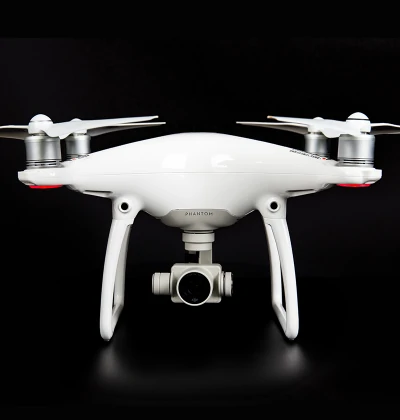

Aerospace & UAV
WJ Prototypes is your 3D manufacturing partner from prototype to large scale production.

Consumer Electronics
New Product Introduction Solutions for Consumer Electronics.

Robotics & Automation
Need some assistance bringing your robotic device or parts from the sketch-board to reality?

Medical Devices
The medical industry needs high quality, dependable and safe parts and products.

Automotive
New Product Introduction Solutions for Automotive

Industrial Machinery
The main purpose of industrial prototyping is to take the product from drawings into the real world.
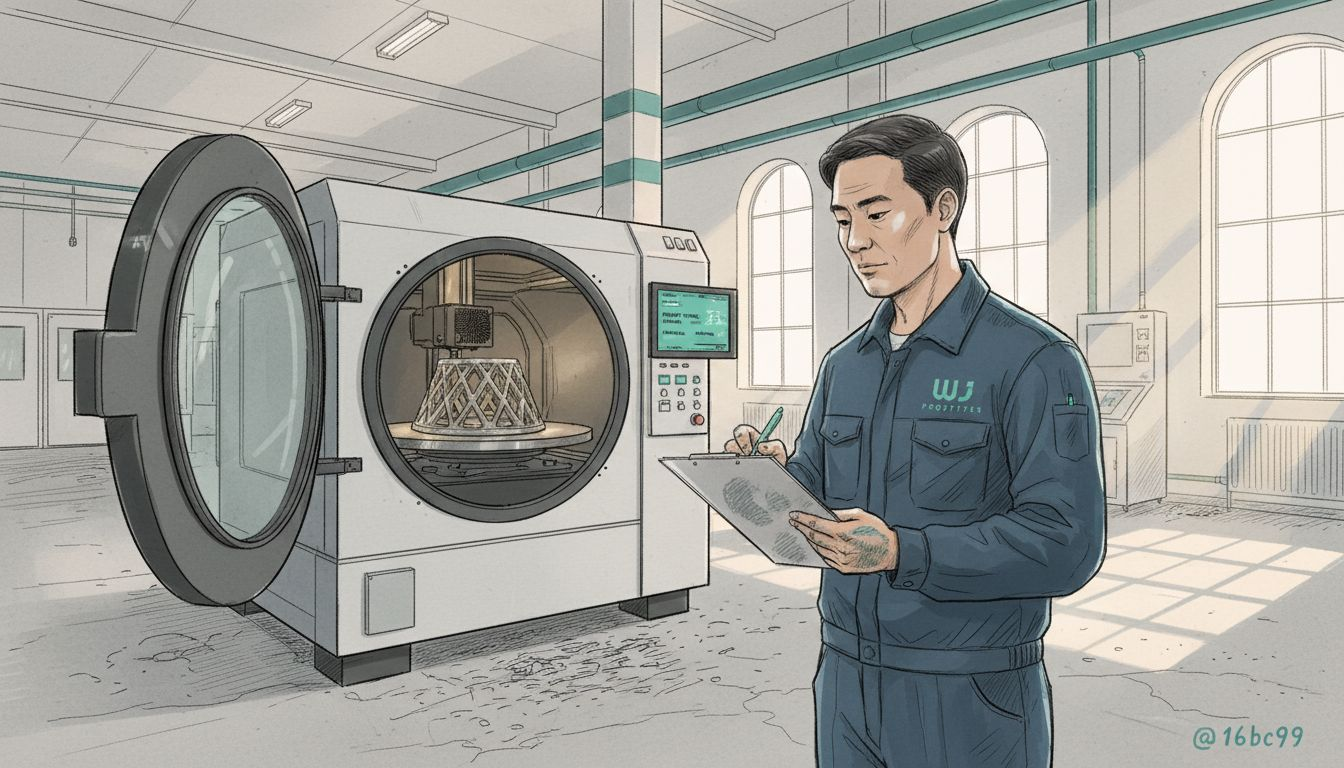

Supply chain unpredictability can stall urgent prototyping projects for even the most experienced manufacturing engineers in China. Metal 3D printing promises a new layer of control and customization, allowing aerospace and automotive teams to shorten lead times and produce highly complex parts locally. With the estimated global market expected to reach $23.79 billion by 2025, understanding these supply chain fundamentals will help industry leaders navigate challenges and harness the technology’s advantages for faster innovation.
| Point | Details |
|---|---|
| Supply Chain Revolution | Metal 3D printing is transforming manufacturing by reducing material waste and enabling localized production. |
| Critical Stages | The metal 3D printing process involves essential stages from digital design to post-processing, integrating advanced technologies. |
| Material Quality | Consistent material quality is vital for successful metal 3D printing, necessitating rigorous supplier evaluation and control. |
| Production Challenges | Manufacturers must adopt advanced scheduling and production planning to overcome capacity limitations and manage lead times effectively. |
Metal 3D printing represents a transformative technology in advanced manufacturing, enabling unprecedented flexibility in production processes. Digital manufacturing technologies are fundamentally reshaping how industrial supply chains operate, particularly in complex manufacturing sectors like aerospace and automotive.
The core of metal 3D printing’s supply chain innovation lies in its unique additive manufacturing approach. Unlike traditional subtractive methods, this technology builds components layer by layer directly from digital 3D models. Key characteristics of metal 3D printing supply chains include:
Industrial adoption of metal 3D printing has been accelerating, driven by significant technological improvements and cost reductions. Estimated global market projections suggest substantial growth, with the market potentially reaching $23.79 billion by 2025.
Manufacturers leveraging metal 3D printing must carefully redesign their traditional supply chain structures. This involves investing in new digital skills, advanced equipment, and reimagining production workflows to fully capitalize on the technology’s potential.

Here’s a summary of key differences between traditional manufacturing and metal 3D printing supply chains:
| Aspect | Traditional Manufacturing | Metal 3D Printing |
|---|---|---|
| Material Usage | High waste from cutting/shaping | Minimal waste via layer building |
| Lead Time | Longer, reliant on tooling | Shorter, rapid prototyping possible |
| Customization | Limited, costly for unique parts | High flexibility, easy to customize |
| Production Location | Mostly centralized factories | Enables localized production |
| Complexity | Restricted by tooling limits | Supports advanced complex geometries |
Pro tip: Conduct a comprehensive skill assessment of your engineering team to identify training needs for successful metal 3D printing integration.
Metal 3D printing involves a sophisticated, multi-stage process that transforms digital designs into physical components through a carefully orchestrated workflow. 3D printing supply chain technologies have revolutionized traditional manufacturing by introducing unprecedented flexibility and efficiency.
The metal 3D printing process typically encompasses five critical stages:
Emerging technologies are continuously refining these stages, making metal 3D printing increasingly precise and cost-effective. Manufacturers must invest in sophisticated equipment and specialized engineering talent to fully leverage these advanced manufacturing capabilities.
Successful metal 3D printing requires a holistic understanding of digital design, material science, and advanced manufacturing technologies.
Pro tip: Develop cross-functional teams with expertise in design, materials engineering, and additive manufacturing to optimize your metal 3D printing workflow.
Metal 3D printing in China confronts significant challenges in material sourcing and quality management. Manufacturing supply chain complexities continue to pose substantial barriers to widespread industrial adoption of advanced additive manufacturing technologies.
The primary challenges in metal 3D printing material sourcing include:
Material Powder Reliability emerges as a critical bottleneck in the metal 3D printing supply chain. Manufacturers must navigate intricate challenges related to particle size distribution, chemical composition, and structural consistency. Precise metal powder characteristics directly impact the mechanical properties, structural integrity, and overall performance of 3D printed components.
Industrial sectors like aerospace and automotive demand extraordinarily stringent material specifications. These industries require metal powders with:
Quality control in metal powder sourcing represents the most critical determinant of successful 3D printing outcomes.
Manufacturers must develop robust supplier evaluation frameworks, implement rigorous testing protocols, and establish long-term collaborative relationships with specialized material providers to mitigate sourcing uncertainties.

This table highlights how stringent material requirements vary between automotive and aerospace sectors in metal 3D printing:
| Requirement | Automotive Sector | Aerospace Sector |
|---|---|---|
| Chemical Purity | High | Extremely high |
| Particle Size Control | Tight tolerance | Ultra-tight tolerance |
| Performance Testing | Functional tests | Rigorous performance validation |
| Quality Certification | Industry standards | Aerospace-grade certifications |
Pro tip: Develop a comprehensive supplier scorecard that evaluates material providers across multiple performance dimensions, including quality consistency, technical support, and price competitiveness.
Metal 3D printing in China faces significant challenges in managing production capacity and minimizing lead times. Managing long production cycles requires strategic approaches to overcome complex manufacturing constraints.
Key production capacity barriers include:
Production Scheduling represents a critical challenge for metal 3D printing manufacturers. The intricate nature of additive manufacturing demands sophisticated planning to manage:
Industrial sectors like aerospace and automotive require extraordinarily precise manufacturing timelines. These demanding markets necessitate strategies that can dramatically reduce lead times while maintaining exceptional quality standards.
Successful metal 3D printing production depends on integrating advanced scheduling technologies with flexible manufacturing capabilities.
Manufacturers must develop comprehensive strategies that include:
Pro tip: Develop a dynamic production scheduling system that allows real-time adjustments and creates buffer capacities to mitigate unexpected manufacturing disruptions.
Metal 3D printing supply chains in China require sophisticated approaches to manage complex logistics and quality control challenges. Decentralized production strategies are transforming traditional manufacturing paradigms, introducing both opportunities and significant operational risks.
Key risk mitigation strategies encompass multiple critical dimensions:
Quality Control Frameworks represent the cornerstone of successful metal 3D printing supply chain management. Manufacturers must develop multi-layered verification processes that address potential variations across different production stages:
Industrial sectors like aerospace and automotive demand extraordinary precision, requiring rigorous risk management approaches that go beyond traditional manufacturing quality standards.
Effective risk mitigation in metal 3D printing depends on integrating advanced digital technologies with robust human expertise.
Successful logistics management requires manufacturers to:
Pro tip: Develop a comprehensive digital twin system that allows real-time simulation and prediction of potential supply chain disruptions and quality variations.
Navigating the complexities of metal 3D printing supply chains in China demands expert solutions that address material quality, production capacity, and risk mitigation. If you are facing issues like inconsistent metal powder reliability, long lead times, or the need for rigorous quality control frameworks, WJ Prototypes offers tailored services designed to meet these exact challenges. With advanced additive manufacturing technologies such as DMLS and comprehensive prototyping options, we provide precise, cost-effective, and rapid solutions that align with your high standards in aerospace, automotive, and industrial sectors.
Take full advantage of our ISO-certified manufacturing capabilities and skilled engineering team to streamline your production from design to delivery. Explore how WJ Prototypes can help reduce material waste, accelerate lead times, and enhance customization through our additive manufacturing services. Ready to transform your metal 3D printing process? Visit WJ Prototypes today to get an instant quote and start overcoming supply chain challenges with confidence.
Metal 3D printing supply chains face several challenges, including inconsistent raw material quality, limited supplier reliability, high variability in powder metallurgy specifications, complex quality control mechanisms, and significant cost fluctuations in metal powders.
Metal 3D printing reduces material waste by using an additive manufacturing approach that builds components layer by layer from digital 3D models, unlike traditional manufacturing methods that often involve cutting or shaping materials, resulting in surplus leftover material.
The metal 3D printing process consists of five critical stages: Digital Design Creation, Digital Slicing Preparation, Material Preparation, Additive Manufacturing, and Post-Processing, each essential for transforming digital designs into physical components.
Manufacturers can mitigate risks by implementing comprehensive supplier auditing protocols, advanced digital production monitoring systems, redundant quality verification processes, and flexible production networks, ensuring precision and consistency in manufacturing.
SERVICES
RESOURCES