



- Room 1807, Unit 9, Building 2, Shangxing Commercial Street, Shangde Road, Shangxing Community, Xinqiao Subdistrict, Bao'an District, Shenzhen City, China
CONTACT US

WhatsApp


Contact Us
Our team is on stand by, waiting toassist you.

Videos
A large collection of educational videos and tutorials.

About Us
Learn about our company, leadership, and mission totransform manufacturing.

Privacy Policy
Applies to all personal information collected through and/or processed in connection.
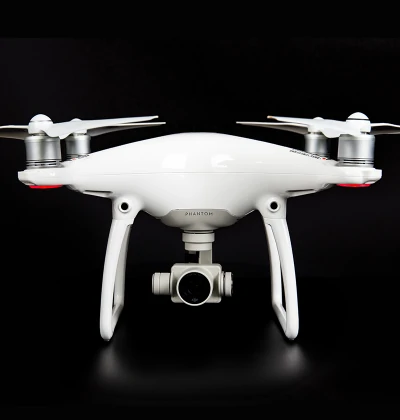

Aerospace & UAV
WJ Prototypes is your 3D manufacturing partner from prototype to large scale production.

Consumer Electronics
New Product Introduction Solutions for Consumer Electronics.

Robotics & Automation
Need some assistance bringing your robotic device or parts from the sketch-board to reality?

Medical Devices
The medical industry needs high quality, dependable and safe parts and products.

Automotive
New Product Introduction Solutions for Automotive

Industrial Machinery
The main purpose of industrial prototyping is to take the product from drawings into the real world.
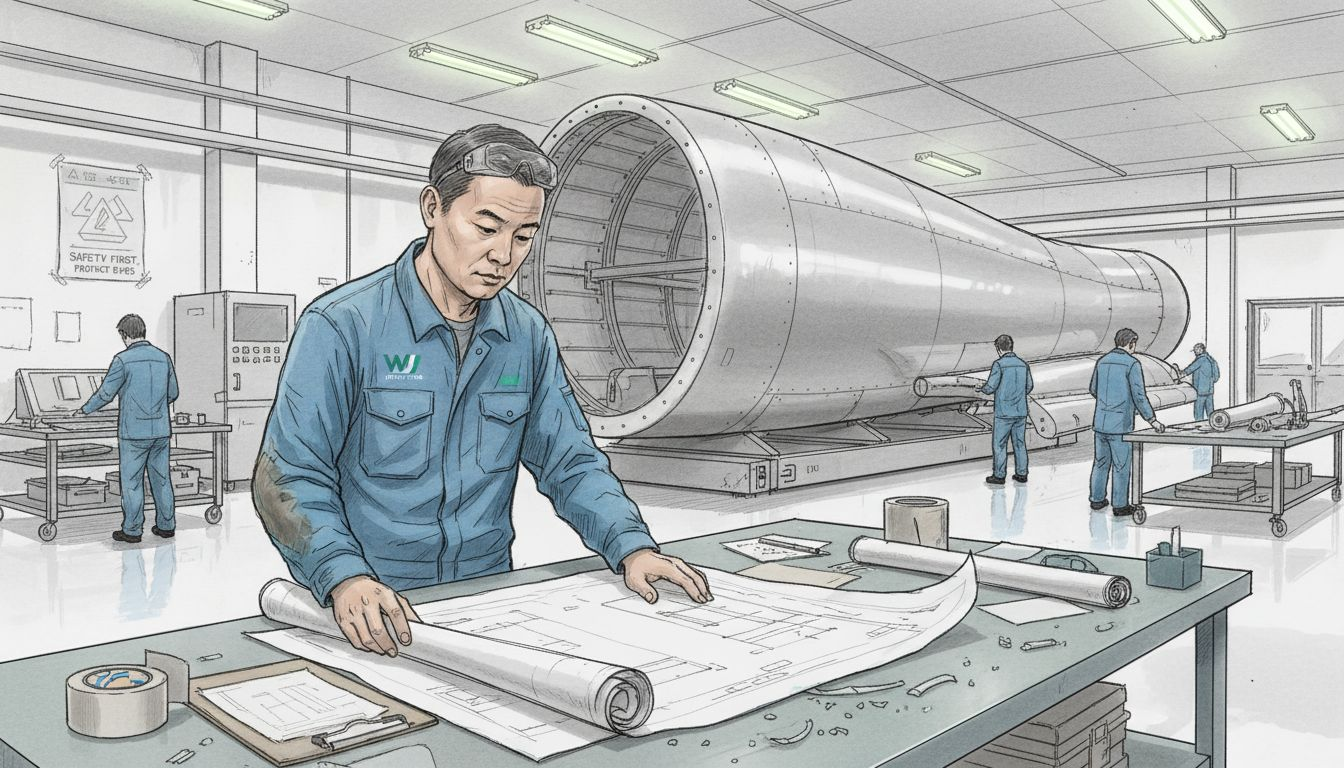

Every aerospace engineer knows that selecting the right metal fabrication technique affects both the weight and performance of aircraft components. Achieving precise mechanical properties, such as elastic modulus and tensile strength, is crucial for reliability in high-stress environments. This guide highlights how material selection, manufacturing process planning, and rigorous testing protocols come together to support innovation in lightweight aerospace components for global teams focused on production efficiency and quality.
| Key Point | Explanation |
|---|---|
| 1. Define Specific Fabrication Requirements | Establishing clear fabrication specifications is crucial for ensuring the performance and reliability of aerospace components. |
| 2. Choose Appropriate Metals and Methods | Select metals and fabrication techniques based on performance characteristics, ensuring suitability for aerospace applications. |
| 3. Ensure Precision in Manufacturing Setup | Meticulously configure CNC and additive manufacturing processes to maintain quality and performance standards throughout production. |
| 4. Execute Rigorous Testing Procedures | Implement thorough testing and quality assurance measures to confirm that components meet aerospace industry regulations and standards. |
| 5. Maintain Comprehensive Documentation | Properly document every stage of fabrication for regulatory compliance and to ensure long-term quality tracking of aerospace components. |
Defining fabrication requirements represents a critical initial phase in aerospace metal manufacturing, where precision and meticulous planning determine component performance and reliability. Understanding the complex material selection parameters becomes essential for engineers designing aerospace components.
The fabrication requirements process involves several key considerations:
Mechanical Performance Criteria
Material System Evaluation
Engineers must strategically evaluate multiple factors when establishing fabrication requirements. This includes analyzing material properties, understanding environmental interactions, and ensuring consistent manufacturing quality across complex component systems. Aerospace materials like aluminum alloys, titanium alloys, and advanced composites require comprehensive performance assessments to guarantee optimal functionality.
Precise fabrication requirements are the foundation of aerospace engineering excellence.
Pro tip: Develop comprehensive material testing protocols that simulate extreme operational conditions to validate fabrication requirements before final component production.
Selecting appropriate metal materials and fabrication methods is a critical decision that directly impacts the performance and reliability of aerospace components. Understanding the material selection strategies for aerospace requires a comprehensive approach that balances multiple engineering considerations.
Aerospace engineers typically evaluate materials based on several key performance factors:
Performance Characteristics
Common Aerospace Metal Options
The fabrication method selection depends on multiple critical factors. Each material requires specific processing techniques that maintain its inherent properties while achieving the desired component geometry. For instance, titanium alloys might require different machining approaches compared to aluminum alloys, considering their unique mechanical characteristics.

Here’s a useful comparison of common aerospace metal options and their typical applications:
| Metal Type | Typical Application | Key Advantage |
|---|---|---|
| Aluminum Alloys | Aircraft frames, fuselage | Excellent weight savings |
| Titanium Alloys | Engine parts, landing gear | High temperature strength |
| Superalloys | Turbine blades, exhaust systems | Extreme heat resistance |
| Specialized Steel | Structural mounts, fasteners | Superior toughness |
Material selection is not just about properties, but about creating a harmonious balance between performance and manufacturability.
Pro tip: Conduct comprehensive material testing across multiple environmental conditions to validate your material and fabrication method selections before full-scale production.
Setting up precision CNC and advanced additive manufacturing processes requires meticulous planning and technical expertise to ensure optimal performance in aerospace component production. Manufacturing process planning demands a comprehensive approach that integrates design interpretation, operational sequencing, and advanced technological capabilities.
Key considerations for process setup include:
CNC Machining Setup Requirements
Additive Manufacturing Configuration
Engineers must carefully configure both CNC and additive manufacturing systems to meet the stringent demands of aerospace manufacturing. This involves selecting appropriate machining strategies, calibrating equipment with extreme precision, and developing robust process parameters that ensure consistent quality and performance.
Advanced manufacturing is where engineering precision meets technological innovation.
Pro tip: Implement comprehensive digital simulation and validation protocols to verify manufacturing process parameters before actual production runs.
Executing precision shaping and assembly of metal parts demands an intricate understanding of advanced manufacturing techniques and strict quality control processes. Precision shaping techniques require controlled manipulation of microstructures and exact dimensional control to ensure aerospace component integrity.
Key steps in precision metal part fabrication include:
Precision Shaping Processes
Critical Assembly Considerations
Engineers must meticulously manage each manufacturing stage to guarantee components meet rigorous aerospace industry standards. This involves implementing sophisticated measurement techniques, utilizing advanced metrology equipment, and maintaining extraordinary attention to microscopic details that could impact overall system performance.
Precision is not an act but a continuous commitment to excellence in manufacturing.
Pro tip: Develop comprehensive inspection protocols that incorporate both visual and advanced non-destructive testing methods to validate component quality throughout the fabrication process.
Thorough testing and quality assurance represent the critical final gatekeeping processes that ensure aerospace components meet stringent safety and performance standards. Quality assurance protocols are designed to validate every microscopic detail of manufactured parts before they enter operational environments.
Comprehensive testing procedures encompass multiple evaluation stages:
Nondestructive Testing Methods
Performance Verification Checks
Engineers must systematically apply these testing techniques to confirm that each manufactured component meets precise aerospace industry requirements. This involves utilizing advanced metrology equipment, implementing rigorous inspection protocols, and maintaining exceptional attention to microscopic variations that could compromise component reliability.

Below is a summary of nondestructive testing methods and their main purpose in aerospace quality assurance:
| Testing Method | Area Evaluated | Benefit in Aerospace |
|---|---|---|
| Ultrasonic Inspection | Internal flaws | Detects subsurface cracks |
| X-ray Radiography | Internal structure | Visualizes hidden defects |
| Magnetic Particle Exam | Surface discontinuities | Reveals surface cracks |
| Liquid Penetrant Testing | Surface flaws | Finds micro defects |
Quality is not an accident but a deliberate and persistent commitment to excellence.
Pro tip: Develop a comprehensive traceability matrix that documents every testing stage and maintains detailed records of component performance parameters for future reference and continuous improvement.
Finalizing and documenting aerospace fabrications is a critical process that ensures regulatory compliance, traceability, and long-term quality assurance. Manufacturing process documentation represents the comprehensive record that validates every aspect of component production.
Essential documentation elements include:
Technical Documentation Requirements
Regulatory Compliance Paperwork
Engineers must meticulously compile and cross-reference documentation to create a comprehensive technical history for each fabricated component. This process involves capturing microscopic details, measurement records, and performance characteristics that demonstrate the component’s adherence to aerospace industry standards.
Documentation is not bureaucracy, but the blueprint of engineering excellence.
Pro tip: Implement a digital documentation management system that allows real-time tracking, instant retrieval, and secure archiving of all fabrication-related records.
Navigating the challenges of aerospace metal fabrication means mastering material selection, fabrication processes, and rigorous quality assurance to meet exacting industry standards. If you are striving to achieve precision shaping, advanced additive manufacturing, or seamless CNC machining for your aerospace components, then partnering with a skilled manufacturer is vital. The detailed steps in this guide highlight the complexity of aerospace fabrication, from material evaluation to final documentation, emphasizing the need for experience and high-quality processes.
At WJ Prototypes, we specialize in delivering fast, cost-effective, and reliable manufacturing solutions tailored to aerospace demands. Our expertise in SLA, SLS, MJF, DMLS, CNC machining, and sheet metal fabrication ensures your components meet mechanical performance criteria and stringent quality assurance protocols. Benefit from our ISO-certified precision engineering services designed for small to medium production runs. Ready to transform your aerospace fabrication challenges into streamlined successes Visit WJ Prototypes today to get an instant quote and experience our dedication to engineering excellence, agile production, and global delivery. Your next aerospace project deserves nothing less than precision that performs.
Defining key mechanical performance criteria for aerospace components includes specifying elastic modulus, tensile strength, damage tolerance, and fatigue resistance. To ensure reliable component performance, create a checklist of these criteria for each material being evaluated.
To select suitable metal materials for aerospace fabrication, evaluate the strength-to-weight ratio, high-temperature stability, corrosion resistance, and fatigue tolerance. Create a comparison chart of materials such as aluminum alloys and titanium alloys to identify the best fit for your project.
To set up CNC and additive manufacturing processes, start by calibrating tools, programming coordinates accurately, and optimizing material-specific cutting parameters. Follow a detailed setup guide to ensure all machines are correctly configured before commencing production.
Critical testing for aerospace component quality assurance includes nondestructive testing methods such as ultrasonic inspection, X-ray radiography, and liquid penetrant testing. Implement a thorough testing protocol that covers each method to validate the integrity of all components before use.
To ensure comprehensive documentation of aerospace fabrications, compile all technical documentation regarding material traceability, fabrication sequences, and inspection results. Use a digital documentation management system for effective tracking and retrieval of all records related to your fabrications.
SERVICES
RESOURCES