



- Room 1807, Unit 9, Building 2, Shangxing Commercial Street, Shangde Road, Shangxing Community, Xinqiao Subdistrict, Bao'an District, Shenzhen City, China
CONTACT US

WhatsApp


Contact Us
Our team is on stand by, waiting toassist you.

Videos
A large collection of educational videos and tutorials.

About Us
Learn about our company, leadership, and mission totransform manufacturing.

Privacy Policy
Applies to all personal information collected through and/or processed in connection.

Aerospace & UAV
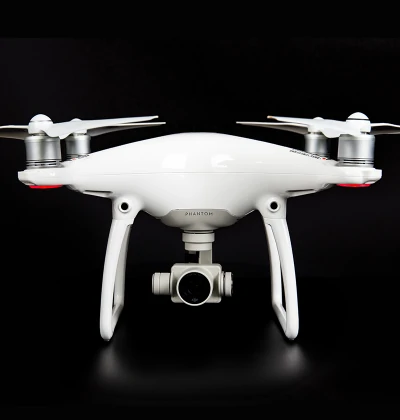
WJ Prototypes is your 3D manufacturing partner from prototype to large scale production.

Consumer Electronics
New Product Introduction Solutions for Consumer Electronics.

Robotics & Automation
Need some assistance bringing your robotic device or parts from the sketch-board to reality?

Medical Devices
The medical industry needs high quality, dependable and safe parts and products.

Automotive
New Product Introduction Solutions for Automotive

Industrial Machinery
The main purpose of industrial prototyping is to take the product from drawings into the real world.
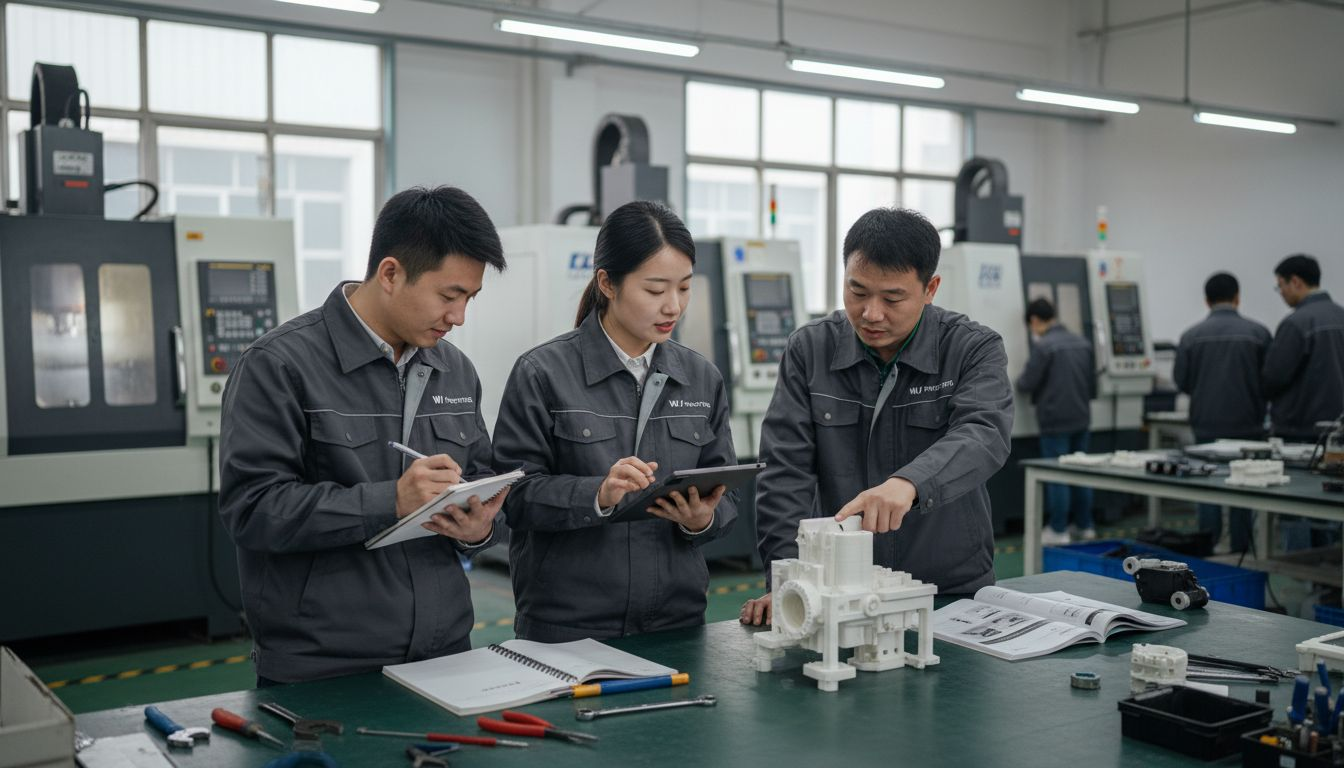
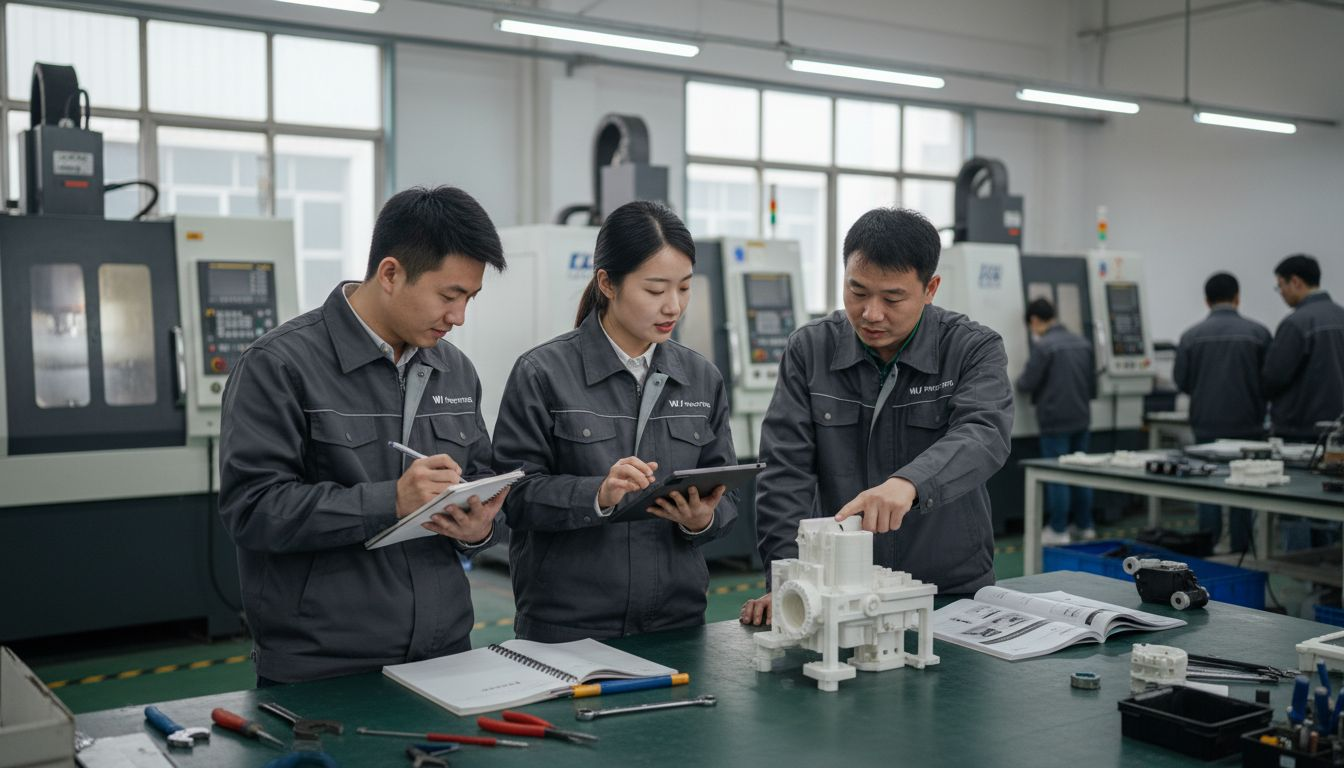
Over 60 percent of british and European automotive product launches face delays due to inefficient prototyping workflows and high development costs. For managers aiming to keep pace with global competition, finding reliable prototyping partners in China can dramatically cut lead times and expenses without sacrificing quality. This overview highlights how advanced manufacturing tools and strategic collaboration in China empower product managers to shorten design cycles, minimize risks, and meet demanding launch schedules in both aerospace and automotive sectors.
| Point | Details |
|---|---|
| Prototyping Process | Industrial prototyping involves structured stages from conceptual design to physical model creation, utilising advanced technologies for effective product validation. |
| Key Technologies | Employing techniques like 3D printing and CNC machining enhances precision and efficiency, significantly impacting product development cycles. |
| Cost Considerations | Understanding cost drivers, such as material selection and production volume, is vital for optimising prototyping expenditures. |
| Quality Assurance | Rigorous evaluation and documentation are crucial when selecting manufacturing partners to ensure high-quality outcomes and risk mitigation. |
Industrial prototyping represents a sophisticated engineering methodology for transforming conceptual designs into tangible, functional models that validate product feasibility. Comprehensive research frameworks in industrial prototyping reveal a structured process involving multiple critical stages of model development, testing, and iterative refinement.
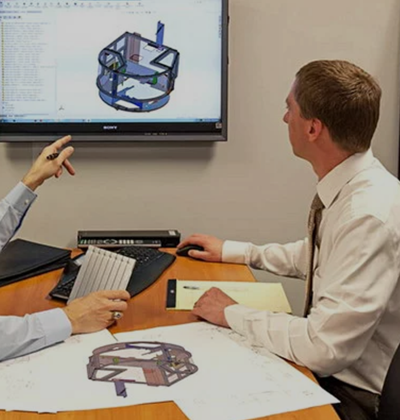
The prototyping journey typically encompasses several interconnected phases. First, engineers develop an initial conceptual design based on product requirements and market research. Next, they create preliminary digital models using advanced computer-aided design (CAD) software, which allows precise visualisation and preliminary analysis. These digital blueprints serve as foundational templates for physical prototype production through techniques like 3D printing, CNC machining, or injection moulding.
Once digital models are finalised, manufacturers transition to physical prototype creation. This stage involves selecting appropriate materials and manufacturing processes that closely match the intended final product’s characteristics. Theoretical development frameworks emphasise the importance of matching prototype complexity with specific research and development objectives, ensuring each iteration provides meaningful insights into product performance and design potential.
Pro Tip: Always document each prototype iteration meticulously, capturing design modifications, material selections, and performance metrics to create a comprehensive development trajectory.
Modern industrial prototyping encompasses a diverse array of advanced technologies designed to transform conceptual designs into functional models with remarkable precision. Design prototyping methods represent a comprehensive state-of-the-art approach that enables manufacturers to select techniques based on specific project requirements, including cost, speed, and desired model fidelity.
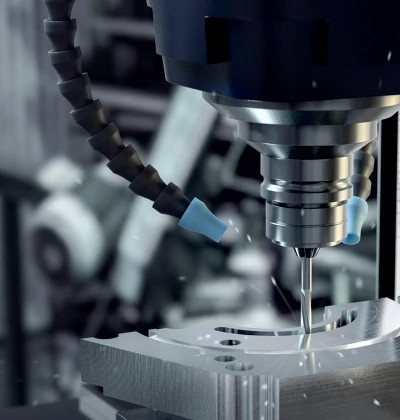
Key prototyping technologies include 3D printing, CNC machining, injection moulding, and digital simulation. Each technique offers unique advantages: 3D printing enables rapid creation of complex geometries, CNC machining provides exceptional precision for metal and plastic components, injection moulding supports high-volume production of intricate parts, and digital simulation allows engineers to test designs virtually before physical fabrication. These technologies work synergistically to reduce development cycles and minimise production risks.

In the context of industrial prototyping, manufacturers must carefully evaluate material properties, design complexity, and production scale when selecting appropriate techniques. Advanced digital tools now integrate seamlessly with these prototyping methods, allowing real-time design modifications, stress analysis, and performance prediction. This integrated approach enables engineers to iterate rapidly, reducing time-to-market and enhancing overall product development efficiency.
Here’s a summary of key industrial prototyping technologies and their business impacts:
| Technology | Main Application | Business Impact |
|---|---|---|
| 3D Printing | Complex geometry creation | Rapid iterations, reduced costs |
| CNC Machining | Metal/plastic refinement | High precision, robust parts |
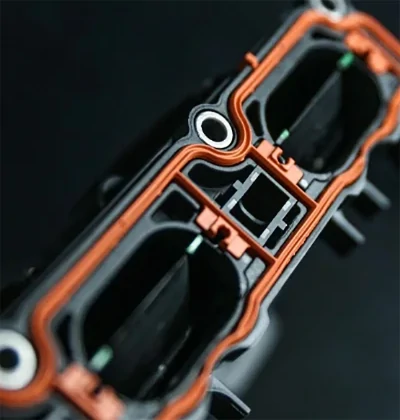
| Injection Moulding | Mass production of parts | Efficient scaling, uniformity |
| Digital Simulation | Virtual model testing | Faster validation, risk reduction |
Pro Tip: Maintain a comprehensive documentation system that tracks each prototype iteration, capturing material specifications, manufacturing parameters, and performance metrics to create a robust knowledge repository for future projects.
Custom manufacturing processes in China reveal a sophisticated, meticulously structured workflow that transforms product concepts into tangible prototypes with remarkable efficiency. The process begins with comprehensive design consultation, where engineers collaborate closely with clients to understand precise technical requirements and performance expectations.
The typical Chinese prototype manufacturing workflow encompasses several critical stages. Initially, computer-aided design (CAD) experts create detailed digital models, which serve as foundational blueprints for physical production. Manufacturers then proceed with supplier selection, carefully evaluating potential partners based on technical capabilities, specialisation, and quality control standards. Prototype development in the Chinese industrial ecosystem is characterised by rapid iteration cycles enabled by tight industrial networks and advanced technological infrastructure.
Subsequent stages involve precise prototype fabrication, employing techniques like 3D printing, CNC machining, and injection moulding. Each prototype undergoes rigorous quality assessment, with manufacturers conducting multiple validation rounds to ensure compliance with original design specifications. Advanced digital tools enable real-time performance monitoring, stress analysis, and continuous refinement, allowing engineers to make instantaneous adjustments and minimise potential manufacturing defects.
Pro Tip: Establish clear communication protocols and maintain detailed documentation throughout the prototype development process to facilitate seamless collaboration and expedite design iterations.
Rapid prototyping costs in China reveal a complex pricing landscape influenced by multiple interconnected factors. The cost structure for industrial prototyping encompasses material expenses, manufacturing technique complexity, production volume, and technological sophistication, creating a nuanced economic ecosystem that demands strategic navigation.
The primary cost drivers include material selection, production method, tooling requirements, and labour expenses. Different prototyping techniques carry varying price points: 3D printing might offer lower upfront costs for complex geometries, while CNC machining demands higher initial investment but provides superior precision for metal components. Manufacturers must balance these considerations, understanding that part complexity directly correlates with production expenses. Smaller production runs typically incur higher per-unit costs, whereas larger volumes enable significant economic efficiencies through economies of scale.

Timeframe implications are equally intricate, with prototype development cycles ranging from several days to multiple weeks depending on design complexity, selected manufacturing technique, and current industrial capacity. Advanced digital design tools and streamlined communication networks in Chinese manufacturing ecosystems have dramatically compressed traditional development timelines. Factors such as express shipping, priority processing, and integrated quality control mechanisms can significantly impact overall project duration and associated costs.
This table compares key cost drivers and their effect on prototype project economics:
| Cost Driver | Typical Influence | Strategic Advantage |
|---|---|---|
| Material Selection | Impacts per-unit cost | Tailored to product demands |
| Manufacturing Method | Alters investment/precision | Balance speed and accuracy |
| Production Volume | Affects total expenditure | Enables economies of scale |
| Tooling Requirements | Determines upfront investment | Influences long-term savings |
Pro Tip: Request comprehensive quotations that explicitly break down material, labour, and processing costs to develop a precise understanding of your prototype’s total economic investment.
Selecting an appropriate prototype manufacturing partner in China requires a strategic approach that goes beyond surface-level evaluations. Industrial credibility involves comprehensive assessments of technical capabilities, quality control systems, technological infrastructure, and proven track records in delivering precision engineering solutions.
Critical evaluation criteria include verifying manufacturers’ ISO certifications, examining their technological capabilities, analysing past project portfolios, and understanding their specialisation across different manufacturing techniques. Potential partners should demonstrate advanced digital design capabilities, sophisticated quality management systems, and transparent communication protocols. Manufacturers with cross-industry experience in aerospace, automotive, medical, and electronics sectors typically offer more robust engineering perspectives and adaptable problem-solving approaches.
Quality assurance mechanisms play a pivotal role in mitigating potential manufacturing risks. Recommended due diligence processes involve requesting detailed technical documentation, conducting initial small-scale prototype runs, performing comprehensive material testing, and establishing clear performance benchmarks. Advanced manufacturers often provide sophisticated inspection reports, dimensional accuracy measurements, material composition analyses, and stress testing documentation that enable clients to make informed decisions about potential long-term manufacturing partnerships.
Pro Tip: Request comprehensive quality control documentation and conduct virtual or in-person factory audits to validate a manufacturer’s technical capabilities and engineering standards before committing to full-scale production.
Legal risks in manufacturing within China demand sophisticated understanding and strategic preparation. Businesses engaging in prototype development must navigate a complex landscape of intellectual property protection, contractual nuances, and regulatory compliance that requires meticulous attention to detail and proactive risk management.
Intellectual property (IP) protection emerges as a critical concern for international manufacturers. Non-disclosure agreements (NDAs) and Non-use, Non-circumvention, and Non-disclosure (NNN) agreements provide essential legal safeguards against potential IP theft. Critical strategies include comprehensive IP registration, detailed technical specifications in manufacturing contracts, and establishing clear ownership protocols for design iterations. Intellectual property enforcement mechanisms in China offer multiple administrative and judicial channels for protecting proprietary technologies and design innovations.
Operational risk mitigation requires developing robust contractual frameworks that explicitly define technical specifications, quality standards, confidentiality requirements, and dispute resolution mechanisms. Manufacturers should conduct thorough due diligence, including verifying potential partners’ legal standing, reviewing historical compliance records, and understanding local regulatory environments. Comprehensive documentation, precise technical specifications, and clear performance benchmarks can significantly reduce potential misunderstandings and legal complications in cross-border prototype development partnerships.
Pro Tip: Engage specialised legal counsel with expertise in Chinese intellectual property and manufacturing law to review all contractual documents and develop comprehensive protection strategies before initiating prototype development.
Industrial prototyping in China presents complex challenges such as balancing rapid iteration cycles, maintaining high precision, and managing costs effectively. If you are striving to transform conceptual designs into fully functional models without delays or quality compromises, understanding how to navigate material selection, manufacturing techniques, and quality assurance is crucial—just like highlighted in the in-depth article on China’s prototyping workflow. Key pain points like optimising production timelines, ensuring reliable partner capabilities, and protecting intellectual property demand a trusted expert who can deliver consistent precision engineering solutions.
WJ Prototypes specialises in addressing these critical challenges by providing a comprehensive range of advanced prototyping and fabrication technologies including SLA, CNC machining, injection moulding, and more. With ISO certification, experienced engineers, and a focus on sectors such as aerospace and medical devices, WJ Prototypes empowers your product development with fast, cost-effective, and quality-assured services. Explore how our professional manufacturing services can streamline your project from concept to market launch by visiting WJ Prototypes. If you want to understand how our rapid prototyping can reduce your development risks and accelerate iterations, learn more about our Additive Manufacturing Technologies, or discover our Precision CNC Machining Services.
Do not let production complexity or uncertain partner reliability slow your innovation process. Take control of your industrial prototyping today and experience the benefits of expert engineering support in China. Visit WJ Prototypes now to get an instant quote and start bringing your designs to life with confidence.
Industrial prototyping is a sophisticated engineering methodology that transforms conceptual designs into tangible, functional models, validating their feasibility through structured development processes.
Key technologies include 3D printing for rapid creation of complex geometries, CNC machining for high precision in metal and plastic parts, injection moulding for mass production, and digital simulation for virtual testing of designs.
Cost structures involve factors like material selection, manufacturing methods, and production volume, while timeframes can range from days to weeks based on design complexity and manufacturing capacity, with streamlined processes in modern industries reducing traditional development timelines.
When selecting a manufacturing partner, assess their technical capabilities, quality control systems, ISO certifications, and past project portfolios to ensure they have the experience and infrastructure to meet your project needs.
SERVICES
RESOURCES