



- Room 1807, Unit 9, Building 2, Shangxing Commercial Street, Shangde Road, Shangxing Community, Xinqiao Subdistrict, Bao'an District, Shenzhen City, China
CONTACT US

WhatsApp


Contact Us
Our team is on stand by, waiting toassist you.

Videos
A large collection of educational videos and tutorials.

About Us
Learn about our company, leadership, and mission totransform manufacturing.

Privacy Policy
Applies to all personal information collected through and/or processed in connection.
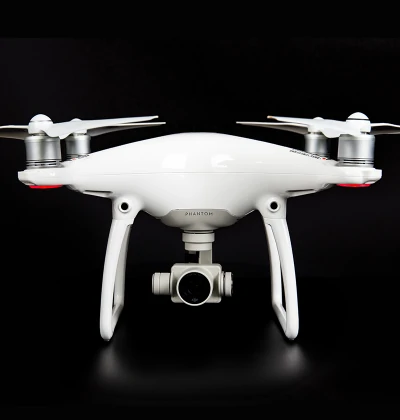

Aerospace & UAV
WJ Prototypes is your 3D manufacturing partner from prototype to large scale production.

Consumer Electronics
New Product Introduction Solutions for Consumer Electronics.

Robotics & Automation
Need some assistance bringing your robotic device or parts from the sketch-board to reality?

Medical Devices
The medical industry needs high quality, dependable and safe parts and products.

Automotive
New Product Introduction Solutions for Automotive

Industrial Machinery
The main purpose of industrial prototyping is to take the product from drawings into the real world.
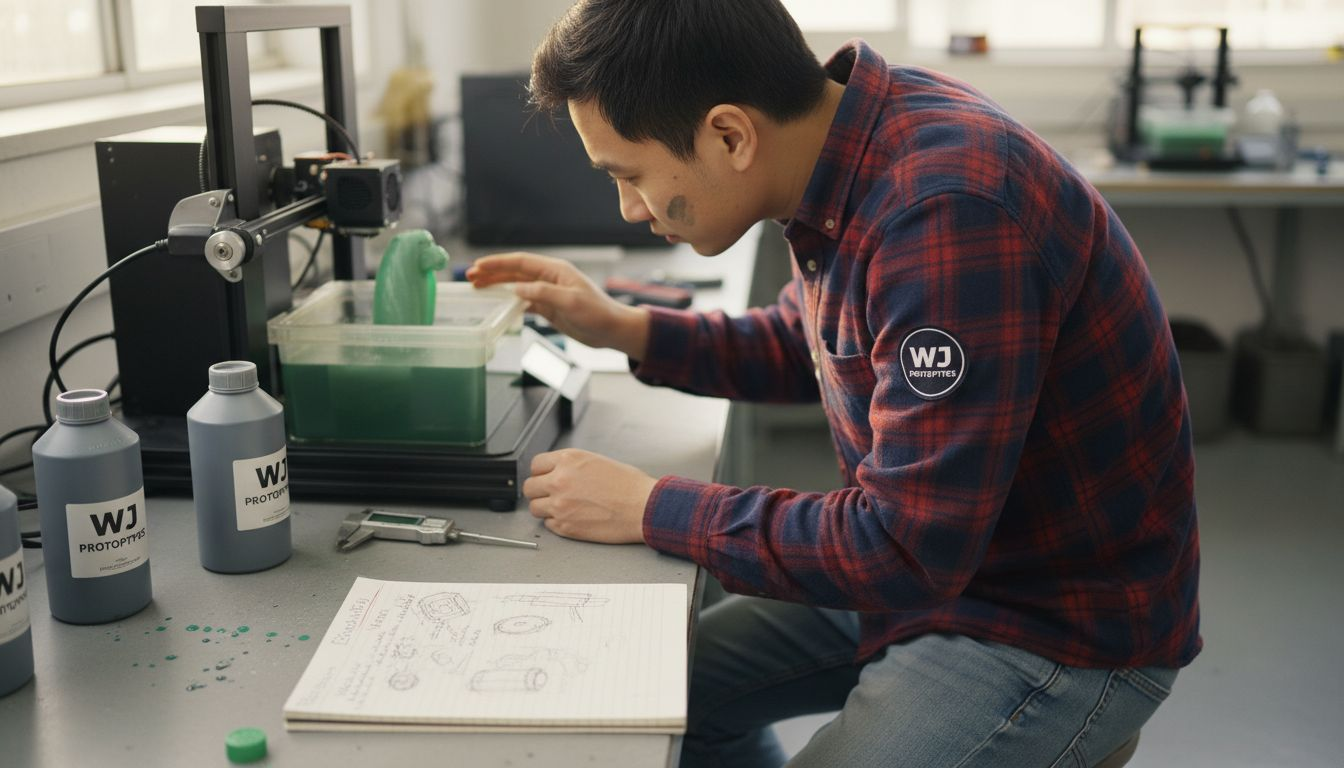

SLA 3D printing now delivers up to 90 percent reduction in raw material use for rapid prototyping, an achievement driving British and international aerospace and automotive teams to rethink development strategies. Cost pressures and tight timelines often leave managers searching for better ways to iterate designs. Discover how affordable SLA solutions combine precision, advanced materials, and efficiency to help you accelerate product turnaround while meeting global engineering standards.
| Point | Details |
|---|---|
| SLA Technology Versatility | Different SLA techniques such as Point Scanning and Projection SLA provide tailored solutions for various industrial applications, enhancing design iteration and production quality. |
| Precision Factors | Key parameters like laser spot size and layer thickness critically affect SLA’s dimensional accuracy, necessitating ongoing monitoring for optimal results. |
| Material Selection | Choosing the right photopolymer resin is crucial to achieving the desired surface quality and mechanical properties for specific applications. |
| Cost and Time Efficiency | SLA 3D printing significantly reduces development costs and timelines in sectors like aerospace and automotive, enabling rapid prototyping and design flexibility. |
Stereolithography (SLA) represents an advanced additive manufacturing technique that transforms liquid photopolymer resin into precise three-dimensional objects through targeted ultraviolet light exposure. Photopolymerization principles have been instrumental in advancing SLA technologies across multiple industrial sectors, enabling intricate geometries and exceptional surface quality.
The core mechanism of SLA 3D printing involves a sophisticated process of layer-by-layer fabrication using photosensitive polymers. When a focused UV laser or digital light projection system interacts with liquid resin, it selectively solidifies precise sections, building complex parts with remarkable dimensional accuracy. Recent technological innovations have significantly improved SLA’s resolution and processing speeds, making it a preferred method for rapid prototyping in engineering disciplines.
SLA technologies encompass several primary approaches, including point scanning, projection, continuous, and volumetric methods. Each technique offers unique advantages:
The following table summarises the unique attributes and typical business applications of each main SLA 3D printing technique:
| SLA Technique | Key Attribute | Typical Business Application |
|---|---|---|
| Point Scanning | Ultra-fine detailing | Dental and jewellery prototyping |
| Projection SLA | High-speed layer curing | Rapid design iteration in engineering |
| Continuous SLA | Smooth workflow | Real-time production environments |
| Volumetric SLA | Complex shape generation | Advanced research and bespoke components |
Professional Insight: When selecting an SLA 3D printing approach, consider your specific project requirements, focusing on resolution, speed, and material compatibility to optimise your prototyping strategy.
Precision in SLA 3D printing emerges from a complex interplay of sophisticated technological parameters and meticulous control mechanisms. Systematic experimental investigations have demonstrated that specific printing parameters critically influence dimensional accuracy and surface quality, revealing intricate relationships between layer thickness, build angle, and support density that directly impact part performance.
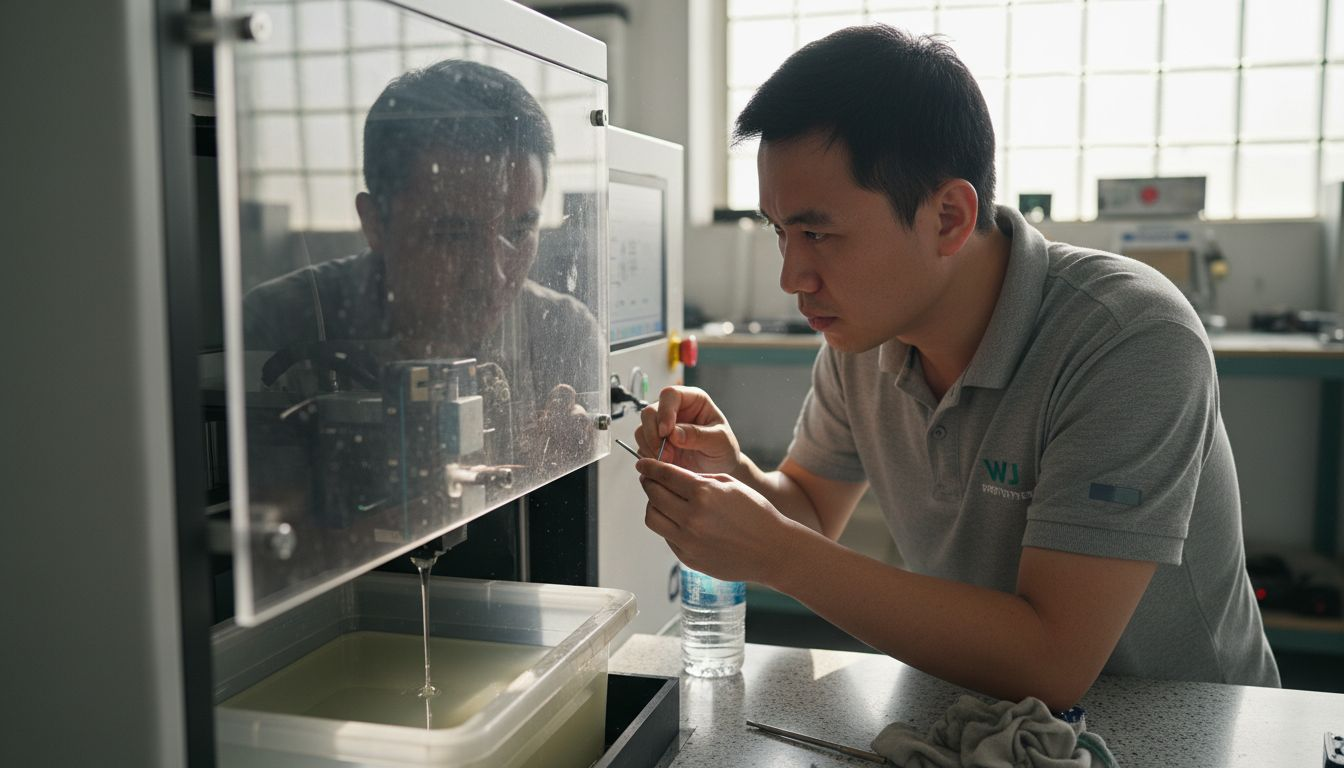
The photopolymerisation process underpins SLA’s exceptional precision, with advanced computational modelling revealing how laser energy, material properties, and calibration strategies contribute to repeatable high-resolution outcomes. Computational research demonstrates that precise control of material and process variables enables manufacturing components with extraordinarily tight tolerances, making SLA an ideal technology for engineering prototypes requiring exceptional geometric accuracy.
Key factors influencing SLA precision include:
Professional Tip: Consistently monitor and calibrate your SLA printer’s key parameters, focusing on laser alignment and resin temperature to maintain optimal precision in your prototyping workflow.
SLA 3D printing offers an extraordinary range of material choices that enable manufacturers to achieve exceptional surface finishes across diverse industrial applications. Comprehensive research reveals the nuanced capabilities of resin technologies in producing high-quality surface textures, demonstrating how carefully selected photopolymer resins can transform prototyping possibilities.
The material spectrum for SLA printing encompasses standard, engineering, and specialised formulations, each designed to deliver specific performance characteristics. Standard resins provide excellent detail and smooth surfaces, while engineering-grade materials offer enhanced mechanical properties such as heat resistance, flexibility, and impact strength. Specialised resins include transparent, dental, and medical-grade formulations that meet rigorous industry standards for precision and biocompatibility.

Key material categories for SLA 3D printing include:
This table compares SLA 3D printing materials across their surface quality and industrial suitability:
| Material Type | Surface Finish | Suitable Industrial Use |
|---|---|---|
| Standard Clear | Smooth and glossy | Product visualisation, concept demos |
| Engineering Grade | Matte, precise | Functional parts for machinery |
| Tough Resin | Smooth, impact resistant | Automotive housings, tooling |
| Flexible Resin | Rubber-like texture | Wearables, ergonomic testing |
| High-Temperature | Glossy under heat | Aerospace, electronic enclosures |
Professional Insight: Select your SLA resin by first understanding your prototype’s specific performance requirements, considering mechanical properties, surface finish, and intended end-use environment.
Stereolithography has revolutionised prototyping strategies in aerospace and automotive industries by dramatically reducing development timelines and manufacturing expenses. Global research highlights SLA’s critical role in accelerating product development cycles and enabling cost-effective iterations for complex component production, particularly for low-volume specialised parts that traditional manufacturing methods struggle to economically produce.
In the aerospace and automotive sectors, SLA 3D printing delivers unparalleled advantages by compressing design verification and prototype development processes. Engineers can rapidly generate multiple design iterations, test functional prototypes, and validate complex geometries without significant financial investment. This technology eliminates expensive tooling costs, reduces material wastage, and allows for instantaneous design modifications that would typically require weeks of traditional manufacturing preparation.
Key cost and speed advantages include:
Professional Insight: Strategically leverage SLA 3D printing for early-stage prototyping to maximise design exploration while minimising development expenditure and time investments.
WJ Prototypes has emerged as a premier global manufacturing partner, distinguished by its comprehensive range of advanced prototyping technologies and commitment to international engineering standards. The company’s extensive track record serving over 5,000 international clients demonstrates its capability to deliver high-precision manufacturing solutions, establishing a robust reputation for reliability and technical expertise.
Specialising in sophisticated additive manufacturing techniques like SLA 3D printing, WJ Prototypes offers unparalleled advantages for global engineering teams. Their integrated approach combines cutting-edge technologies, no minimum order requirements, and extensive post-processing capabilities, enabling clients to transform complex design concepts into functional prototypes with remarkable efficiency. The company’s strategic location in China provides significant cost advantages without compromising on quality or technological sophistication.
Key differentiators for global clients include:
Professional Insight: Evaluate manufacturing partners based on their technological capabilities, quality certifications, and ability to handle complex engineering challenges across multiple industries.
The article highlights key challenges faced by engineers and designers such as achieving exceptional precision, rapid iteration cycles, and material versatility when using SLA 3D printing for fast prototyping. If you are looking to overcome these hurdles and benefit from SLA’s ability to deliver high resolution, smooth surface finishes and quick turnaround, WJ Prototypes offers a tailored solution. Our expertise in advanced additive manufacturing technologies, including SLA, ensures your prototypes meet exacting standards while cutting development time and costs.
Experience the competitive edge of working with a trusted partner who understands the importance of laser spot size, resin selection, and meticulous process control. With no minimum order requirements and comprehensive post-processing options, WJ Prototypes empowers you to realise your complex designs with agility and quality. Discover how our global capabilities and ISO certified processes can accelerate your aerospace, automotive or medical projects now. Take the first step towards precision prototyping by exploring WJ Prototypes services for SLA 3D printing and related manufacturing solutions today.
SLA 3D printing, or Stereolithography, is an additive manufacturing technique that uses ultraviolet light to solidify liquid photopolymer resin into three-dimensional objects layer by layer. It allows for high precision and complex geometries in the final product.
The main advantages of SLA 3D printing include rapid iteration of prototypes, minimal tooling expenses, design flexibility, and improved material efficiency. This technology enables engineers to quickly test and validate designs without significant financial investment.
Precision in SLA 3D printing is achieved through careful control of printing parameters such as laser spot size, layer thickness, and material properties. The photopolymerisation process and precise calibration enable manufacturing components with tight tolerances and exceptional dimensional accuracy.
SLA 3D printing offers a variety of material choices, including standard, engineering, and specialised resins. These materials influence the surface finish and mechanical properties of the final product, allowing for tailored solutions based on specific performance requirements.
SERVICES
RESOURCES