



- Room 1807, Unit 9, Building 2, Shangxing Commercial Street, Shangde Road, Shangxing Community, Xinqiao Subdistrict, Bao'an District, Shenzhen City, China
CONTACT US

WhatsApp


Contact Us
Our team is on stand by, waiting toassist you.

Videos
A large collection of educational videos and tutorials.

About Us
Learn about our company, leadership, and mission totransform manufacturing.

Privacy Policy
Applies to all personal information collected through and/or processed in connection.
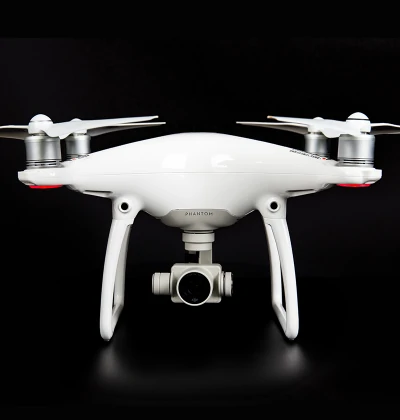

Aerospace & UAV
WJ Prototypes is your 3D manufacturing partner from prototype to large scale production.

Consumer Electronics
New Product Introduction Solutions for Consumer Electronics.

Robotics & Automation
Need some assistance bringing your robotic device or parts from the sketch-board to reality?

Medical Devices
The medical industry needs high quality, dependable and safe parts and products.

Automotive
New Product Introduction Solutions for Automotive

Industrial Machinery
The main purpose of industrial prototyping is to take the product from drawings into the real world.
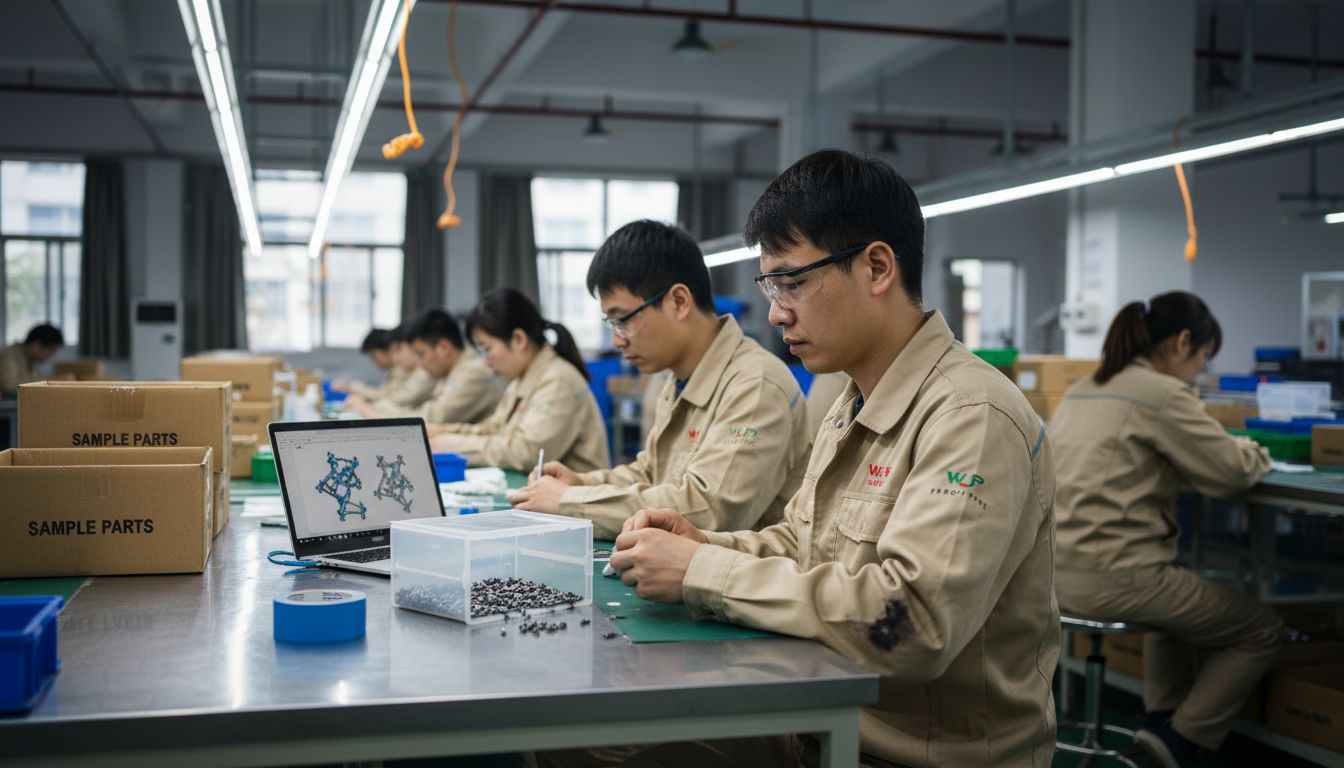
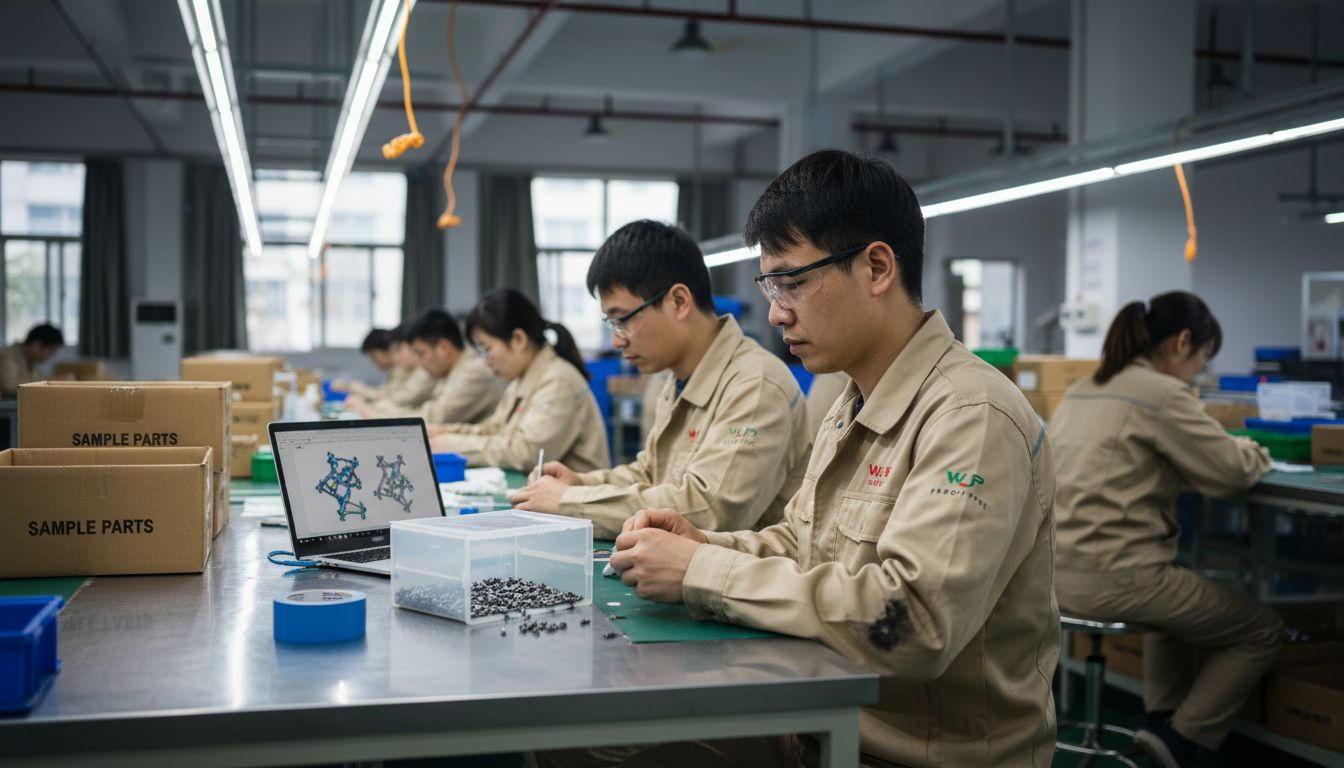
Most British engineering teams face pressure to deliver new aerospace and automotive models faster and at lower costs than ever before. The push for efficiency has made rapid prototyping in China a popular solution, with some Chinese facilities cutting product development expenses by up to 40 percent compared to Western alternatives. This article explains how advanced Chinese prototyping services help global product designers and engineers overcome cost hurdles and achieve quicker time-to-market without compromise.
| Point | Details |
|---|---|
| Rapid Prototyping Advantage | China’s rapid prototyping techniques offer significant cost and time savings, enabling quicker product development and competitive market entry. |
| Diverse Prototyping Services | A wide range of prototyping methods, including 3D printing and CNC machining, allows businesses to select the best approach for their needs. |
| Cost Leadership Factors | China’s sophisticated supply chain, supplier clustering, and government support contribute to lower manufacturing costs compared to Western centres. |
| Risk Management in Outsourcing | Clear communication, legal protections, and quality control measures are essential to mitigate risks associated with international prototype outsourcing. |
Rapid prototyping is an advanced manufacturing process that transforms digital design concepts into physical models quickly and efficiently. In China, this technique has become a game-changing approach for product development across multiple industries, enabling manufacturers to create precise three-dimensional prototypes with remarkable speed and cost-effectiveness.
The process involves using sophisticated computer-aided design (CAD) software to generate detailed digital models which are then translated into physical objects through various additive manufacturing technologies. Chinese manufacturers have embraced techniques like stereolithography, selective laser sintering, and fused deposition modeling to revolutionise product design and development cycles. These methods allow engineers to produce complex geometries and intricate designs that would be challenging or impossible with traditional manufacturing approaches.
China’s rapid prototyping ecosystem offers distinct advantages for global businesses. By leveraging advanced manufacturing technologies and skilled engineering talent, Chinese facilities can produce high-quality prototypes at significantly reduced costs compared to Western manufacturing centres. The combination of sophisticated equipment, competitive labour rates, and a robust manufacturing infrastructure enables rapid iteration and quick market entry for innovative products.
Pro tip: When selecting a rapid prototyping partner in China, request detailed portfolio examples and quality certifications to ensure consistent manufacturing standards and technical expertise.
China offers a comprehensive range of advanced prototyping services and methodologies that cater to diverse manufacturing and product development needs. These services span multiple technologies and approaches, enabling businesses to transform digital designs into tangible physical models with remarkable precision and efficiency.
The primary prototyping services available in China include:
3D Printing/Additive Manufacturing
CNC Machining
Injection Moulding
Vacuum Casting
Each prototyping method offers unique advantages, allowing manufacturers to select the most appropriate technique based on specific design requirements, material constraints, and budget considerations. Chinese facilities excel at providing flexible, scalable prototyping solutions that accommodate everything from intricate aerospace components to consumer electronics designs.
Modern Chinese prototyping services leverage advanced software and engineering expertise to deliver high-fidelity prototypes with exceptional accuracy. By combining cutting-edge technologies with competitive pricing, these services enable global businesses to accelerate product development cycles and reduce overall manufacturing expenses.
Pro tip: Always request material compatibility and tolerance reports when selecting a prototyping service to ensure your design requirements are precisely met.
Here’s how China’s main prototyping methods compare on speed, precision, and ideal use case:
| Method | Typical Turnaround Time | Precision Level | Best Suited For |
|---|---|---|---|
| 3D Printing | Fast (1-5 days) | High (0.05 mm) | Complex shapes, rapid iterations |
| CNC Machining | Moderate (3-7 days) | Very high (0.01 mm) | Functional tests, metal components |
| Injection Moulding | Slower (1-2 weeks) | Good (0.1 mm) | Multiple identical parts, plastics |
| Vacuum Casting | Fast (3-7 days) | Moderate (0.1 mm) | Small runs, elastomeric prototypes |
China’s manufacturing ecosystem has developed an extraordinarily sophisticated supply chain that systematically reduces prototyping and production expenses through strategic infrastructure and network integration. Unlike traditional manufacturing models, the Chinese approach centralises component sourcing, consolidates logistics networks, and leverages massive economies of scale to drive down overall manufacturing costs.
The cost advantages emerge from several interconnected strategic factors:
Supplier Clustering
Vertical Integration
Government Policy Support
These integrated supply chain mechanisms allow Chinese manufacturers to offer remarkably competitive pricing without compromising quality. By maintaining dense networks of specialised suppliers and investing heavily in technological capabilities, China has created a manufacturing environment that consistently outperforms global competitors in cost-efficiency and production speed.

The combination of advanced infrastructure, policy support, and a highly skilled workforce enables Chinese manufacturers to reduce prototype development costs by up to 40% compared to Western markets. This cost advantage stems not just from lower labour expenses, but from a holistic approach to manufacturing that emphasises efficiency, technological innovation, and continuous process improvement.
Pro tip: Request detailed supply chain mapping from your Chinese manufacturing partner to fully understand their cost reduction strategies and potential efficiency gains.
This table summarises key supply chain advantages driving China’s prototyping cost leadership:
| Advantage | Business Impact | Example Benefit |
|---|---|---|
| Supplier Clustering | Reduced material transit time | Quicker assembly, less downtime |
| Vertical Integration | Streamlined production workflows | Fewer errors, lower logistics cost |
| Government Support | Sustained infrastructure investment | Modern factories, smooth processes |
China’s manufacturing landscape is distinguished by its remarkable combination of cutting-edge technology and highly sophisticated workforce development strategies. The nation has systematically invested in creating an ecosystem that seamlessly integrates advanced technological capabilities with extensive professional training programmes, enabling unprecedented levels of manufacturing precision and innovation.
The technological infrastructure supporting China’s manufacturing prowess encompasses several critical domains:
Robotic Manufacturing
Digital Engineering
Workforce Capabilities
The integration of intelligent manufacturing technologies with a technically proficient workforce enables Chinese manufacturers to deliver complex prototyping solutions with remarkable efficiency. Engineers are trained not just in traditional manufacturing techniques but also in emerging technologies like artificial intelligence, machine learning, and advanced robotics, creating a dynamic and adaptable professional ecosystem.
These strategic investments have transformed China from a low-cost manufacturing destination to a global leader in technological innovation. By continuously upgrading technological infrastructure and maintaining a rigorous focus on workforce skill development, Chinese manufacturers can offer sophisticated prototyping services that combine speed, precision, and cost-effectiveness.
Pro tip: Request detailed technological capability documentation from potential manufacturing partners to assess their true technological sophistication and engineering expertise.
China’s prototyping landscape offers a compelling economic proposition when compared against manufacturing costs in alternative global regions. Manufacturers can expect substantial cost reductions ranging from 30% to 60% compared to Western production centres, driven by strategic advantages in labour expenses, technological infrastructure, and scaled manufacturing capabilities.
Cost comparisons across different manufacturing regions reveal nuanced economic considerations:
United States
European Union
Southeast Asian Alternatives
The economic advantages extend beyond simple price comparisons. Chinese manufacturers have developed an integrated ecosystem that optimises production efficiency, enabling them to deliver high-quality prototypes with remarkable cost-effectiveness. This holistic approach considers not just direct manufacturing expenses but also factors like lead times, technological capabilities, and scalability.

While alternative regions might offer marginal cost variations, China’s comprehensive manufacturing strategy provides a more robust value proposition. The combination of advanced technological infrastructure, a highly skilled workforce, and government-supported industrial policies creates a uniquely competitive environment for prototype development and small-batch manufacturing.
Pro tip: Conduct a comprehensive total cost of ownership analysis that includes shipping, quality control, and potential redesign expenses when comparing international prototyping options.
Outsourcing prototypes to international manufacturers involves complex challenges that can potentially derail product development if not carefully navigated. Systematic research reveals significant risks in international prototype relationships, particularly when communication, expectations, and technical specifications are not meticulously defined and managed.
Key potential pitfalls in prototype outsourcing include:
Communication Barriers
Intellectual Property Risks
Quality Control Issues
Navigating these challenges requires a strategic approach that prioritises clear communication, robust legal frameworks, and comprehensive quality assurance processes. Successful prototype outsourcing demands more than simply selecting the lowest-cost provider; it necessitates a holistic understanding of potential risks and proactive mitigation strategies.
Manufacturers must invest significant effort in establishing detailed technical specifications, conducting thorough supplier assessments, and maintaining continuous communication channels. This approach helps mitigate risks associated with international prototype development and ensures alignment between design intent and final output.
Pro tip: Develop a comprehensive supplier evaluation matrix that includes technical capabilities, communication effectiveness, quality certifications, and past project references before finalising any prototype outsourcing partnership.
The article reveals how prototyping in China dramatically lowers costs through advanced technology, skilled workforce, and integrated supply chains. If you are seeking a reliable partner to navigate the complexities of rapid prototyping—combining methods like SLA, SLS, CNC machining, and vacuum casting—while avoiding typical pitfalls such as quality control issues and communication barriers, WJ Prototypes is your ideal choice.
With expertise spanning aerospace, medical, electronics, and more, WJ Prototypes delivers high-precision prototypes and small to medium production runs with fast turnaround times and uncompromised quality. Embrace the benefits of China’s cost advantages today and accelerate your product development cycle by partnering with a trusted ISO-certified manufacturer. Discover our full range of services, quality assurance policies, and instant quoting tools at WJ Prototypes.
Ready to reduce your prototyping costs without sacrificing quality or speed? Visit our homepage now to explore tailor-made solutions designed for global businesses eager to reach the market faster and smarter.
Prototyping in China drives down costs through a sophisticated supply chain, vertical integration, and government support that enables economies of scale, reducing production and material costs significantly.
China offers various prototyping services, including 3D printing, CNC machining, injection moulding, and vacuum casting, each suited to different manufacturing needs and complexity levels.
China’s advanced technology enables high manufacturing precision, faster turnaround times, and the integration of new techniques like robotic manufacturing and AI, enhancing overall production efficiency.
Common pitfalls include communication barriers, intellectual property risks, and quality control issues. It’s essential to have clear specifications, robust contracts, and maintain open communication with suppliers.
SERVICES
RESOURCES