



- Room 1807, Unit 9, Building 2, Shangxing Commercial Street, Shangde Road, Shangxing Community, Xinqiao Subdistrict, Bao'an District, Shenzhen City, China
CONTACT US

WhatsApp


Contact Us
Our team is on stand by, waiting toassist you.

Videos
A large collection of educational videos and tutorials.

About Us
Learn about our company, leadership, and mission totransform manufacturing.

Privacy Policy
Applies to all personal information collected through and/or processed in connection.


Aerospace & UAV
WJ Prototypes is your 3D manufacturing partner from prototype to large scale production.

Consumer Electronics
New Product Introduction Solutions for Consumer Electronics.

Robotics & Automation
Need some assistance bringing your robotic device or parts from the sketch-board to reality?

Medical Devices
The medical industry needs high quality, dependable and safe parts and products.

Automotive
New Product Introduction Solutions for Automotive

Industrial Machinery
The main purpose of industrial prototyping is to take the product from drawings into the real world.


We recommend starting with WJ Prototypes if you need custom CNC machining for automotive parts: we run ISO-certified processes covering prototype through low-volume production, with the tolerance control and material range that automotive components demand. We match machine capability to your part geometry and quality requirements before a single chip gets cut. Upload your CAD file or request a quote to get a capability check and pricing within the same workflow.
TL;DR:
- Use three axis milling for simpler parts; complex undercuts may require five axis machining, while shafts may call for turning or mill turn equipment.
- Use IATF 16949 for automotive parts where safety or performance is critical; request capability data, in process SPC charts, and first article reports.
- Aluminum alloys suit lightweight housings and brackets, while alloy steels handle higher loads; require mill certificates and heat treatment records for structural parts.
- Treat the cost thirds for materials, labor and scrap, and overhead as a planning guide; accurate quotes require CAD, tolerances, material, finish, and quantity.
- Get warranty, defect handling, tooling retention, and delivery terms in writing, and compare door to door shipping time rather than factory production time alone.
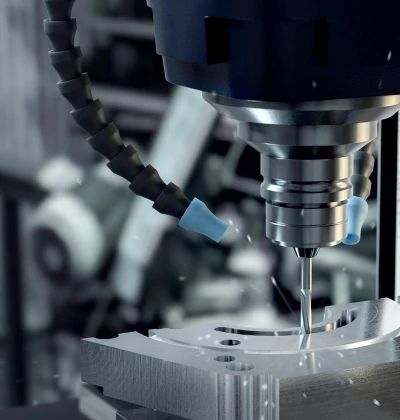
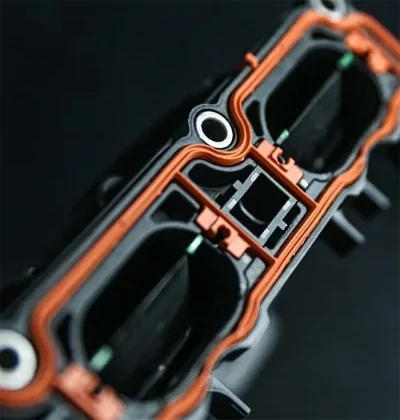
Automotive parts rarely tolerate a one-size-fits-all process. A bracket with simple bores might need only 3-axis milling, while a manifold with compound angles or undercuts needs 5-axis work to hit every feature in one setup. Turned parts like shafts and fittings need lathes, and when a part combines turning with complex side features, mill-turn centers cut both in a single operation, improving concentricity and cutting handling errors.
Swiss machining earns its place when you’re running small-diameter, high-precision parts such as fuel injector components or sensor housings, where the guide bushing keeps the stock rigid during fine turning. Wire EDM comes into play for hardened tool steel, intricate slots, or features too fine for a cutter to reach.
Before committing to a supplier, confirm:
Certifications tell you which quality system a supplier actually runs, not just what they claim. ISO 9001 establishes a baseline quality management system. AS9100 layers in traceability and risk management originally built for aerospace, useful when your automotive part carries similar criticality. IATF 16949 is the automotive-specific standard, built around defect prevention and reduced variation in the supply chain, and it’s the one to prioritize when sourcing safety- or performance-critical parts.
Certifications alone don’t catch dimensional drift. Look for:
A mature supplier can share Cp/Cpk capability data and in-process SPC charts on request, which Machine Design’s guidance on vetting contract manufacturers flags as a sign of real process control rather than a one-off inspection pass. Ask for material certificates alongside inspection reports, especially for structural or pressure-bearing components.
Material choice drives cost, weight, and durability all at once. Aluminum alloys (6061, 7075) dominate automotive housings and brackets because they machine fast and cut weight. Stainless steels handle corrosion-prone fittings and fasteners. Alloy steels carry higher loads in drivetrain and suspension parts. Exotic alloys show up in high-heat or high-stress applications like exhaust components.
Finishes matter as much as the base material:
Material grade also affects your production economics. Documented shop case studies on nongalling stainless steel show that switching to higher-machinability barstock cut tool-change frequency and raised throughput substantially, even though the raw material cost a bit more per pound. For CNC machining materials options, check machinability ratings against your production volume before locking in a spec.
Pro Tip: For structural or pressure-bearing automotive parts, require mill certificates and heat-treat records up front, not after the first batch ships.
Custom CNC pricing is easier to reason about once you break it into its components. A commonly used planning heuristic in manufacturing splits part cost roughly into thirds: one-third materials, one-third labor and scrap, and one-third overhead, covering purchasing, engineering, documentation, and margin. Treat it as a planning guide, not a quote.

Lead times vary by stage. Prototype orders typically turn around faster than production runs because they skip tooling optimization and run in smaller batches. Low-volume production adds setup time, fixturing, and sometimes secondary finishing, which stretches the schedule. Complex geometries, exotic materials, and tight tolerances all add time on top of that baseline.
Instant quoting has changed how fast that whole process moves. Machine Design’s reporting on AI-powered CNC quoting describes platforms that take a CAD file and return a manufacturing cost estimate in under five minutes, compressing what used to be a multi-day back-and-forth into a single upload.
To get an accurate instant quote, send:
Treat supplier selection the way you’d treat an engineering spec: concrete, checkable, and documented. Before you commit volume to any shop, work through these steps in order.
Supplier vetting guidance from Machine Design recommends weighing specialization, process validation, testing capability, and supply-chain support together, since shops vary widely in how much of that chain they actually control in-house.
Pro Tip: Ask for in-process SPC charts, not just a final inspection report. A shop that tracks variation during the run catches problems before they become scrapped parts.
We built our CNC machining service around the checklist above, not around it in theory. Our process runs under ISO certification, covers parts from first prototype through low-volume production runs, and pairs every order with a project manager who can answer capability and tolerance questions.
Several items on a typical vetting list are things we can demonstrate quickly: capability statements, sample parts, and QA documentation are available on request before you commit to a production order. Our instant quoting system accepts CAD uploads directly, which shortens the sourcing step we described above.
To get a useful first quote, send your CAD file, target material, tolerance callouts, and intended quantity in one submission.
Custom CNC machining covers a wide span of automotive subsystems, each with its own tolerance and material demands. Powertrain components, think transmission housings, gear blanks, and engine brackets, typically need tight tolerances and high-strength alloys because they carry continuous mechanical load. Chassis parts, including control arms and mounting brackets, prioritize fatigue resistance and dimensional consistency across a production run.
EV-specific parts have added a newer category: battery enclosures and motor housings, often machined from aluminum for weight savings, with sealing surfaces that need precise flatness to keep moisture out. Fuel system components, fittings, injector bodies, and small valve parts, frequently call for Swiss machining because of their small diameters and tight concentricity requirements.
Suspension components, struts, knuckles, and bushings, sit at the intersection of strength and weight, often machined from alloy steel or forged aluminum blanks. Across all these categories, the common thread is that the part’s job, not its industry label, should dictate the machining process and inspection rigor you require.
When you’re sourcing across several of these categories at once, a supplier who can run mill-turn, Swiss, and Wire EDM under one roof saves you from splitting a single vehicle program across multiple vendors, each with its own lead time and inspection standard.
Reputation signals are easier to check than most buyers assume, and they’re worth checking before you commit tooling budget. Case studies tell you whether a shop has handled parts similar in complexity and volume to yours, not just whether they claim automotive experience in general terms. Ask for examples tied to your part category: powertrain, suspension, or fuel system work carries different risk profiles.
Client references matter more than star ratings. A shop willing to connect you with a past client, even anonymized, is signaling confidence in its own delivery record. Reviews on independent platforms give a rougher but still useful signal, especially when they mention on-time delivery and defect rates rather than just general satisfaction.
Industry consolidation data adds useful context here too. The U.S. Bureau of Labor Statistics occupational outlook for machinists and tool and die makers shows a skilled-labor pool that shapes how much capacity any given shop can realistically commit to your program, which is worth factoring into how much volume you place with a single supplier early on.
One useful verification step: ask a prospective supplier how they handle a part that fails inspection mid-run. Shops with mature quality systems have a documented containment and corrective-action process ready to describe, not an improvised answer.
Supplier location shapes your lead time math as much as machine capability does. Domestic shops cut shipping time and simplify customs, which matters for urgent prototype iterations where a few days can delay a program milestone. Overseas suppliers, particularly those with established export processes, can still deliver competitively on cost and quality, but you need to build customs clearance and international freight time into your schedule.
For production orders, consolidated shipping often brings per-unit logistics cost down, which partly offsets the longer transit time compared with prototype-stage air freight. Ask any supplier, domestic or international, for a realistic door-to-door estimate rather than just a factory-gate production time, since the two numbers can differ by more than a week depending on the shipping method.
Duties and import fees apply when sourcing internationally, and the responsibility for handling them should be clear in your purchase agreement before the first shipment leaves the factory. A supplier experienced in exporting to your market should be able to walk you through the paperwork without extra back-and-forth.
If you’re running a multi-supplier program, keeping machining and finishing operations under one roof, regardless of which country that shop sits in, cuts the number of shipping legs your part takes before reaching final assembly, which lowers both cost and damage risk in transit.

Response time during the quoting stage is a reasonable proxy for how a supplier will communicate once your order is in production. A shop that takes days to answer a technical question about tolerances is likely to be just as slow when a production issue needs a fast decision.
Look for a dedicated point of contact, ideally a project manager or engineer assigned to your account, rather than a general sales inbox that routes your questions through several people before you get an answer. That single point of contact matters most when a design change or material substitution needs a quick technical call, not an email thread spanning days.
Language and time zone differences deserve a direct conversation early on, especially with international suppliers. Ask how they handle technical questions outside their business hours and whether urgent production issues get escalated differently than routine status updates.
A good benchmark during the RFQ stage: how specific are their questions back to you? A supplier who asks pointed questions about tolerance stack-up, finish requirements, or fixturing constraints is already thinking about your part as a manufacturing problem, not just a line item to quote.
What happens after parts ship matters as much as what happens before. Ask any prospective supplier how they handle a defect discovered after delivery: whether they offer replacement parts, cost credit, or a formal corrective-action report tied to root cause.
Warranty terms vary widely across the industry, so get them in writing before placing a production order, not after a problem surfaces. Clarify what counts as a defect covered under warranty versus a tolerance issue tied to your own drawing specification, since the line between the two causes most post-delivery disputes.
For ongoing production programs, ask whether the supplier retains your tooling, fixtures, and inspection records between runs. A shop that keeps your part history on file can turn around a reorder faster and catch drift against previous batches more easily than one starting from scratch each time.
Post-production support also covers documentation: material certificates, inspection reports, and any traceability records tied to your specific batch. For automotive parts feeding into a regulated or safety-critical assembly, confirm upfront how long the supplier retains these records and how quickly they can produce them if a quality question comes up months after delivery.
Most sourcing guides treat supplier selection like a popularity contest: biggest website, most case studies, flashiest claims. That’s backward. The suppliers worth your time are the ones who answer a technical question about tolerance stack-up with a technical answer, not a sales pitch.
The conventional wisdom oversells certifications as a finish line. ISO 9001 and IATF 16949 tell you a supplier runs a documented quality system, not that they’ll nail your specific part on the first run. The certificate is a floor, not a guarantee, and the real signal is whether they can produce a capability study or SPC chart for geometry similar to yours.
If you take one thing from this guide, prioritize verification over reputation. A shop with modest online presence but a clean FAI report and a willingness to share in-process inspection data is a safer bet than one with a polished case study page and vague answers to direct questions. Ask for the paperwork before you ask for the pitch.
— Nas
We cover the full range procurement teams need from a custom CNC automotive supplier: ISO-certified processes, prototype through low-volume production, and an online quoting system that reads your CAD file directly. Our team pairs that with project managers who can answer tolerance and material questions before you commit to a production order.
Start your CNC machining service request today and get pricing back fast enough to keep your program on schedule.
A CNC machine is a computer-controlled cutting tool that removes material from a solid block, called billet or barstock, to produce a precise part. It follows programmed instructions to control axis movement, spindle speed, and tool changes, which lets it repeat the same cut accurately across a production run.
Cost depends on material, complexity, tolerance, and quantity, so there’s no single number that applies across parts. A practical planning heuristic splits part cost roughly into thirds: materials, labor and scrap, and overhead, though your actual quote depends on your specific design and volume.
CAD and CAM software choice varies by shop and part complexity, and no single platform dominates across the automotive CNC industry. What matters more than the specific software name is whether your supplier’s system accepts your CAD file format directly and supports instant quoting, which speeds up the sourcing process described earlier in this guide.
Request current certification documents, a sample capability study, and a first article inspection report tied to a part similar to yours. Suppliers confident in their process will share this documentation without resistance, which is a stronger signal than any claim on a website.
Custom CNC machining produces parts to your own specification, which differs from sourcing aftermarket components built to a generic fit. If you’re weighing OEM versus aftermarket part trade-offs for a specific vehicle application, that decision sits separately from choosing a custom machining supplier for a part you’re designing yourself.
SERVICES
RESOURCES