




- Room 1807, Unit 9, Building 2, Shangxing Commercial Street, Shangde Road, Shangxing Community, Xinqiao Subdistrict, Bao'an District, Shenzhen City, China
CONTACT US

WhatsApp


Contact Us
Our team is on stand by, waiting toassist you.

Videos
A large collection of educational videos and tutorials.

About Us
Learn about our company, leadership, and mission totransform manufacturing.

Privacy Policy
Applies to all personal information collected through and/or processed in connection.
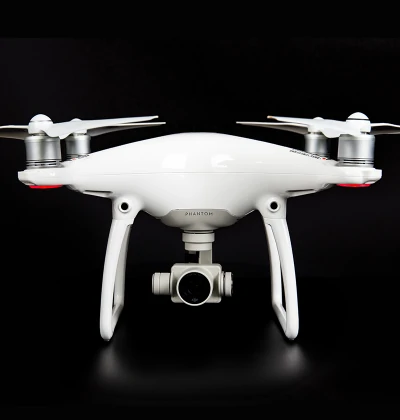

Aerospace & UAV
WJ Prototypes is your 3D manufacturing partner from prototype to large scale production.

Consumer Electronics
New Product Introduction Solutions for Consumer Electronics.

Robotics & Automation
Need some assistance bringing your robotic device or parts from the sketch-board to reality?

Medical Devices
The medical industry needs high quality, dependable and safe parts and products.

Automotive
New Product Introduction Solutions for Automotive

Industrial Machinery
The main purpose of industrial prototyping is to take the product from drawings into the real world.


The fastest path to aerospace-capable custom metal parts manufacturers runs through three channels: AS9100-certified contract manufacturers and job shops, AMS-stocked specialty metal service centers with machining capabilities, and aerospace-focused sourcing platforms or industry directories tied to certification registries. If you want a direct, vetted option for prototyping and low- to medium-volume aerospace metal parts, WJ Prototypes offers ISO-certified CNC machining and sheet metal fabrication with global delivery.
Quick discovery channels:
A supplier that handles general industrial work is not automatically ready for aerospace. The gap shows up fast when tolerances tighten or a prime OEM asks for documentation.
CNC machining is the baseline. For aerospace structural and engine components, you need 5-axis capability and the ability to hold tolerances in the ±0.001–0.005 inch range on titanium and nickel alloys. A shop that only runs 3-axis mills will struggle with complex contoured brackets or turbine-adjacent hardware.
Sheet metal fabrication covers formed skins, brackets, and enclosures. Aerospace-grade sheet work requires tight bend-radius control, spring-back compensation for titanium and high-strength aluminum, and the ability to work from precise sheet metal specifications without dimensional drift across a production run.
Metal stamping is relevant for high-volume structural clips, shims, and formed fittings. Suppliers doing aerospace stamping must control die wear and material lot consistency, since a single out-of-spec stamping in a flight-critical assembly can trigger a full lot rejection.

Aerospace welding requirements depend on the application. TIG welding covers most structural and hydraulic work; electron beam welding appears in engine and high-vacuum applications. Either way, welders must hold current certifications (AWS D17.1 or equivalent) and the shop must document weld procedure specifications.
Finishing and surface treatment includes anodizing, passivation, chemical conversion coating, and plating. Many of these are NADCAP-controlled processes, meaning the supplier either holds NADCAP accreditation or must subcontract to a facility that does.

Inspection is where aerospace suppliers separate from general shops. CMM (coordinate measuring machine) inspection and optical measurement against a 3D model are standard expectations. A supplier without in-house CMM capability will slow your first article inspection cycle significantly.

Pro Tip: Ask every candidate supplier this directly: “Can you show me a completed AS9102 First Article Inspection report from a recent aerospace job?” A shop that has never produced one, or that confuses it with a standard dimensional report, is not an aerospace supplier regardless of what their website says.
Common aerospace parts that custom metal fabricators produce include structural brackets, engine hardware, hydraulic fittings, sheet metal assemblies, formed skins, stampings, actuator bodies, and mounting frames. The material behind each part matters as much as the geometry.
Titanium alloys are among the most widely specified aerospace metals, combining high strength-to-weight ratio with excellent corrosion and heat resistance. They appear in engine components, structural frames, and fastener systems. The trade-off is machinability: titanium work-hardens quickly and demands slower feeds, sharp tooling, and careful coolant management.
| Material | Common Grades | Typical Applications | Key Spec References |
|---|---|---|---|
| Aluminum alloys | 2024, 7075 | Structural skins, brackets, frames | AMS 2770, — |
| Titanium alloys | Ti-6Al-4V (Grade 5), Ti-3Al | Engine hardware, structural frames | AMS 4928, — |
| Stainless steels | 15-5 PH, 17-4 PH, —, — | Hydraulic fittings, fasteners, brackets | —, — |
| Nickel alloys | Inconel 718, Waspaloy | Turbine components, high-temp hardware | —, — |
Material traceability is non-negotiable. Every lot of aerospace alloy must arrive with a mill certificate that includes the heat number, chemical composition, and mechanical test results. When you source from suppliers with direct mill relationships, that traceability chain is cleaner and easier to audit. Suppliers that buy from spot-market distributors introduce substitution risk and documentation gaps that can stall prime OEM approvals.
Pro Tip: Request the AMS specification number for every material in your RFQ, not just the common grade name. “7075 aluminum” and “7075 per AMS 2770 heat treat” are not the same thing to a prime OEM auditor.
AS9100 is the baseline quality management system for aerospace suppliers. It builds on ISO 9001 and adds aerospace-specific requirements around risk management, configuration control, and first article inspection. A supplier without current AS9100 registration should not be on your shortlist for flight-critical parts.
ISO 9001 alone is insufficient for most aerospace programs, but it is a reasonable minimum for non-flight-critical hardware or early-stage prototyping where AS9100 is not yet required.
NADCAP accreditation applies to special processes: heat treatment, chemical processing, non-destructive testing, and welding. When a prime contract specifies NADCAP for a process, the work must be performed at an accredited facility. A supplier that subcontracts NADCAP processes must be able to name those subcontractors and provide their current accreditation certificates.
ITAR registration is required for any supplier handling defense-related technical data or hardware under U.S. International Traffic in Arms Regulations. If your program touches defense applications, confirm ITAR status before sharing drawings.
AS9102 First Article Inspection (FAI) is the document that proves the first production article conforms to every drawing and specification requirement. It covers dimensional results, material certifications, process records, and functional test data. A complete FAI package is the single most important quality deliverable for a new aerospace supplier relationship — it is the evidence that the supplier’s process can actually produce what the drawing requires, not just what they claim.
What to ask for during supplier qualification:
Pro Tip: Validate AS9100 certificates directly through the IAQG OASIS database at oasis.sae.org, not just from the supplier’s PDF. Expired or scope-limited certificates are a common oversight that procurement teams catch too late.
Material availability is one of the most underestimated risks in aerospace procurement. AMS-certified alloys, particularly titanium and nickel superalloys, are subject to supply constraints tied to mill capacity, geopolitical factors, and OEM demand spikes. A supplier with strong, direct mill relationships can hold AMS-certified stock and prioritize your orders during shortages. A supplier buying from spot markets cannot.
Metallurgical expertise matters here too. Suppliers that understand alloy behavior, not just alloy names, are less likely to produce costly rework when machining titanium or nickel superalloys at aerospace tolerances. The difference between a shop that has run Inconel 718 for five years and one that has run it twice shows up in scrap rates and lead-time reliability.
Ask these questions before committing to a supplier:
Start with a shop audit, even a virtual one. Ask for a facility walkthrough video or schedule a call with the quality manager. The items that matter most: in-house CMM inspection, documented work instructions for aerospace processes, calibrated tooling records, and evidence of past aerospace project deliveries. Customer references from aerospace primes or Tier 1 suppliers carry more weight than any marketing claim.
For your RFQ package, include:
Lead time and cost are driven by a short list of factors: exotic alloy availability, setup and fixture costs for low-volume runs, NADCAP process requirements, tight tolerances that demand slower cycle times, and first article inspection scope. A supplier that gives you a quote without asking about FAI requirements or material AMS specs is not reading your RFQ carefully.
Red flags to watch for: no documented traceability process, inability to name their AS9100 registrar, vague answers about inspection capability, no prior aerospace project references, and quotes that arrive within hours of a complex RFQ submission. Speed on a complex aerospace quote usually means the supplier skipped the hard questions.
Sourcing aerospace-grade CNC parts safely from any supplier, domestic or overseas, requires the same documentation discipline. The geography changes the logistics; the quality requirements do not.
Aerospace-capable custom metal parts manufacturers are identified by their certifications, material traceability practices, and documented FAI capability, not by their marketing.
| Point | Details |
|---|---|
| Start with certification registries | Search IAQG OASIS for AS9100-registered suppliers before any other sourcing step. |
| Require material traceability | Demand mill certificates with heat numbers and AMS spec references on every order. |
| Include a full RFQ package | Submit STEP files, GD&T drawings, AMS material references, and FAI requirements together. |
| Probe mill relationships | Ask suppliers directly about AMS stock, direct mill ties, and shortage contingency plans. |
| WJ Prototypes as a direct option | WJ Prototypes offers ISO-certified CNC machining and sheet metal fabrication for aerospace prototyping and low- to medium-volume production with global delivery. |
The most common mistake is treating certification as a checkbox rather than a starting point. An AS9100 certificate tells you a supplier has a quality system. It does not tell you whether that system has ever been stress-tested by a real aerospace program with tight tolerances, exotic alloys, and a prime OEM auditor in the room.
The second mistake is sending a vague RFQ. A drawing with no AMS material reference, no surface finish callout, and no inspection requirement is an invitation for a supplier to quote the easiest interpretation of your part. You will get a low number, then a revision when the real requirements surface.
Experienced aerospace suppliers push back on incomplete RFQs. That pushback is a positive signal, not an obstacle. A supplier that quotes a complex titanium bracket in two hours without a single clarifying question is telling you something important about how carefully they read it.
WJ Prototypes gives aerospace engineers and procurement teams a direct path from CAD file to certified metal part, without the sourcing overhead of managing multiple vendors for machining, sheet metal, and finishing. As an ISO-certified manufacturer with CNC machining and sheet metal fabrication capabilities, WJ Prototypes handles prototyping and low- to medium-volume production runs for aerospace and UAV programs with global delivery.

To get a qualified quote, submit your package with: STEP or IGES CAD files, 2D drawings with GD&T callouts, AMS material references, target quantities, required inspection level (FAI/AS9102 if applicable), and any ITAR or export control notes. The CNC machining materials page lists available alloys and specs. Submit your files directly for a fast, engineering-reviewed quote.
Before finalizing any aerospace supplier, verify their credentials at the primary sources:
AS9100 is the baseline requirement for most aerospace programs, with ISO 9001 as a minimum for non-flight-critical work. NADCAP accreditation is required for special processes like heat treatment and chemical processing when prime contracts specify it.
Titanium alloys, particularly Ti-6Al-4V (AMS 4928), are among the most widely used aerospace metals due to their high strength-to-weight ratio and heat resistance. Aluminum alloys (2024, 7075) dominate structural and skin applications, while nickel alloys like Inconel 718 handle high-temperature engine environments.
The largest U.S. aerospace OEMs include Boeing, Lockheed Martin, Raytheon Technologies, Northrop Grumman, and General Dynamics. These primes typically source custom metal parts from a tiered supply chain of AS9100-certified contract manufacturers and job shops.
Search the IAQG OASIS database at oasis.sae.org using the supplier’s name or CAGE code. Confirm the certificate scope covers the processes you need, and check the expiry date. Never rely solely on a supplier-provided PDF.
Submit STEP or IGES CAD files, 2D drawings with full GD&T callouts, AMS material references, surface finish requirements, target quantities, required inspection documentation (AS9102 FAI for first articles), and any ITAR or export control notes.
SERVICES
RESOURCES