



- Room 1807, Unit 9, Building 2, Shangxing Commercial Street, Shangde Road, Shangxing Community, Xinqiao Subdistrict, Bao'an District, Shenzhen City, China
CONTACT US

WhatsApp


Contact Us
Our team is on stand by, waiting toassist you.

Videos
A large collection of educational videos and tutorials.

About Us
Learn about our company, leadership, and mission totransform manufacturing.

Privacy Policy
Applies to all personal information collected through and/or processed in connection.
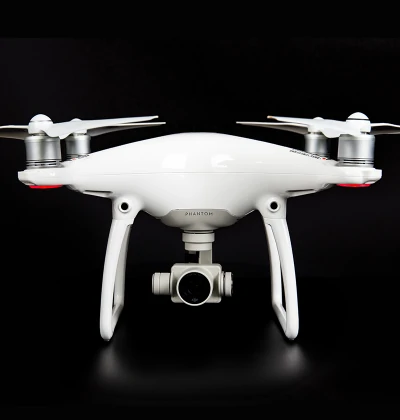

Aerospace & UAV
WJ Prototypes is your 3D manufacturing partner from prototype to large scale production.

Consumer Electronics
New Product Introduction Solutions for Consumer Electronics.

Robotics & Automation
Need some assistance bringing your robotic device or parts from the sketch-board to reality?

Medical Devices
The medical industry needs high quality, dependable and safe parts and products.

Automotive
New Product Introduction Solutions for Automotive

Industrial Machinery
The main purpose of industrial prototyping is to take the product from drawings into the real world.
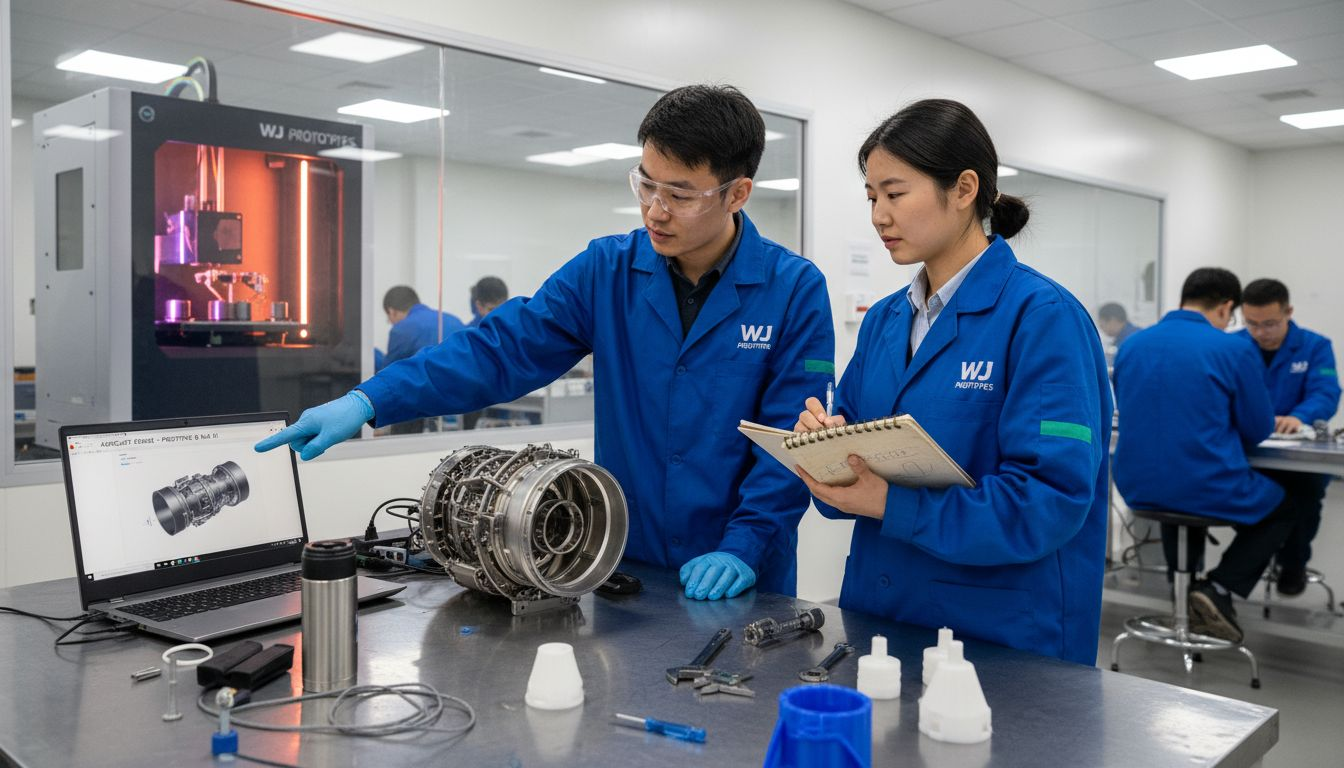
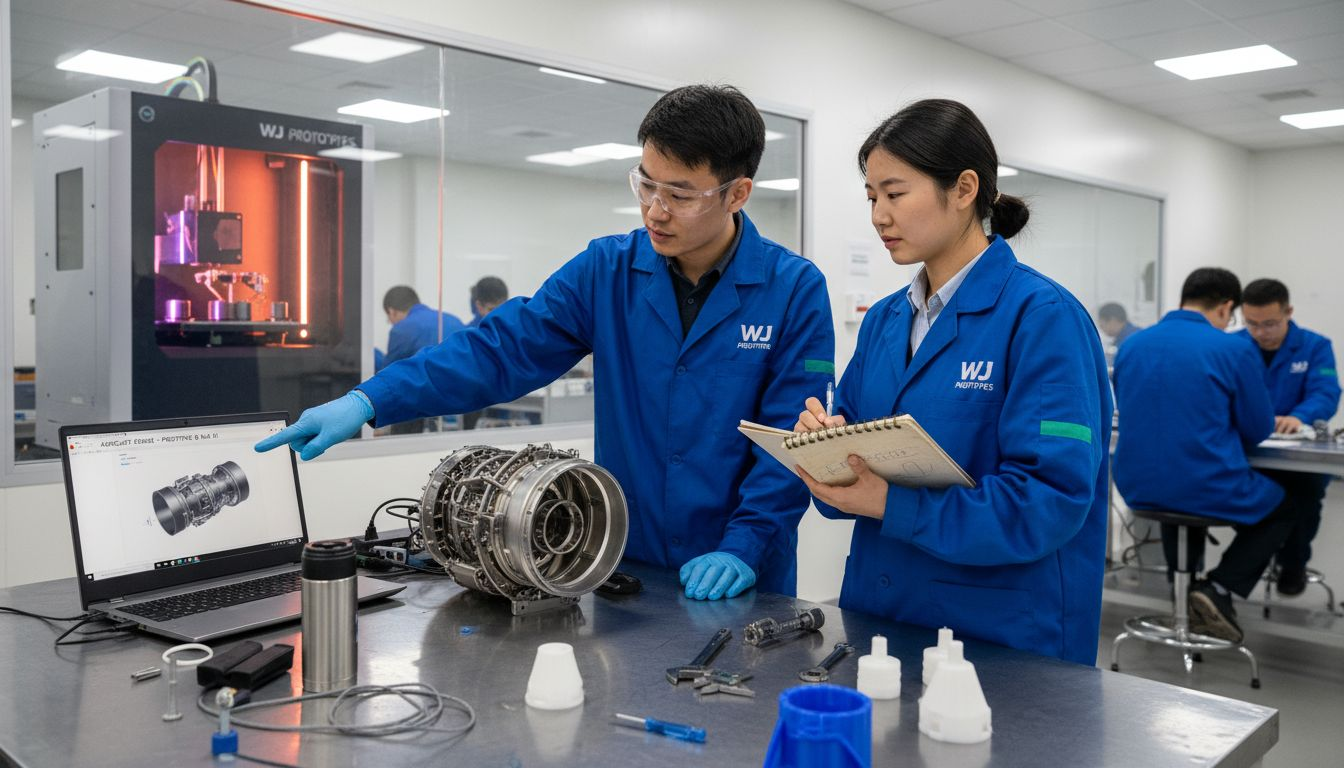
Most manufacturing engineers know that aerospace prototyping demands precision and speed. With additive manufacturing, even british innovators are achieving exceptional results for rapid prototyping and low-volume runs. Investing in the right 3D printing technologies can reduce turnaround times by up to 60% and deliver complex components that rival traditional methods. This article explores solutions that combine efficient production with uncompromising quality, helping aerospace teams worldwide excel in every stage of development.
| Takeaway | Explanation |
|---|---|
| 1. Choose the Right Resin for SLA | Selecting resins matching application requirements ensures prototypes perform as intended, optimising accuracy and functionality. |
| 2. Validate Material Specifications in SLS | Proper validation of powder specifications and laser settings is crucial for achieving optimal strength and accuracy in SLS fabricated parts. |
| 3. Prioritise Material Properties in MJF Design | Analysing material traits and thermal conditions enhances the strength-to-weight ratio for aerospace components made using MJF processes. |
| 4. Develop Comprehensive Strategies for Hybrid Techniques | A thorough understanding of materials and processes is vital for successful implementation of hybrid additive manufacturing for aerospace prototypes. |
| 5. Leverage Computational Design for Additive Manufacturing | Utilising advanced design tools aids in maximising the potential of additive manufacturing, contributing to innovative and efficient aerospace solutions. |
Stereolithography (SLA) represents a groundbreaking additive manufacturing technique that enables aerospace engineers to create precise functional prototypes with remarkable accuracy. This advanced 3D printing method leverages photopolymerisation to transform liquid resin into solid three dimensional components through targeted laser curing.
The process involves using an ultraviolet laser to selectively solidify layers of photosensitive liquid polymer resin, building intricate geometries with exceptional dimensional precision. Sophisticated SLA technologies allow engineers to produce complex aerospace components that traditional manufacturing methods struggle to create.
Aerospace applications particularly benefit from SLA's ability to generate lightweight, high resolution prototypes with intricate internal structures. These functional prototypes can simulate actual part performance, enabling engineers to validate design concepts before committing to expensive metal fabrication processes. Key advantages include minimal material waste, rapid iteration capabilities, and the potential to produce geometrically complex parts that would be impossible through conventional machining.
SLA prototypes excel in scenarios requiring tight tolerances and smooth surface finishes. Typical applications include creating aerodynamic testing models, sensor housings, instrument panels, and detailed structural mockups that demand precision engineering.
Top Tip:Always select resins with mechanical properties closely matching your final application requirements to ensure prototype performance accurately represents potential production components.
Selective Laser Sintering represents a sophisticated additive manufacturing technique that enables aerospace engineers to produce intricate components with unprecedented design freedom. This advanced powder bed fusion technology allows for the creation of complex geometric structures that would be challenging or impossible using traditional manufacturing methods.Advanced SLS printing technologies leverage high powered lasers to precisely fuse polymer and metallic powder layers, transforming powdered materials into fully functional aerospace components. The process involves spreading ultra fine powder layers and strategically applying laser energy to selectively melt and solidify specific regions, building three dimensional parts layer by layer.
Aerospace applications benefit tremendously from SLS capabilities. Engineers can produce lightweight structural components, intricate sensor housings, and complex geometrical parts without conventional manufacturing constraints. Unlike traditional subtractive methods, SLS enables internal structures, hollow sections, and integrated mechanical features to be created seamlessly.
Key advantages include remarkable design flexibility, minimal material wastage, and the ability to produce parts with exceptional mechanical properties. SLS supports materials like polyamides, nylon composites, and advanced metallic alloys, making it particularly versatile for aerospace prototyping and low volume production requirements.
Top Tip:Always validate powder material specifications and laser parameter settings to ensure optimal part strength and dimensional accuracy during SLS fabrication processes.
Multi Jet Fusion represents a groundbreaking additive manufacturing technology that enables aerospace engineers to create remarkably lightweight yet robust components with unprecedented precision. This advanced 3D printing technique revolutionises component design by leveraging sophisticated powder fusion methodologies to produce intricate parts with exceptional mechanical properties.
The MJF process involves selectively applying thermal energy across a powder bed, utilising advanced print heads to deposit binding agents and fusing agents with extraordinary accuracy. Precision manufacturing technologies allow engineers to create complex geometries that minimise material usage while maintaining structural integrity.
Aerospace applications particularly benefit from MJF capabilities. Engineers can design components with internal lattice structures, optimised weight distributions, and intricate features that would be impossible through traditional manufacturing techniques. The technology enables significant weight reduction without compromising structural performance essential for aerospace engineering.
Key advantages include rapid production cycles, superior mechanical consistency, and the ability to produce parts with complex internal geometries. MJF supports advanced polymer materials that offer excellent thermal stability, chemical resistance, and mechanical durability critical for aerospace environmental demands.
Top Tip:Carefully analyse material properties and thermal parameters during MJF design to optimise strength to weight ratios for mission critical aerospace components.
Direct Metal Laser Sintering represents a revolutionary additive manufacturing technique that enables aerospace engineers to produce intricate metal components with unprecedented precision and complexity. This advanced technology transforms digital design concepts into tangible metallic parts through sophisticated laser fusion processes.Cutting edge metal manufacturing technologies allow engineers to fabricate lightweight, high strength aerospace components that would be impossible using traditional manufacturing methodologies. The DMLS process involves selectively melting metallic powder particles using a high powered laser beam, building three dimensional structures layer by layer with exceptional dimensional accuracy.
Aerospace applications benefit tremendously from DMLS capabilities. Engineers can design complex turbine components, intricate engine parts, and specialised structural elements with internal geometries that maximise performance while minimising overall weight. The technology supports a wide range of metallic materials including titanium alloys, aluminium composites, and specialised stainless steel variants.
Key advantages include remarkable design flexibility, minimal material wastage, and the ability to produce parts with superior mechanical properties. DMLS enables precise control over microstructural characteristics, allowing engineers to optimise component strength, thermal resistance, and structural integrity at unprecedented levels of sophistication.
Top Tip:Carefully select powder material specifications and laser parameter settings to achieve optimal mechanical properties and dimensional precision during DMLS fabrication processes.
Additive manufacturing has revolutionised aerospace tooling design by enabling engineers to create complex geometrical tools with unprecedented precision and functionality. This transformative technology provides remarkable opportunities for developing lightweight, high performance tooling solutions that were previously unattainable through traditional manufacturing techniques.Large Scale Additive Manufacturing technologies are reshaping aerospace engineering by supporting intricate tool designs with integrated features such as specialised cooling channels and complex internal structures. The approach allows engineers to optimise tool performance while significantly reducing overall manufacturing time and production costs.
Design for Additive Manufacturing strategies enable aerospace engineers to develop innovative tooling solutions that address traditional manufacturing limitations. By leveraging computational design tools and advanced material knowledge, teams can create lightweight tools with reduced assembly requirements and enhanced geometric complexity.
Key advantages include the ability to produce tools with optimised thermal management, improved structural integrity, and unprecedented design flexibility. Aerospace manufacturers can now design tools that were previously impossible or economically unfeasible using conventional machining approaches.
Top Tip:Invest time in computational simulation and material characterisation to fully understand the performance capabilities of additively manufactured tooling before final production.
Hybrid additive manufacturing represents a revolutionary approach that enables aerospace engineers to transcend traditional manufacturing limitations by strategically combining multiple advanced fabrication techniques. This sophisticated methodology integrates different additive and subtractive processes to produce components with unprecedented precision and complexity.Advanced hybrid manufacturing workflows integrate technologies such as powder laser metal deposition, wire arc additive manufacturing, and precision CNC machining to create aerospace components with exceptional geometric intricacy. These techniques allow engineers to build up materials layer by layer while simultaneously performing precision machining operations in a single integrated setup.
The approach offers remarkable advantages for aerospace prototyping. Engineers can now produce lightweight titanium alloy parts with complex internal structures, reduced lead times, and superior mechanical properties. Hybrid techniques enable the creation of components that seamlessly blend design flexibility with dimensional accuracy typically unachievable through conventional manufacturing methods.
Key benefits include enhanced surface quality, improved geometrical precision, and the ability to optimise material properties throughout the manufacturing process. Aerospace designers can now develop prototypes and production parts that push the boundaries of traditional engineering constraints.
Top Tip:Always develop a comprehensive process strategy that considers material characteristics, thermal management, and precise process parameters when implementing hybrid additive manufacturing techniques.
Additive manufacturing represents a paradigm shift in aerospace design, offering unprecedented engineering flexibility that challenges traditional manufacturing constraints. This revolutionary approach enables aerospace engineers to reimagine component design with remarkable geometric complexity and performance optimisation.Advanced design for additive manufacturing strategies integrate computational tools and sophisticated material understanding to create lightweight, high performance aerospace components. The methodology allows engineers to develop intricate structures that maximise strength while minimising material usage.
Topology optimisation techniques combined with additive manufacturing enable the creation of organic geometries that traditional subtractive methods cannot achieve. Engineers can now design components with complex internal lattice structures, integrated cooling channels, and functionally graded material properties that enhance overall aerospace system performance.
Key advantages include dramatic weight reduction, improved thermal management, and the ability to consolidate multiple component assemblies into single integrated parts. This approach supports aerospace industry goals of increasing efficiency, reducing fuel consumption, and enhancing overall vehicle performance through intelligent design strategies.
Top Tip:Leverage advanced computational design tools and collaborate closely with material science experts to fully exploit additive manufacturing's design flexibility and material potential.
Below is a comprehensive table summarising the main topics and considerations discussed throughout the article regarding additive manufacturing techniques in aerospace engineering.
| Technique | Process Description | Key Advantages | Applications |
|---|---|---|---|
| Stereolithography (SLA) | Utilises laser solidification of liquid photopolymer resins to create precise 3D structures. | High resolution, smooth finishes, intricate geometries, rapid iteration. | Aerodynamic models, sensor housings, detailed mockups. |
| Selective Laser Sintering (SLS) | Fuses powdered materials layer by layer using laser technology. | Minimal waste, remarkable design flexibility, supports diverse materials. | Complex sensor housings, intricate geometrical components. |
| Multi Jet Fusion (MJF) | Applies heat and binding agents to a powder bed for layer-by-layer fabrication. | Rapid production, structural consistency, high-weight-lightening potential. | Lightweight parts, internal lattice structures. |
| Direct Metal Laser Sintering (DMLS) | Utilises lasers to sinter metallic powders, forming sophisticated metal parts. | Exceptional mechanical properties, fine microstructural control. | Turbine components, engine parts, precision structural elements. |
| Additive Manufacturing for Tooling | Designs tooling with advanced geometric complexities and integrated features. | Reduced production costs, time efficiency, optimised thermal management. | Complex tools with cooling channels and internal structures. |
| Hybrid Prototyping Solutions | Combines additive and subtractive manufacturing for enhanced designs. | Improved precision, blended material attributes, streamlined manufacturing. | Titanium parts with internal structures, functional prototypes demanding high geometrical intricacy. |
| Additive Design Optimisation | Integrates computational tools for enhancing lightweight and performance capabilities of aerospace designs. | Weight reduction, improved efficiency, fuel savings. | Aerospace components with optimised thermal and structural performance. |
The article highlights critical challenges aerospace engineers face in achieving precision, lightweight design, and rapid prototyping through advanced additive manufacturing techniques such as SLA, SLS, MJF and DMLS. Key pain points include the need for exceptional dimensional accuracy, optimised material properties, and the ability to produce intricate internal geometries that traditional manufacturing struggles to deliver. If you are seeking to overcome these hurdles while accelerating development cycles and ensuring functional prototypes closely mimick final components, you need a manufacturing partner that truly understands these demands.
At WJ Prototypes, we specialise in providing professional additive manufacturing and rapid prototyping services tailored for aerospace engineering challenges. Utilising cutting-edge technologies including SLA, SLS, MJF and DMLS, our ISO certified team delivers fast, high-quality, and cost-effective solutions with extensive material and finish options. Our expertise in precision engineering means your designs can achieve unrivalled accuracy and mechanical performance with streamlined production timelines. Take advantage of our seamless online quoting system and global delivery capabilities to transform your aerospace projects today.
Ready to push the boundaries of your aerospace prototypes and production parts? Explore our full range of additive manufacturing services now and collaborate with experienced engineers committed to bringing your complex aerospace designs to life with speed and precision.
Stereolithography (SLA) can enhance your functional prototypes by providing high accuracy and intricate geometries that are difficult to achieve with traditional methods. To optimise your prototype’s performance, select resins with mechanical properties that closely match the final application requirements.
Selective Laser Sintering (SLS) offers remarkable design flexibility and enables the production of complex geometrical structures without traditional manufacturing constraints. Focus on validating powder material specifications and laser settings to ensure optimal part strength and dimensional accuracy during fabrication.
Multi Jet Fusion (MJF) significantly minimises material waste by optimising weight distributions and allowing the creation of intricate designs that traditional methods cannot achieve. Analyse your design for internal lattice structures to maximise the strength-to-weight ratio while maintaining structural integrity.
Direct Metal Laser Sintering (DMLS) enables you to create lightweight, high-strength aerospace components by selectively melting metallic powder. When designing parts, consider utilising a variety of metallic materials, like titanium alloys, to achieve superior mechanical properties and reduce overall weight.
When using additive manufacturing for tooling design, consider how to incorporate features such as integrated cooling channels and complex internal structures. Invest time in computational simulation and material characterisation to fully understand the performance capabilities of your tooling solutions.
Implementing hybrid prototyping solutions involves combining additive and subtractive techniques to produce complex components. Develop a comprehensive process strategy that addresses material characteristics and precise process parameters to enhance surface quality and geometrical precision.
3D Printing in Aerospace Applications -
Traditional vs Additive Manufacturing - Cost, Speed, and Quality Comparison
Role of Additive Manufacturing - Complete Guide
Additive Manufacturing Processes and Applications Explained
SERVICES
RESOURCES