



- Room 1807, Unit 9, Building 2, Shangxing Commercial Street, Shangde Road, Shangxing Community, Xinqiao Subdistrict, Bao'an District, Shenzhen City, China
CONTACT US

WhatsApp


Contact Us
Our team is on stand by, waiting toassist you.

Videos
A large collection of educational videos and tutorials.

About Us
Learn about our company, leadership, and mission totransform manufacturing.

Privacy Policy
Applies to all personal information collected through and/or processed in connection.
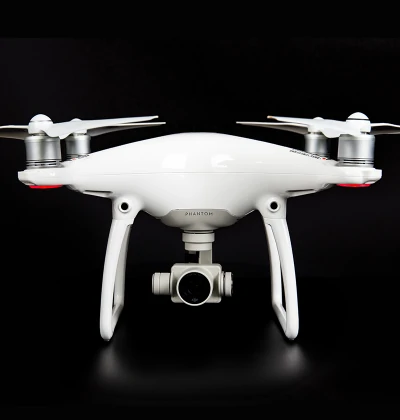

Aerospace & UAV
WJ Prototypes is your 3D manufacturing partner from prototype to large scale production.

Consumer Electronics
New Product Introduction Solutions for Consumer Electronics.

Robotics & Automation
Need some assistance bringing your robotic device or parts from the sketch-board to reality?

Medical Devices
The medical industry needs high quality, dependable and safe parts and products.

Automotive
New Product Introduction Solutions for Automotive

Industrial Machinery
The main purpose of industrial prototyping is to take the product from drawings into the real world.
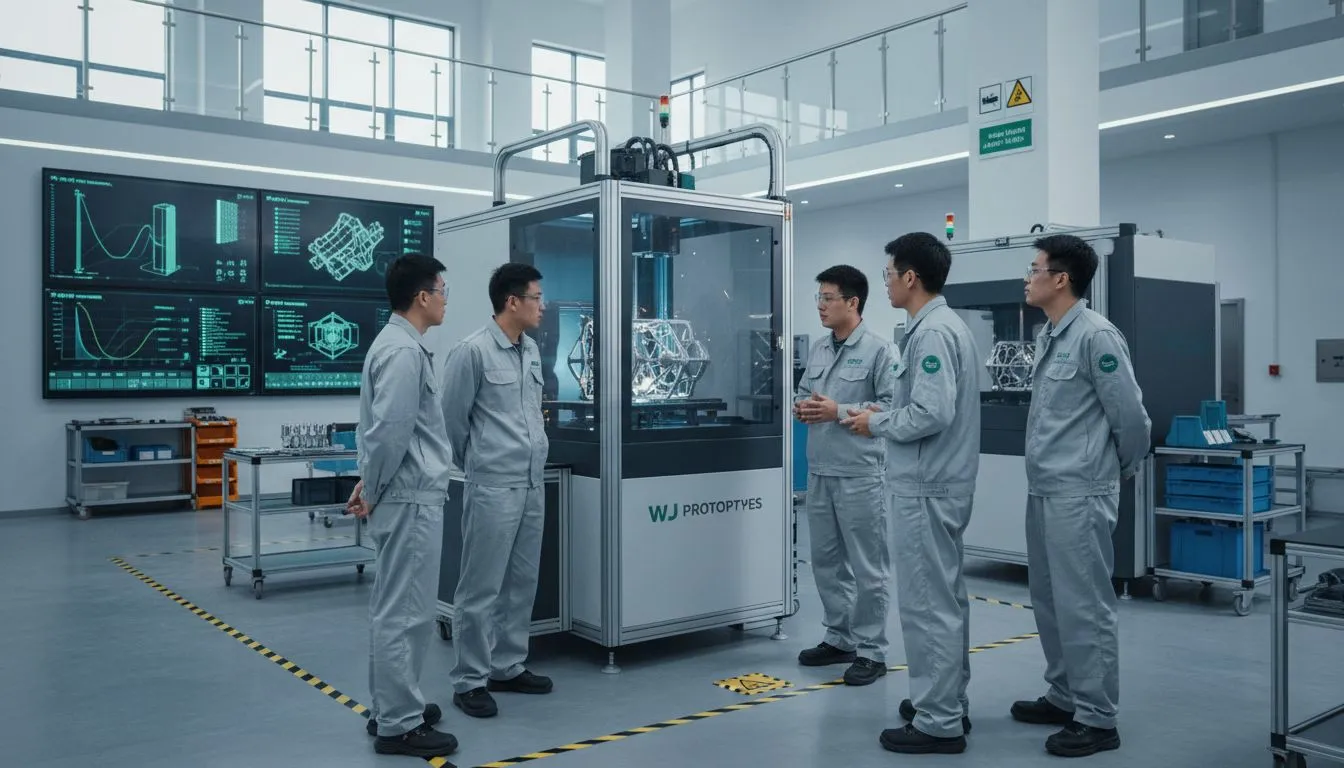
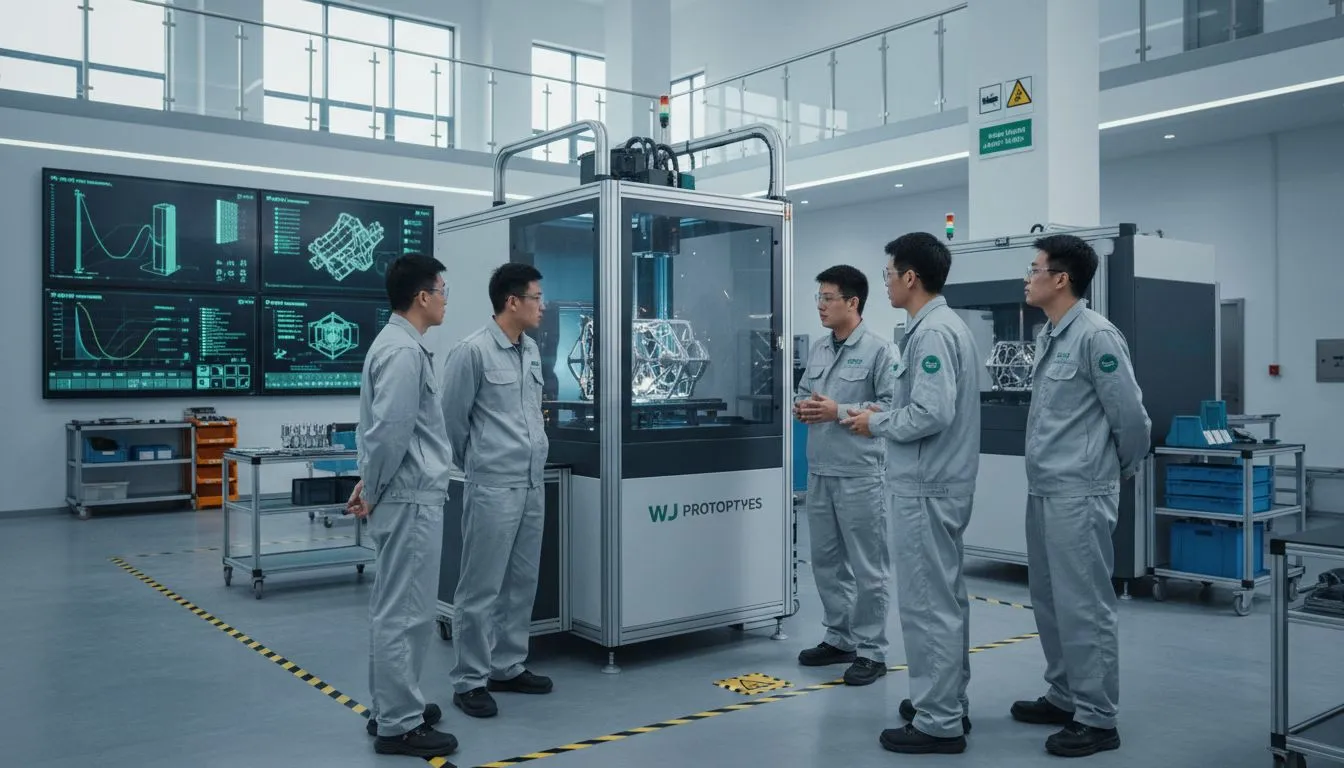
Over 70% of large manufacturers have adopted additive manufacturing in some part of their production process, reshaping how complex products come to life. This innovative method stands apart by building objects layer by layer instead of carving them from solid blocks, which allows for shapes and designs that were once impossible. By exploring the foundations and impact of additive manufacturing, you will discover how this technology is influencing everything from medical devices to aerospace engineering across the world.
| Point | Details |
|---|---|
| Additive Manufacturing Definition | Additive manufacturing is a method that creates objects layer by layer from a digital design, enhancing precision and material efficiency. |
| Key Technologies | Prominent techniques such as SLS, FDM, SLA, and DMLS cater to various applications, each with unique strengths in material and resolution. |
| Benefits Over Traditional Methods | This approach significantly reduces waste, allows for complex designs, and accelerates prototyping, leading to lower costs and faster development. |
| Industry Applications | Additive manufacturing is utilised across sectors like aerospace, medical, and automotive, enabling customised solutions and innovative product designs. |
Additive manufacturing represents a transformative production approach that fundamentally reimagines how physical objects are created. According to Routledge, this advanced manufacturing technique builds objects by systematically depositing material layer by layer, directly from a digital design model. Unlike traditional subtractive manufacturing methods that cut away material, additive manufacturing builds components from the ground up with remarkable precision.
The core principles of additive manufacturing centre on a digital-to-physical transformation process. As outlined by EGARP, this technique begins with a comprehensive 3D digital model, which is then segmented into microscopic layers. Each successive layer is precisely deposited, melted, or fused, creating a three-dimensional object that matches the original digital blueprint with extraordinary accuracy. This approach offers unprecedented design flexibility, enabling engineers and designers to create complex geometries that would be impossible or prohibitively expensive using conventional manufacturing techniques.
Key characteristics that distinguish additive manufacturing include:
The technological landscape of additive manufacturing encompasses multiple techniques, each suited to different materials and applications. From selective laser sintering to fused deposition modelling, these methods share a fundamental approach of building objects through incremental material addition. This revolutionary approach is reshaping product development across aerospace, medical, automotive, and engineering sectors, offering unprecedented opportunities for innovation and design complexity.
Additive manufacturing encompasses a diverse array of technologies, each with unique capabilities and applications. According to Routledge, the domain of additive manufacturing technologies presents multiple sophisticated techniques suitable for different industrial requirements. These technologies fundamentally transform digital designs into physical objects through various material deposition strategies.
The primary additive manufacturing technologies include Selective Laser Sintering (SLS), Fused Deposition Modelling (FDM), Stereolithography (SLA), and Direct Metal Laser Sintering (DMLS). ArXiv highlights that each technology demonstrates distinctive microstructural and mechanical properties, making them appropriate for specific applications. SLS utilises powdered materials fused by laser energy, while FDM extrudes thermoplastic filaments layer by layer. SLA employs photopolymer resins cured by ultraviolet light, and DMLS creates intricate metal components through precise laser melting.
Key comparative aspects of these technologies include:
Selecting the optimal additive manufacturing technology depends on multiple factors such as design complexity, material requirements, production volume, and intended application.
For instance, aerospace and medical sectors often require high-precision metal printing, making DMLS an excellent choice, whereas product prototyping might benefit from the flexibility and cost-effectiveness of FDM. Our guide on additive manufacturing processes provides deeper insights into matching specific technologies with unique engineering challenges.
Additive manufacturing represents a paradigm shift in production technologies, offering substantial advantages over traditional manufacturing approaches. According to EGARP, this innovative technique dramatically reduces material waste while providing unprecedented design flexibility that conventional methods cannot match. Traditional subtractive manufacturing processes involve cutting away material from a larger block, which inherently generates significant waste and limits geometric complexity.
The key differentiators of additive manufacturing become evident when examining its transformative capabilities. ArXiv highlights that modern additive manufacturing systems achieve build rates substantially higher than traditional manufacturing techniques, enabling rapid prototyping and customisation. This approach allows engineers and designers to create intricate geometries, internal structures, and complex components that would be impossible or prohibitively expensive using conventional machining techniques.
Critical benefits of additive manufacturing include:
Manufacturers across aerospace, medical, automotive, and engineering sectors are increasingly adopting additive manufacturing to overcome traditional production limitations. By enabling direct digital manufacturing, these technologies eliminate multiple intermediate production steps, reduce overall costs, and accelerate product development cycles. For a comprehensive exploration of these advantages, check out our guide on the key benefits of 3D printing for modern product development strategies.

Additive manufacturing has emerged as a transformative technology with profound implications across multiple industrial sectors. ArXiv emphasises the multidisciplinary nature of this technology, demonstrating its capacity to drive innovation across diverse fields. From intricate medical devices to sophisticated aerospace components, additive manufacturing has revolutionised traditional approaches to design, prototyping, and production.
In the biomedical sector, additive manufacturing represents a particularly groundbreaking technological advancement. According to MDPI, the technology enables the creation of highly customised biomaterials and medical devices with complex internal microstructures that were previously impossible to manufacture. This capability allows for patient-specific implants, customised prosthetics, and advanced tissue engineering solutions that can be precisely tailored to individual anatomical requirements.
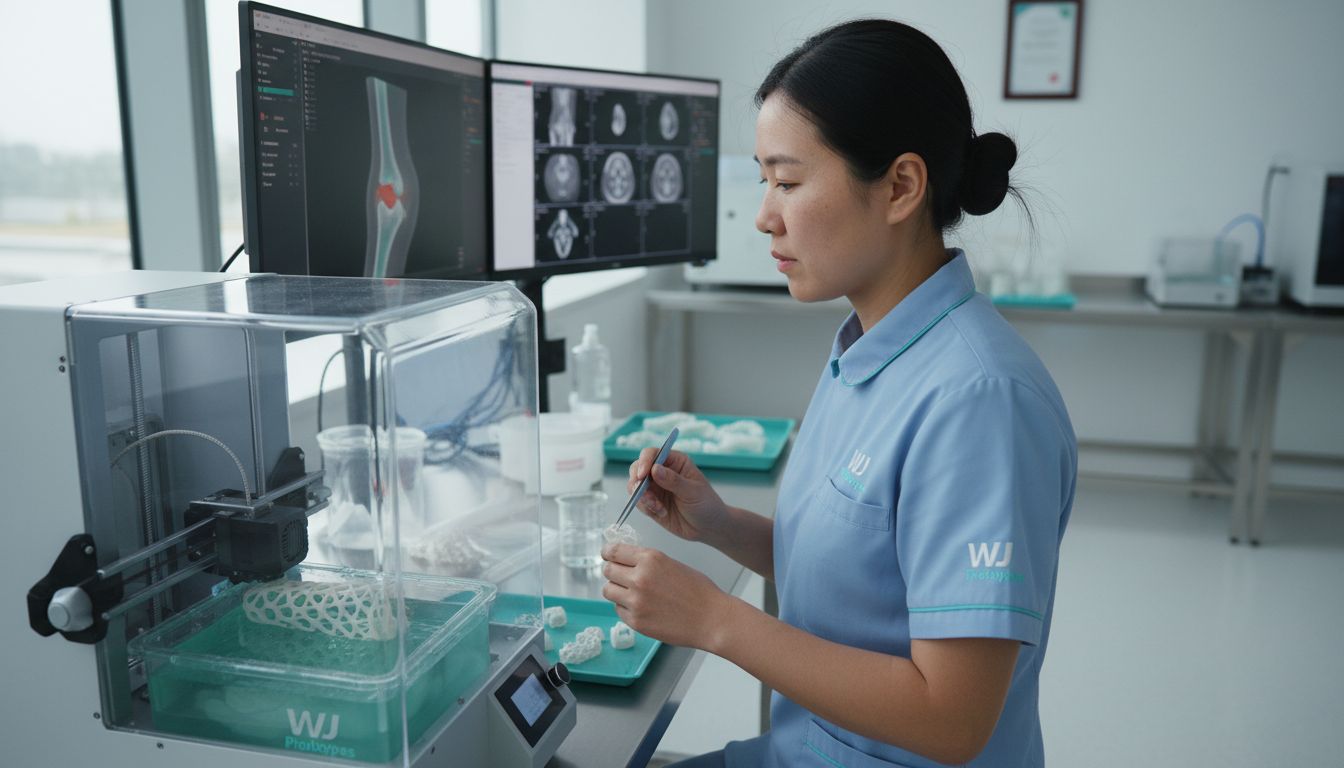
Key industry applications include:
Engineering disciplines are continuously expanding the boundaries of additive manufacturing, exploring innovative applications that challenge traditional manufacturing constraints. By enabling direct digital manufacturing, these technologies facilitate unprecedented design freedom, reduced material waste, and accelerated product development cycles. For deeper insights into industrial applications, explore our guide to industrial 3D printing and its transformative potential across different sectors.
Additive manufacturing technologies have transformed production economics by offering unique advantages in cost, speed, and quality management. ArXiv highlights that modern desktop-scale extrusion systems can achieve build rates significantly higher than traditional commercial manufacturing methods, directly impacting overall production efficiency and cost-effectiveness.
The quality and mechanical properties of additively manufactured components are critically dependent on precise manufacturing parameters. According to ArXiv, different microscale additive manufacturing methods produce distinct microstructural characteristics that fundamentally influence the mechanical performance of metallic objects. This variability underscores the importance of selecting appropriate manufacturing techniques aligned with specific project requirements and quality expectations.
Key considerations in additive manufacturing include:
Manufacturers must carefully balance multiple factors to optimise additive manufacturing outcomes. While the technology offers remarkable design flexibility, understanding cost drivers, turnaround times, and quality parameters remains essential for successful implementation. For practical insights into managing 3D printing expenses, explore our comprehensive guide on 3D printing costs that breaks down pricing considerations across different manufacturing scenarios.
The article highlights key challenges such as selecting the right additive manufacturing technology, balancing cost and turnaround times, and ensuring superior quality and mechanical properties for complex designs. If you face these critical questions about how to achieve precise, cost-effective, and innovative production, WJ Prototypes offers tailored solutions that address these exact needs. With expertise in advanced techniques like SLA, SLS, and DMLS, alongside traditional methods including CNC machining and injection moulding, you can confidently transform your digital models into high-quality physical products with remarkable speed and accuracy.
Discover how to overcome production hurdles and accelerate your product development by leveraging our comprehensive services. Whether your project demands rapid prototyping or small to medium production runs in sectors like aerospace, medical, or automotive, our ISO certified facility ensures reliable quality and global delivery. Explore our detailed service offerings in our Complete Guide to Additive Manufacturing Processes and learn more about controlling costs with our 3D Printing Cost Breakdown. Take the next step today by requesting an instant quote through our user-friendly platform at WJ Prototypes and bring your advanced manufacturing concepts to life with confidence.
Additive manufacturing is a production technique that builds objects layer by layer from a digital design, contrasting with traditional methods that involve cutting away material. This approach enables high precision and design flexibility.
The main technologies include Selective Laser Sintering (SLS), Fused Deposition Modelling (FDM), Stereolithography (SLA), and Direct Metal Laser Sintering (DMLS), each suitable for specific materials and applications.
Key benefits of additive manufacturing include reduced material waste, superior design freedom, rapid prototyping, lower tooling costs, and enhanced product customisation capabilities.
Additive manufacturing is used across various industries, including aerospace for lightweight components, automotive for rapid prototyping, medical for patient-specific implants, and electronics for miniaturised circuit boards.
SERVICES
RESOURCES