




- Room 1807, Unit 9, Building 2, Shangxing Commercial Street, Shangde Road, Shangxing Community, Xinqiao Subdistrict, Bao'an District, Shenzhen City, China
CONTACT US

WhatsApp


Contact Us
Our team is on stand by, waiting toassist you.

Videos
A large collection of educational videos and tutorials.

About Us
Learn about our company, leadership, and mission totransform manufacturing.

Privacy Policy
Applies to all personal information collected through and/or processed in connection.


Aerospace & UAV
WJ Prototypes is your 3D manufacturing partner from prototype to large scale production.

Consumer Electronics
New Product Introduction Solutions for Consumer Electronics.

Robotics & Automation
Need some assistance bringing your robotic device or parts from the sketch-board to reality?

Medical Devices
The medical industry needs high quality, dependable and safe parts and products.

Automotive
New Product Introduction Solutions for Automotive

Industrial Machinery
The main purpose of industrial prototyping is to take the product from drawings into the real world.
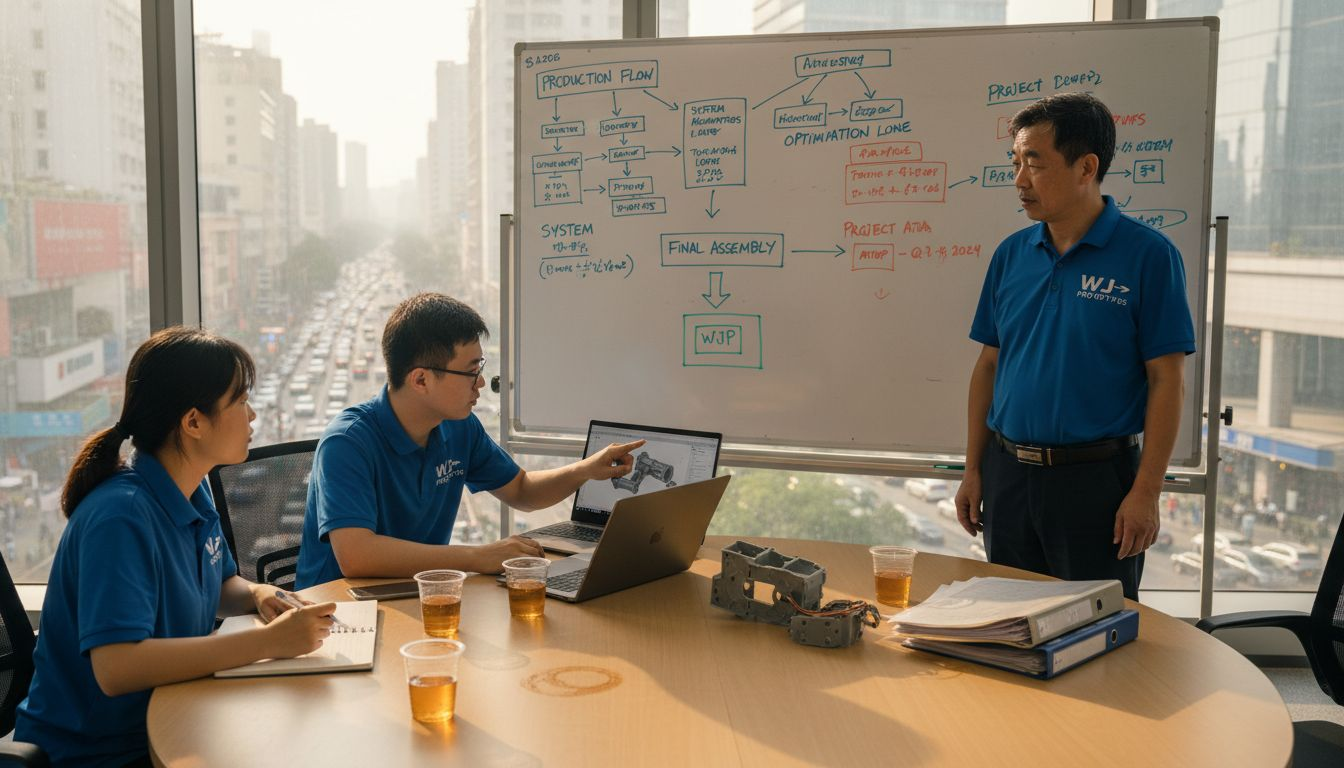
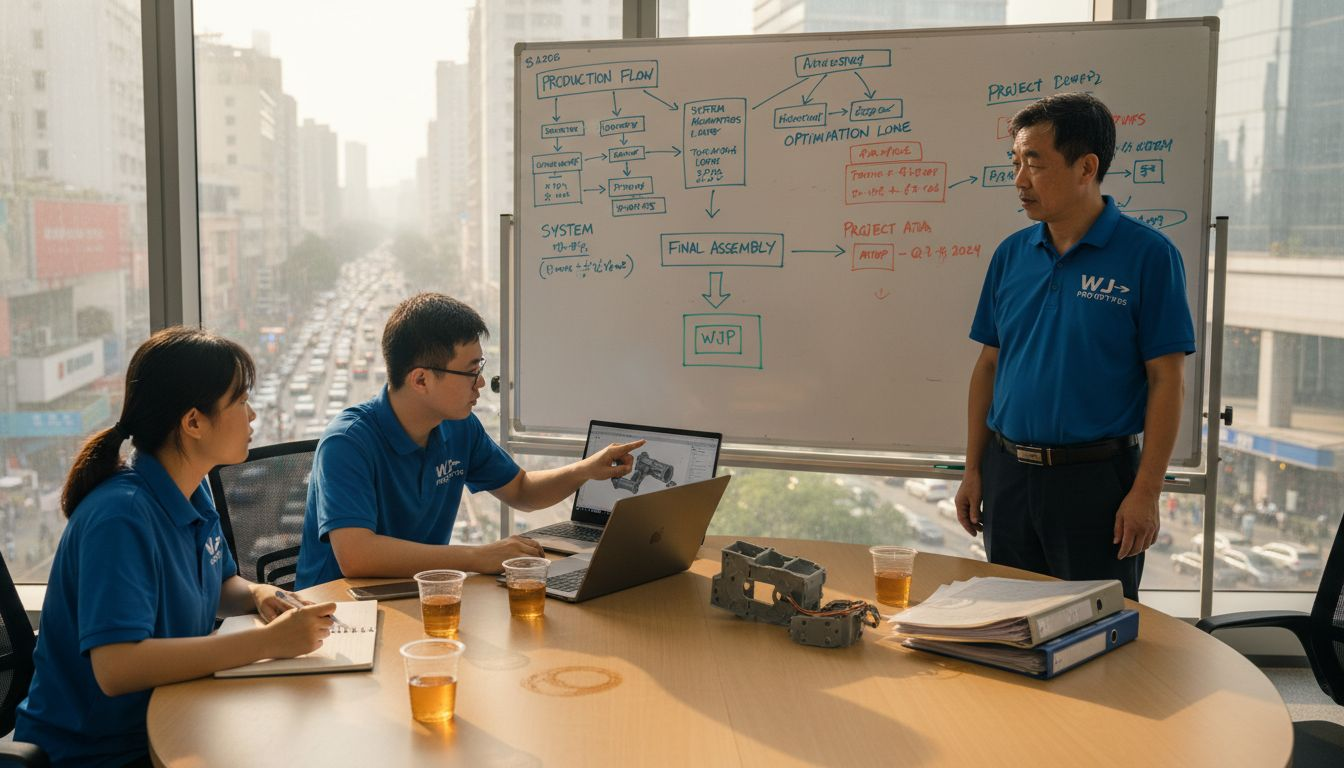
More than 60 percent of British and international aerospace companies now outsource prototyping to China for faster product launches. Rapid innovation is vital when development schedules grow tighter and competition heats up globally. This guide breaks down the most effective steps to help product development managers find reliable Chinese suppliers and cut costs, while maintaining the precision and speed needed to keep your aerospace projects on track.
| Essential Insight | Explanation |
|---|---|
| 1. Define clear project requirements | Establish detailed specifications to align expectations and prevent delays in the prototyping process. |
| 2. Research and evaluate suppliers carefully | Investigate potential suppliers’ capabilities, specialisations, and previous projects to ensure they meet your needs. |
| 3. Assess technical capabilities and certifications | Verify suppliers’ quality management certifications and their ability to handle your specific industry requirements. |
| 4. Review sample quality and customer support | Examine physical samples closely and evaluate supplier responsiveness to ensure effective collaboration. |
| 5. Negotiate transparent pricing and delivery terms | Secure clear itemised quotes and delivery expectations to protect your budget and timeline throughout the process. |
Successful prototyping begins with precision planning. Your initial task is to comprehensively map out the foundational requirements that will guide your entire prototyping process.
Start by gathering detailed specifications about your prototype’s core purpose. Effective requirements gathering enables stakeholder alignment and prevents potential delays by creating clear expectations from the outset. You’ll want to document several critical aspects including prototype type, intended functional testing parameters, materials needed, preferred manufacturing processes, budget constraints, and expected project timeline.
As you define requirements, consider the specific goals of your prototype. Are you creating a visual representation, a functional test model, or a proof-of-concept design? Different prototyping approaches demand specific material selections and manufacturing methods to achieve optimal results. Break down your requirements into granular details such as dimensional tolerances, surface finish expectations, mechanical performance criteria, and any unique environmental conditions the prototype must withstand.
Helpful Tip: Create a comprehensive requirements document that serves as a single source of truth, allowing all team members to reference and validate project specifications quickly and accurately.
Your next critical phase involves identifying the right prototyping partners who can transform your design vision into a tangible reality. Selecting the optimal supplier requires strategic investigation and careful evaluation of their capabilities and expertise.
China’s mature rapid prototyping industry offers advanced manufacturing infrastructure with numerous specialised suppliers capable of delivering high quality prototypes. When researching potential partners, examine their technical capabilities including specific manufacturing processes like CNC machining, 3D printing, vacuum casting, and injection moulding. Companies should prioritise suppliers with specialisation matching their project requirements and demonstrated experience in their specific industry sector.
Compile a comprehensive evaluation matrix that assesses potential suppliers across multiple dimensions. Key assessment criteria should include technological capabilities, quality certifications such as ISO 9001, engineering support depth, turnaround times, pricing structures, communication efficiency, and portfolio relevance to your specific project needs. Look for suppliers who demonstrate not just technical proficiency but also a collaborative approach to problem solving and iterative design refinement.
Helpful Tip: Request detailed portfolios and specific case studies from potential suppliers to validate their expertise and understand their practical experience in handling projects similar to yours.
Here is a comparison of common prototyping methods available from Chinese suppliers:
| Prototyping Method | Typical Materials | Speed of Production | Suitability for Design Types |
|---|---|---|---|
| CNC Machining | Metals, plastics | Fast for simple parts | Precision and functional prototypes |
| 3D Printing | Plastics, resins | Very rapid | Complex geometries, conceptual models |
| Vacuum Casting | PU resin, silicone | Moderate | Small batches, medium detail |
| Injection Moulding | Thermoplastics | Slow initial setup | High-volume production, detailed parts |
Evaluating a prototyping supplier’s technical capabilities and professional certifications is crucial for ensuring high quality outcomes and reliable manufacturing partnerships. Your assessment will determine whether a potential supplier can truly meet your project’s complex requirements.
Begin by conducting a comprehensive review of the supplier’s technological infrastructure and engineering expertise. Look for internationally recognised quality management certifications such as ISO 9001, which demonstrates a systematic approach to quality control and continuous improvement. Examine their specific manufacturing capabilities including precision CNC machining, advanced 3D printing technologies, materials expertise, surface finishing options, and tolerance levels relevant to your specific prototype design.
Carefully investigate the supplier’s track record in your specific industry sector. Request detailed documentation including equipment specifications, quality control processes, engineering support capabilities, and recent project portfolios that showcase their technical competence. Pay close attention to their ability to handle complex geometric designs, material variations, and precision engineering challenges that align with your project’s unique specifications.
Helpful Tip: Request a comprehensive capabilities presentation and arrange an in depth technical consultation to thoroughly validate the supplier’s actual manufacturing competencies and engineering support levels.
This summary highlights crucial supplier evaluation criteria and their business impact:
| Evaluation Criterion | Why It’s Important | Business Impact |
|---|---|---|
| ISO 9001 Certification | Ensures process consistency | Reduces risk of defects |
| Portfolio Relevance | Proves domain experience | Increases success rate |
| Engineering Support | Assists technical queries | Accelerates design iteration |
| Communication Protocols | Enables clear project updates | Avoids misunderstandings and delays |
Evaluating a prototyping supplier goes far beyond technical specifications. Your thorough assessment must include a comprehensive review of their sample quality and customer support capabilities to ensure a smooth collaborative experience and consistently exceptional prototype outcomes.
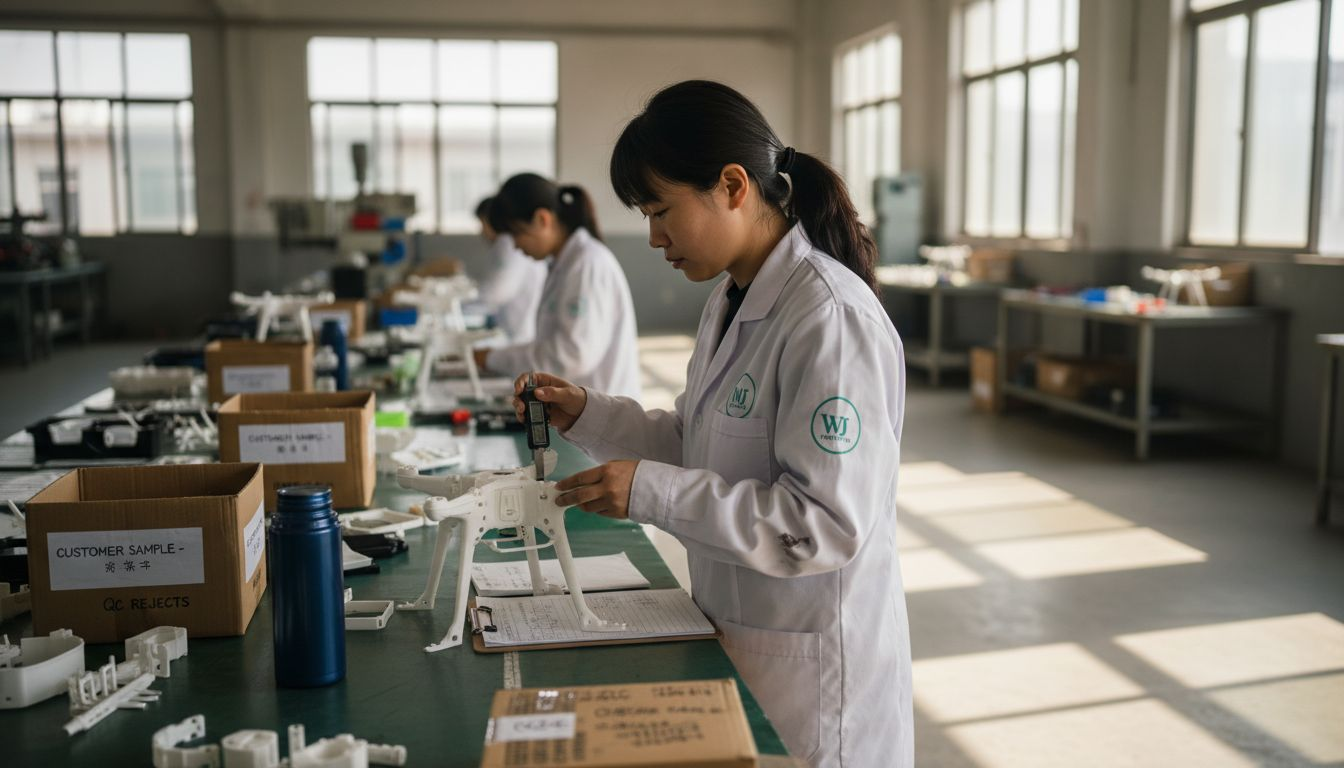
Request multiple physical sample prototypes that represent different manufacturing techniques relevant to your project. Examine these samples meticulously for dimensional accuracy, surface finish quality, material consistency, and precision of intricate details. Pay particular attention to how closely the samples match your specific design requirements and industry standards. Assess the supplier’s ability to communicate technical nuances and provide engineering insights during the sample review process.
Beyond physical samples, evaluate the supplier’s customer support infrastructure. Conduct in depth conversations with their technical team to understand their communication protocols, problem solving approaches, revision processes, and responsiveness. Look for suppliers who demonstrate proactive communication, transparent pricing structures, and a willingness to provide detailed technical guidance throughout your prototyping journey. Examine their customer support capabilities to ensure they can provide comprehensive engineering assistance.
Helpful Tip: Request references from previous clients in similar industries and arrange video consultations to directly experience the supplier’s communication quality and technical expertise.
Navigating the financial and logistical aspects of prototyping services requires meticulous attention to detail and strategic negotiation. Your goal is to establish transparent pricing mechanisms and reliable delivery expectations that protect your project’s budget and timeline.
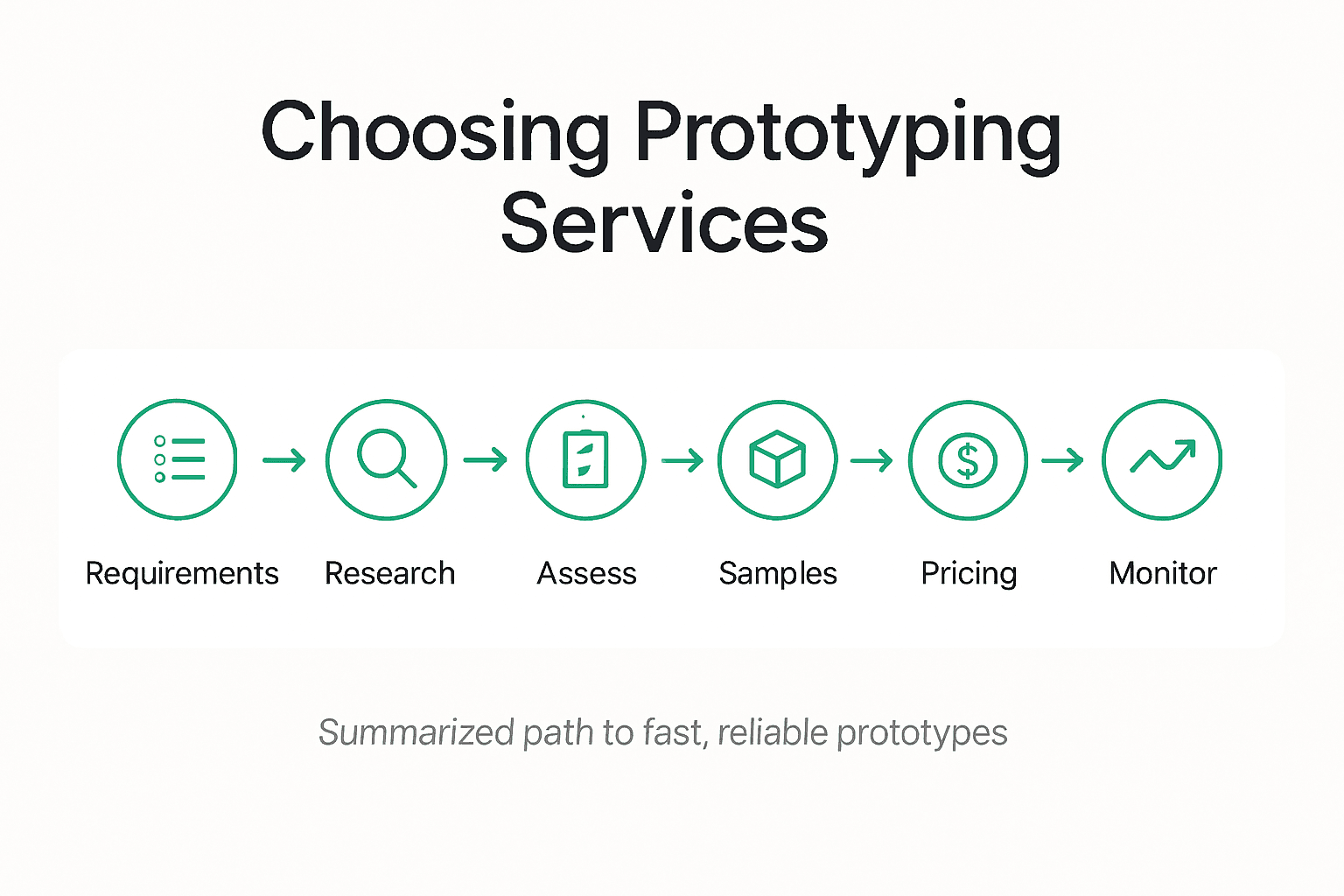
Comprehensive pricing evaluations should include detailed breakdowns of tooling, materials, labour, and shipping costs, ensuring you understand exactly where your investment is allocated. Request itemised quotes that clearly outline each cost component, including potential additional expenses for design modifications, expedited services, or specialised manufacturing techniques. Pay particular attention to volume discounts, minimum order quantities, and potential cost variations based on design complexity.
Documenting precise delivery schedules and quality assurance penalties creates accountability and prevents potential misunderstandings. Negotiate explicit terms that define project milestones, expected turnaround times, and remediation processes for potential delays or quality issues. Consider implementing a staged payment structure that aligns financial disbursement with verified project progression, which provides both financial protection and motivation for timely delivery.
Helpful Tip: Request a comprehensive cost simulation that models potential scenario variations, helping you understand potential financial implications across different project parameters.
With your detailed groundwork completed, the final stage involves carefully selecting and monitoring your chosen prototyping partner to ensure successful project execution. Your strategic approach will transform potential risks into a seamless collaborative experience.
Validating a supplier’s capabilities requires systematic auditing and comprehensive sample approvals, ensuring they can consistently meet your technical specifications. Establish clear communication protocols that include regular progress updates, detailed milestone tracking, and predefined quality checkpoints. Create a structured review process that allows for iterative refinements and rapid problem solving, maintaining flexibility while preserving your original design intent.
Continuous monitoring of prototype assembly and technical revisions helps address potential issues promptly, preventing costly delays or quality compromises. Schedule frequent virtual meetings with your supplier’s technical team, request comprehensive progress reports, and maintain a collaborative approach that encourages transparent dialogue. Implement a robust feedback mechanism that allows for quick adjustments and ensures your prototype development remains aligned with your original project objectives.
Helpful Tip: Develop a comprehensive project tracking spreadsheet that documents every interaction, decision, and milestone to maintain clear accountability and historical context.
Choosing the right prototyping services from China involves navigating complex challenges like verifying supplier capabilities, assessing quality standards, and securing transparent pricing and delivery terms. This article highlights critical pain points such as the importance of ISO 9001 certification, managing communication barriers, and obtaining fast, reliable sample reviews—challenges that can delay your project timeline and inflate costs if not addressed carefully.
At WJ Prototypes, we understand these concerns and provide high-quality, fast, and cost-effective prototyping solutions tailored to your needs. Whether you require advanced additive manufacturing options like SLA, SLS, or MJF, or precision CNC machining and injection moulding, our ISO-certified facility supports a wide range of materials and finishes to match your exact specifications. Our experienced engineers offer proactive communication and detailed technical support, ensuring your prototype development stays on track and exceeds expectations.
Ready to bypass common prototyping hurdles and achieve fast results with confidence. Explore our comprehensive services and request an instant quote today at WJ Prototypes. Discover how partnering with a trusted Chinese manufacturer can streamline your product journey from design to market with guaranteed quality and global delivery.
To begin defining your project requirements, create a detailed requirements document that outlines the core purpose, functional testing parameters, materials needed, and budget constraints. This document should serve as a single source of truth for all team members to reference throughout the project.
When researching prototyping suppliers, prioritise their technological capabilities and specialisations relevant to your project. Compile an evaluation matrix that assesses criteria such as quality certifications, engineering support depth, and turnaround times to identify the best fit.
To assess sample quality, request multiple physical samples representing different manufacturing techniques. Examine these prototypes for dimensional accuracy, surface finish quality, and how well they meet your specific design requirements.
When evaluating pricing structures, ask for itemised quotes that include all costs such as tooling, materials, and shipping. Carefully consider any potential additional expenses for design modifications or expedited services to ensure your budget aligns with projected expenses.
To monitor project progress effectively, establish clear communication protocols with your supplier that include regular updates and milestone tracking. Schedule frequent meetings and request detailed progress reports to ensure the project stays aligned with your original objectives.
The final approval process should include systematic auditing of the supplier’s capabilities and comprehensive sample approvals. Validate their ability to meet your specifications through technical consultations and documentation that showcases their track record.
SERVICES
RESOURCES