



- Room 1807, Unit 9, Building 2, Shangxing Commercial Street, Shangde Road, Shangxing Community, Xinqiao Subdistrict, Bao'an District, Shenzhen City, China
CONTACT US

WhatsApp


Contact Us
Our team is on stand by, waiting toassist you.

Videos
A large collection of educational videos and tutorials.

About Us
Learn about our company, leadership, and mission totransform manufacturing.

Privacy Policy
Applies to all personal information collected through and/or processed in connection.
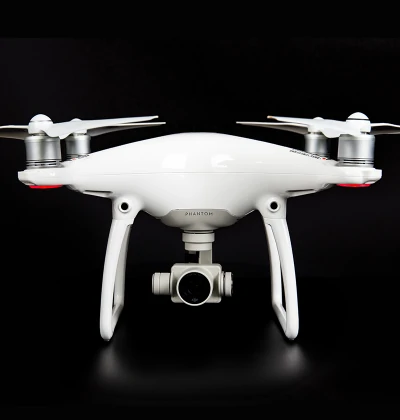

Aerospace & UAV
WJ Prototypes is your 3D manufacturing partner from prototype to large scale production.

Consumer Electronics
New Product Introduction Solutions for Consumer Electronics.

Robotics & Automation
Need some assistance bringing your robotic device or parts from the sketch-board to reality?

Medical Devices
The medical industry needs high quality, dependable and safe parts and products.

Automotive
New Product Introduction Solutions for Automotive

Industrial Machinery
The main purpose of industrial prototyping is to take the product from drawings into the real world.
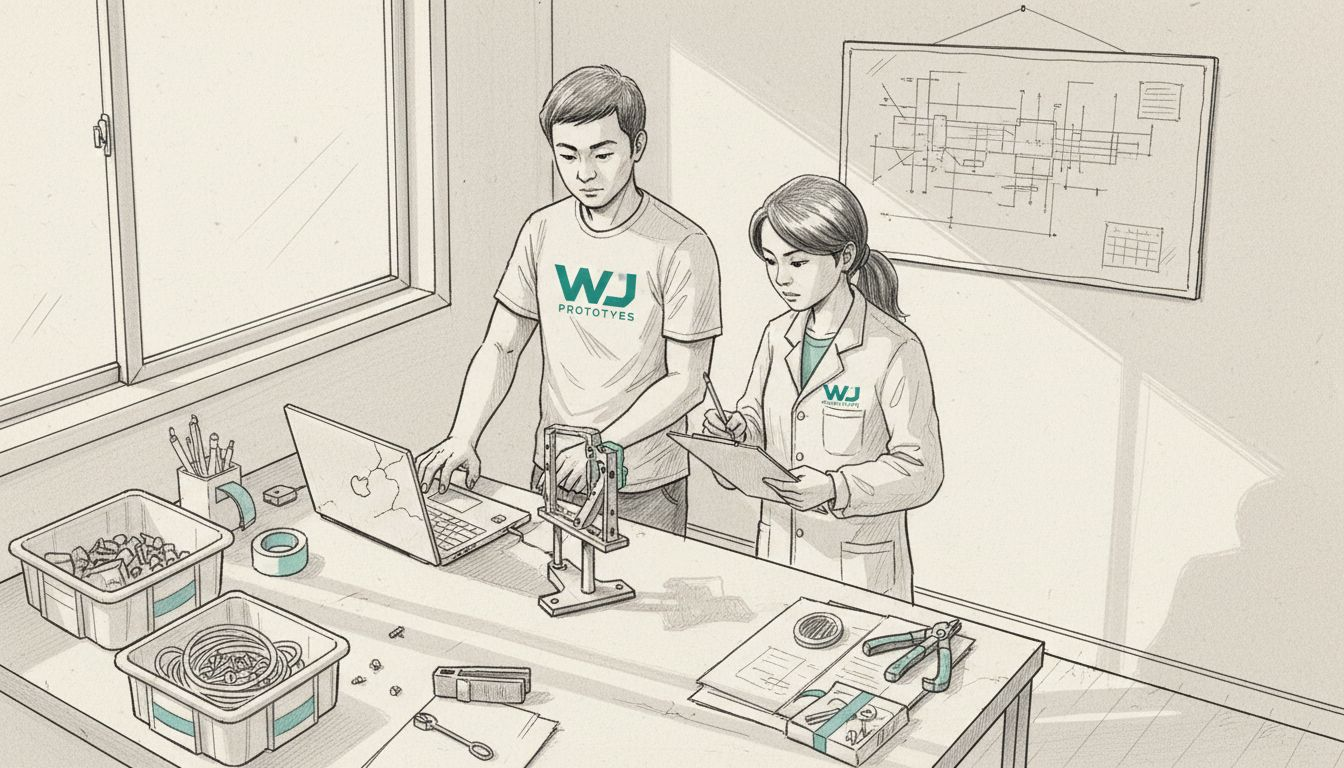

Nearly 60 percent of british, American, and European manufacturers report that traditional prototyping slows down innovation. For aerospace and automotive product development managers under pressure to deliver faster and with tighter budgets, this creates unnecessary hurdles. Discover how rapid prototyping solutions in China can turn those challenges into opportunities, offering speed, cost savings, and direct access to advanced manufacturing that advances your competitive edge.
| Key Message | Explanation |
|---|---|
| 1. Rapid Prototyping Reduces Development Time | Creates prototypes within hours, allowing for faster testing and decision making. |
| 2. Cost-Effective for Small Batches | Eliminates high setup costs, making small batch production viable for startups. |
| 3. Enhances Team Communication | Physical prototypes facilitate better collaboration among multidisciplinary teams. |
| 4. Access to Advanced Technologies | Utilises innovative manufacturing techniques and materials for intricate designs. |
| 5. Encourage Continuous Testing and Feedback | Regularly iterate prototypes for optimal design and identify issues early in development. |
Rapid prototyping in China transforms product development by enabling engineers to create physical models swiftly and refine designs with unprecedented speed. This approach allows manufacturers to quickly test design concepts through advanced digital manufacturing techniques.
Traditional product development often involves lengthy and expensive design processes where modifications require significant time and financial investment. With rapid prototyping, engineers can generate multiple design iterations within hours, not weeks. Computer aided design (CAD) data gets translated directly into physical prototypes, allowing immediate tactile and visual assessment of product specifications.
The core advantage lies in its ability to compress development timelines dramatically. By producing quick, cost effective prototypes, design teams can experiment boldly, identifying potential flaws or improvement opportunities early in the development cycle. This strategy reduces overall project expenses while simultaneously enhancing product quality and functionality.
Manufacturers using rapid prototyping can explore multiple design variations simultaneously, comparing different configurations without substantial resource commitment. These physical models provide critical insights into structural integrity, ergonomics, and manufacturing feasibility before committing to full production.
Expert Recommendation: Always create multiple prototype iterations and conduct comprehensive testing to maximise design refinement and minimise potential production challenges.
Rapid prototyping in China dramatically compresses product development timelines, transforming how manufacturers move from initial design to market launch. By accelerating design validation processes, companies can significantly reduce time to market and gain competitive advantages.
Traditional manufacturing approaches often involve lengthy sequential stages where design revisions consume weeks or months. Rapid prototyping disrupts this model by enabling simultaneous testing and refinement. Engineers can generate multiple prototype iterations quickly, allowing immediate assessment of design feasibility, structural integrity, and functional performance.
The technology supports cross functional collaboration by providing tangible models that teams can physically examine and critique. This collaborative approach eliminates communication barriers and enables faster decision making. Manufacturers can identify potential design challenges early, preventing costly modifications during later production stages.
Moreover, rapid prototyping technologies like 3D printing and computer numerical control machining enable precise and swift creation of complex geometries. This capability means products can progress from conceptual sketches to physical prototypes within hours rather than weeks, dramatically compressing development cycles.
Expert Recommendation: Integrate rapid prototyping technologies early in your design process and establish clear communication protocols to maximise efficiency and innovation.
Rapid prototyping in China has transformed small batch manufacturing by providing cost efficient alternatives to traditional production methods. Advanced manufacturing techniques now enable businesses to produce limited quantities without substantial upfront investments.
Traditional manufacturing often requires expensive tooling and minimum order quantities that create significant financial barriers for startups and small enterprises. Rapid prototyping technologies like 3D printing and computer numerical control machining eliminate these constraints by allowing direct digital manufacturing with minimal setup costs.
These innovative approaches support product development by enabling companies to validate designs economically. Engineers can produce precise prototype hardware and functional components without committing to large scale production runs. This flexibility allows businesses to test market responses, refine product designs, and minimise financial risks associated with product launches.
Manufacturers can leverage these technologies to create complex geometries and intricate parts that would be prohibitively expensive using conventional manufacturing methods. The ability to produce small batches quickly and affordably means companies can respond rapidly to market demands and customer feedback.
Expert Recommendation: Integrate rapid prototyping technologies early in your product development process to maximise design flexibility and minimise production expenses.
Rapid prototyping transforms team communication by converting abstract design concepts into tangible physical models that everyone can understand. Collaborative design processes become dramatically more effective when teams can interact with real world prototypes.
Traditional communication methods often rely on technical drawings or complex digital renderings that can be challenging for non technical stakeholders to comprehend. Physical prototypes bridge these communication gaps by providing a shared visual and tactile reference point that transcends language and technical expertise barriers.
Engineers, designers, marketers and executives can now examine product concepts simultaneously, reducing misunderstandings and accelerating decision making processes. Immediate prototyping allows stakeholders to provide instant feedback, identify potential design challenges, and align expectations before significant resources are invested in full production.
The ability to quickly generate and modify physical models means that communication becomes more dynamic and iterative. Teams can rapidly test ideas, discuss improvements, and make collective decisions based on concrete evidence rather than theoretical discussions.
Expert Recommendation: Integrate physical prototyping early in your collaborative process and encourage multidisciplinary team members to interact directly with the prototype.
Rapid prototyping in China provides unprecedented access to cutting edge manufacturing technologies and sophisticated material options for product development. Emerging additive manufacturing techniques are revolutionising how engineers approach design and production challenges.
These advanced technologies encompass an extensive range of manufacturing processes including metal 3D printing, multi material printing, selective laser sintering, and precision computer numerical control machining. Manufacturers can now select from an expansive palette of materials including high performance polymers, metal alloys, ceramic composites, and advanced engineering plastics.
The diversity of available technologies enables engineers to create intricate geometries and complex prototypes that were previously impossible or prohibitively expensive. By leveraging these sophisticated manufacturing capabilities, product developers can test advanced designs with greater precision and explore innovative solutions across multiple industries.
Moreover, these technologies support accelerated transition from prototype to production by providing seamless material compatibility and manufacturing consistency. Engineers can rapidly iterate designs using materials that closely mimic final production specifications, reducing risks and development timelines.
Expert Recommendation: Explore multiple material options during early prototype stages to understand how different material properties might impact your final product design.
The following table summarises the key concepts discussed in the article regarding the advancements and applications of rapid prototyping technologies in product development.
| Topic | Description | Key Advantages |
|---|---|---|
| Accelerated Design Iteration | Enables swift creation and refinement of product designs through advanced digital manufacturing. | Reduces development timelines, supports bold experimentation, and enhances product quality. |
| Reduced Concept-to-Production | Compresses timelines from initial design to market launch using technologies like 3D printing. | Enhances cross-functional collaboration and prevents late-stage modifications. |
| Small Batch Manufacturing | Facilitates economical production of prototypes and limited quantities without expensive tooling. | Minimises financial risk and affords flexibility in testing and design. |
| Enhanced Communication | Improves team interactions by providing tangible models for discussion during development phases. | Bridges understanding gaps, accelerates iterative testing, and fosters decision-making. |
| Advanced Technologies | Offers cutting-edge materials and manufacturing techniques like selective laser sintering. | Enables precision prototyping and exploration of innovative, industry-specific designs. |
The article highlights how rapid prototyping in China can dramatically accelerate design iteration, reduce time to market, and enhance communication across teams while lowering production costs. If you are facing challenges such as long development cycles, costly tooling, or difficulty conveying complex design concepts, adopting advanced rapid prototyping technologies is essential. At WJ Prototypes, we understand these pain points and specialise in transforming your ideas into precise prototypes and small batch production with speed and quality.
With a comprehensive suite of manufacturing services including SLA, SLS, MJF, DMLS, CNC machining, and more, WJ Prototypes offers access to cutting edge materials and fabrication techniques tailored for aerospace, automotive, medical and electronics industries. Our ISO certified team ensures quick turnaround, rigorous quality control and seamless collaboration that aligns perfectly with the benefits discussed in the article. Don’t let lengthy development processes or high costs hold your innovation back.
Explore our rapid prototyping capabilities and discover how we can help you slash product development time and reduce risks with immediate physical models. Ready to accelerate your journey from concept to market launch? Visit WJ Prototypes now for an instant quote and expert guidance to bring your product ideas to life with confidence.
Rapid prototyping significantly reduces product development timelines by enabling designers to create and test multiple physical prototypes within hours. To streamline your manufacturing process, implement rapid prototyping techniques early to accelerate feedback and adjustments, reducing time to market by as much as 50%.
Rapid prototyping allows businesses to produce small quantities of products without the high costs associated with traditional tooling and large order requirements. By using techniques like 3D printing, you can minimise upfront investment and validate designs at a lower risk, potentially reducing production costs by nearly 30%.
Rapid prototyping enhances communication by transforming abstract ideas into tangible models that all team members can interact with. To improve collaboration, encourage engineers and stakeholders to utilise physical prototypes early on, which can help to streamline decision-making and quickly align team expectations.
Rapid prototyping incorporates advanced manufacturing technologies like metal 3D printing and computer numerical control machining, allowing for the creation of complex geometries. To take advantage of these capabilities, explore various technological options during your design phases to optimise production and innovation opportunities.
Rapid prototyping accelerates design iteration by enabling teams to quickly create and test numerous design variations. To enhance product quality, aim to produce multiple prototypes within days, which allows you to identify flaws and make refinements before moving into full-scale production.
SERVICES
RESOURCES