



- Room 1807, Unit 9, Building 2, Shangxing Commercial Street, Shangde Road, Shangxing Community, Xinqiao Subdistrict, Bao'an District, Shenzhen City, China
CONTACT US

WhatsApp


Contact Us
Our team is on stand by, waiting toassist you.

Videos
A large collection of educational videos and tutorials.

About Us
Learn about our company, leadership, and mission totransform manufacturing.

Privacy Policy
Applies to all personal information collected through and/or processed in connection.
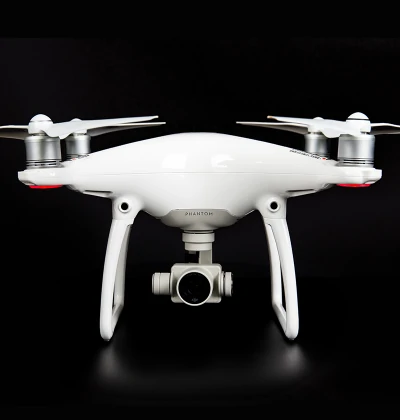

Aerospace & UAV
WJ Prototypes is your 3D manufacturing partner from prototype to large scale production.

Consumer Electronics
New Product Introduction Solutions for Consumer Electronics.

Robotics & Automation
Need some assistance bringing your robotic device or parts from the sketch-board to reality?

Medical Devices
The medical industry needs high quality, dependable and safe parts and products.

Automotive
New Product Introduction Solutions for Automotive

Industrial Machinery
The main purpose of industrial prototyping is to take the product from drawings into the real world.
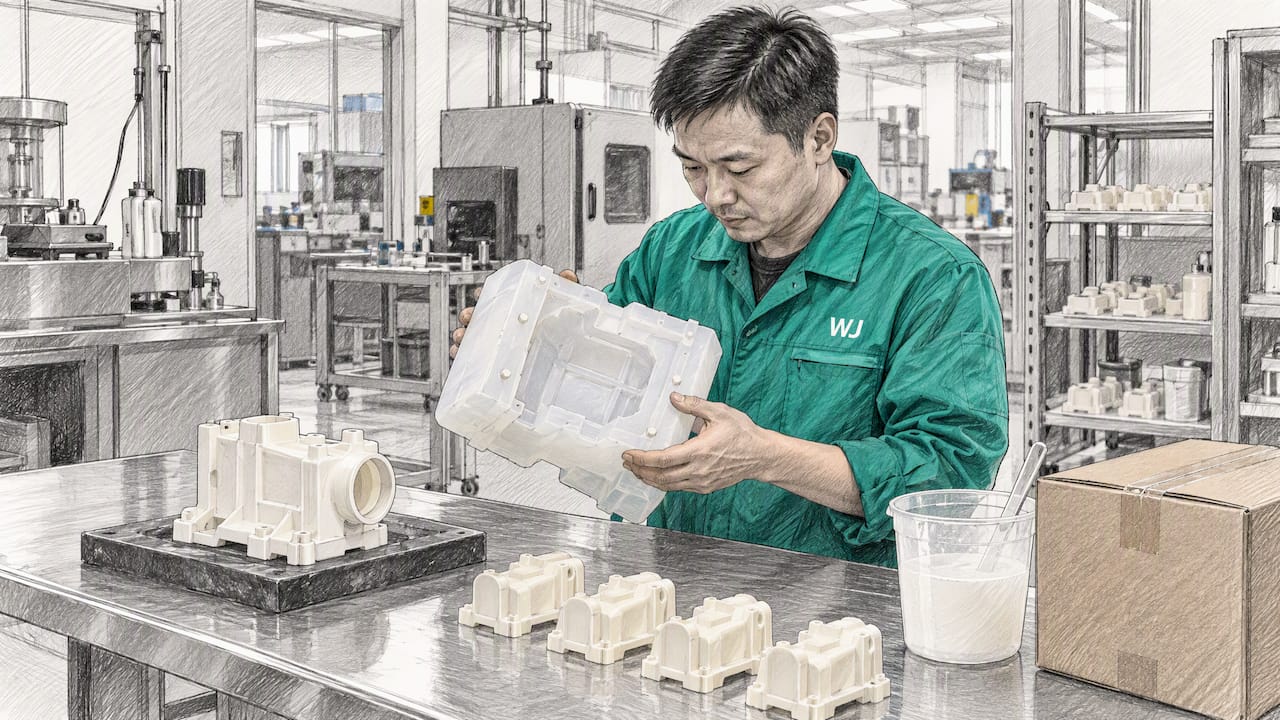
Vacuum casting in China typically runs from a few dollars to around $100 or more per part depending on size, material, and finish, and it tends to make the most financial sense for runs between small prototype runs and moderate batch sizes, as explained in detail by Sneaker Prototype Development. Some suppliers quote per project after reviewing your CAD files, so the ranges below give you a framework to check any quote against before you commit budget.
TL;DR:
- Mold and master pattern costs can significantly impact overall spending, with master patterns often totaling a large share due to detailed surface requirements.
- Resin choice directly influences per-part costs, with standard polyurethane being the cheapest, while specialty resins raise expenses and affect curing time.
- A run of around 50 parts offers the best price reduction per unit compared to smaller quantities, but costs can surpass injection molding once volumes reach several hundred.
- Shipping and inspection fees can add a substantial amount to the total landed cost, so always request a full cost estimate including freight and customs.
- For accurate quotes, suppliers require comprehensive CAD files, clear specifications, reference samples, and detailed questions about mold life and finishing processes.
A vacuum casting quote is really five line items stacked together: the master pattern, the silicone mold, the resin, the labor and finishing, and the freight to get parts to your dock. Understanding each one lets you spot an inflated quote or a supplier cutting corners on quality.
The master pattern comes first. Most shops build it with SLA 3D printing because it captures fine surface detail and holds tight tolerances, though CNC machining is sometimes used for simple geometric shapes or when a metal-like surface is needed on the master itself. According to a review of industrial vacuum casting, master-pattern costs can make up a significant share of total prototype spend, since the mold’s quality depends entirely on how clean and detailed the pattern is.
The silicone mold is built around that pattern and is the biggest cost driver after labor. That “casts per mold” number matters more than the sticker price of the mold itself, because it determines how many parts absorb the tooling cost.
Resin choice shifts per-part material cost noticeably. Standard polyurethane resins that mimic ABS or PP are the cheapest option, while rubber-like, flame-retardant, or transparent resins cost more per kilogram and can also affect de-gassing time. The vacuum casting materials guide breaks down how resin selection interacts with mold durability, which is worth checking before you lock in a spec.
Labor and finishing are where quotes diverge most. Each casting cycle requires manual pouring, de-gassing, and curing, and the review cited above notes that cycle times commonly run 45 to 90 minutes per casting, which keeps automation limited and labor-intensive. Add painting, texturing, or plating, and per-part cost climbs further.
Example quantity scenarios illustrate how fixed and variable costs combine:
One factor buyers consistently underweight: mold life. A supplier’s quoted “casts per mold” figure directly sets your amortized tooling cost per part. According to the same vacuum casting review, always ask for that number before comparing two quotes side by side.
Shipping and inspection add to the landed cost on top of the unit price. A quote that looks cheap ex-works can lose its advantage once freight, customs duties, and any third-party inspection fees are added, so always ask for a landed-cost estimate rather than comparing unit prices alone.
Every stage of the vacuum casting process adds cost, time, or risk, and knowing which is which helps you read a supplier’s quote accurately.
Pro Tip: Ask your supplier for their de-gassing and vibration-table protocol before approving a mold. Those two process details have an outsized effect on bubble defects and dimensional accuracy, especially on small or highly detailed parts.
Vacuum casting sits deliberately between 3D printing and injection molding, and that middle position is exactly why it fits low-volume production so well.
The right choice ultimately depends on your run length and price point: a $5 injection-molded part at 10,000 units makes little sense to cast, while a $150 enclosure needed in a batch of 80 almost never justifies steel tooling.
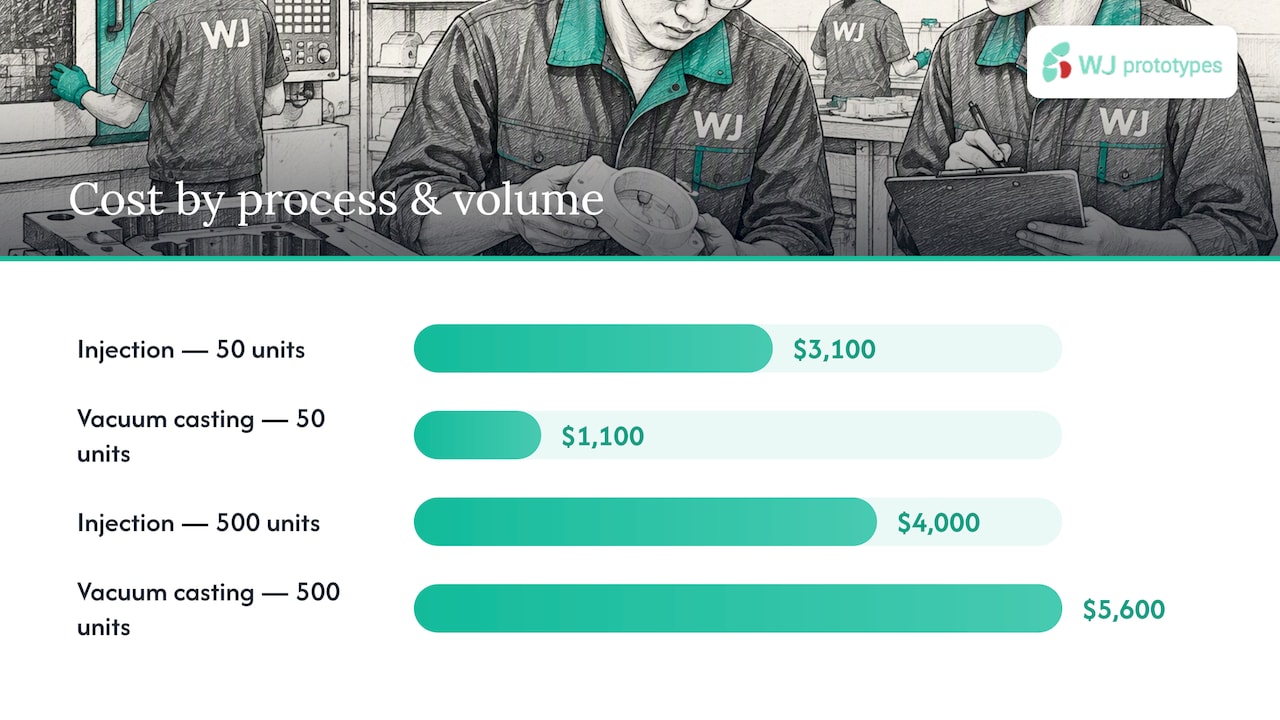
A simple rule of thumb: prototypes and small test batches (roughly 1 to 50 units) almost always favor 3D printing or vacuum casting, low-volume production (roughly 50 to 500 units) is vacuum casting’s sweet spot, and anything beyond that usually shifts the math toward injection molding.
Here is a worked example using illustrative numbers, not market data. Say a mid-sized plastic housing costs $3,000 to tool for injection molding plus $2 per part in resin and labor, versus $600 for a silicone mold plus $10 per part in vacuum casting resin and labor. At 50 units, injection molding totals $3,100 while vacuum casting totals $1,100, so casting wins clearly. At 500 units, injection molding totals $4,000 while vacuum casting totals $5,600, so the break-even point sits somewhere between those two volumes, roughly where the fixed-cost gap is erased by the per-part cost gap. The exact crossover shifts with your own tooling quote and part complexity, but the pattern holds: casting wins on fixed cost, molding wins on per-part cost once volume climbs.
A hybrid path works well for many product launches: run an initial batch through vacuum casting to validate the design and test the market, then commission injection tooling once demand is confirmed. According to the vacuum casting review, this indirect soft-tooling route exists precisely to bridge prototypes and full production without committing to steel tooling too early.
Calendar time matters as much as unit price when you are sourcing from overseas. A master pattern typically takes a few days to a week to build, the silicone mold another several days to just over a week, and each casting batch adds its own cycle time on top depending on quantity and finishing requirements.
Shipping method changes both your timeline and your landed cost. Air freight gets small batches to you fastest but costs more per kilogram, while sea freight is cheaper for larger or heavier orders but adds weeks to transit.
A complete RFQ gets you comparable quotes faster and avoids the back-and-forth that eats into your lead time.
WJ Prototypes runs vacuum casting alongside SLA, CNC machining, and injection molding as part of one ISO-certified manufacturing operation, with an instant online quoting system for submitting files.
A typical order flow looks like this:
That structure, laid out on the vacuum casting service page, is designed to give procurement teams a documented checkpoint at every stage rather than a single quote-to-delivery black box.
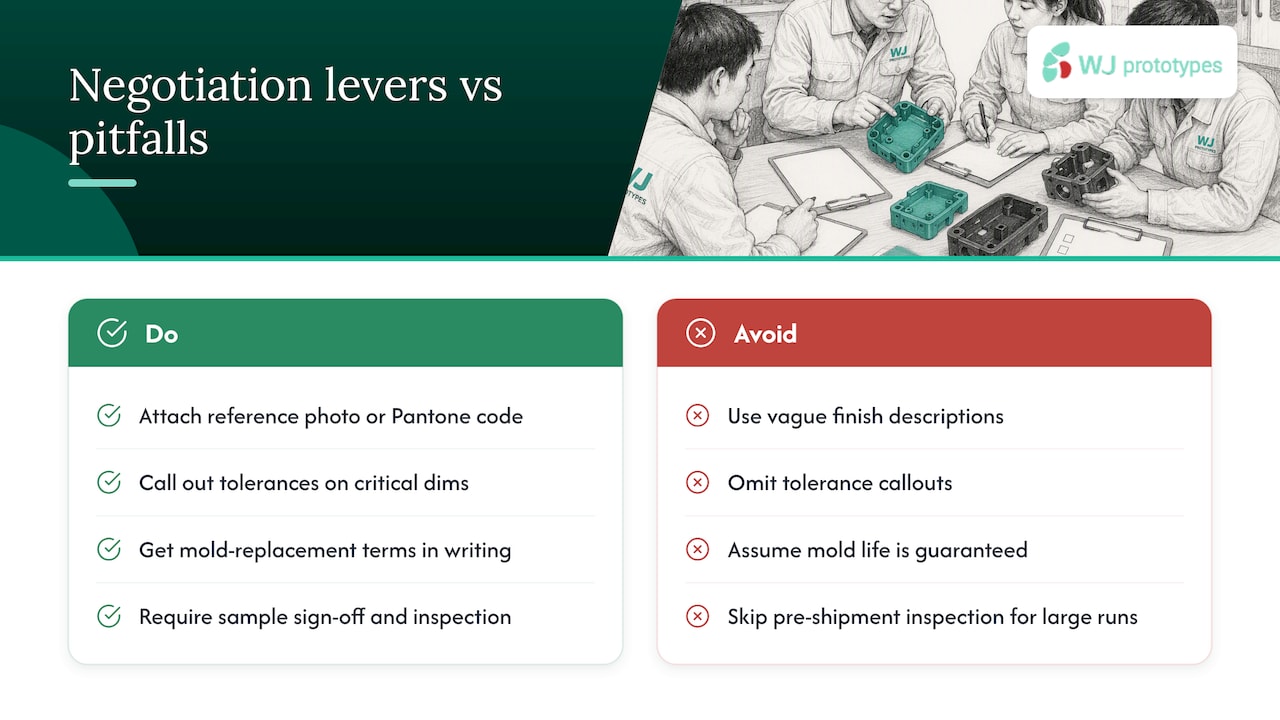
The most expensive mistake buyers make is a vague finish spec: “smooth, matte black” means something different to every supplier, so attach a reference photo or Pantone code every time. Missing tolerance callouts on critical dimensions is the second most common gap, and it shows up as rework later.
On negotiation, ask for mold-replacement terms in writing before you order a second batch, since mold life is rarely guaranteed explicitly. Defined inspection criteria and a required sample sign-off before full production protect you from a surprise batch of out-of-spec parts, and anything above a few hundred units is worth a pre-shipment inspection regardless of how much you trust the supplier.
If you are weighing vacuum casting against printing a batch yourself or tooling up for injection molding, getting a real quote costs nothing and takes the guesswork out of the comparison. Some manufacturers offer vacuum casting with no minimum order quantity, backed by ISO certification and dedicated project management services.
Before reaching out, pull together the RFQ checklist above: CAD files, target quantity, material and finish notes, and any reference photos. Submit them through the vacuum casting service page to get pricing and a sample timeline back directly from the team building your parts.
Vacuum casting typically costs a few dollars to around $100 or more per part depending on size, material, and finish, with the silicone mold and master pattern as one-time costs spread across the batch. Smaller, simpler parts in standard polyurethane resin sit at the low end, while large or highly finished parts cost more per unit.
Published pricing for vacuum casting equipment is not publicly listed in standardized form, since machines range from small benchtop units to larger industrial systems with very different capabilities. Most buyers sourcing parts rather than equipment skip this cost entirely by using a casting service instead of buying a machine.
There is no single authoritative public ranking of top die casting companies in China, and a credible answer depends on the part size, metal alloy, and volume you need. WJ Prototypes offers die casting services alongside its vacuum casting and injection molding lines for buyers comparing manufacturing routes.
Casting machine prices are not standardized publicly and vary widely by type, from manual vacuum casting units to automated injection and die casting equipment. Most low-to-medium volume buyers avoid this cost by outsourcing to a casting service rather than purchasing equipment outright.
SERVICES
RESOURCES