



- Room 1807, Unit 9, Building 2, Shangxing Commercial Street, Shangde Road, Shangxing Community, Xinqiao Subdistrict, Bao'an District, Shenzhen City, China
CONTACT US

WhatsApp


Contact Us
Our team is on stand by, waiting toassist you.

Videos
A large collection of educational videos and tutorials.

About Us
Learn about our company, leadership, and mission totransform manufacturing.

Privacy Policy
Applies to all personal information collected through and/or processed in connection.
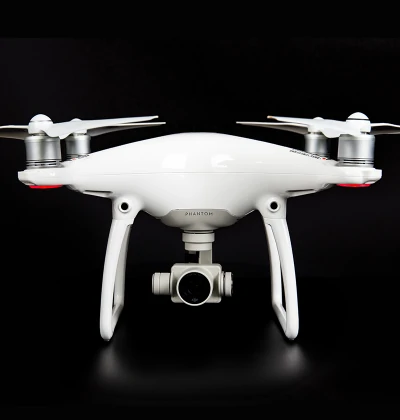

Aerospace & UAV
WJ Prototypes is your 3D manufacturing partner from prototype to large scale production.

Consumer Electronics
New Product Introduction Solutions for Consumer Electronics.

Robotics & Automation
Need some assistance bringing your robotic device or parts from the sketch-board to reality?

Medical Devices
The medical industry needs high quality, dependable and safe parts and products.

Automotive
New Product Introduction Solutions for Automotive

Industrial Machinery
The main purpose of industrial prototyping is to take the product from drawings into the real world.
TL;DR:
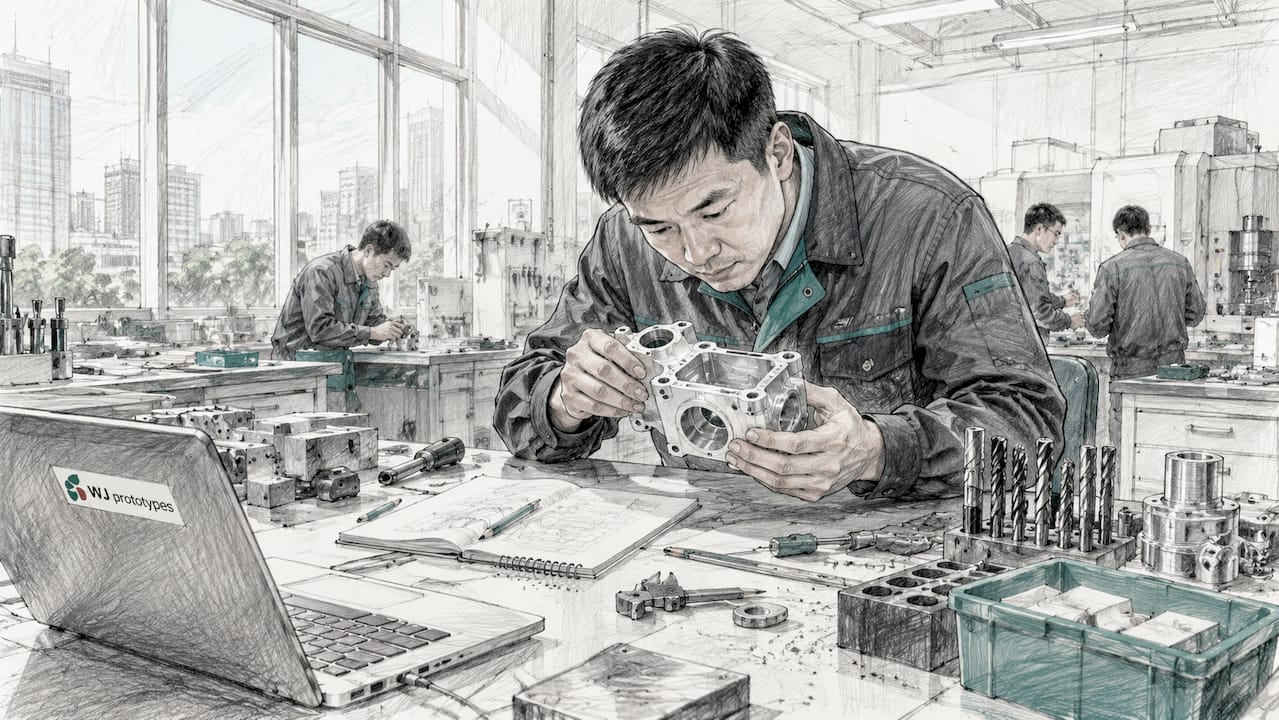
Shenzhen’s rapid tooling ecosystem enables CAD files to become prototypes in as little as three days, thanks to its dense industrial clusters. This proximity allows designers to get instant feedback, make quick adjustments, and transition smoothly from prototypes to small-batch production within days. Building local relationships and leveraging makerspaces are essential for international designers to navigate this fast-moving ecosystem effectively.
Shenzhen’s rapid tooling ecosystem is the world’s most compressed supply chain for turning CAD files into physical components. Product designers working here can move from a digital file to a physical prototype in as little as 3 days, a timeline that takes weeks in most other manufacturing regions. The city’s industrial density, flexible factory culture, and direct supplier access create a workflow that is genuinely unlike anywhere else on earth. For designers and manufacturers who need to prototype quickly and scale without long lead times, understanding this ecosystem is not optional. It is a competitive advantage.
Shenzhen’s speed comes from geography, not just technology. The 1.45-square-kilometer Huaqiangbei district contains component sourcing, prototyping workshops, manufacturing floors, and logistics within a few minutes’ walk of each other. That physical proximity eliminates the back-and-forth delays that slow down CAD-to-manufacturing workflows everywhere else. When a design needs a last-minute material change, a designer can walk to a supplier, confirm the spec, and have revised parts the same afternoon.
The districts of Bao’an and Futian extend this density further. Plastic injection shops, metal casting operations, PCB assembly lines, and CNC machining centers cluster within a 100-kilometer radius. This means a product designer can source every component for a complex assembly without a single international shipment. The result is real-time design troubleshooting rather than remote back-and-forth communication that costs days or weeks.
The manufacturing culture here also differs structurally from Western models. Factories in Shenzhen operate with flexible minimum order quantities, and supplier relationships are often established before product designs are even finalized. That means a workshop already knows your material preferences, tolerance requirements, and delivery expectations before you send the first file. Speed is baked into the relationship, not just the machinery.
Key structural advantages of the Shenzhen tooling ecosystem:
Pro Tip:When you arrive in Huaqiangbei, spend your first half-day walking the floors before placing any orders. Understanding which booths specialize in which components saves you from costly mismatches later.
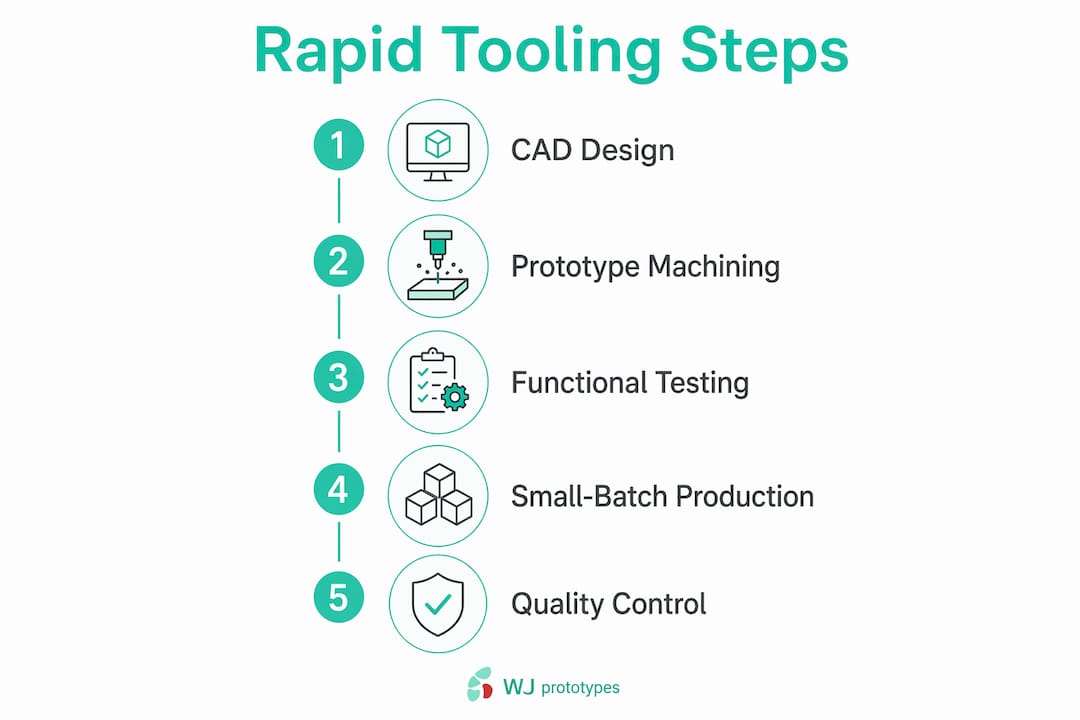
The CAD-to-component process in Shenzhen follows a faster path than the standard industry workflow. The recognized industry term for this process is “rapid tooling,” which covers any method that uses digital fabrication to produce molds, jigs, or direct-use parts in compressed timeframes. In Shenzhen, rapid tooling draws on CNC machining, SLA and SLS 3D printing, injection molding, and vacuum casting, often within the same building or block.
The typical workflow runs like this:
The most underappreciated part of this process is what happens in parallel. Industrial design and functional prototyping develop simultaneously in the same workspace, merging steps that are traditionally sequential elsewhere. A designer can refine the enclosure shape while an engineer tests the internal mechanism, with both teams drawing on the same supplier network. That parallel development saves weeks in a conventional product development schedule.
Pro Tip:Bring physical reference samples when you visit workshops, not just digital files. A sample communicates surface finish, flex, and weight in seconds. It removes ambiguity that even the best CAD model cannot fully convey.
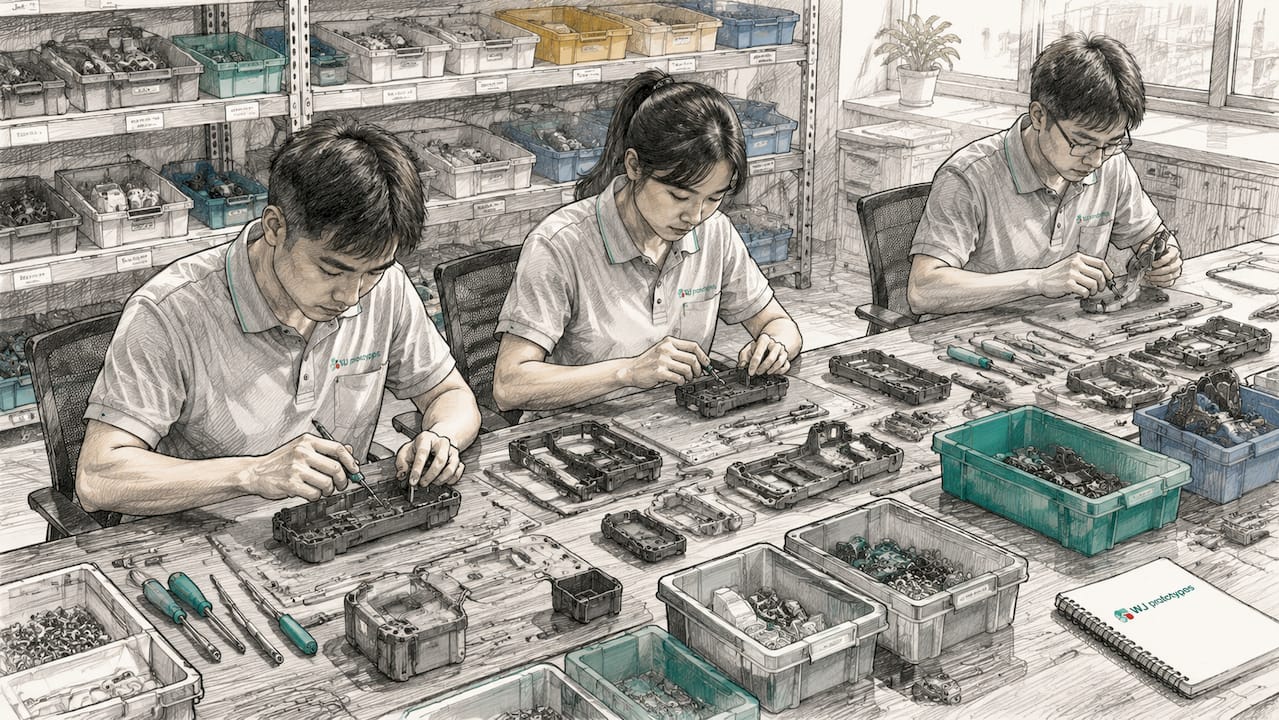
Prototype validation in Shenzhen does not end the supplier relationship. It starts the production phase. Factories can produce small-batch runs of 500 units in about 10 days after prototype sign-off, enabled by flexible production lines and low minimum order quantities. That turnaround is possible because the same supplier who made your prototype already knows your part.
The transition from prototype to production in Shenzhen typically follows three phases:
| Phase | Activity | Typical Timeline |
|---|---|---|
| Prototype validation | CNC or 3D-printed parts reviewed and approved | 1–5 days |
| Mold opening and tooling | Aluminum or steel mold cut for injection molding | 5–15 days |
| Small-batch production | First production run of 500–1,000 units | 7–10 days after mold approval |
The booth model in Huaqiangbei is the structural mechanism that makes this transition smooth. A single booth operator sources prototype quantities and connects to factories capable of volume production, preserving supplier continuity across both phases. You do not need to find a new vendor when you scale. The same contact who delivered your 5-unit prototype can coordinate your 500-unit run.
Maintaining supplier continuity matters more than most designers realize. Every time you switch suppliers, you restart the trust-building process and reintroduce tolerance and finish variations. Shenzhen’s ecosystem is built to keep that relationship intact across the full product development arc, from rapid prototyping in China through to market-ready production.
The just-in-time manufacturing culture also means factories treat the prototype as the first milestone in a continuous chain linked directly to market launch. Integrated R&D teams work with startups and product designers to make parts manufacturable from the start, which cuts redesign cycles that typically add weeks to a product launch schedule.
International designers face a specific challenge in Shenzhen: the ecosystem moves fast, but it runs on local knowledge and trust networks that take time to build. The most effective shortcut is to use cultural bridges.
The designers who get the most from Shenzhen are the ones who treat the ecosystem as a collaborative network, not a vendor list. Relationships here compound. A supplier who trusts you will prioritize your order when timelines get tight.
Shenzhen’s rapid tooling ecosystem compresses the CAD-to-component timeline from weeks to days through industrial density, flexible manufacturing culture, and integrated supplier relationships that span prototype to production.
| Point | Details |
|---|---|
| 3-day prototype timeline | Shenzhen’s supplier density enables CAD-to-prototype in as little as 3 days within a 100-km radius. |
| 6-hour first-article production | Local workshops deliver initial plastic prototypes in as little as 6 hours from a clean CAD file. |
| 500-unit runs in 10 days | Flexible factories support small-batch production of 500 units in about 10 days after prototype approval. |
| Booth model preserves continuity | Single booth operators connect prototype orders to volume factories, keeping supplier relationships intact across phases. |
| Parallel prototyping saves weeks | Running industrial design and functional prototyping simultaneously cuts traditional sequential timelines significantly. |
The insight that took me longest to internalize about Shenzhen is this: speed does not just change your schedule. It changes your relationship with failure. When a prototype costs you 6 hours instead of 6 weeks, you stop treating each design decision as precious. You test more aggressively, you throw out bad ideas faster, and you arrive at a better product sooner. That is not a manufacturing advantage. It is a creative one.
What I find most undervalued in conversations about the Shenzhen tooling industry is the physical proximity factor. People talk about it as a logistics benefit, which it is. But the deeper value is that you can have a real conversation with a machinist about why a feature is difficult to produce, watch them demonstrate the problem on a sample, and redesign on the spot. That feedback loop does not exist when your supplier is on the other side of the world and communication runs through email and time zones.
The ecosystem is also evolving. The transition from “prototype as proof” to “prototype as a tool” is already underway. Factories with integrated R&D teams are not just making what designers specify. They are actively suggesting design changes that improve manufacturability, reduce cost, and speed up the path to production. That is a fundamentally different relationship than the transactional vendor model most Western designers are used to.
The challenge ahead is quality consistency at speed. As demand from international designers grows, the pressure to deliver faster can create shortcuts that affect finish quality and dimensional accuracy. The designers who navigate this well are the ones who build long-term supplier relationships rather than chasing the cheapest quote on each project.
— Nas
Product designers who want the speed of Shenzhen’s tooling ecosystem without the complexity of navigating it alone have a direct option. WJ Prototypes is an ISO-certified rapid prototyping and manufacturing company based in China, offering CNC machining, SLA, SLS, MJF, DMLS, injection molding, vacuum casting, and die casting across a broad range of materials.
The CNC machining materials catalog covers metals and engineering plastics suited to both functional prototypes and production-grade components. WJ Prototypes supports small-batch runs with fast quoting, experienced engineers, and global delivery. Whether you need a single prototype or a low-volume production run, the team works directly from your CAD files with no minimum order complexity. Get a quote through CNC machining services and move your design from file to physical component on a timeline that matches Shenzhen’s pace.
Explore competitive Rapid Prototyping Services with expert support from WJ Prototypes.
Whether you're comparing suppliers or looking to optimize costs, our team can help you evaluate the best option for your project.
👉 Request A Quote now or email us at info@wjprototypes.com to get started.
Local workshops in Shenzhen can produce initial plastic prototypes in as little as 6 hours from a clean CAD file. Full prototype cycles, including review and iteration, typically complete within 3 days.
Flexible factories in Shenzhen support production runs as small as 500 units, with turnaround times of approximately 10 days after prototype approval.
CNC machining, SLA and SLS 3D printing, injection molding, and vacuum casting are the primary methods used for rapid tooling and prototyping in Shenzhen.
Makerspaces like TroubleMaker in Futian serve as cultural entry points, connecting foreign designers to vetted suppliers and helping them understand local manufacturing rhythms before committing to orders.
The booth model refers to small individual sellers in Huaqiangbei who supply prototype quantities and connect buyers to factories capable of volume production, maintaining supplier continuity across both phases of development.
Precision Engineering in Prototyping | Sourcing from China
Sheet Metal Fabrication Workflow for Prototyping in China
Cost-Effective Prototyping in China | Guide for UK Manufacturers & Engineers
Precision Machining in China | Why China Leads Global Production
Explore competitive Rapid Prototyping Services with expert support from WJ Prototypes.
Whether you're comparing suppliers or looking to optimize costs, our team can help you evaluate the best option for your project.
👉 Request A Quote now or email us at info@wjprototypes.com to get started.
SERVICES
RESOURCES