



- Room 1807, Unit 9, Building 2, Shangxing Commercial Street, Shangde Road, Shangxing Community, Xinqiao Subdistrict, Bao'an District, Shenzhen City, China
CONTACT US

WhatsApp


Contact Us
Our team is on stand by, waiting toassist you.

Videos
A large collection of educational videos and tutorials.

About Us
Learn about our company, leadership, and mission totransform manufacturing.

Privacy Policy
Applies to all personal information collected through and/or processed in connection.
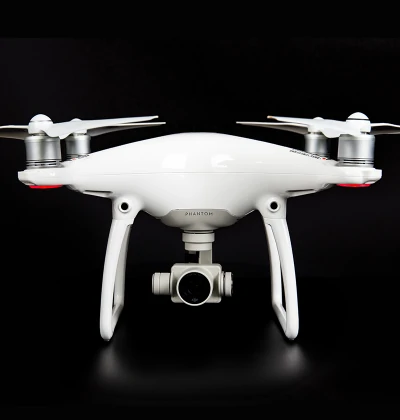

Aerospace & UAV
WJ Prototypes is your 3D manufacturing partner from prototype to large scale production.

Consumer Electronics
New Product Introduction Solutions for Consumer Electronics.

Robotics & Automation
Need some assistance bringing your robotic device or parts from the sketch-board to reality?

Medical Devices
The medical industry needs high quality, dependable and safe parts and products.

Automotive
New Product Introduction Solutions for Automotive

Industrial Machinery
The main purpose of industrial prototyping is to take the product from drawings into the real world.


Launching new aerospace and automotive products often hinges on speed and precision, but the pressure to balance cost and prototyping quality challenges even the most experienced managers. With every decision impacting schedules and budgets, defining clear project specifications and selecting the right manufacturing partners becomes the heart of successful prototyping. This guide reveals proven techniques, highlights the impact of integrating requirements across engineering, management, and design domains, and outlines industry-specific strategies to help you deliver dependable, cost-effective prototypes without sacrificing innovation.
| Key Point | Explanation |
|---|---|
| 1. Clearly Define Requirements | Establish specific project goals and outcomes for your prototype to guide its development effectively. |
| 2. Assess Partner Capabilities | Evaluate the technological skills and expertise of your prototyping provider to ensure they meet your project needs. |
| 3. Choose Suitable Materials | Select materials that accurately reflect the conditions your prototype will face to derive meaningful insights from testing. |
| 4. Compare Costs and Timelines | Obtain detailed quotes to understand total project costs and delivery times to align with your development cycles. |
| 5. Verify Quality Systems | Check for industry certifications and the quality assurance processes of your partner to ensure they can meet safety and performance standards. |
Defining your project requirements and specifications is where everything starts. This step sets the foundation for whether your prototyping effort succeeds or stumbles. You’re essentially creating a detailed map of what you want to build, why you’re building it, and how you’ll know when it’s right.
Start by identifying exactly what your prototype needs to accomplish. Are you testing a single design concept, validating material choices, or evaluating how components interact? This matters tremendously because your approach changes based on your answer. An aerospace component prototype serving certification purposes requires vastly different specifications than a quick design validation model. Document the specific functions your prototype must demonstrate, the environments it will operate in, and which design aspects matter most for your evaluation. Consider who will use or test the prototype. Will it be your engineering team in a controlled lab setting, or field testers in real world conditions? The people interacting with your prototype shape what specifications you need to define. Their feedback requirements and testing protocols should influence your specifications from the beginning.
Here’s a critical distinction that catches many engineers off guard: prototype requirements often differ significantly from final product requirements. Your prototype might need to validate a manufacturing process at smaller volumes, test material performance under specific conditions, or demonstrate particular features without perfecting every detail. Defining clear prototype specifications helps you avoid over-engineering aspects that don’t serve your testing goals. A prototype for automotive suspension testing might specify precise spring rates and damping characteristics but allow cosmetic finish variations that a production component would never accept.
Gather input from multiple perspectives. Your design team sees structural and material requirements. Manufacturing considers feasibility and cost constraints. Management watches timelines and budgets. Quality and testing teams know what measurements matter. Document all these viewpoints into your specification document. This isn’t bureaucracy, it’s preventing misunderstandings that derail projects. Write specifications that are measurable whenever possible. Rather than stating “good surface finish,” specify Ra 1.6 micrometres on bearing surfaces. Instead of “lightweight,” define maximum mass limits. Numbers eliminate guesswork and let your prototyping partner deliver exactly what you need.
The resources and timeline you allocate directly connect to your specifications. Complex, tight tolerances require more precision machining time. Multiple material iterations demand more testing. Advanced geometries need sophisticated manufacturing processes. Be honest about what flexibility exists in your specifications. Can tolerances be relaxed on non-critical dimensions? Are there acceptable material substitutes? Integrating requirements across engineering, management, and design domains helps allocate resources where they matter most and prevents waste on unnecessary precision elsewhere.
Professional tip Review your specifications with your prototyping partner before committing to a timeline or budget, as experienced manufacturers will identify feasibility constraints or cost optimisation opportunities that might reshape your requirements in valuable ways.
Assessing whether a prototyping partner possesses the right technological capabilities and expertise is where many product development managers stumble. You need to move beyond marketing claims and actually understand what machines, processes, and skilled personnel sit behind their promises.
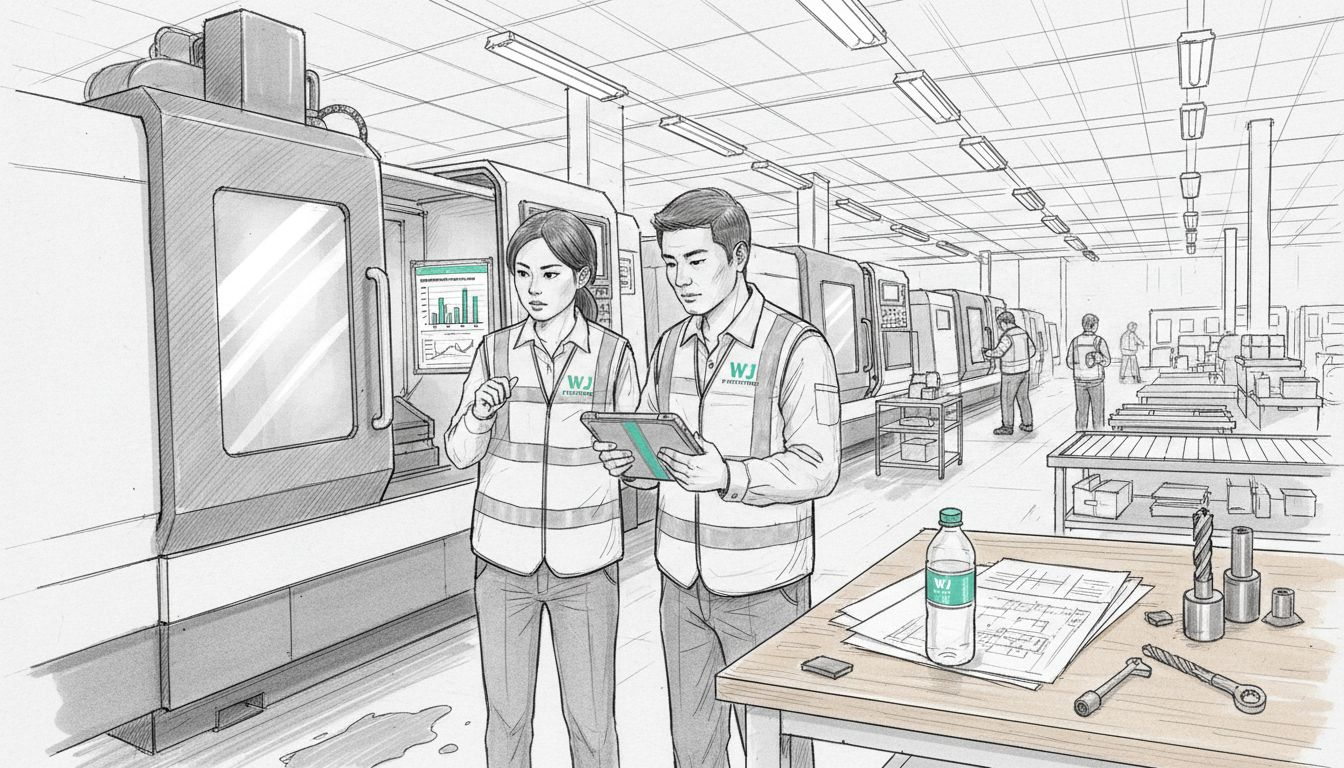
Start by listing the specific manufacturing processes your project requires. Are you looking at CNC machining for precision metal components? 3D printing for complex geometries? Sheet metal fabrication? Injection moulding for small production runs? Each process demands specialised equipment, software, and operator experience. A facility excellent at SLA resin printing might lack proficiency in DMLS metal sintering. A shop that excels at vacuum casting may struggle with the tolerances required for aerospace applications. Request detailed information about their equipment specifications, the brands and models they operate, and how recently they upgraded their systems. Older machinery doesn’t automatically disqualify a provider, but you should understand its capabilities and limitations. Ask about their software systems for design optimisation, simulation, and quality control. The technology stack matters as much as the physical machines.
Expertise comes from people, not just equipment. Ask about the qualifications and experience of their engineering team. How many years have they worked with your specific material requirements? Have they completed similar projects in your industry? Aerospace and automotive prototyping demand knowledge of material certifications, tolerance stack-up analysis, and regulatory compliance that differs from consumer product manufacturing. Advanced technological capabilities combined with systems for measurement and characterisation accelerate your project timeline and reduce the risk of costly design iterations. A facility staffed by generalists might handle basic work, but specialists deliver precision. Look for team members with ISO certifications, industry-specific training, or published expertise in your domain.
Understand how they approach problem-solving and iteration. The most capable prototyping partners don’t just execute your specifications, they anticipate challenges. They suggest material alternatives when your first choice faces supply constraints. They identify manufacturability issues before production begins. They optimise designs for cost without compromising function. Successful prototyping combines iterative experimentation enabled by team expertise in design strategies and domain technologies. Ask for examples of how they’ve solved similar problems for other clients. Request references from companies in your sector and actually contact them. Don’t settle for generic testimonials. Speak to someone who’s been through a complex project with tight tolerances and short timelines.
Verify their quality systems and testing capabilities. Can they measure to your required tolerances? Do they perform material testing or first article inspections? For aerospace and automotive work, many projects demand certifications and documentation that basic shops cannot provide. Understanding their quality infrastructure now prevents surprises later. Ask about their capacity to handle your project timeline. A shop with world-class capabilities doesn’t help if they’re six months behind schedule. Balance expertise with availability.
Professional tip Request a technical discussion with their engineering team before finalising your choice, as a fifteen minute conversation will reveal far more about their actual capabilities and collaborative approach than any brochure or website ever could.
Selecting the right material and production method is where your prototype either performs brilliantly or fails to deliver the insights you need. This decision shapes everything from your timeline and budget to whether your prototype actually reveals what you need to learn about your design.
Start by matching your evaluation goals to the production method. If you’re validating a design concept early in development, you might not need production grade materials or finished surface quality. Rapid additive methods like FDM or SLS can deliver functional models in days rather than weeks. But if you’re testing how a component withstands aerospace loading conditions, you need materials and processes that genuinely replicate what your production parts will experience. Different production methods impact prototype quality, function, and economic feasibility depending on the project stage and goals. Automotive suspension testing, for example, demands metal components with specific material certifications, whereas initial ergonomic validation might use 3D printed resin. Be honest about what your prototype actually needs to prove.
Material properties directly determine what you can validate. Aluminium alloys behave differently from steel when machined, affecting surface finish and dimensional accuracy. Polymers offer design flexibility but limited thermal tolerance. Carbon fibre reinforced composites deliver strength but require specialised processing. If you’re prototyping an aerospace bracket, you cannot use generic plastic and expect meaningful results. You need materials that mirror your production specifications. Consider whether material certifications matter for your application. Aerospace and automotive components often require material traceability, hardness testing results, and documentation proving batch quality. Consumer electronics might accept materials without these certifications. Comparing rapid prototyping methods including polymer and metal materials alongside additive processes reveals how different material choices optimise prototype realisation based on functional requirements. Talk to your manufacturing partner about material availability. Sometimes your preferred material faces supply constraints, and substitutes might serve your testing purposes just as effectively at lower cost and faster delivery.
Production method selection requires balancing precision, cost, and timeline. CNC machining delivers tight tolerances and excellent surface finish but requires longer lead times and higher per unit costs. 3D printing excels at complex geometries with rapid turnaround but struggles with certain tolerances and material properties. Vacuum casting provides a middle ground for small production runs with good surface quality. Sheet metal fabrication works brilliantly for structural components but poorly for complex 3D shapes. Consider whether your prototype needs to demonstrate manufacturability at production scale. If you’re validating a die cast design, prototyping with CNC machining might not reveal actual production challenges like cooling rates or dimensional variation. Conversely, if you’re optimising an injection moulded part for function rather than tooling economics, you might achieve your testing goals more quickly with alternative methods.
Cost and timeline work together in your decision. Faster methods often cost more per unit but compress your schedule. Slower methods might cost less per part but delay your learning. Calculate the true cost including your project timeline impact. If missing a market window costs £500,000 in lost revenue, spending an extra £5,000 on rapid prototyping becomes obvious. Think iteratively. You might use quick 3D printed iterations to refine geometry, then move to machined metal for final performance validation. This staged approach gives you speed early when feedback is highest and precision later when you need it. Discuss with your manufacturing partner which material and method combinations they excel at and which require external subcontracting. Some facilities have strengths you might not expect, and understanding their actual capabilities prevents delays and hidden costs.
Here’s a concise comparison of common prototyping production methods and their typical advantages:
| Production Method | Speed of Delivery | Precision Capability | Material Versatility |
|---|---|---|---|
| CNC Machining | Moderate to slow | Excellent for tight tolerances | Metals and engineering plastics |
| 3D Printing (FDM/SLS) | Very fast turnaround | Good for complex shapes | Wide range, polymers/metals |
| Vacuum Casting | Fast for small batches | Good surface finish | Polyurethane and silicone |
| Sheet Metal Fab | Moderate speed | High for basic profiles | Mostly metals |
| Injection Moulding | Slow setup, fast production | High for large volumes | Thermoplastics |
Professional tip Request material property data sheets and process capability documentation from your prototyping partner before committing to methods, ensuring the materials and tolerances they propose actually support your testing objectives rather than just meeting basic specifications.
Comparing turnaround times and cost efficiencies across prototyping providers reveals which partner delivers the best value for your specific project constraints. Speed and cost rarely move in lockstep, and understanding this trade off helps you make decisions aligned with your actual business needs rather than just chasing the lowest price.

Start by obtaining detailed quotes from multiple providers for your exact specifications. Request not just the per unit cost, but the complete picture including setup fees, tooling charges if applicable, material costs, and any finishing or post processing expenses. Ask about their current lead times and whether expedited options exist with associated surcharges. A provider quoting a 14 day turnaround at £2,000 might actually deliver within 10 days for an additional £300 rush fee, changing your equation entirely. Get clarification on what each quote includes. Does it cover design review and optimisation? Quality inspections and first article certifications? Post machining finishing? Packaging for international shipment? Hidden costs emerge when you discover halfway through that final quality testing costs another £500. Request quotes for both single prototypes and small batches, as some providers offer significant per unit savings at volumes of five or ten parts. Your immediate need might be one part, but if you’re planning production-ready testing in parallel, batch pricing matters.
Understand how turnaround time connects to your development cycle. Iterative and parallel prototyping techniques significantly enhance return on investment by shortening development cycles and allowing robust design exploration early in product development. If you’re planning three design iterations before final testing, a provider offering five day turnaround versus fifteen day turnaround saves you 30 days overall. That acceleration might matter enormously for your launch timeline. Conversely, if your prototypes feed into a six month development schedule with testing and analysis phases between iterations, the difference between five and fifteen days becomes insignificant compared to other factors. Calculate your total project cost including internal resource time. An expensive but fast provider that delivers in one week might cost less overall than a budget provider requiring three weeks if your engineering team’s time is tied up waiting for prototypes.
Be sceptical of prices that seem too good to be true. Extremely low quotes sometimes indicate cutting corners on quality, using substitute materials, or accepting loose tolerances that undermine your testing validity. Efficient prototyping hinges on selecting the best process balancing rapid iteration with acceptable prototype fidelity and budget constraints. Request references from previous clients and actually ask them whether they received what they expected. Did the actual turnaround match the quote? Did the final product quality meet requirements? Ask potential providers how they handle design issues discovered during manufacturing. Good partners identify manufacturability problems early and suggest solutions rather than discovering them mid project. This proactive approach saves both time and cost.
Consider volume discounting and long term relationships. If you’ll need multiple prototypes and small production runs over the next two years, discussing volume commitments might unlock better pricing. Some providers offer preferred customer rates once they prove themselves on your first project. Evaluate the complete value proposition. The least expensive provider means little if they deliver parts three weeks late or with tolerances outside your specifications. The fastest provider matters less if their costs consume your entire project budget. Create a simple scoring system weighting speed, cost, quality capability, and communication responsiveness according to your priorities. This prevents emotional decisions and keeps you focused on what actually matters for your project success.
Professional tip Request a breakdown of their current production schedule and ask whether they can batch your project with similar work to reduce setup costs, as consolidating your prototype with other compatible jobs often unlocks significant savings without extending your timeline.
Verifying quality assurance systems and industry certifications separates trustworthy manufacturing partners from those making empty promises. For aerospace and automotive prototyping, these certifications aren’t optional decoration on a website, they’re fundamental proof that a facility can deliver components meeting your safety and performance requirements.
Start by asking which certifications your prototyping partner holds. ISO 9001 indicates a quality management system, but it’s general and doesn’t guarantee capability in your specific processes. ISO 13485 applies to medical device manufacturing. AS9100 certification is aerospace specific and significantly more demanding than basic ISO 9001. For automotive work, IATF 16949 certification demonstrates adherence to automotive industry standards. Die casting facilities might hold additional certifications from industry bodies. Rather than accepting their word, verify certifications independently. Use international accreditation databases to confirm ISO and other standard certifications for companies, ensuring the certifications they claim are actually current and legitimately held. A provider claiming ISO 9001 certification that doesn’t appear in official records either failed to renew or never held it. This verification takes five minutes and reveals character immediately.
Understand what each certification actually means. ISO 9001 establishes that a company has documented processes, tracks quality metrics, and conducts regular audits. It doesn’t guarantee they’re excellent at your specific process, just that they measure what they do. This matters but isn’t sufficient alone. AS9100 requires much stricter controls around traceability, configuration management, and defect handling. If you’re manufacturing aerospace components, a provider with only ISO 9001 might lack the structured processes aerospace demands. Conversely, a provider with AS9100 certification has already proved they can handle aerospace rigor and can typically manage automotive or general industrial work with that same rigour. Ask about the scope of their certifications. A facility certified for machining but not for heat treatment can machine a part beautifully but might outsource finishing to a subcontractor without the same quality controls. Understanding certification scope prevents assumptions.
Beyond broad certifications, ask about specialised accreditations and approvals. Have they passed audits from your customers? Do they hold supplier approval from major aerospace or automotive manufacturers? These customer specific approvals sometimes matter more than general certifications because they represent actual performance history with demanding clients. ASME conformity assessment services endorse providers fulfilling safety, reliability, and quality requisites, particularly valuable for providers working on safety critical components. Ask whether they maintain first article inspection capabilities and material certifications. Can they document material batch traceability? Can they perform tensile testing, hardness testing, or metallurgical analysis if your specifications require it? Ask about their nonconforming parts process. Every quality facility occasionally produces parts outside specification. The question is whether they catch these parts before shipment and whether they investigate root causes. A provider describing a robust nonconforming parts process and sharing examples of problems caught and corrected demonstrates genuine quality culture.
Request documentation proving certification status. Ask for copies of their current ISO certificates including the specific scope and valid dates. Don’t accept promises that certification renewals are pending. Request their most recent internal audit summary or quality metrics. How many nonconforming parts have they identified in the past year? What was their on time delivery percentage? Providers confident in their quality openly share these metrics. Those hesitant to discuss them merit caution. Ask about their quality assurance team’s expertise. Who performs inspections? Do they have dedicated quality engineers or is inspection performed by machine operators? Quality systems work best when inspection authority operates independently from production pressure.
Summarising the key prototyping certifications and their industry relevance:
| Certification | Industry Focus | Main Quality Requirement | Impact on Project Credibility |
|---|---|---|---|
| ISO 9001 | General manufacturing | Documented processes, audits | Standard for basic quality |
| ISO 13485 | Medical devices | Medical regulatory compliance | Required for medical parts |
| AS9100 | Aerospace | Traceability, defect handling | Essential for aerospace work |
| IATF 16949 | Automotive | Automotive quality standards | Important for automotive |
| ASME Approval | Safety-critical sectors | Safety and reliability assessment | Endorses high reliability |
Professional tip Contact the certification body directly if uncertain about a provider’s claimed credentials, as they can confirm audit dates and scope; additionally, ask your prototyping partner for references from clients in your industry and specifically request permission to contact their quality manager, not just a sales representative.
Reviewing client support and global delivery capacity ensures your prototyping partner can handle your project from initial consultation through final shipment, regardless of geographical complexity. A facility with excellent manufacturing capabilities but poor communication or unreliable international logistics creates unnecessary project risk.
Start by assessing their responsiveness and communication practices. Send them a detailed technical question about your project and observe how quickly and thoroughly they respond. Do they ask clarifying questions that demonstrate genuine engagement, or do they provide generic answers? During your initial conversations, do they proactively suggest design optimisations or raise manufacturability concerns, or do they simply acknowledge your specifications? Responsive partners flag potential issues early rather than discovering them mid-project. Ask about their communication structure. Who will be your primary contact? Is that person a sales representative, or do they have direct access to the engineering team? For complex prototyping projects, direct access to engineers prevents communication delays and reduces misunderstandings. Understand their support model during production. If issues arise during manufacturing, can you speak with someone who understands the technical details, or are you trapped in email chains with sales staff? Request a sample interaction by asking about a specific technical concern related to your project specifications.
Global delivery capacity matters significantly for your timeline and logistics planning. Ask whether they ship internationally and which countries they regularly serve. Some facilities handle European and North American delivery routinely but struggle with other regions. Understand their packaging and shipping protocols. Do they use customs brokers familiar with international documentation? Can they arrange door-to-door delivery or do they only provide components to a port? Ask about their experience shipping components meeting aerospace or automotive specifications. These sectors often require specific documentation, material certifications, and handling procedures. A facility comfortable shipping standard parts might not understand the regulatory requirements for aerospace components. Integrated logistics and lifecycle management enable prototyping services to support deployments globally while addressing stakeholder requirements and operational contexts in delivery strategies. Ask about their capacity to manage projects with distributed teams. If your engineering team operates across multiple continents, can they accommodate time zone differences? Do they offer video conferencing capabilities and shared project documentation systems?
Understand their supply chain resilience and contingency planning. What happens if a material becomes unavailable? Can they suggest alternatives or do projects stall? Do they maintain strategic inventory of common materials, or do they source everything on demand? Ask about their backup suppliers and whether they have alternate facilities if equipment fails. During the recent pandemic and semiconductor shortage, facilities with supply chain resilience and contingency planning delivered prototypes whilst competitors missed deadlines. Ask about their quality of life in their supply chain. Do they have long-term relationships with material suppliers? Do suppliers provide them priority access during shortages? Ask whether they perform incoming material inspections to catch supplier issues before they reach your components. Successful prototyping collaboration across government, industry, and academia with commitments to open designs and adherence to international standards supports client needs globally and facilitates coordinated delivery capabilities. This demonstrates how established partnerships strengthen delivery reliability.
Request references from clients in your geographical region and similar industries. Ask them about delivery reliability. Did components arrive on schedule? Were they properly packaged and documented? Did the facility handle customs and regulatory compliance correctly? Ask whether your potential partner offers real time project tracking. Can you monitor production progress? Do they provide regular status updates without requiring you to chase them? Ask about their change management process. If you need to modify specifications mid-project, how quickly can they accommodate changes? Do they re quote immediately or does it stall in administrative limbo? A well-organised facility processes changes efficiently and keeps projects moving forward.
Professional tip Request a detailed project communication plan in writing before committing, specifying response times for different issue types, contact protocols during time zone misalignment, and escalation procedures if challenges arise, ensuring clarity prevents communication breakdowns when projects face unexpected obstacles.
Choosing the right prototyping service is crucial when your project demands precise tolerances, certified quality, and rapid turnaround. The article highlights common challenges such as aligning material choices with production methods, verifying certifications like ISO and AS9100, and balancing cost with turnaround times. If you are seeking a partner who not only understands these intricacies but also delivers global support and advanced manufacturing expertise, WJ Prototypes can transform your development journey.
Experience the benefits of:
Do not let prototyping uncertainties delay your product launch or inflate your costs. Discover how WJ Prototypes stands ready to deliver precision results with a fast, cost-effective approach. Visit our homepage to get an instant quote and discuss how our expertise meets your exact specifications today.
To define the requirements for your prototyping project, start by outlining what your prototype must achieve, such as testing design concepts or validating materials. Document specific functions, environmental conditions, and user interactions to create a clear specification document. This method helps prevent misunderstandings and ensures everyone is aligned on your project’s goals.
When assessing a prototyping partner’s technological capabilities, focus on the specific manufacturing processes they offer, such as CNC machining or 3D printing. Request detailed information on their equipment, software systems, and the qualifications of their engineering team to ensure they have the necessary expertise for your project.
Evaluating material options for your prototype involves matching your evaluation goals to the appropriate production methods and materials. Discuss your requirements with your prototyping partner, ensuring the materials you choose will adequately reflect the conditions your final product will face. Aim for consistency with production specifications to gain meaningful insights from your prototype.
Verify the quality assurance systems and industry certifications of potential prototyping partners by checking their certifications and understanding their relevance to your project. For instance, AS9100 certification indicates strict adherence to aerospace quality standards, essential for safety-critical applications. Request documentation of these certifications to confirm their legitimacy and ensure they have rigorous quality controls.
To compare turnaround times and costs, gather detailed quotes from multiple providers that include all associated fees such as setup and material costs. Look for variations in lead times, including options for expedited delivery, to make an informed decision that aligns with your project timeline. A straightforward cost breakdown helps identify the best value for your specific needs.
Client support is crucial in selecting a prototyping partner, as effective communication can prevent project delays. Assess their responsiveness during initial interactions and inquire about their support structure throughout the production process. Ensure there is a direct line of communication with engineering personnel for any technical issues that may arise.
SERVICES
RESOURCES