



- Room 1807, Unit 9, Building 2, Shangxing Commercial Street, Shangde Road, Shangxing Community, Xinqiao Subdistrict, Bao'an District, Shenzhen City, China
CONTACT US

WhatsApp


Contact Us
Our team is on stand by, waiting toassist you.

Videos
A large collection of educational videos and tutorials.

About Us
Learn about our company, leadership, and mission totransform manufacturing.

Privacy Policy
Applies to all personal information collected through and/or processed in connection.
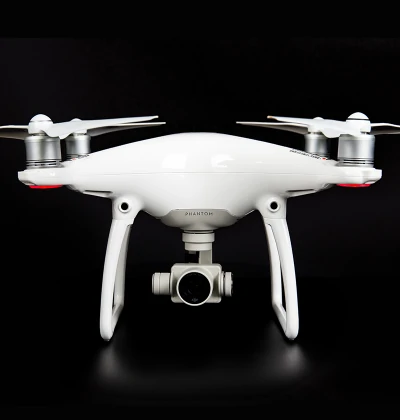

Aerospace & UAV
WJ Prototypes is your 3D manufacturing partner from prototype to large scale production.

Consumer Electronics
New Product Introduction Solutions for Consumer Electronics.

Robotics & Automation
Need some assistance bringing your robotic device or parts from the sketch-board to reality?

Medical Devices
The medical industry needs high quality, dependable and safe parts and products.

Automotive
New Product Introduction Solutions for Automotive

Industrial Machinery
The main purpose of industrial prototyping is to take the product from drawings into the real world.
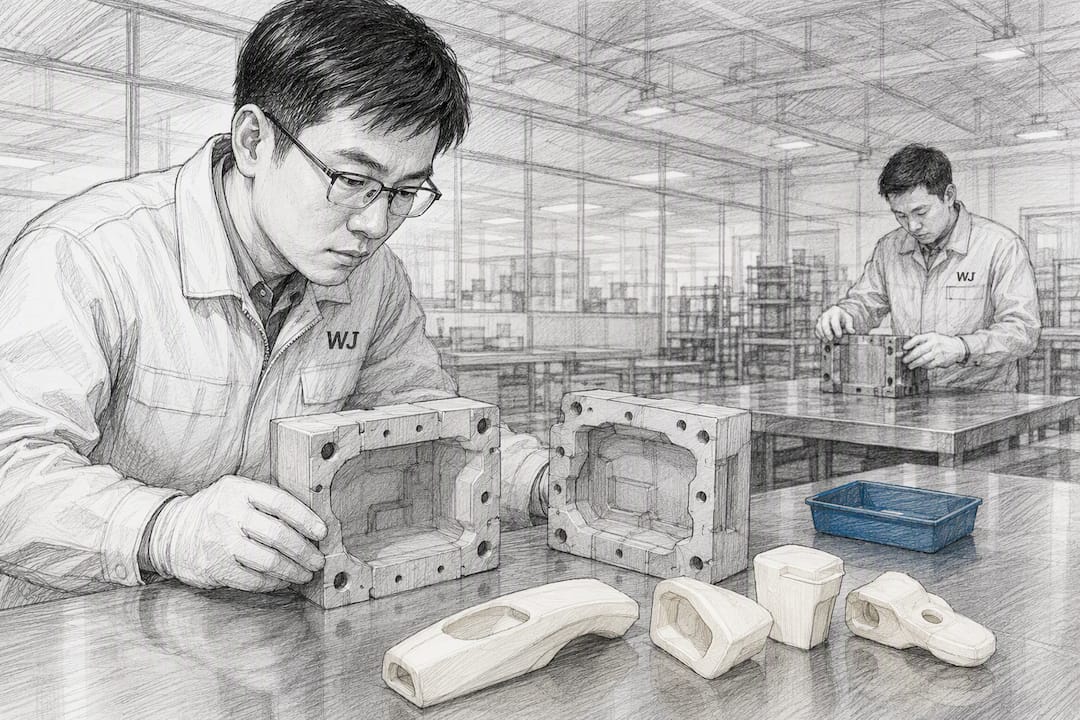
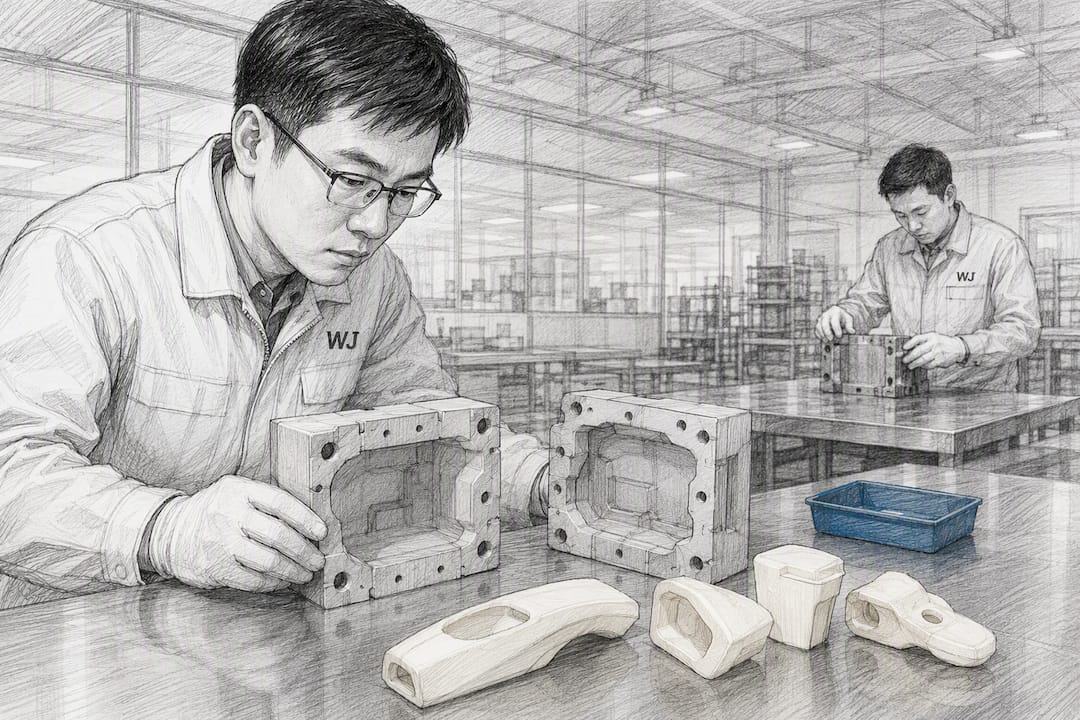
For prototype and low-volume production, “Vacuum-Assisted Giga-Casting in China” describes silicone-mold vacuum casting and small vacuum-assisted die-casting services for fast, injection-like prototype parts, not automotive giga-press vehicle casting. It’s a viable, well-tested route when you need functional prototypes, limited-run end-use parts, or visual models before committing to hard tooling. Some suppliers offer vacuum casting alongside CNC and injection molding, allowing you to compare options under one roof.
TL;DR:
- Vacuum casting with silicone molds typically supports batch sizes of 20 to 30 parts before mold wear impacts quality, influencing pricing and scheduling.
- Pressure curing at 20 to 40 psi is recommended for parts with thin walls or delicate surfaces to minimize porosity and bubble defects.
- Selecting the appropriate resin—polyurethane, epoxy, or aluminum-filled epoxy—depends on whether the goal is visual appearance, dimensional stability, or thermal and mechanical performance.
- Chinese suppliers often provide rapid turnaround times of 5 to 7 business days, with urgent projects possible within 72 hours, but conditions vary by project complexity and supplier capabilities.
- Buyers should ensure their partner owns equipment, requests proof of quality, and clarifies shipping, inspection, and mold ownership terms before committing to a vacuum casting service.
Vacuum casting starts with a master pattern, usually machined or printed on an SLA or SLS system, then finished to the surface quality you want replicated. That master gets sealed and suspended in a mold box, and a two-part silicone is poured around it. This step matters more than most buyers expect: parting-line placement determines how easily the mold releases and how many usable cycles it survives.
Silicone mold procedures typically mix RTV silicone at roughly a 1:1 ratio by volume, with a working pot life of about 15 to 20 minutes before it starts to set, according to CMU’s rapid prototyping documentation. Once cured, the mold is cut open, the master removed, and the cavity is ready for casting resin.
Simple vacuum degassing works for most low-stress geometries. Pressure pots earn their keep on parts with thin walls, sharp internal corners, or cosmetic surfaces where a single bubble ruins the piece.
Choosing the right casting material depends on what you’re actually testing: fit, function, or appearance. Polyurethane resins (PUR) dominate general prototyping because they’re fast-curing and forgiving. Epoxy resins (EP) offer better dimensional stability and heat resistance for parts that need to hold tolerance under load. Aluminum-filled EP adds stiffness and thermal conductivity, useful for housings that sit near heat sources.
Vacuum-cast thermosets can match or exceed some mechanical and thermal properties of injection-molded thermoplastics, according to a 2022 review of industrial vacuum casting. That’s why the process holds up for functional trials, not just look-alike models. Compared to 3D-printed materials, vacuum-cast resins generally offer more isotropic strength, since there’s no layer-by-layer weakness to account for. The trade-off is cost per part rises fast once you exceed the mold’s practical life, and paintability varies by resin family. Our vacuum casting guide covers finish options in more detail.
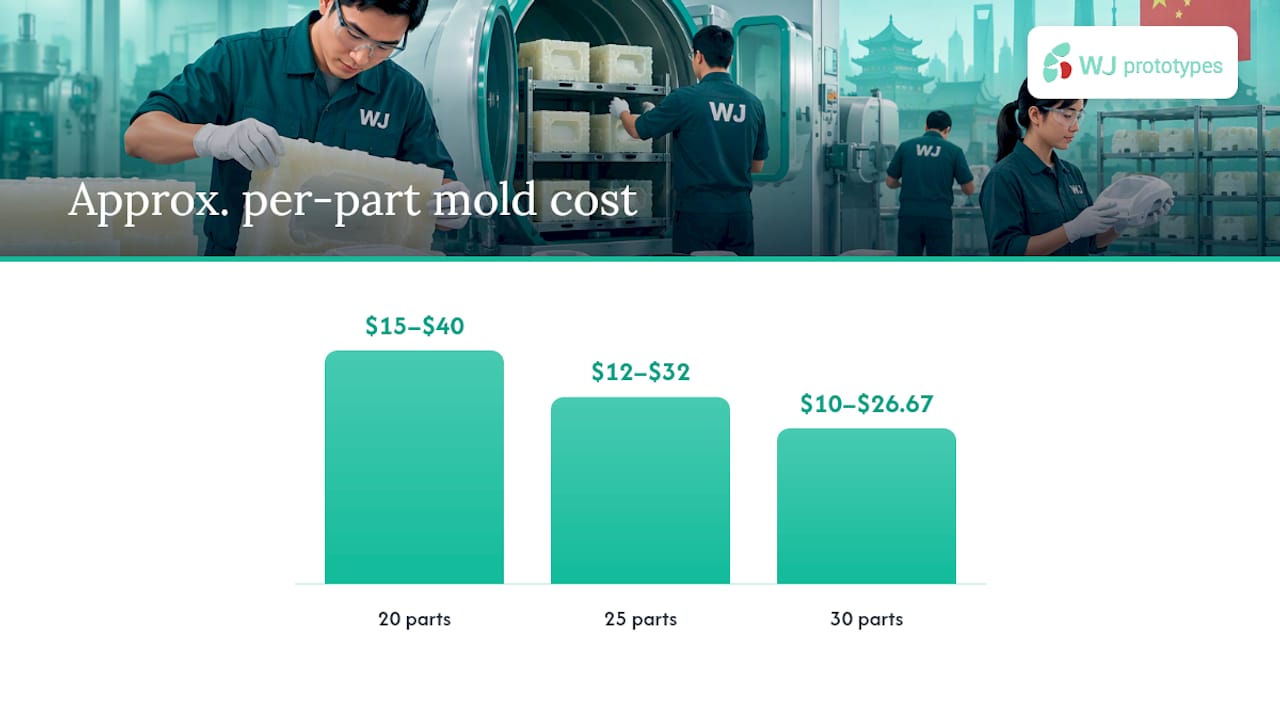
Vacuum casting is typically priced per mold set rather than per individual part. A set covering 20 to 30 parts commonly runs in the range of $300 to $800, depending on part complexity and finishing requirements, based on market guidance for Chinese vacuum casting suppliers. That mold cost gets amortized across the run, so unit price drops as batch size climbs toward the mold’s usable limit.
Lead times benefit from China’s manufacturing clusters. Standard prototype orders often land in the 5 to 7 working day range, and fully integrated suppliers in hubs like Shenzhen, Dongguan, or Ningbo can sometimes turn urgent jobs around in under 72 hours, per the same sourcing guidance.
Before accepting a quote, clarify:
Not every quote comes from a shop that actually runs the equipment. Confirming who does the work, and how well, protects your schedule and your budget.
Pro Tip: Request a sample part from a previous job in the same resin family before committing to your production order. It tells you more about finish quality than any spec sheet.
Porosity and bubbles are the most common defect in vacuum-cast parts, and they’re usually addressed with a combination of proper degassing and pressure-pot curing at 20 to 40 psi, a method detailed in Stanford’s SmoothCast fabrication protocol.
Pro Tip: Build mold replacement costs into your unit economics from the start. A mold nearing end of life is often where dimensional drift and surface defects first appear.
Vacuum casting fits best when you need 10 to 50 injection-like parts without the cost of hard tooling. It falls short when you need thousands of units, extremely tight tolerances, or a specific engineering thermoplastic that only exists as a pellet resin.
Our vacuum casting benefits overview walks through more use-case comparisons.
Certain service providers offer vacuum casting alongside CNC machining, injection molding, and die casting under quality-controlled processes, so you can compare methods without switching vendors. Before requesting a quote, prepare your 3D file, target tolerances, and finish specification. The most common delay we see is a missing surface finish callout, which stalls approval until it’s clarified.
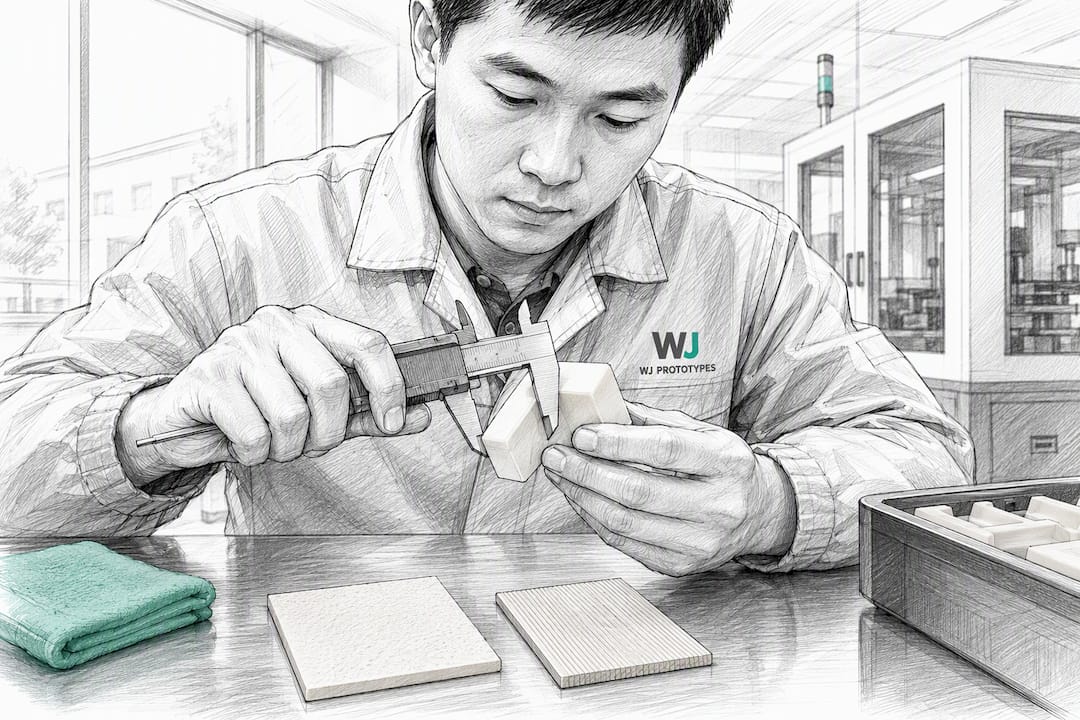
If you’ve read this far, you already know whether vacuum casting fits your project. The next step is getting a real quote instead of another estimate based on guesswork about your geometry. WJ Prototypes’ vacuum casting service covers everything from single functional prototypes to small production runs, with ISO-certified quality checks built into the process and no minimum order quantity.
When you submit a request, include:
After submission, expect a quote back with lead time and pricing, a chance to review a sample or first-article part before full production, and payment terms tied to milestones rather than full upfront cost. Start your request through the vacuum casting page or browse the full service list if you’re still comparing methods.
Vacuum casting produces small batches of functional or cosmetic prototypes using silicone molds and resins like polyurethane or epoxy. It’s commonly chosen when a design needs injection-like material properties before committing to production tooling.
A single silicone mold typically supports a run of around 20 to 30 parts before wear affects dimensional accuracy, which is why suppliers often price vacuum casting sets around that batch size. Mold life depends on part geometry and resin type, so replacement triggers should be agreed on in advance.
Vacuum-cast resins tend to offer more consistent strength than printed parts because there’s no layer-by-layer weakness, and vacuum-cast thermosets can match or exceed some mechanical and thermal properties of injection-molded thermoplastics, according to a 2022 review of industrial vacuum casting. 3D printing remains faster for single one-off parts, while vacuum casting suits small batches needing consistent mechanical behavior.
Confirm whether the company owns its own molding and casting equipment, request ISO certification along with sample inspection reports, and secure an NNN agreement to protect your design files. WJ Prototypes provides ISO-certified vacuum casting services with no minimum order quantity for buyers evaluating this route.
SERVICES
RESOURCES