



- Room 1807, Unit 9, Building 2, Shangxing Commercial Street, Shangde Road, Shangxing Community, Xinqiao Subdistrict, Bao'an District, Shenzhen City, China
CONTACT US

WhatsApp


Contact Us
Our team is on stand by, waiting toassist you.

Videos
A large collection of educational videos and tutorials.

About Us
Learn about our company, leadership, and mission totransform manufacturing.

Privacy Policy
Applies to all personal information collected through and/or processed in connection.
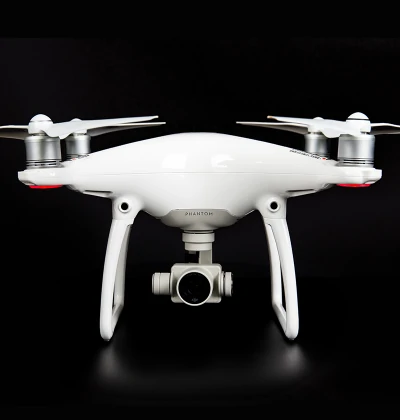

Aerospace & UAV
WJ Prototypes is your 3D manufacturing partner from prototype to large scale production.

Consumer Electronics
New Product Introduction Solutions for Consumer Electronics.

Robotics & Automation
Need some assistance bringing your robotic device or parts from the sketch-board to reality?

Medical Devices
The medical industry needs high quality, dependable and safe parts and products.

Automotive
New Product Introduction Solutions for Automotive

Industrial Machinery
The main purpose of industrial prototyping is to take the product from drawings into the real world.
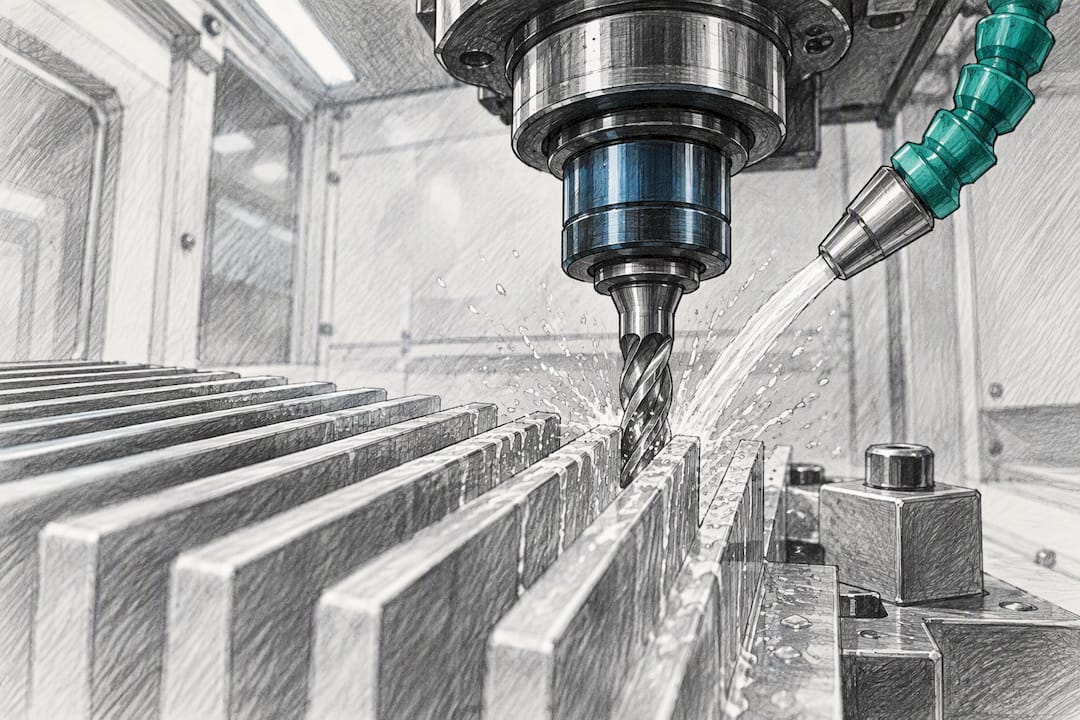
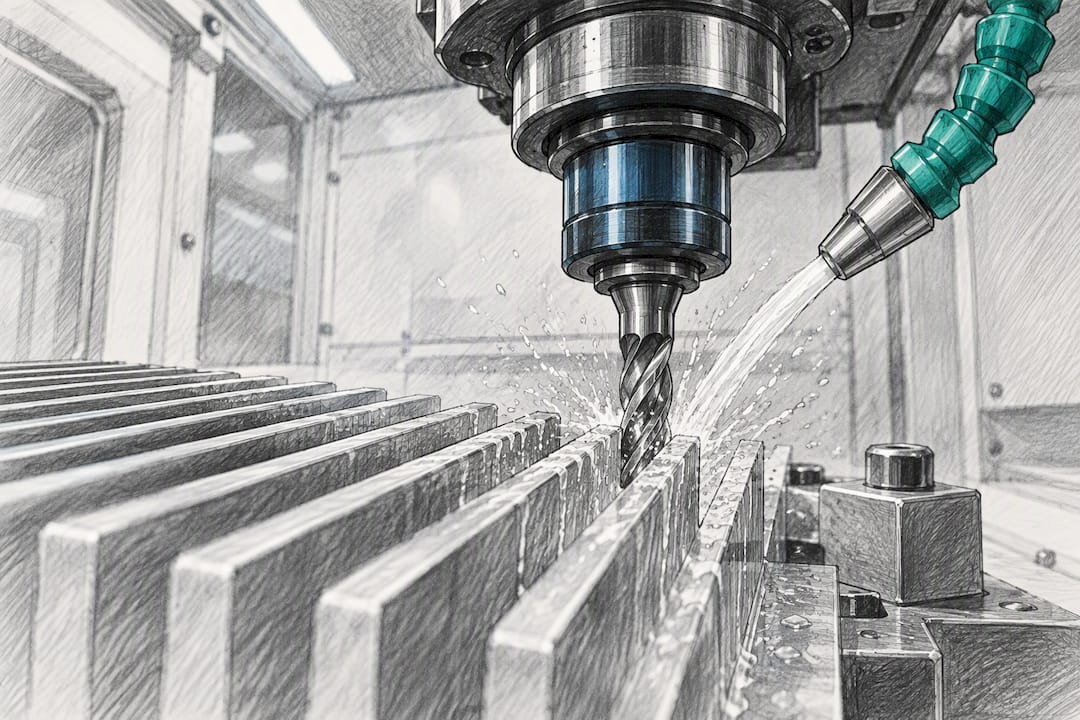
Work with an ISO-certified CNC heat sink specialist for tight-tolerance or low-volume runs, or use a turnkey prototyping partner such as WJ Prototypes when schedule risk, testing requirements, or single-source accountability matter more than chasing the lowest unit price. Either path beats an unvetted broker, because quality consistency and export documentation carry more long-term cost than a few cents per part. Before you commit, check whether your alloy or material form falls under recent export controls.
TL;DR:
- Chinese CNC heat sink suppliers usually hold tolerances of ±0.05 to ±0.1 millimeters for critical features, with extrusions running looser at around ±0.15 millimeters.
- Export controls on specific alloy forms like plates and powders may apply, but standard aluminum and copper heat sinks generally fall outside these restrictions, pending classification verification.
- CNC machining offers fast turnaround for prototypes within days or weeks, whereas extrusion and die-casting become more cost-effective at high volumes once tooling is paid off.
- Qualification requires requesting detailed certification, first article inspection reports, and clear capacity data, with supplier’s willingness to share inspection info early indicating reliability.
- For managed quality and documentation, turnkey partners like WJ Prototypes provide integrated services and ISO certification, reducing coordination risks for complex projects.
Heat sink machining in China spans several manufacturing routes, and matching your part to the right one determines both cost and lead time. Extrusion produces long finned profiles cut to length, ideal for high-volume, simple cross-sections. CNC machining removes material from billet stock to create complex fin geometries, pockets, and mounting features that extrusion cannot achieve. Die-casting suits high-volume parts with moderate thermal performance needs, while skiving shaves ultra-thin fins from a solid block to pack more surface area into a smaller footprint. Bonded fin construction attaches separately made fins to a base plate, often used when fin density exceeds what machining or extrusion can produce economically.
Material choice affects both thermal performance and machinability:
Precision expectations vary by process. CNC-machined features commonly hold tolerances in the range of ±0.05 to ±0.1 millimeters on critical dimensions, while extruded profiles run looser, often ±0.15 millimeters or more depending on cross-section complexity. Fin thickness and pitch on skived parts require tighter process control, since thin fins are prone to deformation during machining.
Standard finishes include anodizing for corrosion resistance and electrical insulation, and black anodizing specifically to improve emissivity for passive cooling applications. Many suppliers offer secondary operations such as thermal interface material application, press-fit pin installation, and vapor chamber integration. Thermal testing services, when available, typically measure junction-to-ambient thermal resistance under controlled airflow, giving you comparative performance data before committing to full production.
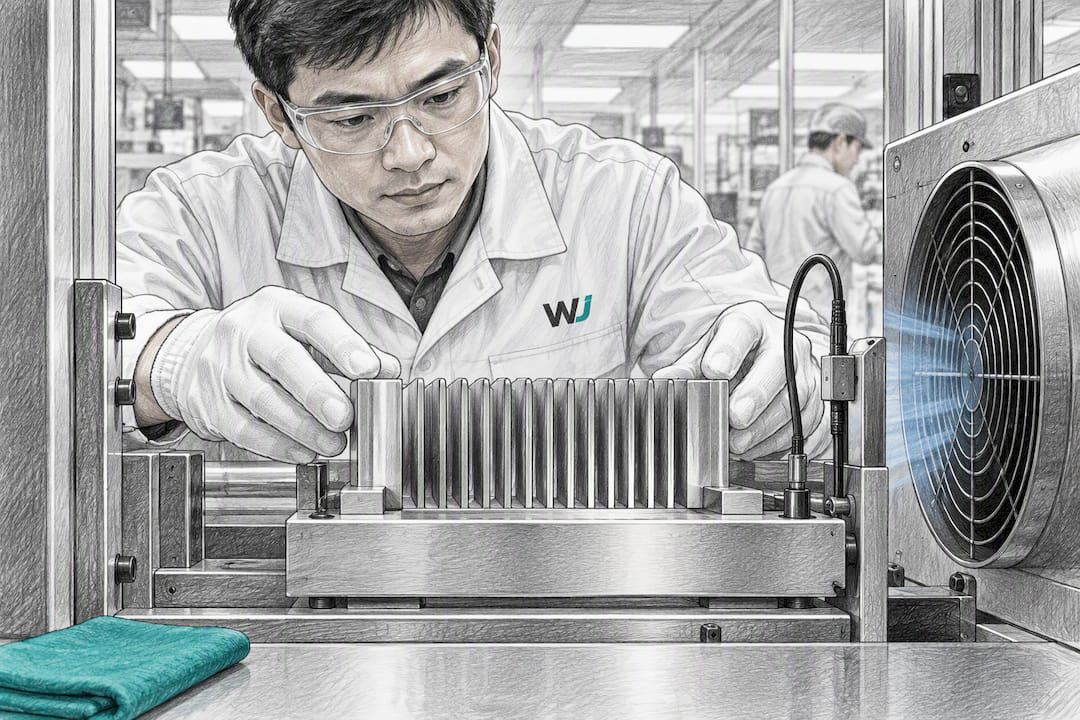
Qualifying a Chinese CNC heat sink vendor means verifying documentation, not just trusting a sample part. Start with certification proof: request the supplier’s ISO 9001 certificate directly from the issuing body rather than accepting a scanned copy, and ask for a recent first article inspection (FAI) report with coordinate measuring machine (CMM) data on a part similar to yours. Quality control documentation should include material certificates that trace the aluminum or copper stock back to its mill source.
Follow this sequence during RFQ and supplier vetting:
Red flags include suppliers who cannot produce a machine list, who reuse the same sample photos across unrelated RFQs, or who resist a factory audit request. A step-by-step sourcing checklist for CAD packaging and tolerance callouts helps standardize what you send to every candidate supplier, which makes quotes easier to compare later.
Pro Tip: Ask for the FAI report before the quote, not after the purchase order. A supplier’s willingness to share real inspection data early is a strong indicator of how they will handle disputes later.
Prototype quantities and short production runs call for different processes, and choosing wrong at the prototype stage often means re-tooling later. CNC machining works well for prototypes and low volumes because it requires no dedicated tooling, letting you iterate on fin geometry without committing capital. Once volumes climb into the thousands of units, extrusion or die-casting usually becomes cheaper per part, but both require tooling investment that only pays off across a large enough run.
Verify a supplier’s capacity claims by asking for evidence rather than accepting a stated number outright: request photos or video of the actual machines running your part family, and ask how many similar orders they have shipped in the past year. For a pilot run, order a small batch first, capture data on dimensional consistency and thermal performance across the batch, and use that data to negotiate terms for the full production order. Planning a ramp means agreeing on lead time commitments in writing before volumes increase, since a supplier’s quoted capacity during the sales conversation does not always match what they can sustain under real order pressure.
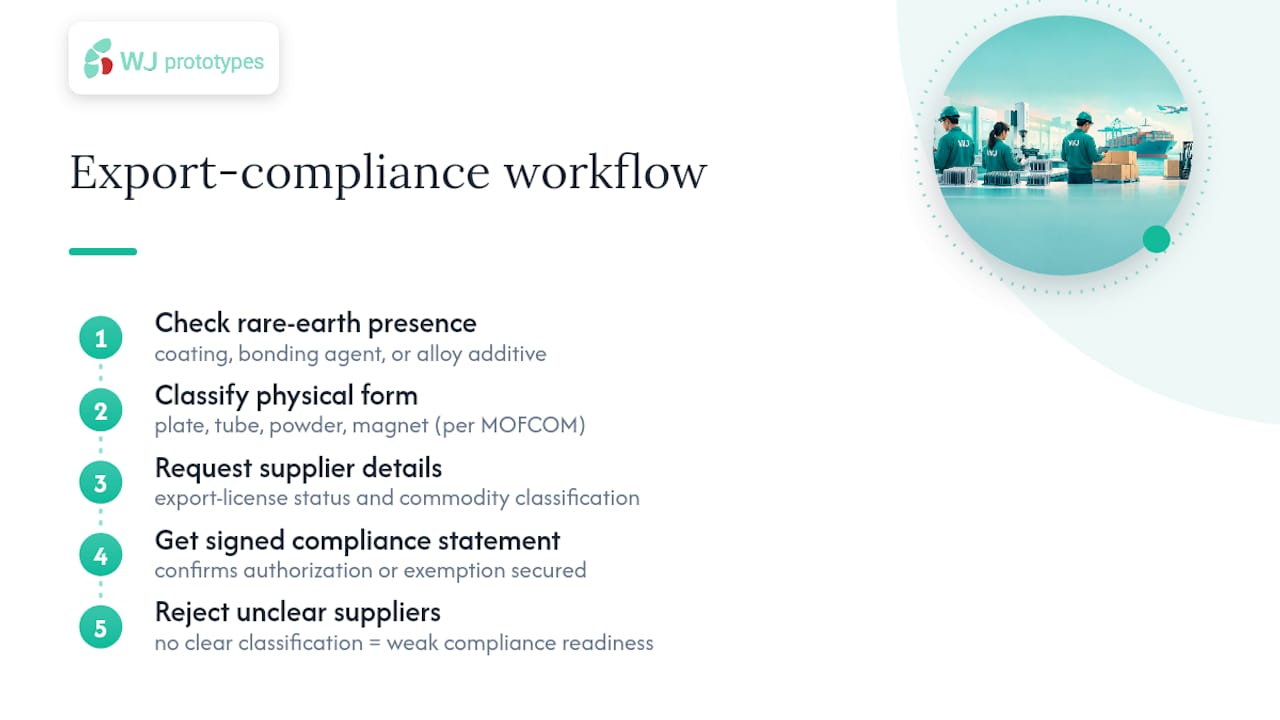
In April 2025, China’s Ministry of Commerce and General Administration of Customs announced export controls on specific medium and heavy rare earth related items, requiring exporters to obtain authorization before shipping certain alloys and related materials.
Export authorization now applies to specific alloy forms, according to the MOFCOM announcement, covering items such as plates, tubes, powders, and magnets, meaning the physical form of a material matters as much as its chemistry when classifying a shipment.
For heat sink components, this matters most where rare earth elements appear in coatings, bonding agents, or specialty alloy additives rather than in the base aluminum or copper stock most heat sinks use. Before placing an order, request the supplier’s export license status, a commodity classification for the specific alloy and form you are ordering, and a signed compliance statement confirming the shipment does not require additional authorization or that authorization has already been secured. A supplier who cannot answer classification questions clearly, or who dismisses the topic as irrelevant without checking your specific material, is a sign of weak compliance readiness. Building this verification into your RFQ process now avoids shipment delays that surface only after you have committed to a delivery date.
A Chinese CNC heat sink quote bundles several cost drivers, and separating them lets you compare suppliers on equal terms rather than comparing a single bottom-line number.
To compare quotes fairly, send identical specifications, the same inspection criteria, and the same freight terms to every candidate supplier, since a lower unit price paired with looser inspection standards or ex-works freight terms often costs more once you account for rework and shipping risk. A higher quote can be justified when it includes tighter documented tolerances, in-house thermal testing, or a supplier’s own compliance handling for regulated materials.
Pro Tip: Request freight terms in writing on the quote itself, not just the unit price. Suppliers sometimes quote aggressively low unit costs while shifting inspection or freight costs into a separate, less visible line.
Tight schedules, complex assemblies, or a need for consolidated quality documentation often favor a turnkey partner over managing a factory relationship directly. WJ Prototypes operates ISO-certified CNC machining alongside its other manufacturing services, giving engineers a single point of contact for machining, finishing, and testing coordination rather than juggling multiple vendors. Its materials reference pages and instant online quoting system let engineers check alloy options and get a project moving without a lengthy back-and-forth.
A turnkey partner typically handles documentation, inspection reports, and export paperwork under one contract, which reduces the coordination burden on your procurement team. Before awarding a project to any turnkey provider, confirm their claimed certifications directly, ask for a sample inspection report on a comparable part, and verify their stated capacity against your project’s timeline.
The right sourcing choice depends on balancing cost against schedule and compliance risk rather than optimizing for unit price alone. Verify export classification for your specific alloy and material form early, before you finalize a delivery date, since compliance issues surface fastest when least convenient. Prepare complete CAD files with clear tolerance callouts before sending any RFQ. That single step separates suppliers who can quote accurately from those who guess.
— Nas
WJ Prototypes runs ISO-certified CNC machining alongside its other prototyping and low-volume production services, giving heat sink projects a single accountable partner for machining, finishing, and quality documentation instead of coordinating separate vendors for each step. Its CNC machining materials page lists common aluminum and copper options, and its instant online quoting system moves your project from CAD upload to pricing without waiting on lengthy back-and-forth.
To get a fast, accurate quote, prepare your 2D and 3D CAD files, note critical tolerance callouts, specify your preferred alloy, state expected volumes, and list any thermal testing requirements up front. Submitting a project through the CNC Machining Service page lets you attach files directly and get pricing back without a lengthy sales cycle, whether you need a handful of prototypes or a short production run.
Most CNC-machined heat sinks typically hold tight tolerances on critical dimensions, while extruded profiles run looser due to the process itself. Confirm the specific tolerance band with your supplier and tie it to a first article inspection report before production begins.
China’s April 2025 export control announcement requires authorization for specific alloys and material forms, including plates, tubes, powders, and magnets. Most standard aluminum and copper heat sinks fall outside this scope, but any specialty alloy or rare earth additive should be checked against the current classification before you finalize an order.
CNC machining suits prototypes, low volumes, and complex fin geometries because it needs no dedicated tooling. Extrusion becomes more economical at higher volumes with simpler cross-sections, but only once tooling costs are justified by the order size.
CNC-machined prototypes typically ship within days to a couple of weeks, depending on part complexity and finishing requirements such as anodizing. Short production runs take longer to plan and often require a pilot batch first to validate dimensional consistency before scaling up.
Yes, WJ Prototypes operates ISO-certified CNC machining as part of its manufacturing services, alongside materials guidance and instant online quoting. Engineers can submit CAD files directly through the CNC Machining Service page to request a quote for heat sink projects.
SERVICES
RESOURCES