



- Room 1807, Unit 9, Building 2, Shangxing Commercial Street, Shangde Road, Shangxing Community, Xinqiao Subdistrict, Bao'an District, Shenzhen City, China
CONTACT US

WhatsApp


Contact Us
Our team is on stand by, waiting toassist you.

Videos
A large collection of educational videos and tutorials.

About Us
Learn about our company, leadership, and mission totransform manufacturing.

Privacy Policy
Applies to all personal information collected through and/or processed in connection.
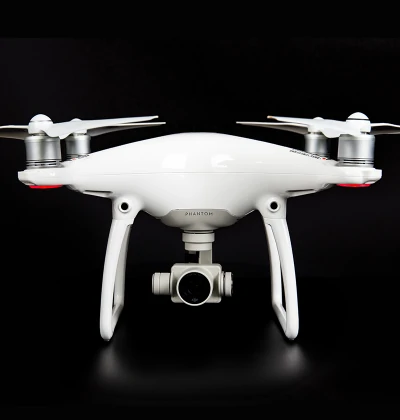

Aerospace & UAV
WJ Prototypes is your 3D manufacturing partner from prototype to large scale production.

Consumer Electronics
New Product Introduction Solutions for Consumer Electronics.

Robotics & Automation
Need some assistance bringing your robotic device or parts from the sketch-board to reality?

Medical Devices
The medical industry needs high quality, dependable and safe parts and products.

Automotive
New Product Introduction Solutions for Automotive

Industrial Machinery
The main purpose of industrial prototyping is to take the product from drawings into the real world.
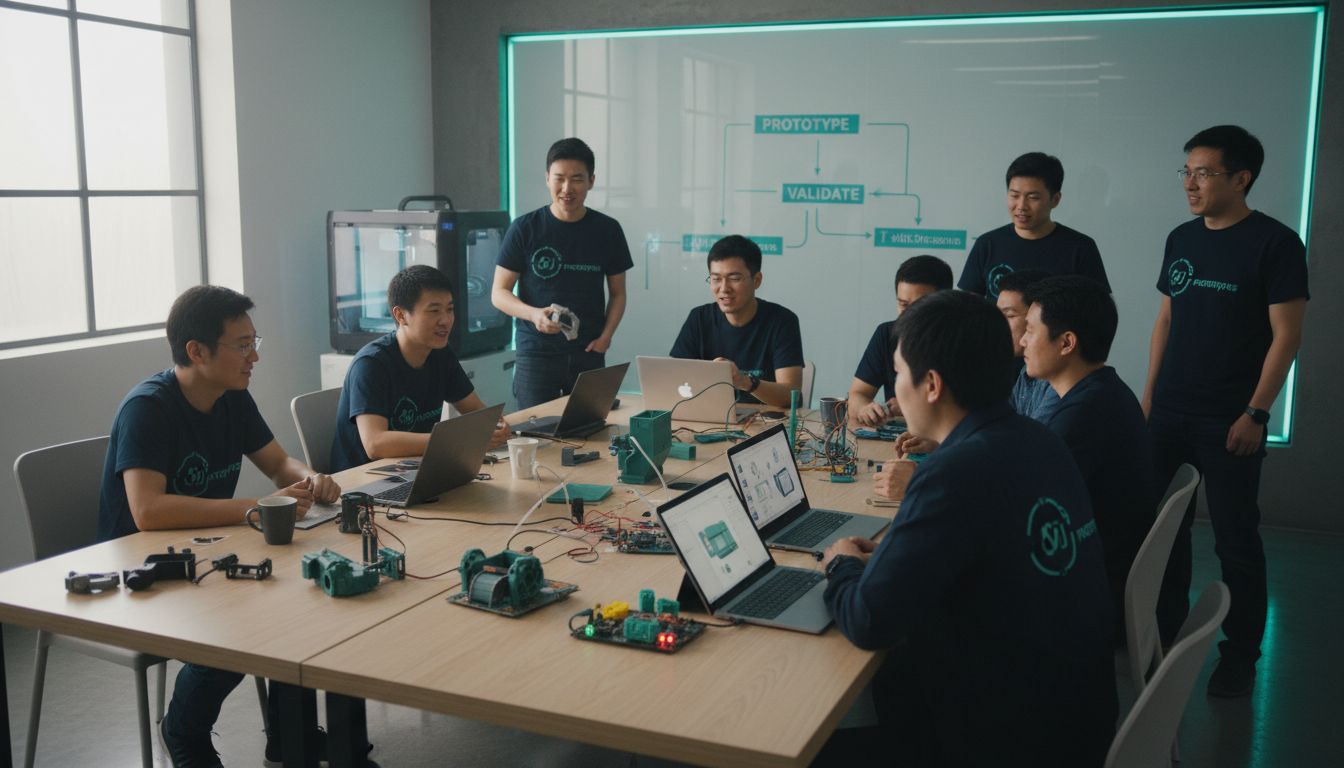
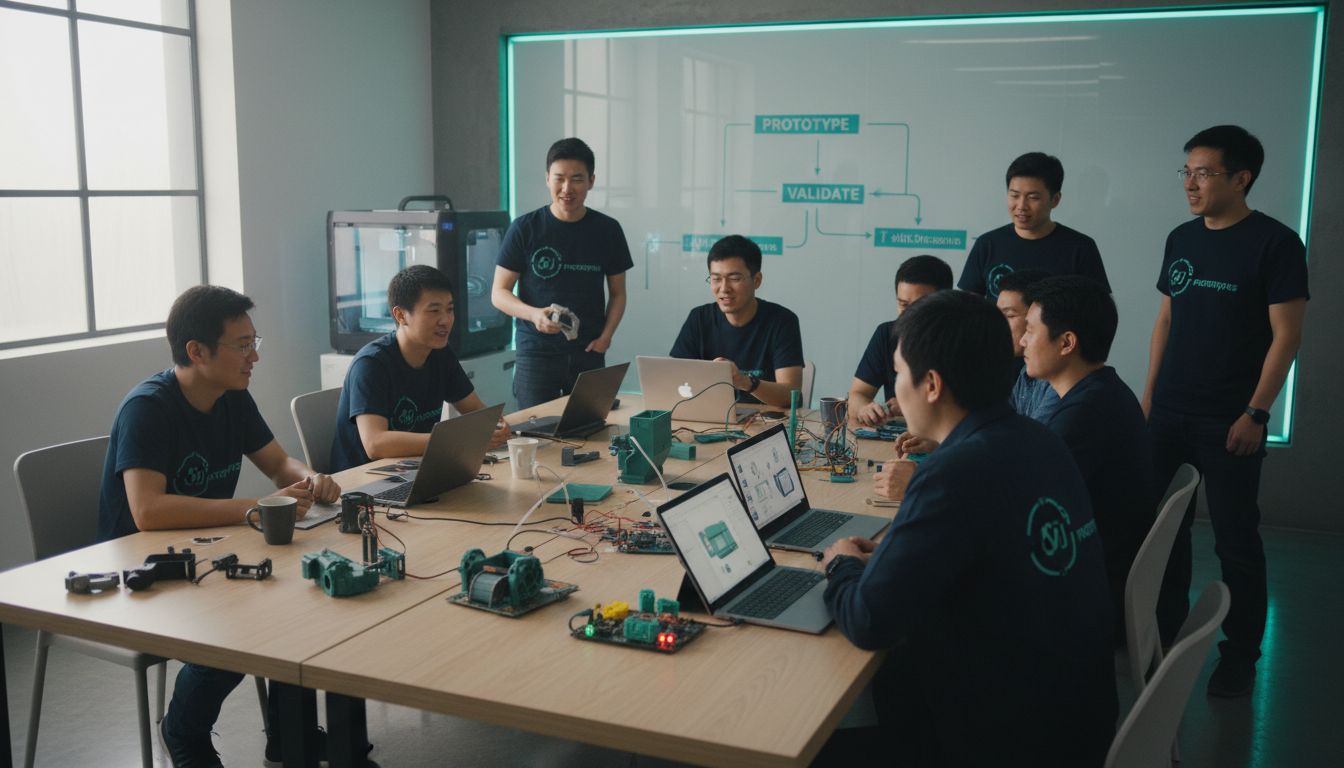
Most companies aiming to develop new products face a crucial decision long before full production begins. Investing in professional prototyping services can save up to 50% on final manufacturing costs, yet many teams struggle with translating ideas into practical, testable models. Understanding these services means not only reducing costly design errors but also gaining a competitive edge in bringing innovative solutions to market more efficiently and reliably.
| Point | Details |
|---|---|
| Importance of Prototyping | Professional prototyping services are crucial for validating design concepts and assessing manufacturing feasibility before full-scale production. |
| Technological Integration | Advanced technologies like additive manufacturing and digital prototyping techniques enhance the efficiency and precision of product development. |
| Cost and Time Efficiency | These services optimise development cycles and reduce financial risks by allowing thorough virtual testing before physical production. |
| Risk Mitigation | Engaging in professional prototyping helps organisations avoid costly design errors and improve product performance outcomes. |
Professional prototyping services represent a sophisticated process where engineering teams create precise, functional preliminary models of products to validate design concepts and assess manufacturing feasibility. These services transform abstract ideas into tangible representations that can be tested, evaluated, and refined before full-scale production. Exploring the role of prototyping in product development reveals the critical importance of these early-stage design iterations.
At their core, professional prototyping services involve constructing preliminary models that range from basic conceptual sketches to highly detailed, functional representations of proposed products. These services enable design teams to explore ideas, test functionality, and gather critical feedback through comprehensive rapid prototyping techniques. The objective is not merely to create a visual model, but to develop a strategic tool that helps organisations validate product concepts, identify potential design challenges, and mitigate risks before substantial financial investments are made.
The scope of professional prototyping encompasses multiple approaches and technologies, each tailored to specific design requirements and industry standards. These may include:
By leveraging advanced technologies and expert engineering insight, professional prototyping services transform abstract concepts into realistic, testable models that bridge the gap between imagination and practical implementation. The ultimate goal is to streamline product development, reduce potential design errors, and accelerate the journey from initial concept to market-ready solution.
Professional prototyping services leverage a comprehensive range of advanced technologies to transform product design concepts into tangible, testable models. Digital prototyping technologies provide engineering teams the ability to virtually explore and validate product designs before physical manufacturing begins, enabling sophisticated visual and functional representations across multiple industry sectors.
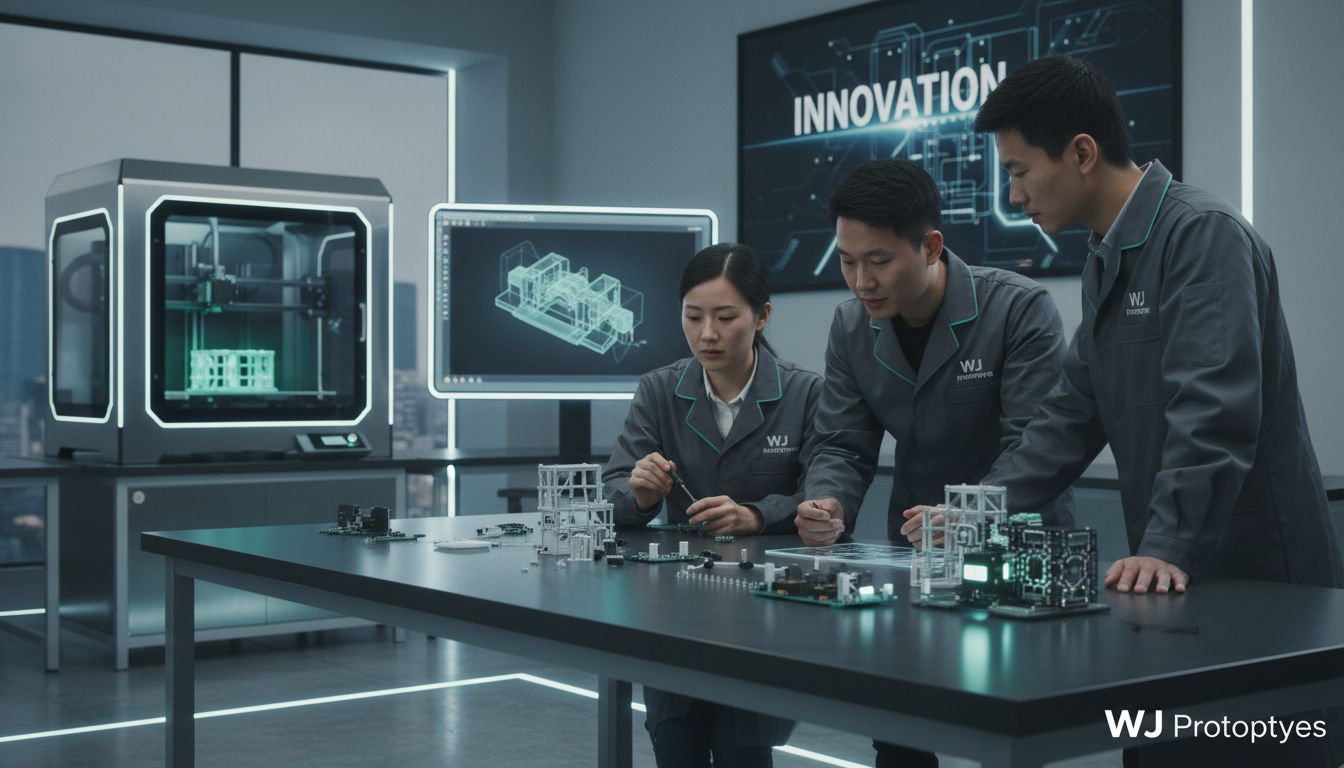
Virtual prototyping represents a critical technological approach where computer-aided design (CAD), computer-automated design, and computer-aided engineering software collaborate to simulate and validate design concepts. By utilising virtual prototyping techniques, designers can create detailed digital models that demonstrate product functionality, structural integrity, and performance characteristics without requiring immediate physical production.
The core technologies underpinning professional prototyping services typically encompass multiple sophisticated approaches:
These technologies enable organisations to reduce development cycles, minimise production risks, and accelerate innovation by providing flexible, cost-effective methods for transforming abstract ideas into realistic, functional prototypes. The strategic integration of these technologies allows design teams to explore multiple iterations rapidly, test complex design challenges, and refine product concepts with unprecedented precision and efficiency.
Professional prototyping services have revolutionised product development across diverse industrial sectors, enabling organisations to transform conceptual designs into tangible, functional models with unprecedented precision. Virtual product development technologies have emerged as a critical enabler, providing comprehensive digital environments for designing, simulating, and staging product concepts across multiple engineering disciplines.
Across various industries, prototyping services demonstrate remarkable versatility and transformative potential. Industrial 3D printing technologies have particularly enabled rapid innovation in sectors such as aerospace, automotive, medical device manufacturing, and advanced robotics. These technologies allow engineers to create intricate, high-precision components that would be challenging or impossible to manufacture through traditional production methods.
Key industry applications for professional prototyping services include:
The strategic implementation of professional prototyping services enables organisations to dramatically reduce development cycles, minimise financial risks, and accelerate innovation by providing a robust framework for exploring and refining complex engineering concepts before full-scale production. These technologies represent a transformative approach to product development, bridging the gap between conceptual design and market-ready solutions with unprecedented efficiency and precision.
Professional prototyping services represent a strategic approach to balancing quality, speed, and cost-effectiveness in product development. Digital prototyping techniques enable manufacturers to simulate and validate product performance digitally, dramatically reducing the number of physical prototypes required and minimising associated development expenses.
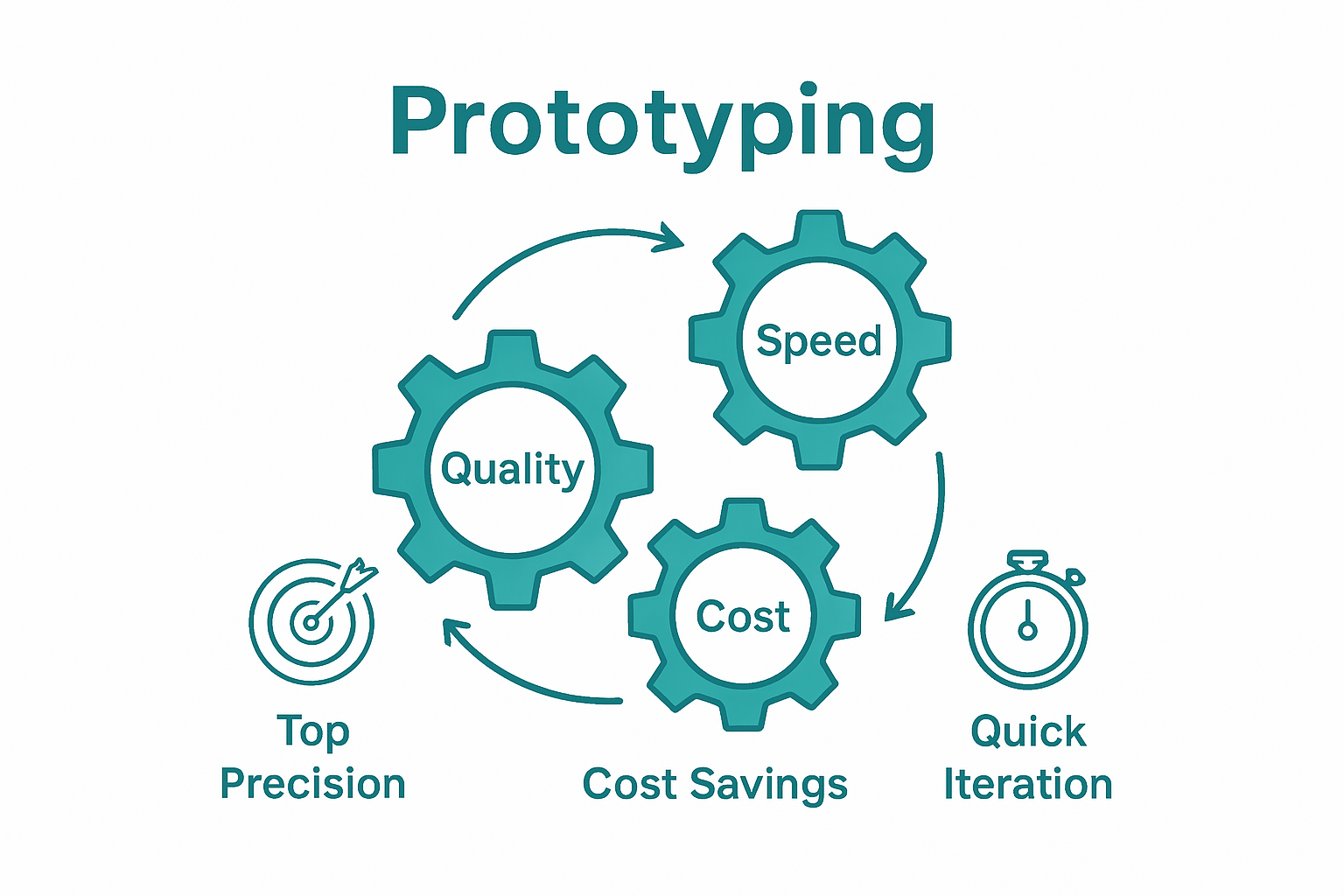
Cost optimisation emerges as a critical advantage of professional prototyping services. 3D printing cost considerations highlight the potential for significant financial savings through advanced manufacturing techniques. Virtual prototyping approaches allow organisations to conduct comprehensive performance testing and design validation before committing to expensive physical production, thereby mitigating financial risks and accelerating time-to-market.
Key considerations in evaluating prototyping services include:
By strategically leveraging professional prototyping services, organisations can achieve a delicate balance between maintaining exceptional product quality, accelerating development timelines, and managing overall production expenses. The ability to digitally simulate and test designs before physical production represents a transformative approach to modern engineering and product development.
Professional prototyping services present complex considerations when organisations evaluate internal versus external manufacturing capabilities. Rapid control prototyping methodologies demonstrate that sophisticated simulation techniques can mitigate traditional product development risks by enabling comprehensive system evaluations before full-scale production.
Historically, product design processes relied predominantly on engineers' intuitive judgement and limited physical testing. Virtual prototyping techniques have transformed this paradigm, allowing organisations to comprehensively evaluate product performance through advanced digital simulations, significantly reducing the likelihood of prototype iterations failing to meet critical performance expectations.
Key risks and challenges in prototyping include:
Comparing in-house prototyping capabilities against professional services requires nuanced evaluation of technological expertise, financial resources, and strategic organisational objectives. While internal development offers direct control, professional prototyping services provide specialised technologies, advanced engineering insights, and flexible scalability that can substantially accelerate product development cycles and reduce overall market entry timelines.
Understanding the challenges of balancing quality, speed, and cost in product design is critical. This article highlights the importance of using professional prototyping services to reduce risks, accelerate development, and achieve precise, functional prototypes through techniques like rapid prototyping and virtual simulation. If you are aiming to refine concepts, ensure material integrity, or test complex engineering ideas before production, expert support is essential.
At WJ Prototypes, we specialise in delivering high-quality, fast, and cost-effective prototyping solutions tailored to industries such as aerospace, automotive, and medical technology. Our range of advanced manufacturing technologies including SLA, SLS, and CNC machining complements the needs discussed in the article for functional and pre-production prototyping. Whether you need to explore multiple iterations swiftly or require precision components for testing, our ISO certified facilities and engineering expertise stand ready to support your innovation journey.
Ready to transform your concepts into market-ready products with confidence Visit WJ Prototypes and explore how our rapid prototyping services can help you mitigate risks, reduce time-to-market, and optimise costs. Don’t delay your project timeline; contact us today for an instant quote and take the first step towards accelerating your product development success.
Professional prototyping services involve creating precise, functional preliminary models of products to validate design concepts and assess manufacturing feasibility, transforming abstract ideas into tangible representations that can be tested and refined.
These services streamline product development by validating concepts, identifying potential design challenges, and mitigating risks before significant financial investments are made, ultimately accelerating the journey from initial concept to market-ready solutions.
Common technologies include additive manufacturing (3D printing), computer-aided design (CAD), rapid prototyping techniques, and reverse engineering, which together allow for flexible and cost-effective methods for developing prototypes.
Professional prototyping services are widely used in industries such as aerospace, automotive, medical technology, electronics, and robotics, enabling organisations to create high-precision components and rapidly innovate within their sectors.
SERVICES
RESOURCES