



- Room 1807, Unit 9, Building 2, Shangxing Commercial Street, Shangde Road, Shangxing Community, Xinqiao Subdistrict, Bao'an District, Shenzhen City, China
CONTACT US

WhatsApp


Contact Us
Our team is on stand by, waiting toassist you.

Videos
A large collection of educational videos and tutorials.

About Us
Learn about our company, leadership, and mission totransform manufacturing.

Privacy Policy
Applies to all personal information collected through and/or processed in connection.

Aerospace & UAV
WJ Prototypes is your 3D manufacturing partner from prototype to large scale production.

Consumer Electronics
New Product Introduction Solutions for Consumer Electronics.

Robotics & Automation
Need some assistance bringing your robotic device or parts from the sketch-board to reality?

Medical Devices
The medical industry needs high quality, dependable and safe parts and products.

Automotive
New Product Introduction Solutions for Automotive

Industrial Machinery
The main purpose of industrial prototyping is to take the product from drawings into the real world.


TL;DR:
- The product development process involves a structured sequence of stages from idea to market release, with each step building on the last. The Stage-Gate model improves decision-making by establishing evidence-based review points that determine whether to proceed, halt, or pause development. Effective teams align each phase with clear prototypes, thorough testing, and distinct specifications to avoid costly errors and ensure timely product launches.
The product development process steps are the structured sequence of stages that move an idea from concept to a market-ready product. Most teams follow a six-stage framework covering ideation, product definition, prototyping, design, validation and testing, and commercialization. Recognized models like Stage-Gate, design thinking, and Agile integration each map onto this sequence in different ways. Tools like Jira Product Discovery and UXPin help teams execute each phase with clarity. Understanding where each step begins and ends is what separates teams that ship on time from those that loop endlessly through revisions.
Product development is best understood as a structured workflow with distinct phases, each producing specific deliverables before the next begins. The sequence gives teams a shared language and a clear checkpoint system. Skipping steps does not save time. It creates expensive rework later.
The core stages are:
Each stage builds directly on the last. A weak product definition, for example, produces a prototype that solves the wrong problem. Teams that treat each stage as a genuine gate reduce late-stage surprises and control costs more effectively.
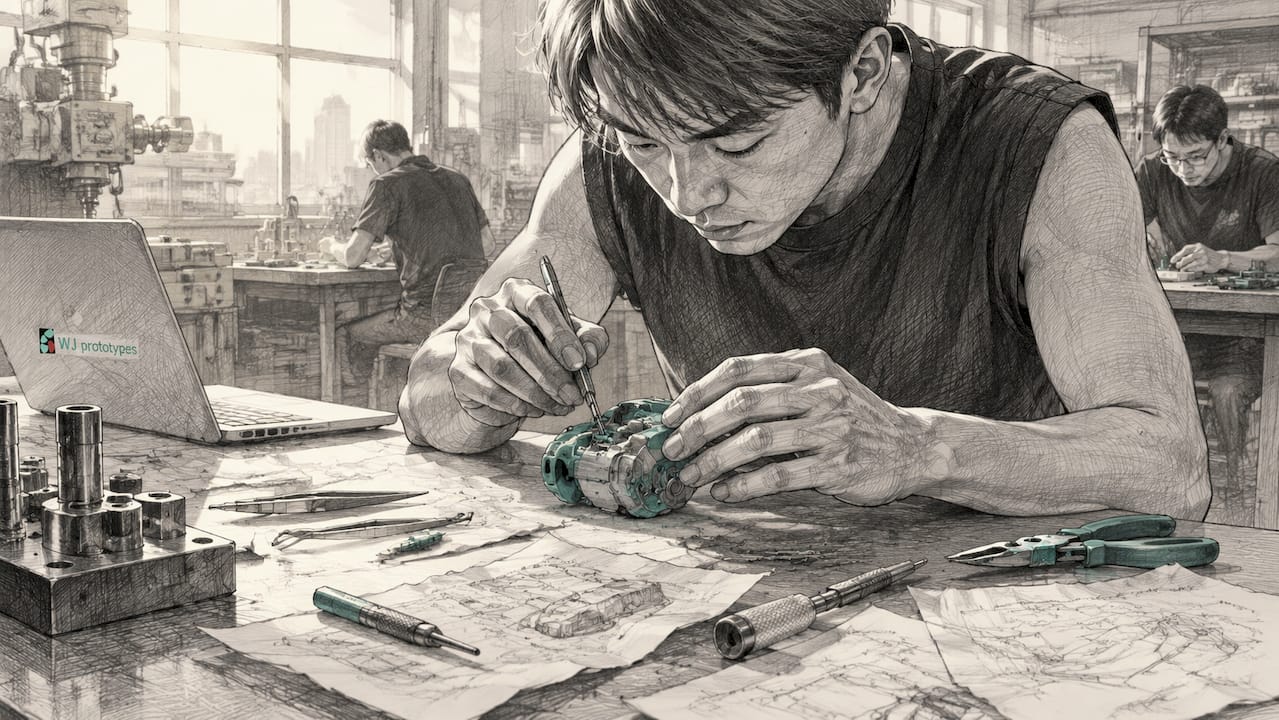
Stage-Gate is a governance framework that places formal decision points, called gates, between each stage of development. Gates are investment decisions, not status meetings. Each gate produces one of three outcomes: Go, Kill, or Hold. A Go commits resources to the next stage. A Kill stops the project. A Hold pauses it pending new information.
The main Stage-Gate phases and their gate deliverables are:
Phase-gate decisions require concrete evidence at each checkpoint. Teams that treat gates as rubber stamps consistently overspend on products that should have been killed earlier.
Pro Tip: Prepare a one-page gate brief for every review. It should state the evidence collected, the risks identified, and the resource ask for the next stage. Decision-makers approve faster when the ask is explicit.
The product design process is a focused sub-workflow within the broader development sequence. Design thinking frames five iterative steps: empathize, define, ideate, prototype, and test. These phases overlap. A team may return to empathize after testing reveals a misunderstood user need.
The five steps in practice:
Atlassian’s product design model emphasizes moving from research through to a finalized design ready for production launch planning and quality assurance. UXPin supports this workflow with tools for interactive prototyping and design handoff. Jira Product Discovery connects user insights directly to the product roadmap, keeping design decisions traceable.
The design process is not complete when testing ends. Finalizing design specifications and preparing for production is a distinct phase that follows testing. Treating manufacturability as a separate deliverable prevents late-stage engineering surprises.
Prototyping is the primary channel for learning in product development. A well-structured prototyping process reduces the cost of discovering problems by surfacing them before production tooling is committed. The fidelity of a prototype determines the quality of feedback it generates.
| Prototype type | Fidelity | Best used for |
|---|---|---|
| Paper sketch | Low | Early concept validation |
| Wireframe | Low to medium | User flow and layout testing |
| 3D printed model | Medium to high | Physical form and fit checks |
| CNC machined part | High | Functional and manufacturing validation |
| Interactive digital model | High | Usability and interaction testing |
Common testing methods product teams use:
Following prototype testing best practices means defining a clear test objective before building anything. Teams that prototype without a specific question to answer generate noise, not insight.
Pro Tip: Match prototype fidelity to the question you need answered. A paper sketch is enough to test a user flow. A CNC machined part is necessary to validate tolerances and assembly fit.
Commercialization is the stage where the product moves from development into the market. It covers manufacturing ramp-up, marketing execution, sales team enablement, and distribution setup. Most teams underestimate the coordination required at this stage. A product that passes testing can still fail at launch if the go-to-market plan is not ready.
Key commercialization activities include:
Post-launch evaluation is where most teams leave value on the table. A structured post-launch review compares actual performance against the original business case assumptions. It identifies which features drove adoption, which caused friction, and what the next iteration should address. Accountability shifts from the development team to product management at this point. The development team’s role becomes supporting identified issues, not owning the product’s ongoing performance.
A product roadmap is the planning document that connects each stage of development to a timeline, a resource plan, and a set of business outcomes. It is not a feature list. A roadmap answers three questions: what are we building, why are we building it, and when will each stage be complete.
Roadmaps serve different audiences. An executive roadmap shows investment gates and expected returns. A team roadmap shows sprint-level deliverables and dependencies. Both must stay synchronized. When they diverge, teams build features that do not align with the approved business case.
ProductPlan describes product planning as a sequence that runs from identifying a market need through opportunity quantification, product conception, validation, roadmap building, MVP development, release, and iteration. That sequence maps directly onto the six-stage development framework. Teams that build their roadmap before completing product definition often revise it multiple times. Completing the definition stage first produces a roadmap that holds.
Cross-functional alignment is the single biggest predictor of on-time product launches. Development teams that include engineering, design, marketing, and manufacturing from the start surface conflicts early. Teams that bring these functions in sequentially discover conflicts late, when changes are expensive.
Three practices that consistently improve outcomes:
Shared definition of done. Every stage should have a written list of criteria that must be met before the gate review. This removes ambiguity about when a stage is complete.
Prototype before committing to specs. Physical or digital prototypes expose assumptions that written specifications miss. Teams that follow a prototyping checklist before finalizing design specs reduce engineering change orders during production.
Decouple governance from delivery. Combining Stage-Gate governance with Agile delivery inside stages is the model that works. Gate reviews govern investment decisions. Agile sprints govern how work gets done within a stage. Confusing the two causes teams to either skip governance or slow down delivery unnecessarily.
The most effective product development process combines Stage-Gate governance at the portfolio level with Agile delivery inside each stage, anchored by clear prototyping and testing at every design checkpoint.
| Point | Details |
|---|---|
| Follow the six-stage sequence | Move through ideation, definition, prototyping, design, testing, and commercialization in order. |
| Treat gates as investment decisions | Each Stage-Gate review requires evidence and produces a Go, Kill, or Hold outcome. |
| Match prototype fidelity to the question | Low-fidelity prototypes test concepts; high-fidelity models validate manufacturing readiness. |
| Finalize specs as a separate step | Treating production specifications as a distinct deliverable prevents late-stage engineering issues. |
| Post-launch review closes the loop | Comparing actual results to the business case drives better decisions on the next product iteration. |
Product teams tend to rush toward prototyping before the product definition is solid. I have seen this pattern repeatedly. The team is energized, the deadline is real, and building something feels more productive than writing a problem statement. The result is a prototype that answers the wrong question.
The Stage-Gate model exists precisely to prevent this. Aligning stages to evidence types, whether that is market need, solution validation, or launch readiness, reduces wasted work and sharpens go/kill decisions. The teams I have seen execute this well treat the definition stage as the most important stage, not the most boring one.
The other mistake is treating Agile sprints as a substitute for governance. Agile is a delivery method. It tells you how to do the work inside a stage. It does not tell you whether the stage should be funded at all. Product development works best as two coupled flows: governance decisions at the gate level and iterative delivery inside each stage. When teams conflate the two, they either ship products that should have been killed or they stall good products in endless review cycles. Keep the flows separate and both work better.
— Yu
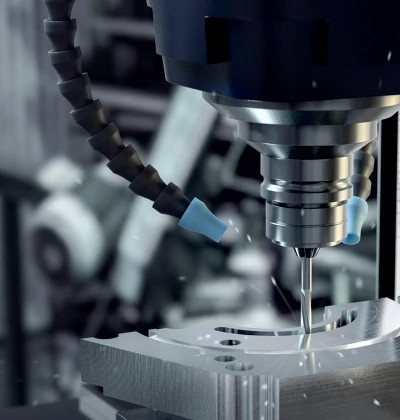
Physical prototypes are where product development theory meets manufacturing reality. Wjprototypes offers CNC machining services with fast turnaround for product teams that need high-precision parts at the design validation and pre-production stages. Whether you are testing fit and function on a mechanical assembly or validating tolerances before committing to production tooling, Wjprototypes’ engineering team handles the manufacturing side. The company is ISO certified and ships globally. Teams can get an instant quote online and review the full range of CNC machining materials to select the right option for each prototype stage.
The six stages are ideation, product definition, prototyping, design, validation and testing, and commercialization. Each stage produces specific deliverables before the next begins.
Stage-Gate is a governance framework that places formal decision gates between development stages. Each gate produces a Go, Kill, or Hold decision based on evidence collected during the preceding stage.
Design thinking maps five iterative steps onto the design phase: empathize, define, ideate, prototype, and test. The phases overlap and teams cycle back based on user feedback.
Prototyping surfaces design flaws before production tooling is committed. Higher-fidelity prototypes, such as CNC machined parts, validate functional performance and manufacturing tolerances directly.
A product roadmap should be built after the product definition stage is complete. Building it earlier, before the problem and success criteria are clear, produces a roadmap that requires frequent revision.
SERVICES
RESOURCES