



- Room 1807, Unit 9, Building 2, Shangxing Commercial Street, Shangde Road, Shangxing Community, Xinqiao Subdistrict, Bao'an District, Shenzhen City, China
CONTACT US

WhatsApp


Contact Us
Our team is on stand by, waiting toassist you.

Videos
A large collection of educational videos and tutorials.

About Us
Learn about our company, leadership, and mission totransform manufacturing.

Privacy Policy
Applies to all personal information collected through and/or processed in connection.
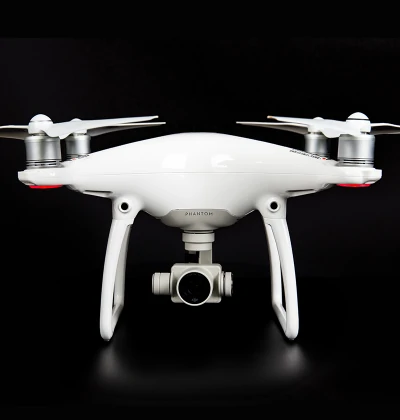

Aerospace & UAV
WJ Prototypes is your 3D manufacturing partner from prototype to large scale production.

Consumer Electronics
New Product Introduction Solutions for Consumer Electronics.

Robotics & Automation
Need some assistance bringing your robotic device or parts from the sketch-board to reality?

Medical Devices
The medical industry needs high quality, dependable and safe parts and products.

Automotive
New Product Introduction Solutions for Automotive

Industrial Machinery
The main purpose of industrial prototyping is to take the product from drawings into the real world.


TL;DR:
Protecting intellectual property in China requires registering rights locally, signing a China-specific NNN agreement, and applying technical controls to prevent unauthorized data access. Failing to follow these steps exposes designs to risks that legal action alone cannot fix, making early registration and strict file sharing essential. Strong IP protection in China depends on proactive registration, enforceable agreements, and secure data handling from the start of any project.
Intellectual property protection in China is defined by a first-to-file system, meaning the first party to register a trademark or patent in China owns it there, regardless of who created it. Protecting your IP in China requires three parallel tracks: registering rights locally with the China National Intellectual Property Administration (CNIPA), signing a China-specific NNN agreement before sharing any design files, and applying technical controls that prevent unauthorized access to your CAD data. China's 2026 IP enforcement improvements target advanced technology sectors with stronger judicial protections, but those protections only apply if you have already registered and documented your rights. Teams that skip any one of these tracks expose their designs to risks that legal action alone cannot fix.
China's first-to-file principle is the single most important fact for any design team working with Chinese manufacturers. A trademark or patent registered in your home country gives you no rights in China. You must file directly with CNIPA, and you must do it before a competitor or a bad-faith actor does it first.
The most practical approach is to build a layered IP portfolio covering trademarks, design patents, and utility model patents.
The total cost of a basic IP portfolio, covering one trademark class, one design patent, and copyright registration, typically runs $3,600–$14,000. That figure sounds significant, but it is a fraction of the cost of litigation or lost market share from a copied product.
Pro Tip: File your trademark application in China before you sign any manufacturing agreements or share any design files. The 6–12 month processing window means you should file on day one of your China strategy, not after you have already started production.
One underused tactic is registering your trademark in multiple Nice Classification classes. If your product spans electronics and consumer goods, file in both. A single-class registration leaves adjacent categories open for squatters.
Explore competitive Rapid Prototyping Services with expert support from WJ Prototypes.
Whether you're comparing suppliers or looking to optimize costs, our team can help you evaluate the best option for your project.
👉 Request A Quote now or email us at info@wjprototypes.com to get started.
A standard US-style NDA is not enforceable in China. Chinese courts require agreements written in Mandarin, governed by Chinese law, and filed in a Chinese jurisdiction. The document you need is an NNN agreement, which stands for Non-Disclosure, Non-Use, and Non-Circumvention.
The three clauses each serve a distinct purpose. Non-Disclosure prevents the factory from sharing your files with third parties. Non-Use prevents them from using your designs to produce goods for themselves or others. Non-Circumvention prevents them from going around you to reach your customers or suppliers directly.
Beyond the three core clauses, a China-enforceable NNN agreement must include:
Drafting costs run $500–$2,000 for a qualified China-focused attorney. Sign the agreement before sharing any design files, even preliminary sketches. The moment you send a file without a signed NNN, you lose your primary enforcement tool.
Pro Tip: Request the factory's business license and verify the signatory's authority to bind the company before signing. An agreement signed by an unauthorized employee is void under Chinese contract law.
The most common and costly mistake design teams make is sharing native CAD files too early. Native STEP or IGES files shared before legal protections are in place allow any recipient to replicate your design with no modification required. The fix is simple: share only PDFs or locked 3D previews for initial quotes.
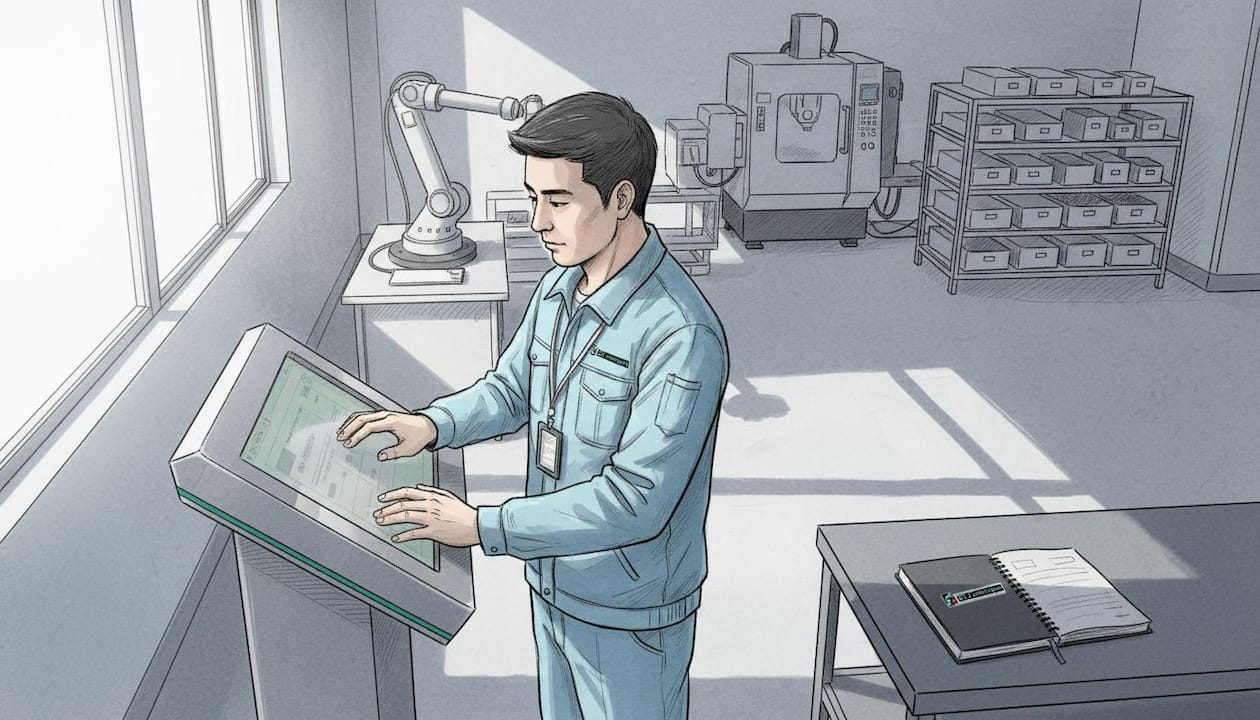
Native CAD files also contain hidden metadata, including user names, file paths, and internal comments. Sanitize files using Pack and Go tools and validate the output on a clean machine before sending. This step takes 15 minutes and removes data that could reveal your internal methods or software environment.
For file transfer itself, avoid email and consumer messaging apps. Use a secure virtual data room with role-based access control, so each recipient sees only the files relevant to their task. The data room should generate an audit trail showing who accessed which file and when. That log becomes evidence if you ever need to prove a breach.
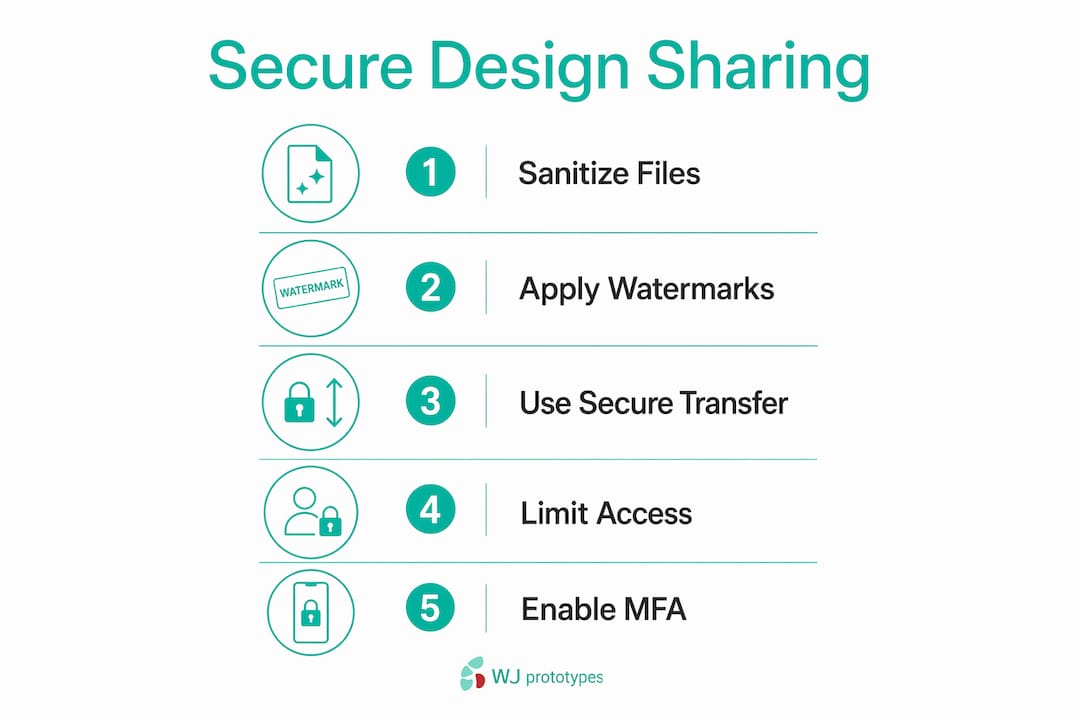
Apply digital watermarks to every document you share. A watermark containing the recipient's name and the date of disclosure creates a direct link between a leaked file and the party responsible. Combine watermarking with file-level encryption so that files cannot be opened outside the authorized environment.
For teams managing CAD file preparation before sending to a Chinese manufacturer, the sequence is: sanitize, watermark, encrypt, then transfer through the data room. Never reverse that order.
Identity-based, layered security using multi-factor authentication (MFA), role-based access control, and encryption is more effective than perimeter-only defenses. Where possible, use virtual desktop infrastructure (VDI) to keep design data off local devices entirely. This approach is especially relevant for distributed teams where engineers in multiple countries access the same files.
Legal and technical controls protect your files before and during sharing. Operational controls protect your physical tooling and limit how much of your design any single supplier ever sees.
A mold ownership agreement is not optional. Without one, legal title to tooling may default to the mold designer under Chinese law, regardless of who paid for it. The agreement must specify:
Vet every factory before signing any agreement. Factories with ISO 13485 or IATF 16949 certifications demonstrate document control maturity, which correlates with lower IP risk. Search China Judgements Online to check for past IP disputes or contract violations. Request references from Western clients and call them directly.
During the physical site visit, check for locked server rooms, badge-access manufacturing floors, and a clear policy on personal devices in production areas. A factory that allows workers to photograph production lines with personal phones is a factory that cannot protect your designs.
No single supplier should receive your complete design. Split component manufacturing across two or more factories so that each supplier can only reverse-engineer a partial assembly. This tactic is standard practice in aerospace and medical device manufacturing, and it applies equally to consumer electronics and industrial equipment.
Include unannounced audit rights in every manufacturing contract. Scheduled audits are useful, but unannounced visits reveal actual practices. For teams sourcing through China, the injection molding sourcing process involves multiple supplier touchpoints where segmentation decisions must be made early.
Protecting IP in China requires registering rights locally with CNIPA, signing a China-specific NNN agreement before any file disclosure, and applying layered technical and operational controls to prevent design theft.
| Point | Details |
|---|---|
| Register IP in China first | File trademarks and patents with CNIPA before sharing any design files or signing manufacturing agreements. |
| Use a China-specific NNN agreement | Draft in Mandarin, name authorized individuals, and specify liquidated damages in RMB for enforceability. |
| Share PDFs before native files | Send locked previews for initial quotes; release native CAD files only after legal protections are signed. |
| Sanitize files before transfer | Remove metadata using Pack and Go tools and apply digital watermarks before sending any design document. |
| Segment your supply chain | Split component manufacturing across multiple suppliers so no single factory sees your complete design. |
The pattern I see most often is this: a design team spends 18 months developing a product, then sends a native STEP file to three Chinese factories for competitive quotes before signing anything. Six months later, a near-identical product appears on a wholesale platform. By that point, there is no NNN agreement to enforce, no Chinese trademark to assert, and no audit trail showing who received the file.
The most common IP mistake is treating protection as an afterthought. Teams focus on speed to market and assume legal protections can be added later. They cannot. The first-to-file system means that "later" is often too late.
What actually works is treating security as identity-based rather than perimeter-based. The question is not "is our network secure?" It is "who has access to this specific file, and what can they do with it?" That shift in thinking changes how you structure data rooms, how you draft NNN clauses, and how you vet factory personnel.
China's 2026 judicial improvements in IP enforcement are real and meaningful, particularly for high-tech product owners. The Supreme People's Court and CNIPA are targeting integrated circuits, biomanufacturing, and high-end equipment with stronger protections. But those improvements only help you if you have already done the registration and documentation work. Courts cannot protect rights you never registered.
The teams that succeed treat IP protection as a product launch requirement, not a legal formality. They file with CNIPA on day one, sign NNN agreements before the first factory conversation, and share files through controlled systems with full audit trails. That discipline is what separates companies that scale in China from companies that fund their competitors' product lines.
— Nas
Design teams working with Chinese manufacturers need a partner that understands both precision manufacturing and the sensitivity of proprietary design data. WJ Prototypes is an ISO-certified manufacturer based in China offering sheet metal fabrication and CNC machining for complex prototypes across aerospace, medical, and industrial sectors.
WJ Prototypes works with IP-sensitive projects and applies controlled file handling practices throughout the quoting and production process. Whether you need a single prototype or a low-volume production run, the team can discuss your specific security requirements before any files change hands. Request a quote directly through the WJ Prototypes platform and specify your IP protection needs from the first conversation. For teams evaluating sheet metal material options for their next prototype, WJ Prototypes lists its full material catalog with no quote required.
Explore competitive Rapid Prototyping Services with expert support from WJ Prototypes.
Whether you're comparing suppliers or looking to optimize costs, our team can help you evaluate the best option for your project.
👉 Request A Quote now or email us at info@wjprototypes.com to get started.
China's first-to-file system means the first party to register a trademark or patent with CNIPA owns those rights in China, regardless of who originally created the IP. Foreign companies must register directly in China to have enforceable rights there.
A China NNN agreement covers Non-Disclosure, Non-Use, and Non-Circumvention, must be written in Mandarin, governed by Chinese law, and must name specific authorized individuals and specify liquidated damages in RMB to be enforceable in Chinese courts.
Share native CAD files only after a signed NNN agreement is in place. For initial quotes, send PDF drawings or locked 3D previews to prevent replication before legal protections are established.
ISO 13485 and IATF 16949 certifications indicate strong document control practices, which correlate with lower IP risk. Also search China Judgements Online to check for past IP disputes before signing any agreement.
Yes, but only if registration and documentation steps are already complete. The 2026 Supreme People's Court and CNIPA initiatives strengthen judicial protections for high-tech sectors, but courts cannot enforce rights that were never registered with CNIPA.
Top-Rated Rapid Prototyping in China | Cut Costs & Speed Development
Why Prototyping in China Drives Down Costs for Manufacturers
Industrial Prototyping in China | Boost Faster Product Launches
Cost-Effective Prototyping in China | Guide for UK Manufacturers & Engineers
Explore competitive Rapid Prototyping Services with expert support from WJ Prototypes.
Whether you're comparing suppliers or looking to optimize costs, our team can help you evaluate the best option for your project.
👉 Request A Quote now or email us at info@wjprototypes.com to get started.
SERVICES
RESOURCES