



- Room 1807, Unit 9, Building 2, Shangxing Commercial Street, Shangde Road, Shangxing Community, Xinqiao Subdistrict, Bao'an District, Shenzhen City, China
CONTACT US

WhatsApp


Contact Us
Our team is on stand by, waiting toassist you.

Videos
A large collection of educational videos and tutorials.

About Us
Learn about our company, leadership, and mission totransform manufacturing.

Privacy Policy
Applies to all personal information collected through and/or processed in connection.
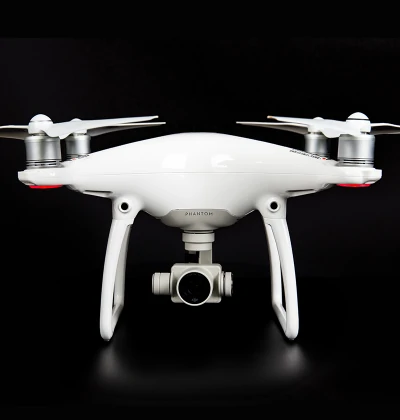

Aerospace & UAV
WJ Prototypes is your 3D manufacturing partner from prototype to large scale production.

Consumer Electronics
New Product Introduction Solutions for Consumer Electronics.

Robotics & Automation
Need some assistance bringing your robotic device or parts from the sketch-board to reality?

Medical Devices
The medical industry needs high quality, dependable and safe parts and products.

Automotive
New Product Introduction Solutions for Automotive

Industrial Machinery
The main purpose of industrial prototyping is to take the product from drawings into the real world.


Choosing the right 3D printing technology for engineering applications can feel overwhelming, especially when precision and mechanical performance are on the line. Each method has its own strengths and limitations that impact everything from detail resolution to material capabilities. If you want reliable prototypes or functional parts, understanding these differences is crucial.
This guide will break down the most advanced additive manufacturing methods, highlighting how they tackle real engineering challenges. Get ready to discover which technologies deliver the accuracy, speed, and versatility you need—so you can make informed decisions for your next project.
| Takeaway | Explanation |
|---|---|
| 1. SLA achieves extraordinary precision | Stereolithography can create prototypes with tolerances as tight as 0.1mm, making it ideal for complex engineering needs. |
| 2. SLS offers design freedom without supports | Selective Laser Sintering allows for internal structures and eliminates the need for support materials, enhancing design capabilities. |
| 3. MJF enhances production speed and quality | Multi Jet Fusion provides rapid production rates and superior surface quality, making it ideal for high-performance applications. |
| 4. DMLS produces high-strength metal components | Direct Metal Laser Sintering creates dense, complex metal parts, combining traditional manufacturing quality with design flexibility. |
| 5. Hybrid manufacturing combines advanced techniques | Hybrid Additive Manufacturing merges various techniques for improved performance and reduced complexity in engineered components. |
Stereolithography represents the gold standard in high-precision 3D printing technologies, enabling engineers to create intricate prototypes with extraordinary dimensional accuracy. This advanced additive manufacturing process uses ultraviolet lasers to transform liquid photopolymer resin into solid three-dimensional objects layer by layer.
At its core, SLA printing works through a fascinating photochemical process where liquid resin transforms into hardened plastic when exposed to specific wavelengths of light. The precision is remarkable: SLA 3D printing can achieve tolerances as tight as 0.1mm, making it ideal for complex engineering applications.
Key advantages of SLA technology include:
SLA technology bridges the gap between digital design and physical reality with unprecedented precision.
Engineers across aerospace, automotive, and medical device industries leverage SLA for creating:
Optical resolution and laser precision are what truly set SLA apart from other 3D printing methods. By using pinpoint laser technology, manufacturers can produce parts with microscopic detail that traditional manufacturing techniques cannot achieve.
Pro tip: Always select a photopolymer resin matched to your specific prototype requirements to maximize dimensional stability and mechanical performance.
Selective Laser Sintering represents a revolutionary additive manufacturing technique that transforms powdered materials into complex functional parts through precise thermal processing. SLS printing enables engineers to create robust three-dimensional components with exceptional mechanical properties.
At its fundamental level, SLS operates by using a high-powered laser to selectively fuse powdered materials like nylon or polyamide into solid structures. The laser systematically traces each cross-section, melting and consolidating powder particles to create intricate geometries with remarkable structural integrity.
Key advantages of SLS technology include:
SLS technology transforms digital designs into functional parts with unparalleled geometric complexity.
Engineering applications for SLS span multiple industries:
Thermal fusion precision distinguishes SLS from other additive manufacturing methods. By controlling laser energy and scanning patterns, manufacturers can create parts with exceptional mechanical performance and intricate design capabilities.
Pro tip: Select powder materials with mechanical properties that closely match your final part requirements to maximize performance and reduce post-processing needs.
Multi Jet Fusion represents a cutting-edge 3D printing technology that enables unprecedented speed and precision in manufacturing functional parts. Additive manufacturing processes have evolved dramatically, with MJF emerging as a breakthrough technique for high-performance industrial production.
Unlike traditional 3D printing methods, MJF uses a sophisticated thermal printing process where a print head applies binding agents and detailing agents across a powdered material bed. These agents are then selectively fused using infrared heating, creating parts with exceptional dimensional accuracy and mechanical consistency.
Key advantages of Multi Jet Fusion include:
MJF technology transforms digital designs into functional parts with remarkable efficiency and precision.
Primary industrial applications for MJF span multiple sectors:
Thermal fusion precision distinguishes MJF from alternative manufacturing methods. By controlling thermal energy and material distribution, engineers can create parts with intricate internal structures and exceptional mechanical performance.
Pro tip: Optimize your MJF part design by minimizing unnecessary geometric complexity and considering material shrinkage during the thermal fusion process.
Direct Metal Laser Sintering represents a revolutionary additive manufacturing technique that transforms powdered metal into complex, high-precision components through advanced thermal processing. Aerospace engineers utilize advanced prototyping methods to create intricate metal parts with unprecedented geometric complexity.
At its core, DMLS operates by using a powerful laser to selectively melt and fuse metallic powder particles layer by layer. The laser traces each cross-section with pinpoint accuracy, creating fully dense metal components that match traditional manufacturing quality while offering superior design flexibility.
Key advantages of DMLS technology include:
DMLS technology bridges the gap between digital design and functional metal components with unprecedented precision.
Critical industrial applications for DMLS span multiple high-performance sectors:
Metal fusion precision distinguishes DMLS from alternative manufacturing techniques. By controlling laser energy and material distribution, engineers can create parts with intricate internal structures and exceptional mechanical performance.
Pro tip: Optimize your DMLS part design by minimizing overhanging features and considering thermal stress distribution during the laser sintering process.
Fused Deposition Modeling represents a versatile and widely adopted 3D printing technology that transforms industrial prototyping and manufacturing processes. Additive manufacturing processes have revolutionized how engineers approach component development and rapid prototyping.
At its fundamental level, FDM operates by extruding thermoplastic filament through a heated nozzle, systematically depositing molten material layer by layer to create three-dimensional objects. This method allows engineers to transform digital designs into functional prototypes with remarkable precision and efficiency.
Key advantages of FDM technology include:
FDM technology bridges conceptual design and physical reality with unprecedented accessibility.
Critical industrial applications for FDM span multiple sectors:
Thermal extrusion precision distinguishes FDM from alternative manufacturing techniques. By carefully controlling material flow and temperature, engineers can create parts with intricate internal structures and consistent mechanical performance.
Pro tip: Select thermoplastic filaments that match your specific prototype requirements, considering mechanical stress, temperature resistance, and desired surface finish.
Binder Jetting represents an innovative 3D printing technology capable of creating intricate metal and ceramic components with exceptional geometric complexity. 3D printing technologies offer unique advantages for engineers seeking advanced manufacturing solutions.
Unlike traditional manufacturing methods, Binder Jetting works by selectively depositing a liquid binding agent onto a powdered material bed, creating layers that gradually transform into fully formed three-dimensional objects. This process enables the production of parts with complex internal structures and precise external geometries that would be impossible using conventional machining techniques.
Key advantages of Binder Jetting technology include:
Binder Jetting bridges the gap between digital design and physical manufacturing with unprecedented geometric freedom.
Critical industrial applications for Binder Jetting span multiple advanced sectors:
Powder bed precision distinguishes Binder Jetting from alternative manufacturing techniques. By controlling binding agent distribution and powder layer characteristics, engineers can create components with exceptional dimensional accuracy.
Pro tip: Optimize your Binder Jetting designs by minimizing overhanging features and considering powder particle size to ensure optimal part density and surface finish.
Hybrid Additive Manufacturing represents a revolutionary approach that combines multiple manufacturing technologies to create components with unprecedented complexity and performance. Additive manufacturing processes are transforming how engineers conceptualize and produce advanced mechanical systems.
This sophisticated technique integrates different 3D printing methodologies and traditional manufacturing processes within a single production workflow. By seamlessly combining technologies like laser sintering, electron beam melting, and computer numerical control machining, hybrid systems can produce parts with intricate geometries and superior material properties.
Key advantages of Hybrid Additive Manufacturing include:
Hybrid Additive Manufacturing breaks traditional manufacturing limitations by merging digital design with advanced material science.
Critical industrial applications for Hybrid Additive Manufacturing span multiple high-performance sectors:
Manufacturing process integration distinguishes Hybrid Additive Manufacturing from conventional production techniques. By strategically combining different technological approaches, engineers can create components with optimized performance characteristics.
Pro tip: Develop comprehensive digital models that account for material transitions and thermal characteristics when designing components using hybrid manufacturing approaches.
Below is a comprehensive table summarizing the key 3D printing technologies and their unique attributes discussed throughout the article.
| 3D Printing Technology | Key Features | Applications | Pro Tips |
|---|---|---|---|
| Stereolithography (SLA) | Ultraviolet laser solidifies liquid photopolymer resin for high-precision parts. | Aerospace prototypes, detailed models, surgical guides. | Select resin to match stability and performance needs. |
| Selective Laser Sintering (SLS) | High-powered laser fuses powdered materials into robust parts. | Structural aerospace components, medical devices. | Use suitable powder for performance and reduce post-processing. |
| Multi Jet Fusion (MJF) | Thermal printing combines binding agents with infrared fusing for rapid production. | Automotive prototypes, aerospace parts. | Minimize complexities and account for material shrinkage. |
| Direct Metal Laser Sintering (DMLS) | Laser selectively melts metallic powder for dense metal components. | Advanced metal implants, high-stress engineering prototypes. | Design with attention to overhang and thermal stress. |
| Fused Deposition Modeling (FDM) | Thermoplastic filament is deposited layer by layer. | Automotive prototyping, consumer products. | Match filament properties to mechanical and finishing needs. |
| Binder Jetting | Deposits liquid binders onto powders to form intricate geometries. | Tooling fixtures, medical implants. | Optimize powder particle size for density and finish. |
| Hybrid Additive Manufacturing | Combines additive and subtractive methods in advanced workflows. | Precision robotics, complex automotive parts. | Consider transitions and material characteristics in designs. |
The article “7 Key Examples of 3D Printing Technologies Explained” highlights the critical challenges engineers face achieving high precision, complex geometries, and rapid production in prototyping and manufacturing. From mastering SLA for microscopic detail to leveraging DMLS metal parts or the speed of Multi Jet Fusion, the demand for versatile, reliable additive manufacturing is clear. If your goal is exceptional surface finish, robust functional parts, or innovative hybrid manufacturing, your project deserves a partner with expertise across these technologies.
At WJ Prototypes, we specialize in delivering tailored 3D printing services including SLA, SLS, MJF, and DMLS backed by experience in aerospace, automotive, medical, and electronics industries. We understand the importance of optimizing material choices, dimensional stability, and design flexibility mentioned throughout the article, ensuring your prototypes and small-volume runs meet demanding specifications with quick turnaround. Explore how our comprehensive suite of additive manufacturing can accelerate your product development while cutting costs on excess post-processing.
Ready to move from concept to high-performance prototype using industry-leading 3D printing technologies Learn more about our capabilities and get an instant quote at WJ Prototypes. Don’t let production bottlenecks slow innovation Start your project now and experience precision manufacturing designed around your unique engineering needs.
Stereolithography (SLA) is a 3D printing technology that uses ultraviolet lasers to convert liquid photopolymer resin into solid objects with high precision. Engineers can use SLA for creating intricate mechanical prototypes and detailed architectural models. Consider using SLA for projects requiring exceptional dimensional accuracy within tight tolerances, typically around 0.1mm.
Selective Laser Sintering (SLS) utilizes a high-powered laser to fuse powdered materials into solid structures, allowing for complex internal geometries without needing support structures. Use SLS when you need parts with high strength-to-weight ratios, especially for applications in aerospace and automotive industries, significantly reducing post-processing needs.
Multi Jet Fusion (MJF) is ideal for rapid production of functional parts with superior surface quality and mechanical properties. Use MJF for projects in automotive and aerospace sectors where quick turnaround and detailed production are essential, achieving short production times significantly compared to other methods.
Direct Metal Laser Sintering (DMLS) excels in producing complex metal components with high precision by selectively melting metallic powders. Consider employing DMLS for applications in aerospace and advanced medical implants, where functionality and material density are critical for performance under stress.
Binder Jetting is a versatile technology that allows for creating intricate metal and ceramic components by depositing a binding agent onto a powdered bed. Use Binder Jetting to develop parts with complex internal structures and external geometries for aerospace or medical applications, optimizing designs for reduced thermal processing needs.
Hybrid Additive Manufacturing combines multiple manufacturing technologies, enabling the production of complex components with enhanced material properties. Leverage this approach for demanding applications in aerospace and advanced engineering, where optimizing mechanical strength and design flexibility can lead to significant performance improvements.
SERVICES
RESOURCES