



- Room 1807, Unit 9, Building 2, Shangxing Commercial Street, Shangde Road, Shangxing Community, Xinqiao Subdistrict, Bao'an District, Shenzhen City, China
CONTACT US

WhatsApp


Contact Us
Our team is on stand by, waiting toassist you.

Videos
A large collection of educational videos and tutorials.

About Us
Learn about our company, leadership, and mission totransform manufacturing.

Privacy Policy
Applies to all personal information collected through and/or processed in connection.
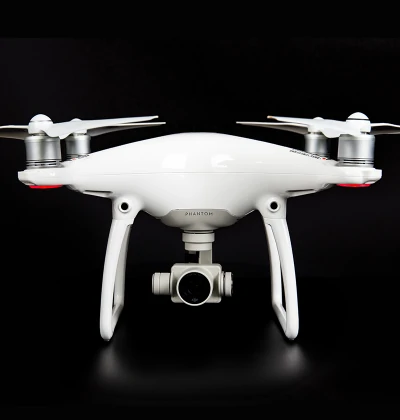

Aerospace & UAV
WJ Prototypes is your 3D manufacturing partner from prototype to large scale production.

Consumer Electronics
New Product Introduction Solutions for Consumer Electronics.

Robotics & Automation
Need some assistance bringing your robotic device or parts from the sketch-board to reality?

Medical Devices
The medical industry needs high quality, dependable and safe parts and products.

Automotive
New Product Introduction Solutions for Automotive

Industrial Machinery
The main purpose of industrial prototyping is to take the product from drawings into the real world.


Inefficient prototype design creates costly delays and derails product launches in aerospace, automotive, and medical sectors. Choosing the wrong method or material leads to expensive failures and wasted engineering hours. This guide delivers a clear, step-by-step process to design prototypes that accelerate development, reduce costs, and ensure your product reaches market faster with fewer iterations.
| Point | Details |
|---|---|
| Method selection matters | Choosing the right prototyping approach reduces failure risk and controls costs effectively. |
| 3D printing accelerates development | Additive manufacturing shortens lead times from weeks to days for faster iteration cycles. |
| Material choice drives performance | Materials like thermoplastic polyurethane (TPU) deliver flexibility and impact resistance for functional testing. |
| Expert guidance optimizes results | Skilled professionals eliminate process complexity and ensure efficient rapid prototyping execution. |
| Fast iteration cuts rework costs | Early defect detection through rapid cycles prevents expensive late-stage design changes. |
Prototype design demands careful planning to avoid common pitfalls that drain budgets and extend timelines. Lack of skilled expertise and process complexity remain major obstacles for engineering teams attempting rapid prototyping. Many organizations struggle to match manufacturing methods with specific design requirements, leading to costly failures and premature breakdowns.
Successful prototyping starts with understanding your project constraints and technical requirements. Consider these critical factors before starting:
Teams that skip thorough preparation face repeated design revisions and manufacturing delays. Understanding these challenges upfront enables smarter decisions about choosing prototyping services and manufacturing approaches.
“The key to successful rapid prototyping lies in matching your technical requirements with the right manufacturing process from the start.”
Preparing properly means evaluating multiple prototyping methods against your specific needs. Aerospace components demand different considerations than automotive or medical parts. Each sector requires specialized knowledge about material behavior, stress testing, and regulatory compliance. Investing time in upfront planning prevents expensive mistakes during production and reduces overall development cycles.
Selecting appropriate materials and tools directly impacts prototype quality and development speed. Modern prototyping relies on advanced materials that simulate real-world performance conditions. Thermoplastic polyurethane delivers superior impact resistance, flexibility, and noise-damping properties essential for functional testing in demanding applications.

Material selection varies significantly across industries based on specific performance requirements:
| Material Type | Key Properties | Common Applications |
|---|---|---|
| TPU | Impact resistance, flexibility | Automotive seals, medical devices |
| ABS | Strength, heat resistance | Housings, structural components |
| Nylon | Wear resistance, durability | Mechanical parts, gears |
| Aluminum | Lightweight, machinability | Aerospace structures, heat sinks |
| Stainless steel | Corrosion resistance, strength | Medical instruments, precision parts |
Beyond materials, you need appropriate manufacturing equipment or service providers. Key tools and resources include:
Pro Tip: Match your CNC machining materials to final production materials whenever possible to ensure accurate functional testing and performance validation.
For casting applications, urethane casting materials offer excellent replication of production-grade parts at lower volumes. These materials enable realistic testing without investing in expensive tooling. Understanding material behavior under stress, temperature, and environmental conditions ensures your prototype accurately represents final product performance.
Resource requirements extend beyond physical tools to include technical expertise. Skilled engineers who understand material science, manufacturing processes, and design optimization make the difference between successful prototypes and costly failures. Access to quality inspection equipment ensures dimensional accuracy and helps identify defects early.
Effective prototype design follows a structured workflow from concept to physical part. This systematic approach minimizes errors and accelerates development timelines:
3D printing drastically reduces lead times from weeks or months to hours or days, enabling unprecedented speed in product development. Direct CAD model translation into physical parts eliminates traditional tooling delays and setup costs. This speed advantage allows engineering teams to detect defects early and avoid expensive late-stage rework.
Comparing manufacturing methods helps you select the optimal approach for your specific project:
| Method | Speed | Cost | Detail Level | Volume Suitability |
|---|---|---|---|---|
| 3D Printing | Very Fast | Low | High | 1-50 units |
| CNC Machining | Moderate | Medium | Very High | 1-500 units |
| Vacuum Casting | Fast | Medium | High | 10-100 units |
| Injection Molding | Slow Setup | High Initial | Very High | 500+ units |
Pro Tip: Follow proven rapid prototyping steps to avoid common workflow mistakes and maintain consistent quality across iterations.
Your manufacturing method choice depends on part complexity, material requirements, and production quantity. Simple geometries work well with traditional machining, while complex organic shapes benefit from additive approaches. Learn how to prototype parts effectively by matching design features to manufacturing capabilities.
Understanding the complete additive manufacturing workflow enables better planning and realistic timeline expectations. Each method offers distinct advantages for specific applications. Aerospace components often require CNC precision, while medical devices may benefit from 3D printing’s design freedom. Automotive parts frequently leverage vacuum casting for small production runs before committing to injection molding tooling.
Prototype validation ensures your design meets functional requirements before moving to production. Thorough testing reveals performance issues and identifies necessary improvements early in development. Establish clear success criteria based on your product specifications and end-use requirements.
Common prototyping mistakes include:
Validation encompasses dimensional accuracy, material performance, and functional testing. Measure critical dimensions against CAD specifications to ensure manufacturing precision. Test mechanical properties like strength, flexibility, and durability under expected load conditions. Evaluate surface finish quality and aesthetic requirements for customer-facing applications.
“Rapid iteration through fast prototyping methods transforms expensive failures into valuable learning opportunities that improve final product quality.”
Fast iteration significantly reduces the cost of late-stage rework by catching problems when changes remain inexpensive. Design flaws discovered during prototyping cost far less to fix than issues found after production tooling investment. This economic reality makes thorough prototype validation essential for project success.
Pro Tip: Apply rapid prototyping best practices to systematically identify and eliminate design weaknesses before committing to production.
Document all testing results and design modifications to maintain clear development records. Track which iterations addressed specific issues and why certain design choices were made. This documentation proves valuable for regulatory compliance and future product improvements. Create feedback loops between testing, design refinement, and manufacturing to continuously optimize your prototype.
Watch for dimensional drift across multiple iterations. Small changes compound over design cycles, potentially moving your prototype away from original specifications. Regular comparison against baseline requirements prevents specification creep. Engage cross-functional teams including design, manufacturing, and quality assurance to catch issues from multiple perspectives.
Partnering with experienced prototyping services accelerates your development timeline and improves design outcomes. Professional manufacturers bring specialized expertise in material selection, process optimization, and quality control that internal teams may lack. WJ Prototypes offers comprehensive manufacturing capabilities from initial concept through low-volume production, supporting aerospace, automotive, and medical product development with ISO-certified processes and global delivery.
Expert guidance helps navigate complex decisions about CNC machining materials and optimal manufacturing approaches for your specific requirements. Access to multiple technologies under one roof eliminates coordination challenges and reduces lead times. CNC machining services in China deliver cost-effective precision for demanding applications, while urethane casting materials enable rapid production of functional prototypes that closely match final product properties.
Aerospace prototypes typically benefit from CNC machining and additive manufacturing depending on part complexity and material requirements. CNC delivers the tight tolerances and material properties aerospace applications demand. Metal 3D printing works well for complex geometries that traditional machining cannot easily produce. Review detailed rapid prototyping guide resources to match methods with your specific aerospace component needs.
3D printing slashes lead times from weeks to days or even hours by eliminating tooling and setup requirements. Direct CAD-to-part production enables same-day physical models for design verification. This speed facilitates rapid iteration cycles that catch flaws early and reduce overall development time. Multiple design variations can be tested in days rather than months.
Thermoplastic polyurethane (TPU) provides excellent impact resistance, flexibility, and noise-damping for functional testing applications. Material selection depends on your specific testing requirements and end-use environment. Nylon offers durability for mechanical testing, while aluminum provides strength and heat dissipation properties. Match prototype materials to production specifications whenever possible for accurate performance validation.
Ensure your chosen method aligns with design goals and material requirements from the start. Wrong method selection triggers unnecessary costs and premature failures that delay product launches. Validate designs early through functional testing and iterate rapidly based on results. Engage experienced manufacturers who understand industry-specific requirements and regulatory compliance needs for your sector.
SERVICES
RESOURCES