



- Room 1807, Unit 9, Building 2, Shangxing Commercial Street, Shangde Road, Shangxing Community, Xinqiao Subdistrict, Bao'an District, Shenzhen City, China
CONTACT US

WhatsApp


Contact Us
Our team is on stand by, waiting toassist you.

Videos
A large collection of educational videos and tutorials.

About Us
Learn about our company, leadership, and mission totransform manufacturing.

Privacy Policy
Applies to all personal information collected through and/or processed in connection.
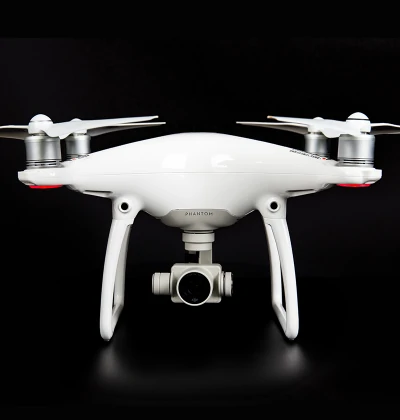

Aerospace & UAV
WJ Prototypes is your 3D manufacturing partner from prototype to large scale production.

Consumer Electronics
New Product Introduction Solutions for Consumer Electronics.

Robotics & Automation
Need some assistance bringing your robotic device or parts from the sketch-board to reality?

Medical Devices
The medical industry needs high quality, dependable and safe parts and products.

Automotive
New Product Introduction Solutions for Automotive

Industrial Machinery
The main purpose of industrial prototyping is to take the product from drawings into the real world.
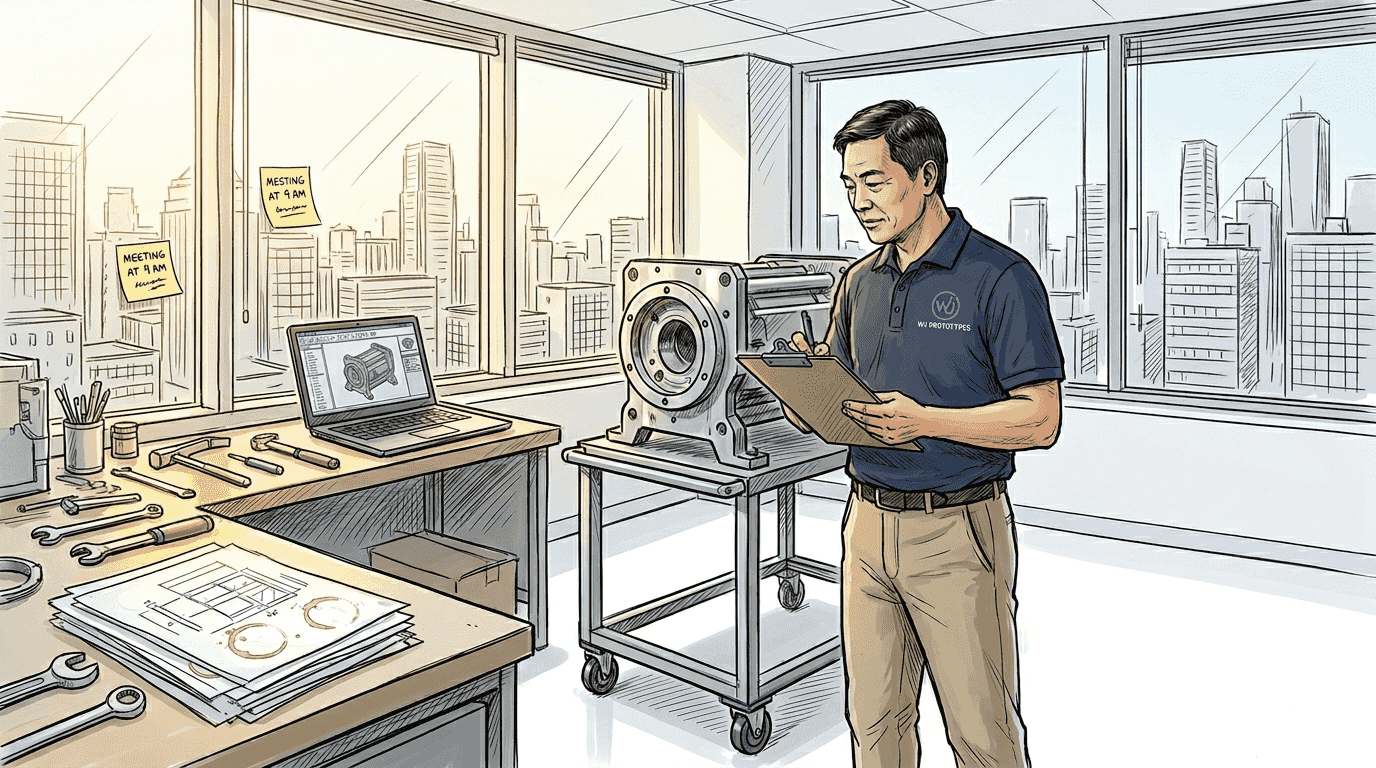
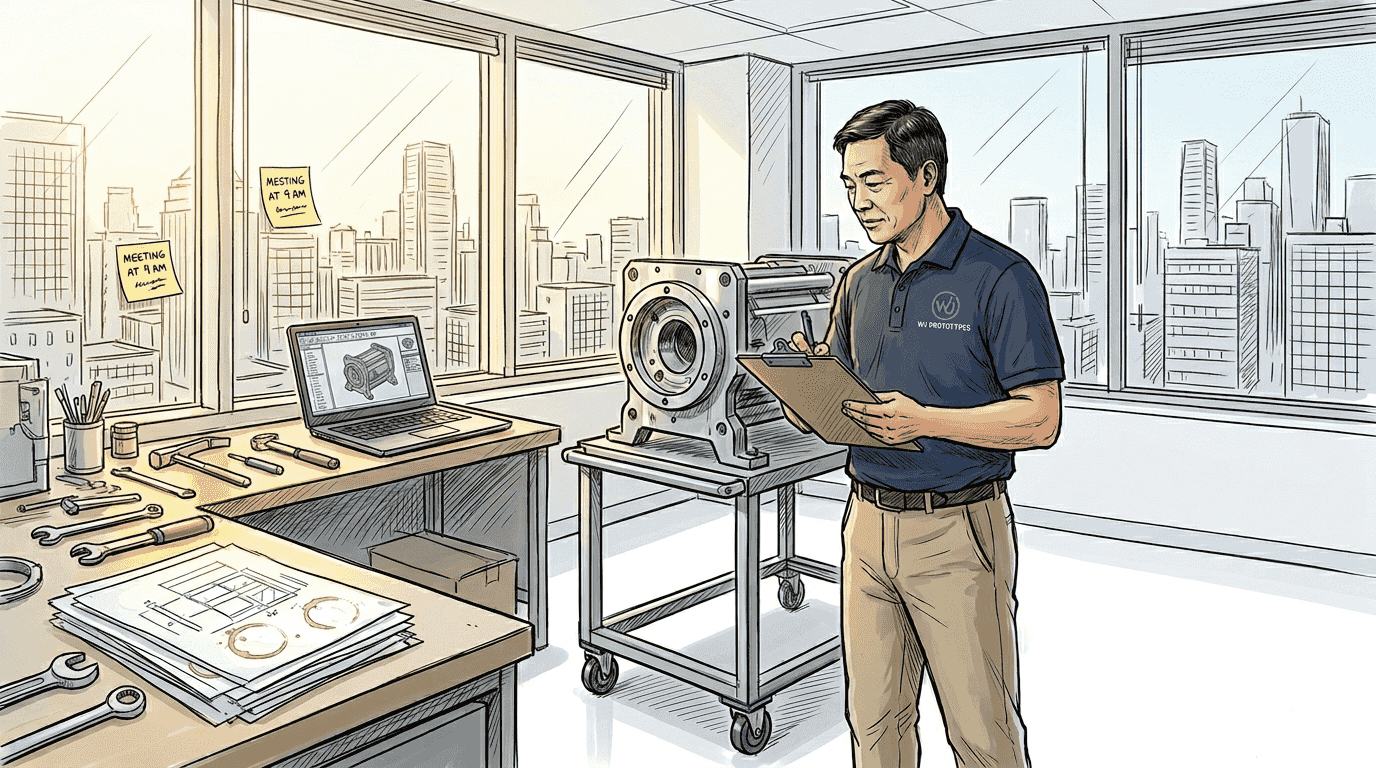
Industrial prototyping accelerates innovation by cutting product development cycles by up to 60% across aerospace, automotive, medical, and robotics sectors. This technology blends additive manufacturing with traditional fabrication to create functional prototypes rapidly. You’ll learn how to select optimal prototyping methods, balance cost against precision, and apply quality standards that meet stringent industry requirements.
| Point | Details |
|---|---|
| Industrial prototyping definition | Combines additive and traditional manufacturing for rapid, precise product development in specialized sectors |
| Technology selection criteria | Balance speed, accuracy, material properties, and cost based on project requirements and production volume |
| Quality assurance importance | ISO certifications ensure compliance, traceability, and reliability for aerospace and medical applications |
| Common misconceptions | Advanced prototyping achieves aerospace precision and replicates final material properties cost-effectively |
| Low-volume production strategies | Vacuum casting and selective manufacturing methods optimize short-run production economics |
Industrial prototyping merges additive manufacturing technologies like SLA, SLS, and DMLS with traditional methods such as CNC machining to create high-fidelity functional models. This industrial prototyping process enables rapid iteration of complex components that meet exact specifications.
The approach proves vital for sectors with strict performance standards. Aerospace components demand precise tolerances and material consistency. Medical devices require biocompatibility and regulatory compliance. Automotive parts need durability testing under real-world conditions.
Key advantages of industrial prototyping include:
The process shortens innovation cycles significantly. You can validate mechanical properties, test assembly fit, and verify manufacturing feasibility before production. This approach prevents costly downstream revisions and accelerates market entry.
Over 90% of aerospace and medical suppliers require ISO certification from prototyping partners. This standard ensures traceability, repeatability, and quality management throughout the development process. Certified partners provide documentation and process controls that satisfy regulatory audits.
Modern types of additive manufacturing and traditional fabrication offer distinct capabilities for different project requirements. Understanding each technology’s strengths helps you match methods to your specific needs.
Stereolithography (SLA) uses UV lasers to cure liquid resin layer by layer. This technology produces smooth surface finishes and intricate details ideal for visual prototypes and master patterns. Tolerances reach ±0.05 mm with excellent dimensional accuracy.

Selective Laser Sintering (SLS) fuses nylon powder particles to create durable functional prototypes. Parts exhibit good mechanical properties without support structures. The technology suits snap-fit assemblies and living hinges requiring flexibility.
Multi Jet Fusion (MJF) delivers production-grade mechanical properties with isotropic strength. This method produces dense parts faster than SLS with superior detail resolution. You get functional prototypes ready for performance testing.
Direct Metal Laser Sintering (DMLS) creates metal parts from titanium, aluminum, or stainless steel powders. Aerospace and medical applications benefit from the technology’s ability to produce complex geometries impossible with traditional machining. Tolerances achieve ±0.05 mm.
CNC Machining removes material from solid blocks to create precise parts from production-grade materials. This subtractive process offers the widest material selection and tightest tolerances (±0.01 mm). You get parts with authentic surface finishes and mechanical properties.
Vacuum Casting replicates master patterns in polyurethane resins that mimic production plastics. The process produces 20-25 identical parts economically, perfect for user testing and market validation.
| Technology | Speed | Accuracy | Material Options | Relative Cost |
|---|---|---|---|---|
| SLA | Fast | ±0.05 mm | Photopolymer resins | Low |
| SLS | Medium | ±0.10 mm | Nylon, composites | Medium |
| MJF | Fast | ±0.08 mm | PA12, PA11 | Medium |
| DMLS | Slow | ±0.05 mm | Titanium, aluminum, steel | High |
| CNC Machining | Medium | ±0.01 mm | Metals, plastics, composites | Medium |
| Vacuum Casting | Medium | ±0.15 mm | Polyurethane resins | Low |
Pro Tip: Combine CNC machining for critical mounting surfaces with additive manufacturing for complex internal features. This hybrid approach optimizes both precision and design freedom.
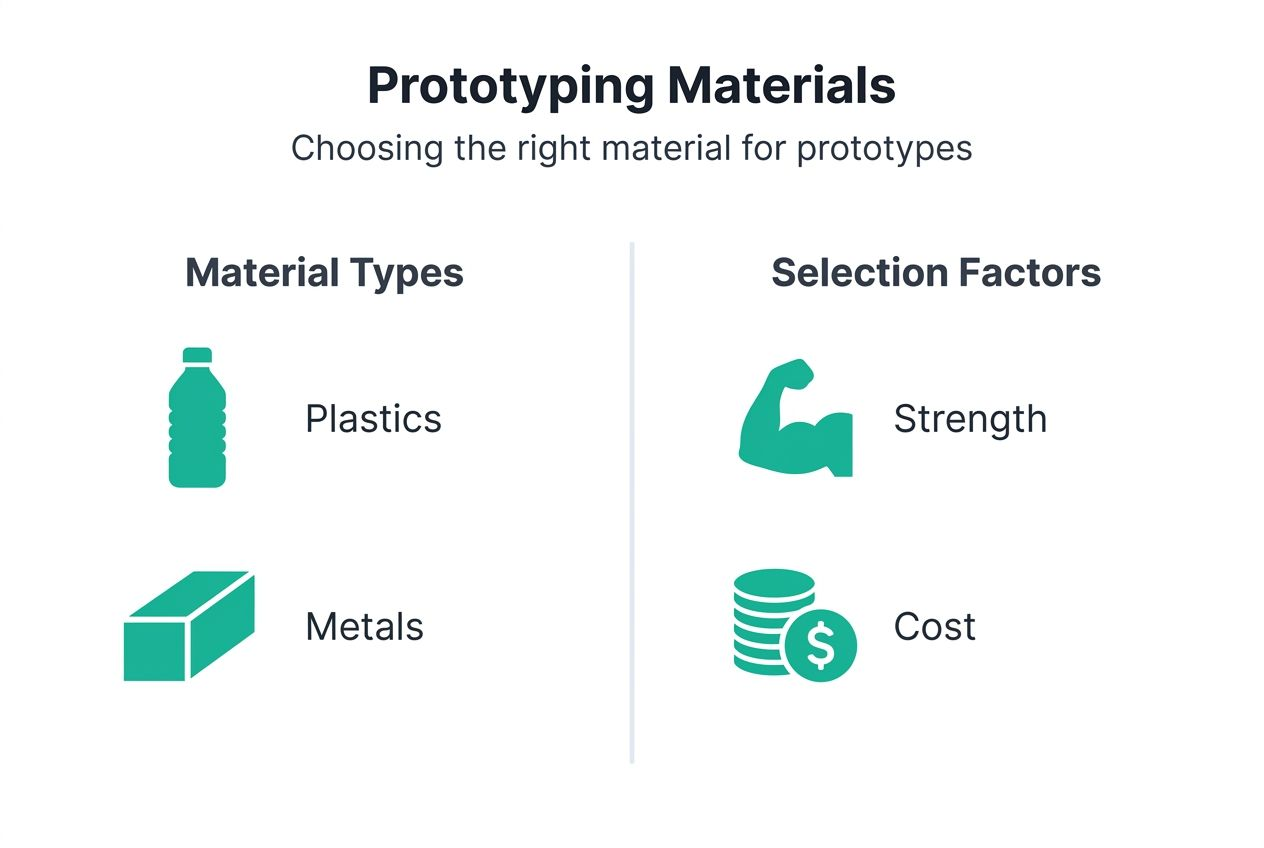
Material selection in prototyping significantly impacts prototype performance. Consider mechanical requirements, environmental exposure, and regulatory compliance when choosing materials. The additive manufacturing workflow integrates design optimization with technology selection for optimal results.
Industrial prototyping transforms how engineering teams validate designs and accelerate product launches. The approach delivers measurable advantages across development phases.
Rapid validation cycles compress testing timelines dramatically. You can produce functional prototypes in days rather than weeks. Multiple design iterations happen simultaneously, letting you test different approaches in parallel. This speed advantage proves critical when racing competitors to market.
Cost reduction through early detection prevents expensive production errors. Physical prototypes reveal assembly issues, tolerance stack-ups, and manufacturing constraints before tooling investment. A $2,000 prototype iteration costs far less than scrapping $50,000 in production tooling.
Real-world applications demonstrate clear value:
Compliance preparation starts during prototyping. You can conduct preliminary testing for regulatory submissions, identify potential failure modes, and document design decisions. This groundwork streamlines certification processes.
Cost-performance trade-offs require careful evaluation. Faster turnaround sometimes justifies slightly higher per-part costs when development speed drives business value. Calculate total project costs including iteration cycles, not just individual prototype prices. Consider how prototype fidelity affects downstream decisions and risk mitigation.
Several persistent myths about industrial prototyping lead engineers to overlook optimal solutions. Understanding reality helps you make better technology choices.
Myth: Industrial prototyping always costs more than traditional tooling. The upfront prototype cost appears higher per part, but total development expenses tell a different story. Traditional tooling requires $30,000-$100,000 investment before producing the first part. Prototyping lets you validate designs with $5,000-$15,000 in iterations, then proceed to tooling with confidence. You avoid expensive tool modifications and part rejections.
Myth: 3D printing cannot achieve aerospace-level precision. Modern additive technologies routinely meet demanding tolerances. DMLS metal printing achieves ±0.05 mm accuracy with excellent surface finishes. SLA produces features as small as 0.1 mm with smooth surfaces. These capabilities satisfy most aerospace component requirements without secondary operations.
Myth: Prototypes cannot replicate final material properties. Advanced methods produce functionally equivalent parts. Vacuum casting uses polyurethane resins matching ABS, polycarbonate, or rubber properties. DMLS creates titanium and aluminum parts with mechanical properties identical to wrought materials. You can test prototypes under real operating conditions.
Myth: Only large companies benefit from industrial prototyping. Technologies scale efficiently for projects of any size. Small teams access the same capabilities through service providers without capital equipment investment. Instant quoting platforms democratize access to advanced manufacturing.
Pro Tip: Calculate lifecycle costs by including iteration speed, material waste, labor, and risk reduction. Fast iterations often deliver better ROI than cheaper but slower alternatives that delay critical business decisions.
Quality certifications provide essential assurance for prototypes destined for regulated industries. These standards establish traceability, process control, and documentation requirements.
ISO 9001 certification establishes comprehensive quality management systems. Certified manufacturers maintain documented procedures for design review, process validation, and corrective actions. You receive consistent prototype quality backed by auditable records. The standard applies across industries and provides baseline quality assurance.
ISO 13485 certification specifically addresses medical device manufacturing. This standard adds requirements for risk management, design controls, and sterile processing when applicable. Medical prototype suppliers must demonstrate compliance to support your regulatory submissions. Documentation includes material certificates, process parameters, and inspection reports.
Key quality elements include:
Quality assurance certifications ensure traceability, repeatability, and regulatory compliance for medical and aerospace prototype manufacturers, with over 90% of leading suppliers requiring certified partners.
Regulatory agencies scrutinize prototype development records during product approvals. FDA submissions require evidence of design validation performed under controlled conditions. Aviation authorities demand material pedigree and process documentation. Certified suppliers provide this foundation.
Choosing certified prototyping partners reduces project risk. You gain access to quality systems proven through third-party audits. Documentation supports your internal quality processes and regulatory filings. Process controls ensure prototype consistency across multiple builds.
Bridging prototype validation to initial production requires techniques optimized for short manufacturing runs. Several approaches balance economics with functional requirements.
Vacuum casting process creates 15-25 production-quality parts from a single master pattern:
This method replicates complex geometries including undercuts and internal features. Material options include resins mimicking ABS, polycarbonate, rubber, and transparent plastics. You get realistic parts for user testing, trade shows, and pilot production.
Low-volume injection molding suits runs of 100-5,000 parts. Aluminum molds cost $3,000-$8,000 compared to $30,000+ for production steel tools. Single-cavity designs minimize upfront investment while delivering true injection-molded quality. This approach works when you need authentic material properties but cannot justify production tooling.
When to choose additive versus traditional methods:
Cost-saving strategies maximize your prototyping budget:
Volume and complexity drive technology selection. Parts requiring 1-10 units suit direct additive manufacturing. Quantities of 15-25 favor vacuum casting. Runs exceeding 100 units justify soft tooling investment. Evaluate setup costs against per-unit expenses to find the economic breakpoint.
Streamlining prototyping workflows reduces development time and improves outcomes. Strategic process improvements compound benefits across multiple projects.
Digital tools accelerate decision-making at every stage. Instant quoting platforms provide real-time pricing for different technologies and materials. You compare options immediately without waiting for manual quotes. Design validation software flags manufacturability issues before file submission. Automated orientation algorithms optimize part placement to minimize cost and maximize quality.
Supplier relationship management ensures consistent quality and communication:
Quality monitoring catches issues before they impact schedules. Request first-article inspection reports with dimensional measurements and material certificates. Implement incoming inspection procedures for critical features. Document any deviations and work with suppliers on corrective actions.
Feedback integration closes the design loop rapidly. Photograph prototypes from multiple angles during assembly. Note fit issues, surface finish concerns, or functional problems immediately. Share findings with your industrial prototyping process team through shared digital platforms. Revised files should incorporate learnings within 24-48 hours.
Pro Tip: Create standardized project folders with design files, specifications, inspection criteria, and revision history. This structure enables seamless handoffs between team members and preserves institutional knowledge for future projects.
Automated workflows reduce manual errors and speed iteration. CAD systems with integrated design-for-manufacturing checks flag potential issues during modeling. File preparation software automatically adds supports and optimizes orientation. Digital manufacturing execution systems track jobs through production with real-time status updates. You receive notifications when parts complete each process step.
Efficiency compounds over multiple projects. Initial process investments pay dividends through faster turnarounds, fewer errors, and better design decisions. Teams that optimize prototyping workflows ship products 30-40% faster than those using ad hoc approaches.
Transforming design concepts into functional prototypes requires manufacturing expertise and advanced technology capabilities. WJ Prototypes delivers both through comprehensive CNC machining materials selection and precision fabrication services tailored for aerospace, automotive, medical, and robotics applications.
Our vacuum casting service in China produces 15-25 production-quality parts from your validated designs using urethane casting materials that replicate final product properties. ISO-certified processes ensure consistent quality and complete documentation supporting your regulatory requirements.
You receive instant quotes, expert engineering consultation, and global delivery for rapid prototyping and low-volume production runs. Our experienced team helps you select optimal technologies and materials that balance your performance requirements with project timelines and budget constraints.
Industrial prototyping creates functional physical models using advanced manufacturing technologies to validate designs before full production. The process combines additive methods like 3D printing with traditional fabrication such as CNC machining. These prototypes test fit, form, and function under realistic conditions to reduce development risk.
Industrial prototyping uses production-grade materials, achieves tighter tolerances (±0.01-0.05 mm), and operates under quality management systems with complete traceability. Consumer printing prioritizes convenience over precision and mechanical performance. Industrial methods produce parts meeting aerospace, medical, and automotive standards with certified processes and documentation.
Select technologies based on material requirements, tolerance needs, quantity, and budget. CNC machining suits tight-tolerance metal parts. SLA works for detailed visual models. DMLS creates complex metal geometries. Vacuum casting produces 15-25 realistic parts economically. Consider total project costs including iteration speed, not just per-part pricing.
ISO certifications ensure consistent processes, material traceability, and documentation supporting regulatory submissions. Aerospace and medical industries require certified suppliers to reduce compliance risk. Quality management systems prevent errors through controlled procedures, calibrated equipment, and trained personnel. You receive auditable records proving prototype validity.
SERVICES
RESOURCES