



- Room 1807, Unit 9, Building 2, Shangxing Commercial Street, Shangde Road, Shangxing Community, Xinqiao Subdistrict, Bao'an District, Shenzhen City, China
CONTACT US

WhatsApp


Contact Us
Our team is on stand by, waiting toassist you.

Videos
A large collection of educational videos and tutorials.

About Us
Learn about our company, leadership, and mission totransform manufacturing.

Privacy Policy
Applies to all personal information collected through and/or processed in connection.
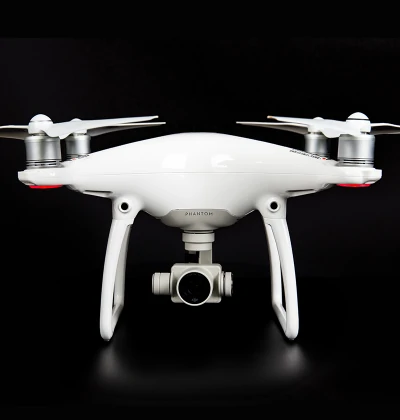

Aerospace & UAV
WJ Prototypes is your 3D manufacturing partner from prototype to large scale production.

Consumer Electronics
New Product Introduction Solutions for Consumer Electronics.

Robotics & Automation
Need some assistance bringing your robotic device or parts from the sketch-board to reality?

Medical Devices
The medical industry needs high quality, dependable and safe parts and products.

Automotive
New Product Introduction Solutions for Automotive

Industrial Machinery
The main purpose of industrial prototyping is to take the product from drawings into the real world.


Product development teams constantly struggle with a critical decision: should they use online manufacturing platforms or partner directly with factories for prototyping and low-volume manufacturing? The choice impacts quality, cost, and project success. Many procurement managers believe online platforms guarantee consistency, while others assume direct factories mean communication nightmares. This article cuts through the confusion with data-backed insights on quality control, cost structures, and transparency to help you make the optimal choice for aerospace, automotive, and medical manufacturing projects.
| Point | Details |
|---|---|
| Quality control differences | Direct factories hold 75% ISO 9001 certification versus 40% for online platforms, with defect rates of 1.5% vs 3%. |
| Cost structures vary by scale | Online platforms add fees ideal for quick orders; direct factories reduce costs for recurring or complex projects. |
| Transparency builds trust | Direct factory relationships provide engineer access and production visibility critical for regulated industries. |
| Risk profiles differ significantly | Direct factories offer supply chain reliability and IP protection; platforms provide speed but less process control. |
| Decision depends on priorities | Match your project’s quality standards, volume, and timeline requirements to the right manufacturing partner. |
Quality control represents the most critical differentiator between direct factories and online manufacturing platforms. Product development teams in aerospace and medical sectors cannot afford defects or inconsistent processes. The data reveals stark differences that directly impact project outcomes and regulatory compliance.
Direct factories typically maintain robust internal quality management systems with documented procedures and trained personnel. These facilities invest heavily in certifications because their reputation depends on consistent output. Research shows 75% of direct factories hold ISO 9001 certification versus 40% of online platforms, with defect rates averaging 1.5% vs 3%. This quality gap matters enormously when producing components for regulated industries where rework costs multiply quickly.
Online platforms aggregate multiple suppliers with varying capabilities and standards. While platforms attempt to vet partners, they cannot guarantee the same process rigor as working directly with a certified facility. The platform model introduces variability because your parts might come from different subcontractors across orders. This inconsistency creates headaches for teams requiring repeatable results, especially in quality control plastic injection molding applications.
Direct communication with factory quality teams transforms accountability and issue resolution. When defects occur, you can speak directly with engineers who understand your specifications and can implement corrective actions immediately. This direct relationship proves invaluable for complex prototypes requiring iterative refinement based on testing results.
Pro Tip: Request detailed quality documentation including process control plans and measurement reports before committing to any manufacturing partner, whether platform or direct factory.
Key advantages of direct factory quality control:
“Quality control isn’t just about catching defects. It’s about preventing them through disciplined processes and continuous improvement. Direct factories with skin in the game invest more heavily in prevention.” — Manufacturing Quality Expert
Cost structures between online platforms and direct factories differ fundamentally in ways that impact your bottom line. Understanding these differences helps procurement managers budget accurately and avoid hidden expenses that erode savings.

Online platforms excel at providing instant quotes and streamlined ordering for straightforward parts. The digital interface reduces administrative friction and accelerates procurement cycles. However, platform business models require markup layers that get baked into your costs. These fees typically range from 15% to 30% depending on complexity and materials. For quick-turn prototypes under $5,000, the convenience often justifies the premium.
Direct factories eliminate intermediary costs by working with you without platform commissions. This advantage compounds for larger orders, recurring production runs, or projects requiring specialized materials. A $50,000 production order through a direct factory can save $7,500 to $15,000 compared to platform pricing. The savings grow as project complexity increases because direct factories can optimize processes specifically for your requirements rather than fitting into standardized platform workflows.
Cost effective prototyping china strategies demonstrate how direct relationships unlock material flexibility and custom tooling amortization across volumes. When you need specific grades or certifications, direct factories source exactly what your project demands rather than limiting you to platform-approved stock. This flexibility often reduces material costs by 10% to 25% while meeting stringent specifications.
Total cost of ownership extends beyond quoted prices to include quality, rework, and shipping considerations. Higher defect rates from inconsistent platform suppliers generate rework expenses and delays that dwarf initial savings. Calculate the fully loaded cost including inspection time, potential scrap, and expedited shipping when comparing options. Direct factory relationships typically deliver 20% to 35% lower total costs for production volumes exceeding 100 units.
Pro Tip: Create a detailed cost comparison spreadsheet that includes platform fees, potential rework, tooling amortization, and logistics to reveal true project economics.
Cost comparison factors by order type:
| Cost Element | Online Platform | Direct Factory |
|---|---|---|
| Base manufacturing | Standard rates | Negotiable rates |
| Platform fees | 15-30% markup | None |
| Material flexibility | Limited to stock | Custom sourcing |
| Tooling costs | Included but higher | Amortized across orders |
| Volume discounts | Minimal | Significant for 100+ units |
Understanding how prototyping in china reduces costs requires analyzing both quoted prices and operational efficiency gains. When evaluating alternative to Xometry options, factor in the relationship benefits that emerge over multiple projects with direct factory partners.
Transparency and communication quality separate successful outsourcing relationships from problematic ones. Product development teams need visibility into production status, quality metrics, and potential issues to manage timelines and mitigate risks effectively.
Direct factory relationships provide unfiltered access to the people making your parts. You can speak directly with production engineers, quality managers, and even shop floor supervisors when needed. This direct communication enables real-time problem solving and design optimization discussions that improve outcomes. When a dimension needs adjustment or a material substitution makes sense, you can make informed decisions quickly rather than waiting for platform support tickets to escalate through layers.
Online platforms necessarily limit communication channels to protect their business model and manage customer service workload. Platform representatives often lack technical expertise and cannot answer detailed manufacturing questions without consulting backend suppliers. This communication gap introduces delays and frustration when you need immediate answers about tolerances, material properties, or production scheduling. The platform interface creates a barrier between you and the actual manufacturing expertise.
Transparent processes prove especially critical for aerospace and medical projects requiring documented compliance with industry standards. Direct factories can provide detailed process documentation, material certifications, and inspection reports tailored to your regulatory requirements. Precision engineering prototyping china demands this level of transparency to satisfy traceability and quality assurance mandates.
Risk mitigation improves dramatically when you maintain direct relationships with manufacturing partners. Supply chain disruptions, material shortages, or equipment issues get communicated immediately so you can adjust plans proactively. Platform relationships often leave you discovering problems only when shipments arrive late or parts fail inspection. Direct communication reduces these surprises and enables collaborative contingency planning.
Pro Tip: Schedule regular video calls with direct factory partners to build relationships, tour facilities virtually, and establish trust that pays dividends when urgent situations arise.
Key transparency advantages of direct factories:
The communication benefits extend to rapid prototyping china streamlines manufacturing by enabling iterative refinement cycles with immediate technical feedback. When your team can discuss design modifications directly with the engineers who understand manufacturing constraints, you accelerate development cycles and improve first-time-right percentages.
Risk assessment requires balancing multiple factors including quality consistency, supply chain reliability, intellectual property protection, and communication effectiveness. The optimal choice depends on your specific project requirements and organizational priorities.
Direct factories generally deliver more predictable quality outcomes due to consistent processes and equipment. However, they may require longer lead times for initial small orders because they prioritize efficiency over instant turnaround. Online platforms provide flexibility and speed for urgent prototypes but introduce variability risks when parts come from different subcontractors. Understanding these trade-offs helps you match manufacturing strategy to project criticality.

Supply chain reliability varies significantly between platforms and direct factories. Established direct factories maintain material inventory and supplier relationships that buffer against disruptions. They can often source alternative materials or adjust schedules to accommodate urgent requests. Platforms depend on distributed suppliers whose availability and responsiveness fluctuate unpredictably. This dependence creates vulnerability when supply chains tighten or demand spikes.
Intellectual property protection requires careful consideration when outsourcing manufacturing. Direct factory relationships enable enforceable non-disclosure agreements and clear accountability for design confidentiality. You know exactly who has access to your files and can audit security practices. Platform models distribute your designs to backend suppliers you never vet directly, increasing IP exposure risks that matter for proprietary innovations.
Research confirms that direct factories have lower defect rates and hold more certifications, reducing risks in aerospace and medical manufacturing. The quality consistency and regulatory compliance capabilities of certified direct factories justify their selection for projects where failure costs exceed initial price savings.
Pro Tip: Map your project’s critical success factors against specific supplier capabilities rather than choosing based on generic platform vs factory preferences. Different projects warrant different approaches.
| Evaluation Factor | Online Platform | Direct Factory |
|---|---|---|
| Quality consistency | Variable by supplier | High with certifications |
| Lead time flexibility | Fast for small orders | Better for production runs |
| Cost effectiveness | Good under $5,000 | Superior over $10,000 |
| Communication clarity | Limited by interface | Direct engineer access |
| Supply chain risk | Higher vulnerability | Better reliability |
| IP protection | Distributed exposure | Controlled access |
| Regulatory compliance | Varies by supplier | Documented processes |
The decision framework should prioritize factors based on your industry requirements. Aerospace and medical projects demand quality and traceability, making direct factory relationships essential despite potentially higher initial costs. Consumer product prototypes with aggressive timelines might justify platform convenience when quality tolerances allow flexibility.
Understanding the role of materials in prototyping china influences supplier selection because material availability and certification requirements vary between platforms and factories. Projects requiring exotic alloys or certified grades typically necessitate direct factory relationships with established material supply chains.
After evaluating quality control, cost structures, and transparency differences, the case for direct factory partnerships becomes compelling for serious product development work. WJ Prototypes operates ISO-certified facilities in China offering comprehensive CNC machining China services with direct engineer access and transparent communication.
Our direct factory model eliminates platform markups while delivering consistent quality through documented processes and certified CNC machining materials. Whether you need precision aerospace components, automotive prototypes, or medical device parts, our experienced team provides the manufacturing expertise and quality assurance your projects demand. We specialize in vacuum casting China services alongside traditional machining and die casting capabilities.
Contact our team for detailed quotes and technical guidance tailored to your specific requirements. We help procurement managers optimize prototyping costs while maintaining the quality standards critical for regulated industries. Our direct factory relationships deliver the transparency, communication, and reliability that drive successful product development outcomes.
Direct factories typically maintain ISO 9001 certification and implement rigorous process controls resulting in defect rates around 1.5%. Online platforms aggregate suppliers with varying standards, leading to higher defect rates averaging 3%. This quality gap matters critically for aerospace and medical manufacturing where consistency and traceability are mandatory.
Online platforms charge 15% to 30% markup fees making them convenient for small orders under $5,000. Direct factories eliminate intermediary costs and provide better value for projects exceeding $10,000 or recurring production runs. Total cost of ownership favors direct factories when including quality, rework avoidance, and volume discounts.
Assess your project’s critical quality standards, complexity, and volume requirements first. Prioritize partners with relevant ISO certifications, documented processes, and direct communication access. For regulated industries like aerospace and medical, direct factory relationships with proven compliance capabilities justify the relationship investment despite potentially longer initial setup.
Direct factories allow enforceable NDAs with known parties and controlled design file access. Online platforms distribute your files to backend suppliers you never vet directly, increasing IP exposure risks. For proprietary innovations, direct factory relationships provide better confidentiality control and legal recourse if breaches occur.
SERVICES
RESOURCES