



- Room 1807, Unit 9, Building 2, Shangxing Commercial Street, Shangde Road, Shangxing Community, Xinqiao Subdistrict, Bao'an District, Shenzhen City, China
CONTACT US

WhatsApp


Contact Us
Our team is on stand by, waiting toassist you.

Videos
A large collection of educational videos and tutorials.

About Us
Learn about our company, leadership, and mission totransform manufacturing.

Privacy Policy
Applies to all personal information collected through and/or processed in connection.
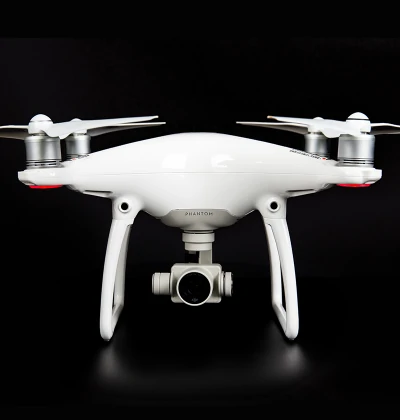

Aerospace & UAV
WJ Prototypes is your 3D manufacturing partner from prototype to large scale production.

Consumer Electronics
New Product Introduction Solutions for Consumer Electronics.

Robotics & Automation
Need some assistance bringing your robotic device or parts from the sketch-board to reality?

Medical Devices
The medical industry needs high quality, dependable and safe parts and products.

Automotive
New Product Introduction Solutions for Automotive

Industrial Machinery
The main purpose of industrial prototyping is to take the product from drawings into the real world.
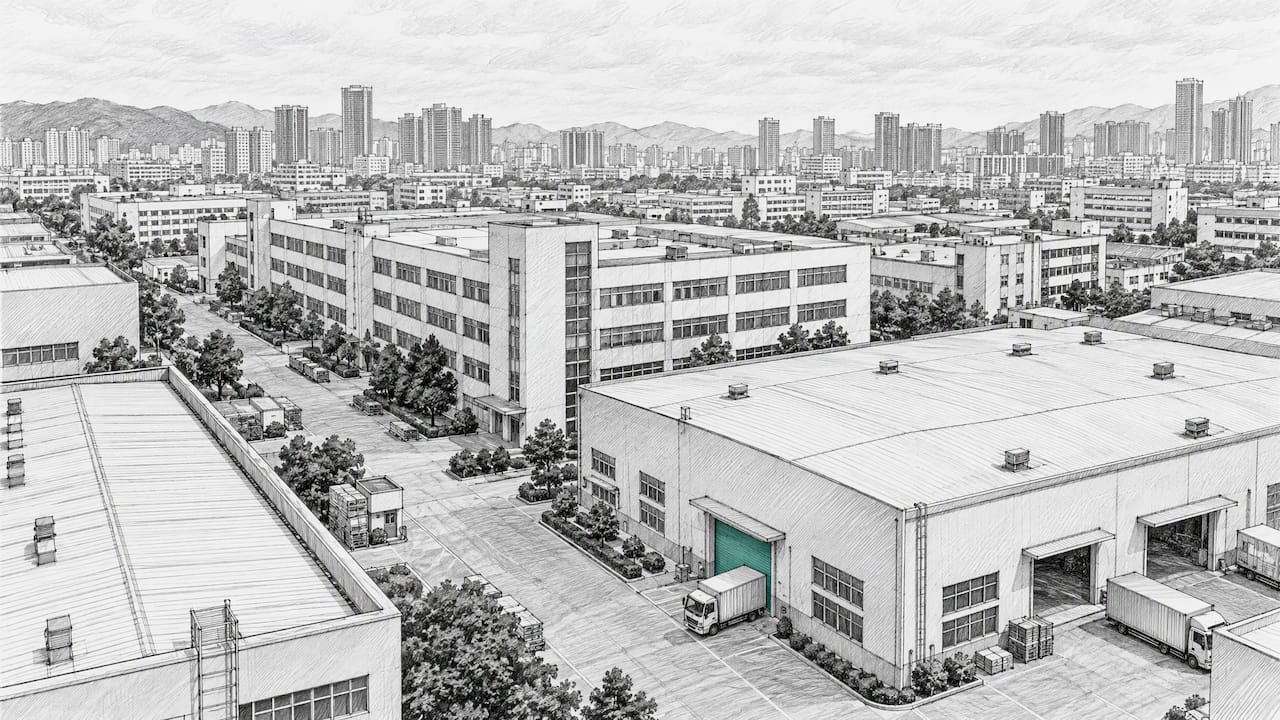
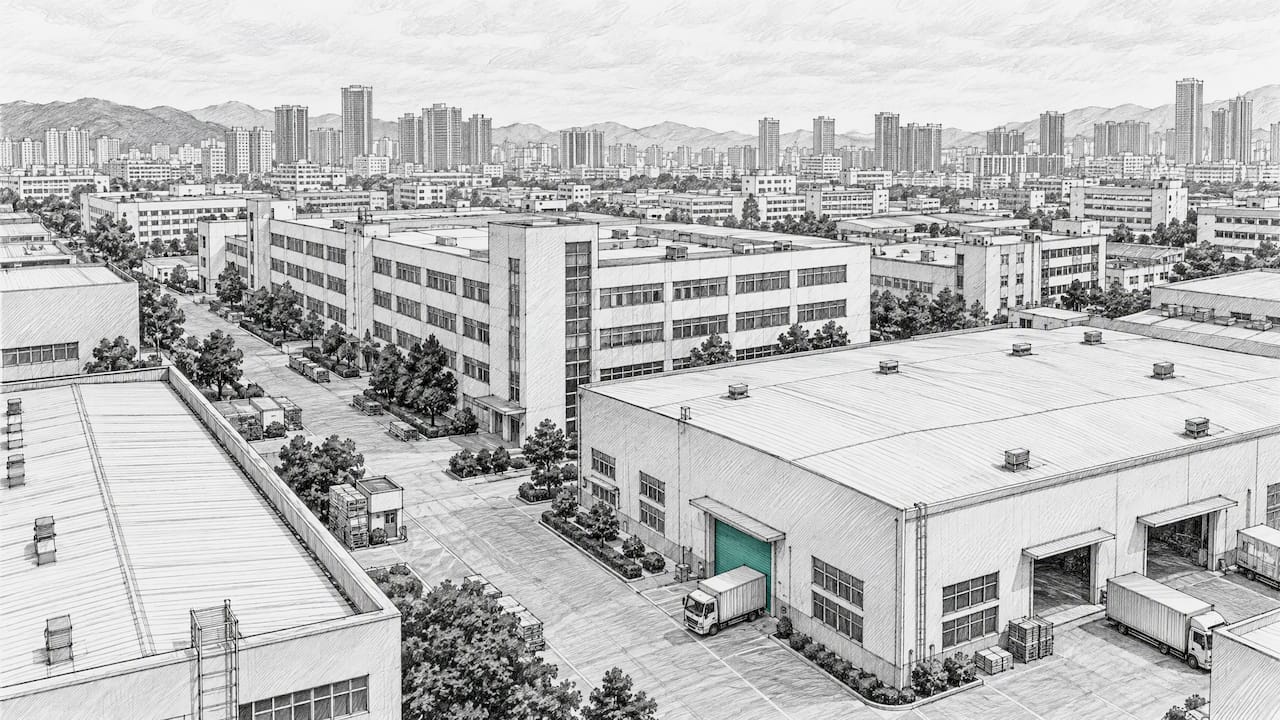
Choose Shenzhen while your design is still changing: components, electronics engineers and small-batch workshops sit close together, so you can iterate in days. Choose Dongguan once the design is frozen and you need tooling depth, larger factory floors and lower unit costs at volume. The two cities are about an hour apart, and most successful hardware programs use both in sequence.
This guide is for US engineering teams, startups and procurement managers deciding where a first prototype run, a bridge build or a low-volume order should go.
Shenzhen is the place where products get decided. Dongguan is where many of them get made. A BCVN field report describes it this way: the product is decided in Shenzhen but usually made in Dongguan, Huizhou or further afield, and the short distance between them is why the system works.
Here is the comparison most buyers need at the start.
| Factor | Shenzhen | Dongguan |
|---|---|---|
| Best stage | Concept, EVT/DVT, fast iteration | Frozen design, pilot and production |
| Typical strength | Electronics, components, engineering talent | Precision tooling, metal and plastic parts, assembly |
| Sample speed (guide estimate) | Often 3 to 7 days | Often 7 to 15 days once tooling exists |
| Production scale | Small to mid, fast changeovers | Mid to large |
| Factory size (guide estimate) | Roughly 50 to 500 workers | Roughly 500 to 3,000 workers |
| Cost at volume | Higher rent and labor | Lower land and labor cost |
The speed and scale rows come from Come to China’s electronics sourcing comparison, and the factory-size figures from China Sourcing Agents’ city guide. Treat them as typical ranges, not promises. A simple aluminum part from a good shop can ship faster than any table suggests, and a complex assembly can take longer.
What Shenzhen does better than any other Chinese city is let you loop quickly. Come to China notes that you can change a PCB layout, get new boards made and test them within a week. The reason is co-location. PCBSync argues that the cluster’s lasting advantage is that laminate, drill bits, plating chemistry, stencils and test houses all sit in one region, not that labor is cheap.
A practical Shenzhen loop for a connected device looks like this:
There is also a people factor. TechNode reports that small Shenzhen workshops can build one or two prototypes for a single customer and stay in the city because they can meet clients face to face about design. That older reporting still describes how the small-shop layer behaves.
Shenzhen also leads on appearance. IFBrand’s plastics guide credits the city with advanced surface treatments such as high-gloss painting, UV coating, vacuum metallization, silk screening and laser etching. If your prototype is a visual or investor-demo model, that finishing depth matters.
The trade-off is cost. Come to China says labor and rent are higher than in Dongguan, so unit prices at volume often come in above a Dongguan quote. That is why Shenzhen is the right place to learn and the wrong place to automatically stay for thousands of units.
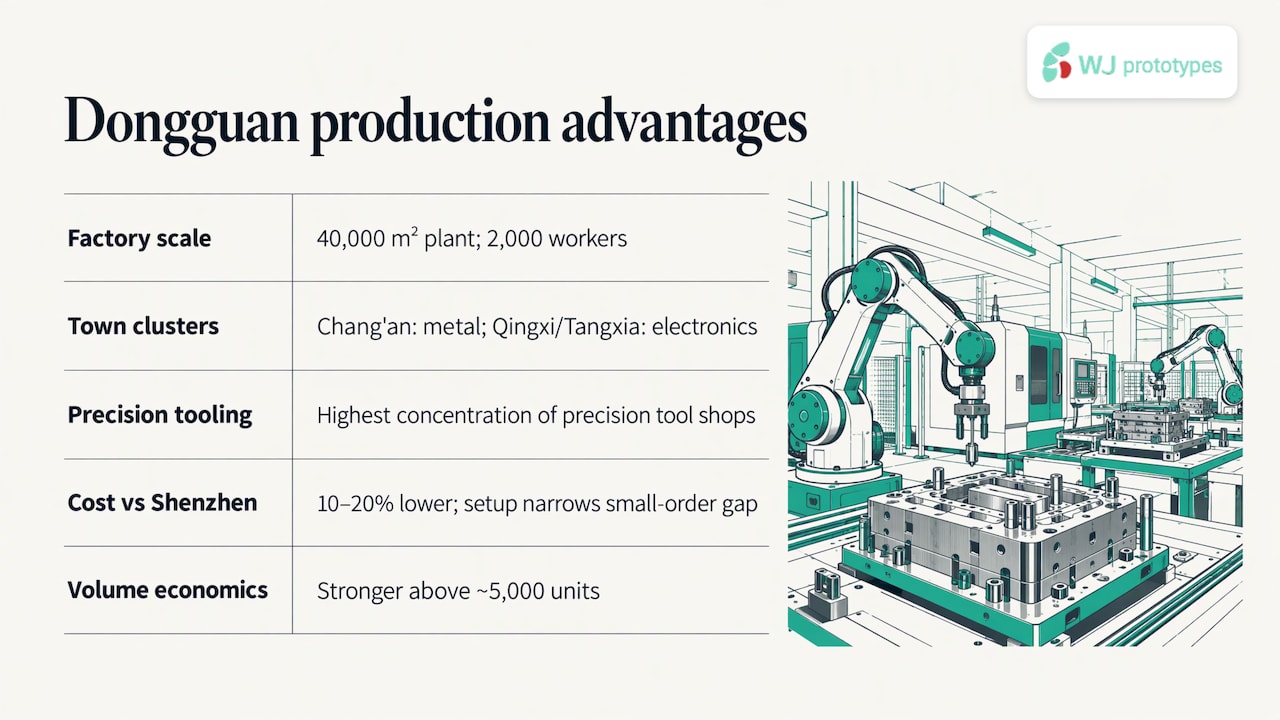
Dongguan’s advantage starts with land. China Sourcing Agents explains that cheaper land allowed bigger footprints, such as a plant with 40,000 square meters and 2,000 workers, which would be implausibly expensive in Futian or Bao’an. The result is more automated lines and tighter cost structures, particularly on orders above about 5,000 units.
It is also a patchwork of towns that each grew around a trade. One regional guide notes that Chang’an does metal, including stamping, CNC machining and molds, while Qingxi and Tangxia lean electronic. So “Dongguan” is not one supplier pool. A stamping buyer and a cable buyer should be looking in different places.
For tooling, IFBrand says Dongguan has the highest concentration of precision tool shops in China, with mold steel, resin, surface treatment and assembly partners within one to two hours. That density helps most when a mold needs a tweak and you cannot wait a week for a courier.
Cost is the other draw. MING Sourcing puts Dongguan’s cost level at 10 to 20% below Shenzhen for equivalent production. Run that against your own quotes, because the gap narrows on small orders where setup, not labor, drives price.
Support for startups is growing too. China Daily reported on a shared factory in Dongguan’s Songshan Lake park that accepts even single-unit orders to help young hardware companies reach production. So Dongguan is no longer only for large orders.
Use product type and stage together.
Lean toward Shenzhen when:
Lean toward Dongguan when:
Expect to use both when: You are shipping a consumer electronic with a custom enclosure. Development and final testing in Shenzhen, plastics and metal from Dongguan, one assembly site where it all meets. That split is common enough that China Factory Intelligence describes it as a distributed model that supports fast development, scalable production and supplier flexibility.
Do not choose by headline price alone. Several points help when you read quotes:
Import duties and tariff rules for the US change often. Check current rates for your specific part classification with a licensed customs broker or the official US trade resources before you commit to a landed-cost number.
The distance is small enough to treat the region as one workshop. China Sourcing Agents says Dongguan is one hour from Shenzhen by DiDi or by high-speed rail from Shenzhen North, and that Shenzhen’s PCB fabs, SMT lines, enclosure tooling and freight forwarders sit within 30 to 60 minutes of each other. For a US buyer, that means a sample can move between cities in a day, and a visit can cover both.
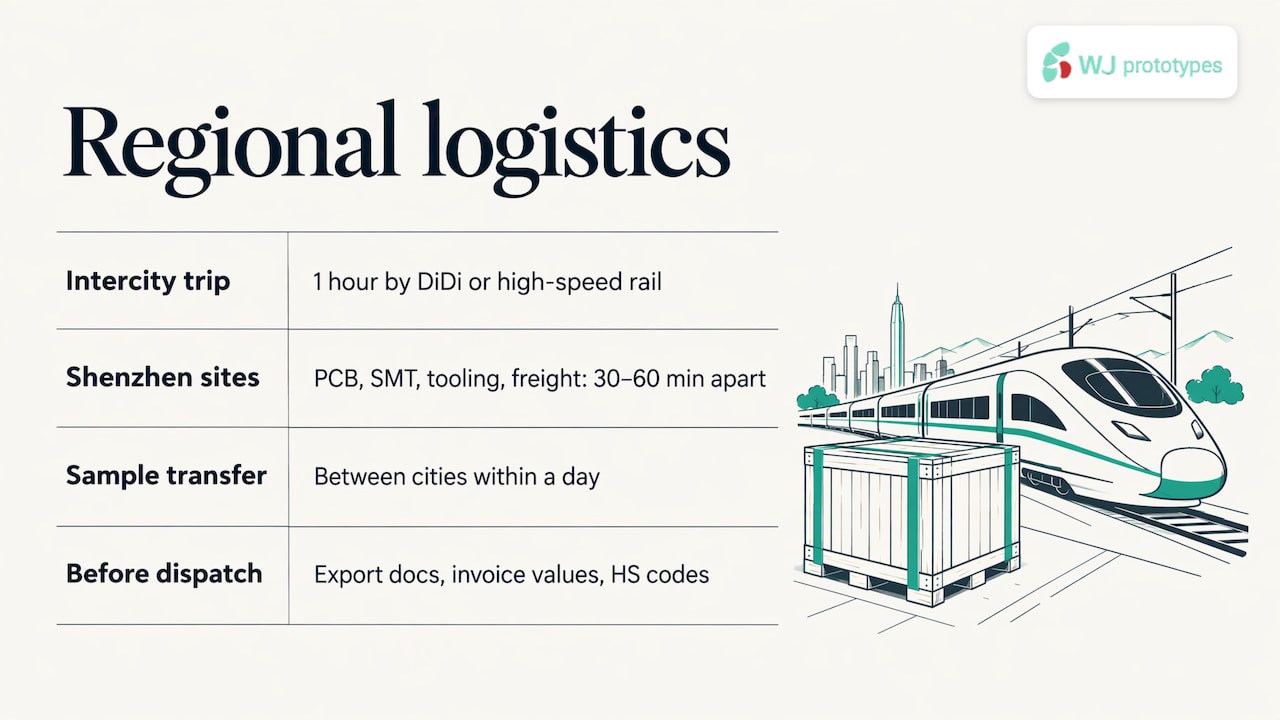
Outbound freight matters more than inter-city travel once you ship. Customs, carrier choice and delivery time vary by destination, and teams that also route samples through nearby ports often compare shipping to Macau alongside mainland options. Whatever route you pick, ask your supplier for export documents, commercial invoice values and HS codes before dispatch, so your US customs broker is not guessing.
Most US teams we talk to start by asking which city is cheaper. We think a better question is what stage the part is in.
At the prototype stage, the winning variable is the speed of the feedback loop: how fast a drawing becomes a physical part, a comment comes back, and a revised part ships. That is why we run prototyping around instant online quoting, a dedicated project manager on each job and no minimum order quantity, so one part is as welcome as one hundred.
At the low-volume stage, the winning variable is process fit. A bracket that begins as a CNC-machined part may become a die casting or an injection-molded part as quantities grow. We cover SLA, SLS, MJF, DMLS, FDM, CNC machining, sheet metal, vacuum casting, injection molding and die casting, so you can move between processes without re-qualifying a new supplier each time. Our ISO-certified quality system is designed to keep that transition controlled.
The Pearl River Delta rewards teams that plan the hand-off from prototype to production early. Decide your tolerances, materials and finishes while the design can still change, and the move to volume becomes a scheduling exercise rather than a redesign.
Nas
The cities are full of excellent shops and also of intermediaries. HS Sourcing warns that many “factories” met at Shenzhen trade shows are trading companies or only do final testing and packaging, while soldering and assembly happen in Dongguan. That is not a flaw if you know it, but you should know who is making your part.
A short verification checklist:
For a deeper look at selection, see our guide on how to choose prototyping services from China, and for tooling specifics, inside Shenzhen’s tooling ecosystem.
A sequence that fits most hardware teams:
The cost-effective approach is to keep one partner across steps 1 to 3 so drawings, tolerances and learnings stay in one place. Our overview of rapid prototyping in China shows how that flow works in practice, and our step-by-step guide to prototyping parts covers the early stages.
If you have a CAD file ready, upload it to our instant quote system and a project manager will confirm specifications with you before anything is made. We offer 3D printing, CNC machining, sheet metal, vacuum casting, injection molding and die casting for prototypes and low- to medium-volume runs, with no minimum order quantity.
For electronics, Shenzhen usually is, because components, PCB fabs and small workshops are close together and revisions turn around fast. For a purely mechanical part such as a machined or molded component, either city works, and the better question is which shop has your process and material. Many teams prototype in one city and move volume to the other.
About 45 minutes to 1.5 hours by car, depending on the districts and traffic, and about an hour by high-speed rail from Shenzhen North, according to MING Sourcing and China Sourcing Agents. Both cities can be covered in one trip.
Often at volume, yes. One guide estimates Dongguan’s costs at 10 to 20% lower for equivalent production. On very small prototype runs the difference is smaller, since setup and programming time dominate. Compare itemized quotes for the same drawing, material and finish.
Not for most prototype orders. Quote review, drawing confirmation and photos or inspection reports can be handled remotely. For tooling or larger production commitments, a site visit or a third-party audit is worth considering.
SERVICES
RESOURCES