



- Room 1807, Unit 9, Building 2, Shangxing Commercial Street, Shangde Road, Shangxing Community, Xinqiao Subdistrict, Bao'an District, Shenzhen City, China
CONTACT US

WhatsApp


Contact Us
Our team is on stand by, waiting toassist you.

Videos
A large collection of educational videos and tutorials.

About Us
Learn about our company, leadership, and mission totransform manufacturing.

Privacy Policy
Applies to all personal information collected through and/or processed in connection.
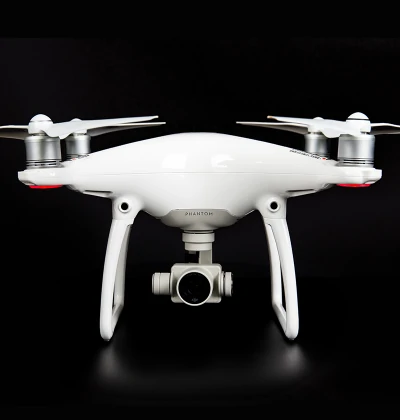

Aerospace & UAV
WJ Prototypes is your 3D manufacturing partner from prototype to large scale production.

Consumer Electronics
New Product Introduction Solutions for Consumer Electronics.

Robotics & Automation
Need some assistance bringing your robotic device or parts from the sketch-board to reality?

Medical Devices
The medical industry needs high quality, dependable and safe parts and products.

Automotive
New Product Introduction Solutions for Automotive

Industrial Machinery
The main purpose of industrial prototyping is to take the product from drawings into the real world.

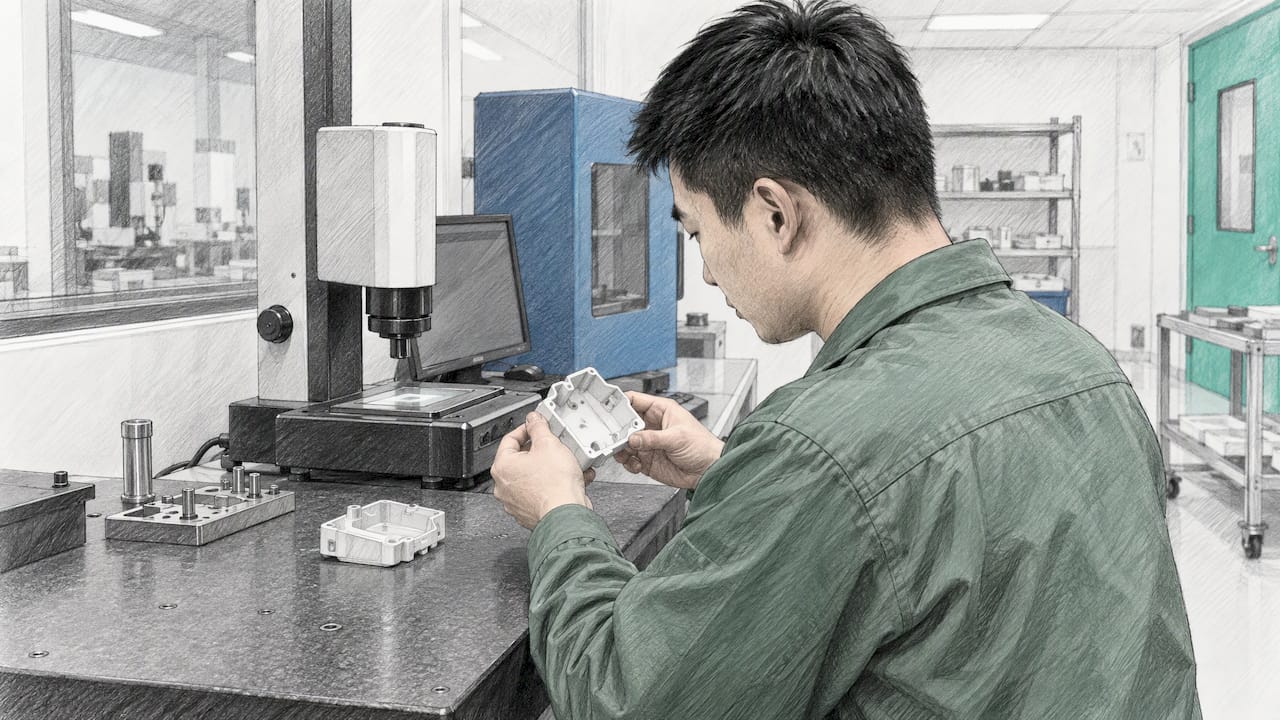
Most prototypes made in China cost between a few dozen and a few thousand dollars and arrive in one to five weeks, depending on the process, the part and the shipping method. The biggest swings come from the process you pick and from how complete your files are, not from the factory’s queue. At WJ Prototypes we quote SLA, SLS, MJF, FDM, DMLS, CNC machining, sheet metal, vacuum casting, injection molding and die casting with no minimum order quantity, so you can match the process to your design stage instead of to a minimum run.
Rapid prototyping means turning a CAD model into a physical part in days rather than months. In China it spans two families. Additive processes build the part layer by layer: SLA (resin cured by laser), SLS and MJF (nylon powder fused by laser or heat), FDM (extruded thermoplastic) and DMLS (metal powder). Subtractive and forming processes include CNC machining, sheet metal fabrication, vacuum casting (urethane parts cast in silicone molds) and, for later stages, injection molding and die casting.
For US teams the appeal is the combination of price and speed under one roof. A shop that runs printing, machining and casting can move a design from one stage to the next without you re-sourcing each time.
No single price list exists, because cost is roughly material plus machine time plus labor, with fixed costs spread across the quantity. The ranges below come from 2026 guides and give you a planning frame, not a quote.
| Process | Typical cost range | Typical production time |
|---|---|---|
| 3D printing (resin, nylon) | $10 to $500 per part | 2 to 5 days |
| CNC machining | $100 to $5,000 per part | 5 to 10 working days |
| Vacuum casting | $100 to $1,000 total | 7 to 15 days |
| Rapid (soft) tooling | Tool and per-part cost, see below | 2 to 4 weeks |
Times exclude shipping. The wide ranges reflect part size and complexity, which is why a quote on your actual file matters more than any table.
A useful way to see the spread is one part priced several ways. A 2026 sourcing guide prices a hand-sized housing of about 120 × 70 × 35 mm at Shenzhen and Dongguan shops like this:
The same geometry moves from tens of dollars to thousands as quantity and material realism increase. That is the logic of staged prototyping: spend little while the design is still changing.
Tolerances. Tolerances tighter than about ±0.02 mm can raise machining cost by more than half. Specify tight only on the features that mate with something.
Setup on single parts. One 2026 cost benchmark finds that for a single machined prototype, setup fees of $50 to $150 for simple parts and $200 to $500 or more for complex ones can make up 40 to 60% of the invoice. Ordering three or five pieces spreads that cost, so the per-part price drops sharply.
Material. Over-specifying material is among the most common and avoidable cost inflators. If a test only needs the right look and fit, you do not need the final alloy or engineering resin. Our 3D printing materials and CNC machining materials pages list what is available so you can pick the least expensive material that answers your test question.
Finish. Surface finishing is usually small per part, in the $0.5 to $4 range for basic finishing, but painted appearance models and anodizing add up across a set.
Speed. Rush turnaround typically carries a 25 to 50% premium. Simplifying geometry can cut cost by 20 to 40%, so a design review before quoting often saves more than haggling.

The production numbers above are the fast part. The full schedule has five legs: quote and design review, production, finishing and inspection, shipping, and your own approval.
Quote and review. With instant online quoting, the first number arrives the same day. A quote becomes a firm order after specification confirmation, where an engineer checks the file for anything that cannot be made as drawn.
Production. Use the table above. Printing is quickest, machining next, casting after that.
Shipping. International express adds 3 to 7 days on top of production. A courier box for a small prototype set typically adds $45 to $120 and 3 to 5 days. For how express services price and schedule parcels in general, express delivery and shipping times are worth understanding before you promise a date to your team. If a deadline is tight, our guide to urgent prototype shipping from China covers customs and logistics in detail.
Your approval. This is the leg buyers forget. A sample sitting unopened for a week adds a week, and waiting on a decision about an undefined tolerance can add two weeks to a job that took two days to cut.
A realistic planning window for a single CNC or printed prototype delivered to the US is therefore roughly one to two weeks. A vacuum-cast pilot batch is more often three to four weeks door to door.
Prototype parcels are commercial imports, so paperwork has to be right. US Customs and Border Protection says each commercial invoice must describe the merchandise in each package in adequate detail and be in English or come with a translation. Keep the invoice, packing list and tariff classification (HTS code) consistent with each other, because mismatches trigger holds. First-time importers are advised to use a licensed customs broker.
Tariffs also apply to many goods from China. They have changed repeatedly since the USTR’s Section 301 action began in 2018, so ask your broker for the duty rate on your HTS code at the time of shipment, and treat any duty figure as something to confirm per shipment rather than a fixed cost. Ocean freight is usually too slow for prototypes: transit to the US West Coast runs roughly 15 to 25 days, with another week or more for the East Coast and customs clearance. Air express is the norm.
One published rule of thumb is that under about 20 parts where speed matters most, 3D printing wins. For true material behavior or tight tolerances in small numbers, CNC machining gives production-grade material properties. For 100 or more parts in production plastic, soft or bridge tooling, with a tool in the $1,500 to $8,000 range and $8 to $60 per part, becomes the economic choice.
Full-scale injection molds are a different order of spend. One 2026 analysis puts injection molding at $1,000 to $10,000 or more per project, with a very high mold cost, and says to mold only once the design is frozen and the volume justifies the tool.
If you are choosing among casting options, see how vacuum casting costs in China and how SLS printing costs in China work out in practice.
Most delays and overruns we see in prototype projects begin before a part is made, in a file that leaves questions open. We built our process around that: instant online quoting so you know your range the same day, and a dedicated project manager who confirms the specification with you before production.
We also think the process should follow the design stage. Because we run SLA, SLS, MJF, FDM, DMLS, CNC machining, sheet metal, vacuum casting, injection molding and die casting, and because we have no minimum order quantity, you can order one part today and move to a small batch next month without changing supplier or restarting the conversation.
As an ISO certified manufacturer serving aerospace, automotive, medical, electronics, robotics and oil and gas teams, we aim for quality you can verify and delivery you can plan around. That is how we think a prototype partner should work.
Nas
If you have a model ready, upload it for an instant quote through our 3D printing service page, or go straight to CNC machining or vacuum casting. Include material, finish, tolerances and quantity, and your project manager will confirm the specification with you before production starts.
A typical China prototype runs $50 to $3,000 in published 2026 guides. Simple printed parts sit at the low end, and assembled or electronic products at the high end. Your own file, material and tolerances decide the actual price.
Production takes 2 to 5 days for 3D printing, 5 to 10 working days for CNC and 7 to 15 days for vacuum casting. Express shipping then adds 3 to 7 days. Plan one to two weeks for a single printed or machined part, and longer for cast batches.
At WJ Prototypes there is no minimum order quantity, so you can order a single part. Ordering a few pieces at once often lowers the per-part price, since setup costs are spread across the set.
Yes, rush service is possible, and it usually carries a 25 to 50% premium. A complete file and quick approvals often save more days than paying for speed.
You need an accurate commercial invoice and packing list and a correct HTS classification, which CBP expects to describe the goods in adequate detail. Most first-time importers work with a licensed customs broker, who also confirms the duty rate that applies to your shipment.
SERVICES
RESOURCES