



- Room 1807, Unit 9, Building 2, Shangxing Commercial Street, Shangde Road, Shangxing Community, Xinqiao Subdistrict, Bao'an District, Shenzhen City, China
CONTACT US

WhatsApp


Contact Us
Our team is on stand by, waiting toassist you.

Videos
A large collection of educational videos and tutorials.

About Us
Learn about our company, leadership, and mission totransform manufacturing.

Privacy Policy
Applies to all personal information collected through and/or processed in connection.
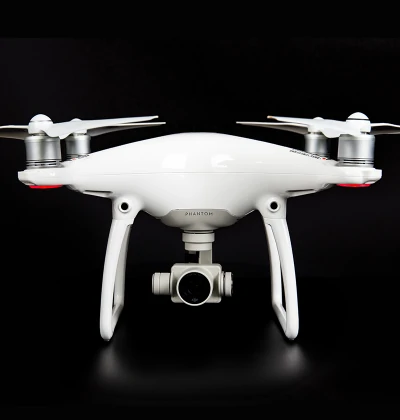

Aerospace & UAV
WJ Prototypes is your 3D manufacturing partner from prototype to large scale production.

Consumer Electronics
New Product Introduction Solutions for Consumer Electronics.

Robotics & Automation
Need some assistance bringing your robotic device or parts from the sketch-board to reality?

Medical Devices
The medical industry needs high quality, dependable and safe parts and products.

Automotive
New Product Introduction Solutions for Automotive

Industrial Machinery
The main purpose of industrial prototyping is to take the product from drawings into the real world.
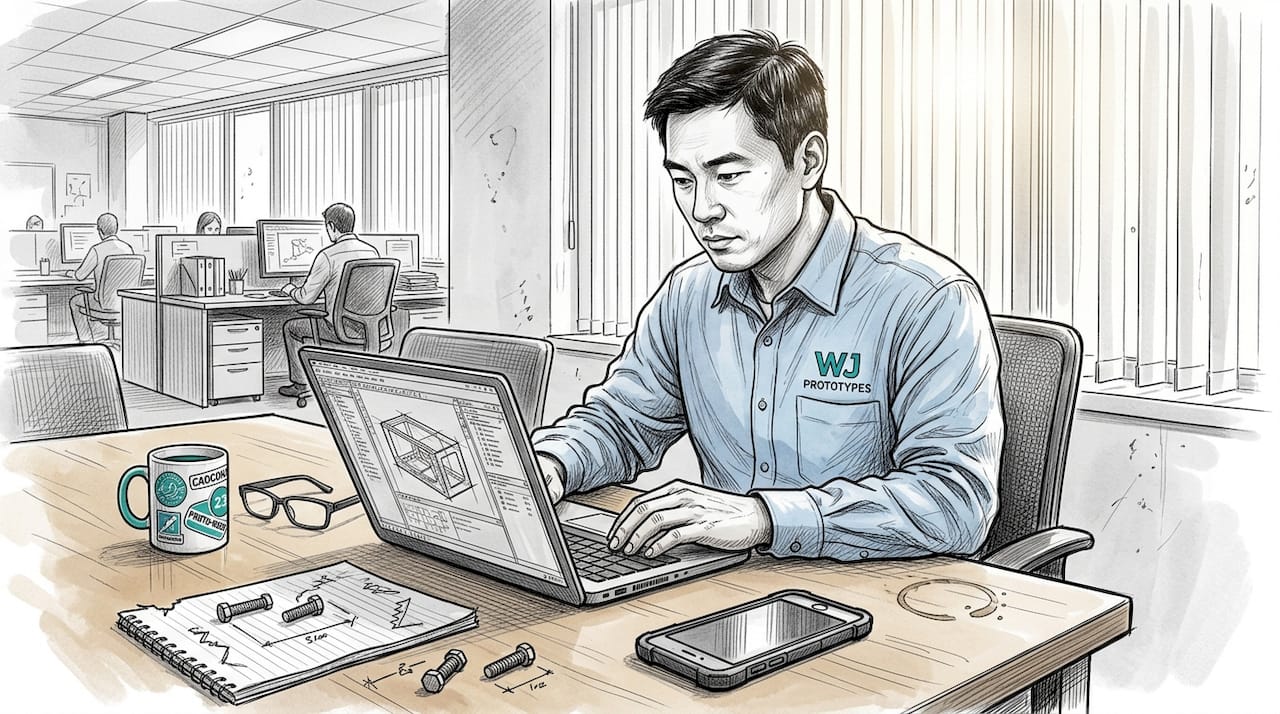
Many engineers default to online manufacturing platforms for speed and convenience, trusting that standardized workflows and instant quotes guarantee the fastest path from design to prototype. However, new data from automotive, aerospace, and medical sectors reveals a surprising pattern: direct manufacturer collaboration consistently yields stronger outcomes in critical industries. This guide unpacks the reasons behind this shift, presents practical evidence from real engineering programs, and shows you how to apply a more strategic approach to your next prototyping or low-volume production project.
| Point | Details |
|---|---|
| Direct input reduces errors | Early manufacturer feedback slashes late-stage rework and prevents costly design mistakes. |
| Compliance demands direct oversight | Certified sectors require traceability and validation only possible with direct manufacturer partnerships. |
| Platform convenience hides trade-offs | While platforms offer quick quotes, their standardization can limit customization and effective communication. |
| Workflow and speed differ greatly | Direct collaboration enables iterative refinement and technical alignment not feasible with platform intermediaries. |
| Better outcomes in complex builds | High-complexity, custom, or low-volume projects benefit most from direct manufacturer engagement. |
Platforms are widely marketed as removing friction from the manufacturing process. They promise standardized workflows, quick quotes, and a simplified interface that eliminates the need for complex vendor negotiations. Most engineers assume platforms guarantee speed, cost predictability, and reliability, especially when timelines are tight and budgets are fixed.
Yet platforms can add hidden communication layers that slow down critical feedback loops. When you submit a design through a platform, your specifications pass through account managers, quoting systems, and eventually reach a manufacturer you may never speak with directly. This intermediary structure standardizes options at the cost of flexibility, making it difficult to iterate on designs or request custom process adjustments.
Consider these common platform limitations:
Many engineers default to platforms believing they are faster for prototyping, but this assumption breaks down when projects demand precision, compliance, or iterative design refinement. The promise of speed becomes an illusion when you factor in revision cycles, miscommunication, and the inability to access real manufacturing expertise during the design phase.
"Platforms excel at commoditized parts, but they struggle when engineering complexity or regulatory requirements enter the equation. Direct relationships unlock the technical depth that advanced projects demand."
For engineers working on cost-effective prototyping or comparing rapid prototyping vs traditional methods, understanding these platform constraints is the first step toward making smarter sourcing decisions.
Direct relationships with manufacturers fundamentally shift how engineering projects unfold. Instead of submitting a finalized design and hoping for the best, you gain access to early-stage co-engineering that allows for real feedback on manufacturability, material selection, and process optimization. This integration happens before tooling begins, when changes are still inexpensive and impactful.
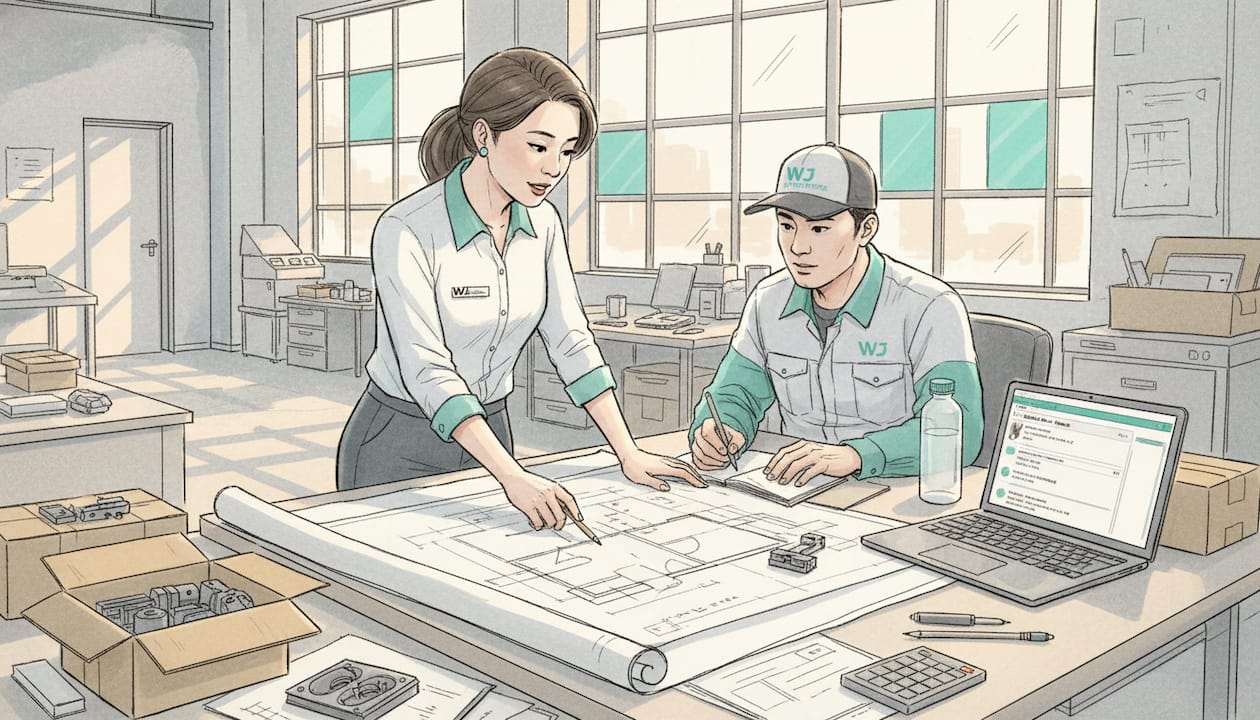
Automotive programs provide compelling evidence of this advantage. Early, system-level co-engineering with direct manufacturers optimizes designs, reduces weight penalties, and enables pragmatic Design for Manufacturability (DfM) in constrained programs like automotive platforms. Engineers working on vehicle structures or powertrain components saved significant weight and reduced late-stage rework through this integration, proving that direct engagement delivers measurable performance gains.
Aerospace projects show even more dramatic results. Northrop Grumman reduced engineering rework from 20% to 1% via integrated design-manufacturing, a reduction that translates to millions of dollars in avoided costs and accelerated timelines. This outcome was only possible because engineers and manufacturers worked side by side, identifying potential issues before they became expensive problems.
Here's how direct collaboration changes your workflow:
Pro Tip: When evaluating manufacturers, ask for examples of early-stage design collaboration on projects similar to yours. The best partners will show you how they've optimized designs before production, not just how they've executed orders.
Strong manufacturer input reduces design mistakes repeated at scale. A single DfM recommendation during the prototype phase can prevent thousands of defective parts in production, making direct collaboration not just faster but fundamentally more reliable. Engineers working on material selection in prototyping or prototyping in aerospace applications find this early feedback invaluable for meeting performance and certification requirements.
Medical, aerospace, and robotics sectors operate under non-negotiable compliance requirements that platforms often cannot satisfy. These industries demand full material traceability, process validation, and documentation that proves every manufacturing step meets regulatory standards. Only direct manufacturers can truly integrate these requirements into their workflows, providing the granular process control that certified engineers need.
Direct manufacturers ensure ISO 13485 traceability, precision tolerances (±0.01-0.02mm), and process validation critical for certification. This level of control is essential when you're developing surgical instruments, implantable devices, or aerospace components where failure is not an option. Platforms may offer basic quality assurance, but they lack the infrastructure to support FDA submissions, AS9100 audits, or ISO 13485 documentation.
Consider what compliance actually requires:
Platforms typically lack the systems to manage these requirements. They may subcontract to multiple manufacturers, making traceability nearly impossible. They may not have the quality management systems needed for regulatory submissions. And they certainly cannot provide the engineering support required to navigate certification processes.
| Requirement | Platform Capability | Direct Manufacturer Capability |
|---|---|---|
| Material traceability | Limited, often unavailable | Full certification and batch tracking |
| Process validation | Not standard | Documented and auditable |
| Custom inspection | Rarely available | Integrated into workflow |
| Regulatory support | Minimal | Engineering guidance and documentation |
| Tolerance control | Standardized ranges | Custom capabilities to ±0.01mm |
For engineers working on precision engineering or additive manufacturing in aerospace, direct manufacturer relationships are not just advantageous but often mandatory. The documentation, traceability, and process control required for certification simply cannot be outsourced to intermediaries.
Understanding the practical differences between platform and direct manufacturer workflows helps you make informed sourcing decisions. While platforms centralize quoting and standardization, they create communication barriers that slow down iterative refinement and limit technical exchanges. Direct manufacturers allow deeper collaboration, custom compliance processes, and faster resolution of design questions.
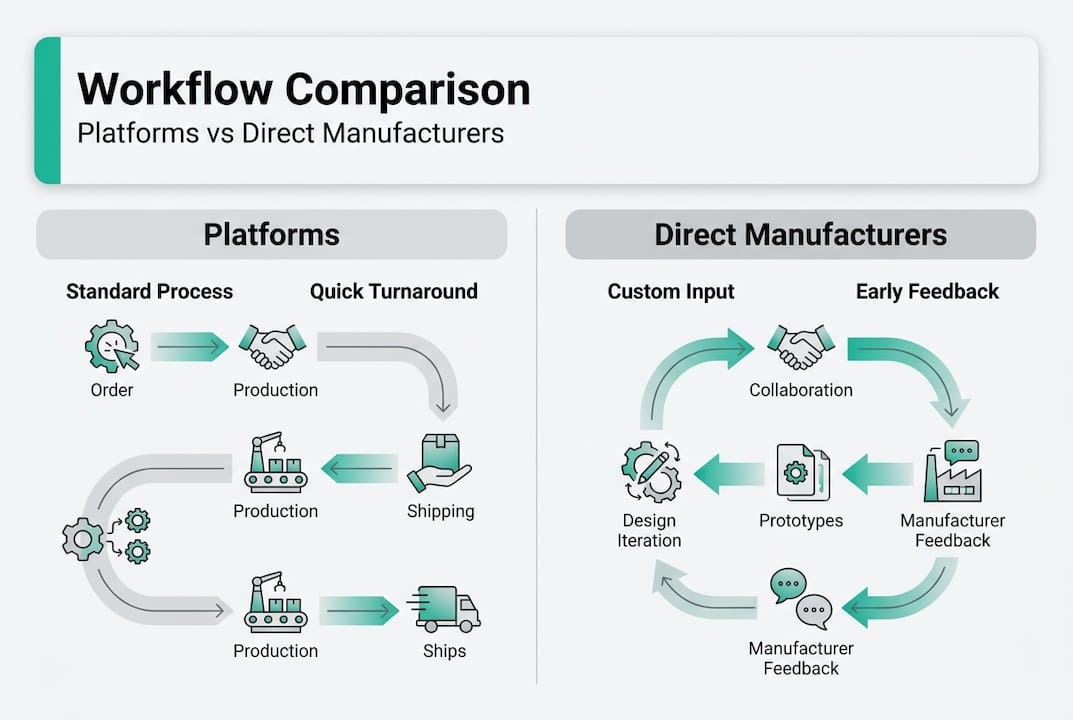
Here's how workflows differ across key project phases:
| Project Phase | Platform Workflow | Direct Manufacturer Workflow |
|---|---|---|
| Initial quote | Instant, automated based on CAD upload | 24-48 hours with engineering review and DfM feedback |
| Design iteration | Submit new files, wait for revised quote | Real-time discussion of changes and cost impact |
| Material selection | Choose from predefined list | Discuss alternatives based on performance and cost |
| Compliance documentation | Limited or unavailable | Full traceability and certification support |
| Production scaling | May require new vendor search | Seamless transition from prototype to production |
| Technical support | Email or chat with account manager | Direct access to manufacturing engineers |
Platforms excel at simple, well-defined parts where speed and standardization matter most. If you need 50 aluminum brackets with standard tolerances and no special requirements, a platform delivers fast quotes and predictable results. But when projects involve custom materials, tight tolerances, or regulatory requirements, platforms become bottlenecks rather than accelerators.
Direct manufacturers provide workflow speed through expertise, not automation. When you can discuss design trade-offs with the engineer who will machine your part, decisions happen faster and with greater confidence. When you need to adjust a tolerance or change a surface finish, a quick call resolves the issue rather than triggering a new quote cycle.
Pro Tip: Map your project requirements against these workflow differences before choosing a sourcing strategy. If your project involves more than two design iterations, requires custom compliance, or needs tolerances tighter than ±0.1mm, direct engagement will likely save time and reduce risk.
Design flexibility and documentation quality both differ dramatically across models. Platforms optimize for volume and standardization, while direct manufacturers optimize for engineering collaboration and process control. Engineers working on prototyping steps or exploring cost reduction in prototyping should evaluate these workflow differences carefully, as they directly impact project success.
Direct engagement with manufacturers is best when project success hinges on design innovation, tight process control, or certifications that platforms cannot support. Understanding when to choose direct collaboration versus platform convenience requires evaluating your project against specific criteria that predict which model will deliver better outcomes.
Key criteria for choosing direct manufacturer engagement:
How to approach and evaluate manufacturer partners for best results:
Pro Tip: Start with a small prototype order to test communication, quality, and turnaround time before committing to larger volumes. This low-risk approach validates the partnership and builds confidence in their capabilities.
"The best manufacturer relationships begin with transparency about capabilities and constraints. Partners who clearly communicate what they can and cannot do build trust faster than those who overpromise and underdeliver."
For engineers working on industrial prototyping or making key material choices, direct manufacturer engagement transforms sourcing from a transactional process into a strategic partnership. The investment in building these relationships pays dividends through faster iterations, better designs, and more reliable production outcomes.
Choosing the right manufacturing partner transforms how you approach prototyping and low-volume production. When you work with manufacturers who understand your industry's unique challenges, you gain more than production capacity. You gain engineering expertise, process optimization, and the compliance support that advanced projects demand.
WJ Prototypes specializes in direct engineering collaboration for aerospace, automotive, medical, robotics, and industrial applications. Our ISO-certified facilities support the full spectrum of manufacturing technologies, from additive processes like SLA, SLS, and DMLS to traditional methods including CNC machining, sheet metal fabrication, and injection molding. We provide the material options, precision tolerances, and documentation that regulated sectors require.
Our engineering team works with you from initial design review through production, offering DfM feedback that optimizes your parts for manufacturability while maintaining performance requirements. Whether you need rapid prototypes for design validation or certified low-volume production for market deployment, we provide the technical depth and process control that platforms cannot match.
Explore our CNC machining materials for detailed specifications on metals, plastics, and composites. Learn more about our CNC machining in China capabilities and how we support global clients with fast turnaround and competitive pricing. Visit our rapid prototyping services page to request a quote and discuss your project requirements with our engineering team.
Direct engagement enables early design feedback, optimizes manufacturability, and ensures tighter process control, especially for complex or regulated projects. Early, system-level co-engineering with direct manufacturers optimizes designs and reduces weight penalties, delivering measurable performance improvements that platforms cannot match.
Yes, platforms often lack the deep compliance, traceability, and process validation required for certification in medical and aerospace sectors. Direct manufacturers ensure ISO 13485 traceability, precision tolerances, and process validation critical for certification, making them essential for regulated applications.
By integrating manufacturing feedback early, direct manufacturers cut rework from 20% to as little as 1% in real projects. Northrop Grumman reduced engineering rework from 20% to 1% via integrated design-manufacturing, proving that early collaboration prevents costly mistakes.
Projects needing custom DfM, advanced material selection, certification, or extremely tight tolerances benefit most from direct engagement. Direct manufacturer engagement is crucial for precision tolerances and process validation in regulated sectors, where platforms simply cannot provide the required documentation and control.
Precision Engineering in Prototyping: Driving Breakthroughs
Cost-Effective Prototyping in China | Guide for UK Manufacturers & Engineers
Precision Engineering in Prototyping | Sourcing from China
Traditional vs Additive Manufacturing - Cost, Speed, and Quality Comparison
SERVICES
RESOURCES