



- Room 1807, Unit 9, Building 2, Shangxing Commercial Street, Shangde Road, Shangxing Community, Xinqiao Subdistrict, Bao'an District, Shenzhen City, China
CONTACT US

WhatsApp


Contact Us
Our team is on stand by, waiting toassist you.

Videos
A large collection of educational videos and tutorials.

About Us
Learn about our company, leadership, and mission totransform manufacturing.

Privacy Policy
Applies to all personal information collected through and/or processed in connection.
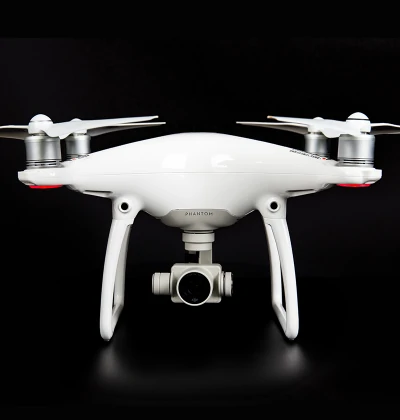

Aerospace & UAV
WJ Prototypes is your 3D manufacturing partner from prototype to large scale production.

Consumer Electronics
New Product Introduction Solutions for Consumer Electronics.

Robotics & Automation
Need some assistance bringing your robotic device or parts from the sketch-board to reality?

Medical Devices
The medical industry needs high quality, dependable and safe parts and products.

Automotive
New Product Introduction Solutions for Automotive

Industrial Machinery
The main purpose of industrial prototyping is to take the product from drawings into the real world.


Many engineers believe prototypes must be polished and expensive to deliver value. That’s wrong. The best prototypes are rough, fast, and focused on learning. This guide reveals how strategic prototyping reduces rework by 40%, accelerates timelines by 30%, and transforms abstract ideas into market-ready products across aerospace, automotive, medical, and robotics industries.
| Point | Details |
|---|---|
| Prototypes are strategic learning tools | Early models test and refine designs to prevent costly downstream errors. |
| Multiple types serve different purposes | From proof of concept to production-ready, each prototype type has a specific role in development. |
| Prototyping delivers measurable ROI | Reduces rework by up to 40% and accelerates time to market by approximately 30%. |
| Start early and iterate continuously | Low-fidelity prototypes enable fast feedback loops without requiring large budgets. |
| Use decision frameworks for selection | Align prototype type and fidelity with project stage, objectives, and constraints. |
A prototype is an early model built to test design, functionality, and performance before final production. These initial versions typically involve small quantities of 1 to 10 units during development phases. The primary goal is identifying design flaws early to avoid expensive fixes later.
Prototypes serve multiple critical functions in engineering:
Across industries like aerospace, automotive, medical devices, and robotics, prototypes bridge the gap between imagination and reality. They make invisible problems visible. Engineers use them to validate assumptions, test materials under real conditions, and ensure components fit together as intended. This tangible validation prevents costly mistakes during mass production.
The value lies not in creating a perfect miniature product but in generating insights that improve the final design. Every prototype answers specific questions about form, function, materials, or manufacturing feasibility.

Engineers select from five strategic prototype categories: proof of concept, functional, visual, hybrid, and production-ready. Each serves distinct purposes at different development stages.
Proof of concept prototypes validate whether an idea is technically feasible. Functional prototypes test how well components work together. Visual prototypes focus on appearance and user interaction without full functionality. Hybrid prototypes combine visual and functional elements. Production-ready prototypes mirror final specifications for manufacturing validation.
Fidelity represents how closely a prototype resembles the finished product. Low-fidelity prototypes are simple, cheap, and fast to produce. They validate basic concepts and gather initial feedback. High-fidelity prototypes are detailed, interactive, and closely match final specifications. These detailed models are crucial for final validation before mass production.
| Aspect | Low Fidelity | High Fidelity |
|---|---|---|
| Cost | Minimal investment | Significant investment |
| Speed | Hours to days | Weeks to months |
| Detail | Basic form and concept | Precise dimensions and finish |
| Purpose | Early ideation and feedback | Final validation and testing |
| Materials | Foam, cardboard, basic plastics | Production-grade metals and polymers |
Pro Tip: Match prototype fidelity to your current development stage. Using high-fidelity prototypes too early wastes resources on details that will change. Start low, iterate fast, then increase fidelity as design matures.
In aerospace applications, engineers might begin with foam models to validate aerodynamic concepts, then progress to aluminum CNC prototypes for structural testing. Medical device teams often start with 3D printed concept models before investing in biocompatible materials for clinical validation. Choosing appropriate fidelity prevents unnecessary spending while maintaining development momentum.
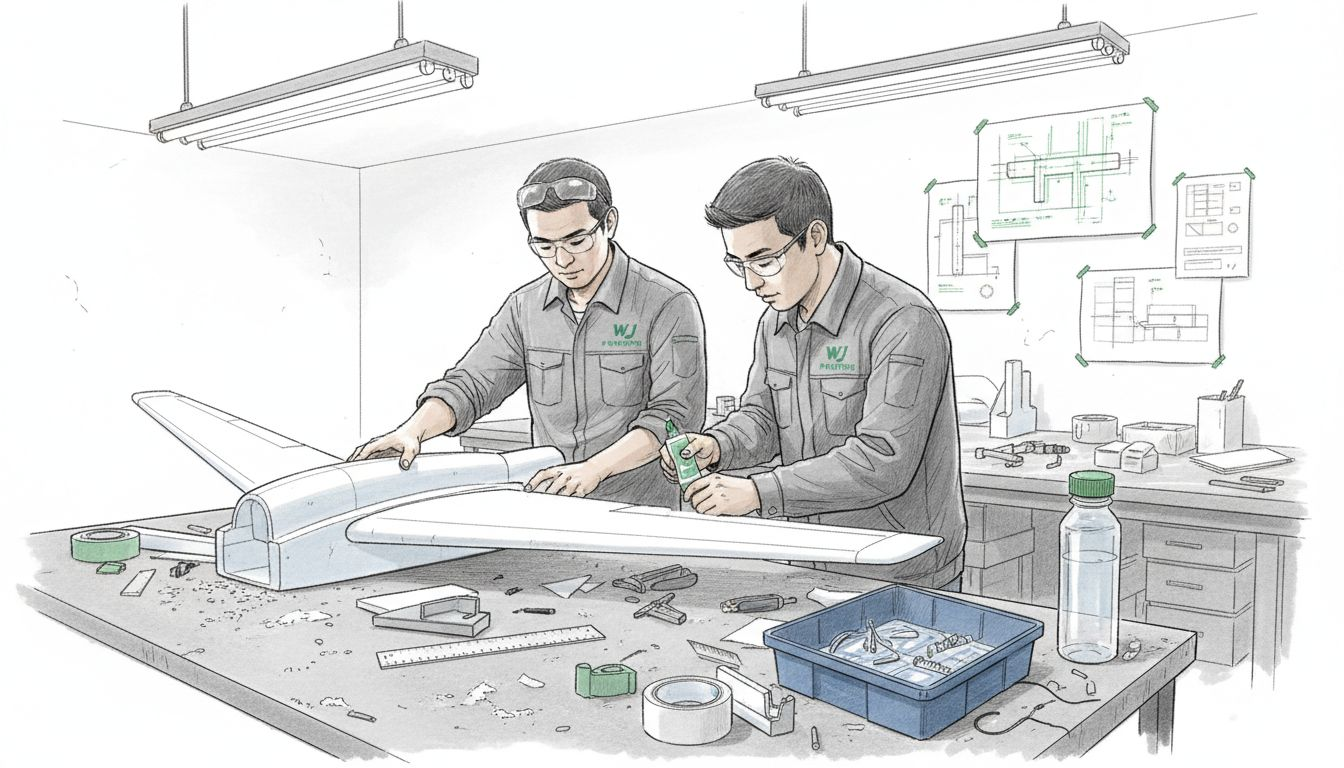
Prototyping reduces product failures and costly rework by identifying design flaws early, improving final quality and efficiency. Data shows prototyping can reduce rework by up to 40% and accelerate time to market by approximately 30%. These numbers reflect real savings in engineering hours, material costs, and launch delays.
Iterative design enables continuous refinement based on user and stakeholder feedback, which drives innovation success. Each prototype cycle generates insights that improve the next version. This approach transforms product development from a linear process into a learning loop.
Key benefits include:
Early prototypes catch problems when fixes are simple and inexpensive. Finding a design flaw during prototyping might cost hundreds of dollars. Discovering the same issue after tooling could cost hundreds of thousands. The mathematics favors early testing.
Prototyping transforms design from guesswork into evidence-based decision making. Every iteration reduces uncertainty and moves teams closer to optimal solutions.
Pro Tip: Structure formal feedback sessions after each prototype iteration. Document what worked, what failed, and why. This creates institutional knowledge that improves future projects and prevents repeated mistakes.
Companies that embrace iterative prototyping report faster development cycles and higher product quality. They spend less time fixing problems and more time optimizing performance. This shift requires upfront investment in prototyping but delivers substantial cost reductions over the project lifecycle. Teams gain confidence through validation, stakeholders understand progress through tangible milestones, and final products better meet market needs.
Many engineers delay prototyping until designs are nearly final, believing early models waste resources. Reality flips this assumption. Starting prototyping early and iterating continuously prevents expensive late-stage redesigns. The cost of changing a foam model is negligible compared to retooling production equipment.
Another myth suggests all prototypes must function exactly like finished products. Early low-fidelity prototypes intentionally focus on specific aspects such as form factor, basic concept validation, or single feature testing. A cardboard mockup that tests ergonomics delivers value without any functional components. Purpose drives fidelity requirements, not arbitrary standards.
The perception that prototyping requires large budgets and causes timeline delays contradicts modern practice. Low-fidelity rapid prototypes using 3D printing or simple materials actually save money and accelerate learning. A $200 prototype that fails quickly teaches more than months of theoretical analysis.
Common misconceptions clarified:
The focus should be learning and iteration rather than perfection. A prototype that reveals three design flaws succeeds even if it looks rough. Teams that chase polished early prototypes miss opportunities for rapid experimentation. Speed matters more than aesthetics during exploration phases.
Pro Tip: Define clear objectives for each prototype before building. Ask what specific question this version must answer. This clarity prevents scope creep and keeps prototypes lean and focused on delivering actionable insights.
Understanding these realities helps engineers allocate resources effectively and maintain momentum throughout development. Cost-effective prototyping becomes possible when teams match methods to objectives rather than following outdated assumptions about what prototypes should be.
Successful prototyping requires systematic decision making that balances development stage, objectives, budget, and feedback requirements. The Prototyping Decision Matrix helps engineers navigate these tradeoffs by mapping project needs to appropriate prototype types and manufacturing methods.
Follow these steps for effective prototype deployment:
Material and manufacturing method selection impact functionality, accuracy, and cost. Choices must align with test objectives and industry requirements. For visual prototypes, appearance matters more than mechanical properties. For functional testing, strength and thermal characteristics become critical.
| Method | Speed | Cost | Fidelity | Typical Use Cases |
|---|---|---|---|---|
| 3D Printing (SLA) | 1-3 days | Low | Medium-High | Detailed visual models, form validation |
| CNC Machining | 3-10 days | Medium-High | High | Functional parts, metal components, precision testing |
| Vacuum Casting | 5-15 days | Medium | High | Multiple copies, production-like finish |
| Sheet Metal Fabrication | 5-10 days | Medium | High | Enclosures, structural components |
| Foam/Cardboard | Hours | Very Low | Low | Early concept validation, size checks |
Pro Tip: Use rapid prototyping technologies like SLA and SLS for initial iterations. These methods compress feedback loops from weeks to days, enabling more learning cycles within fixed timelines and budgets.
Common failure points include mismatched fidelity expectations, inadequate testing protocols, and poor documentation. Best practices involve clear success criteria before building, structured test procedures during evaluation, and thorough documentation after each cycle. This discipline transforms prototyping from ad hoc experimentation into a reliable development tool.
Engineers should consider material properties carefully when selecting prototyping approaches. Thermal expansion, chemical resistance, and mechanical strength affect whether test results translate to production performance. Following a step-by-step prototyping guide prevents common mistakes and ensures each iteration delivers maximum value. When outsourcing, choosing the right prototyping services becomes critical for maintaining quality and schedule.
Prototypes reduce risk, refine designs, and accelerate product development across all engineering disciplines. They transform uncertainty into evidence and abstract ideas into market-ready solutions. The strategic value lies not in creating perfect miniatures but in generating insights that drive better decisions.
Selecting the right prototype type aligned with project goals maximizes return on investment. Low-fidelity models enable fast exploration during concept phases. High-fidelity prototypes validate final specifications before production commitments. Each fidelity level serves specific purposes when deployed strategically.
An iterative approach drives innovation and stakeholder alignment. Every prototype cycle answers questions, reveals problems, and improves understanding. This continuous learning process compresses development timelines while improving final product quality.
Actionable takeaways for professional practice:
Engineers who master prototyping gain competitive advantages through faster development, lower costs, and better products. The companies that win are those that learn fastest. Prototyping is how you learn.
Implementing effective prototyping strategies requires access to advanced manufacturing capabilities and diverse material options. WJ Prototypes delivers precision parts quickly using technologies like CNC machining, SLA printing, and vacuum casting across multiple industries including aerospace, automotive, and medical devices.
Our ISO-certified facility in China combines experienced engineers with global delivery capacity to support rapid iteration cycles. Whether you need aluminum functional prototypes, detailed resin models, or production-like castings, we match manufacturing methods to your test objectives and budget constraints.
Explore specialized services designed for engineering prototyping:
Get instant quotes through our online platform and accelerate your next prototype iteration with manufacturing expertise that understands engineering requirements.
A prototype is an early model built to test and validate product concepts before committing to full production. It helps engineers reduce risk by revealing design flaws early when fixes are inexpensive. Prototypes can be physical or digital, focusing on different aspects like form, function, or user interaction depending on development stage and objectives.
Assess your current development stage, specific test objectives, available budget, and required fidelity level. Use decision frameworks that balance these factors against prototype capabilities. Low-fidelity models work best for early concept validation while high-fidelity prototypes suit final validation before production. Match the prototype type to the questions you need answered.
Avoid overinvesting in high-fidelity prototypes during early stages, which delays iteration and wastes resources on details that will change. Do not neglect structured feedback loops with users and stakeholders during testing phases. Choose fabrication methods that align closely with your test objectives to prevent inaccurate results. Document learnings systematically to build knowledge for future projects.
Material choice depends on required test fidelity: SLA resins deliver fine details for visual validation while CNC metals provide strength for functional testing. In regulated industries like aerospace and automotive, balance cost against mechanical properties and test goals. Aluminum works well for structural prototypes while engineering plastics suit early functional testing before committing to production-grade materials.
SERVICES
RESOURCES